
A clicking or popping sound in the jaw during chewing is more common than many realize. While occasional noise may not be alarming, persistent or painful jaw clicking can signal an underlying issue that warrants attention. The temporomandibular joint (TMJ), which connects your jawbone to your skull, is one of the most complex joints in the body, responsible for speaking, chewing, and facial expressions. When this joint functions improperly, it can produce audible clicks, pops, or even grinding sensations. Understanding the root causes and knowing when to seek help can prevent long-term complications such as chronic pain, limited jaw movement, or degenerative joint changes.
Understanding the Temporomandibular Joint (TMJ)
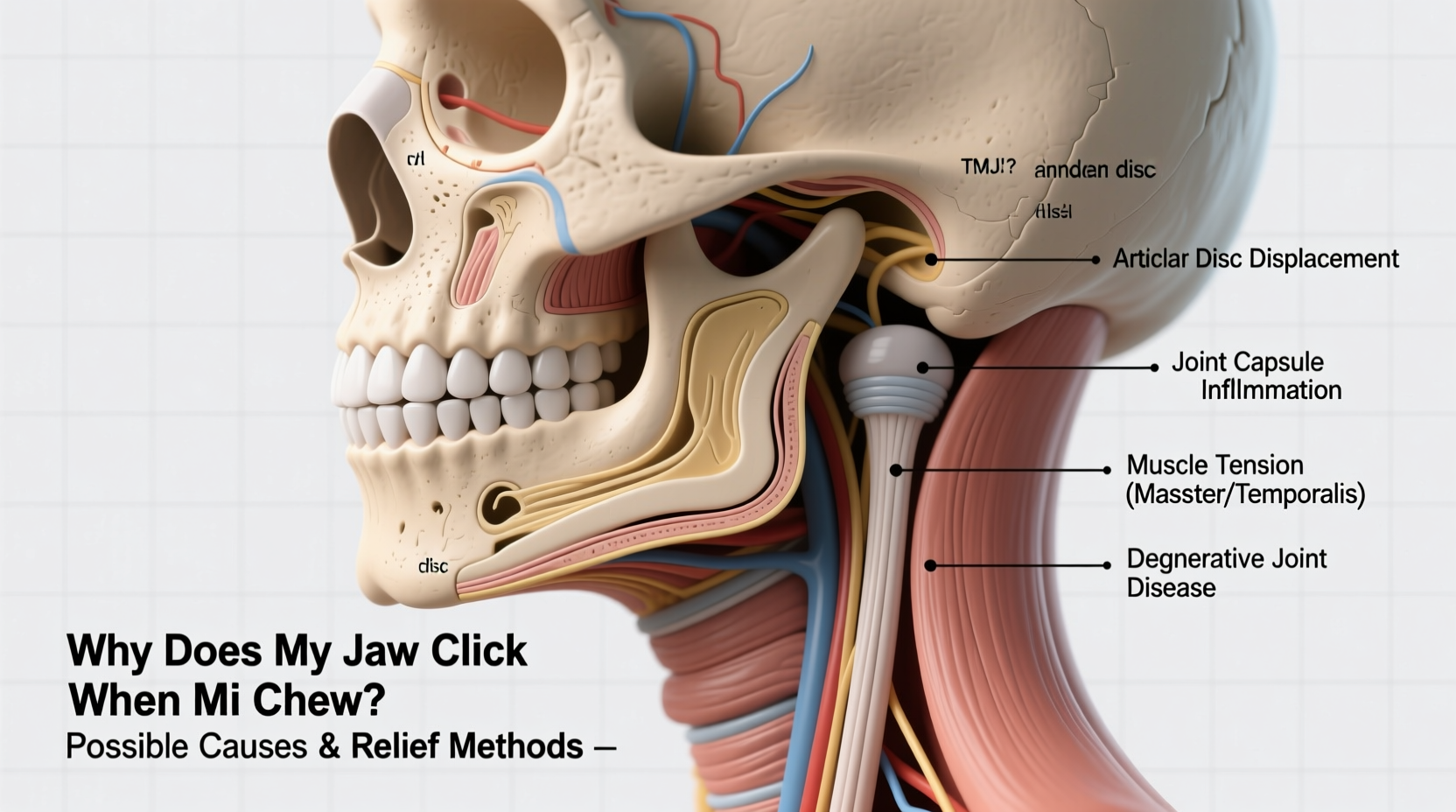
The TMJ is a hinge-like joint located just in front of each ear, allowing the jaw to move up and down, side to side, and forward and backward. A small disc of cartilage sits between the jawbone and the skull socket, cushioning the joint and enabling smooth motion. When this disc becomes displaced, inflamed, or worn down, the joint may not glide properly, leading to noises like clicking, popping, or crepitus (a grating sensation).
Jaw clicking typically occurs when the disc slips out of alignment during jaw movement. As you open your mouth or chew, the disc may temporarily snap back into place, producing a distinct pop. In some cases, the disc remains displaced, causing ongoing dysfunction and discomfort.
“Over 10 million Americans experience TMJ-related symptoms at any given time, with jaw clicking being one of the earliest and most common signs.” — Dr. Laura Simmons, Orofacial Pain Specialist
Common Causes of Jaw Clicking During Chewing
Jaw clicking isn’t a diagnosis but rather a symptom of underlying mechanical or muscular issues. Identifying the cause is crucial for effective treatment. Below are the most frequent contributors:
1. Temporomandibular Joint Disorder (TMD)
TMD refers to a group of conditions affecting the TMJ and surrounding muscles. It’s the leading cause of jaw clicking. TMD can result from disc displacement, arthritis, trauma, or muscle tension. Symptoms often include:
- Clicking, popping, or grinding sounds
- Pain in the jaw, face, or ears
- Difficulty opening the mouth fully
- Jaw locking (either open or closed position)
2. Bruxism (Teeth Grinding or Clenching)
Many people grind or clench their teeth unconsciously, especially during sleep. This habit places excessive pressure on the TMJ, leading to inflammation, disc misalignment, and muscle fatigue. Over time, bruxism can wear down the joint and contribute to persistent clicking.
3. Poor Bite Alignment (Malocclusion)
When your upper and lower teeth don’t align properly, uneven forces are distributed across the jaw joint. This imbalance can strain the TMJ, causing the disc to shift and produce clicking sounds during chewing.
4. Arthritis in the Jaw Joint
Osteoarthritis or rheumatoid arthritis can affect the TMJ, degrading cartilage and altering joint mechanics. Arthritic changes often lead to both noise and stiffness, particularly in older adults.
5. Trauma or Injury
A direct blow to the jaw, whiplash, or even dental procedures requiring prolonged mouth opening can damage the TMJ or displace the articular disc. Post-traumatic clicking may develop immediately or appear weeks later as swelling subsides.
6. Stress and Muscle Tension
Emotional stress triggers muscle tightening, including in the jaw, neck, and shoulders. Chronic tension in the masticatory muscles can pull the joint out of optimal alignment, resulting in clicking during routine movements like chewing or yawning.
When to Be Concerned: Red Flags to Watch For
Not all jaw clicking requires urgent intervention. Occasional, painless pops during wide mouth opening are often benign. However, certain symptoms indicate the need for professional evaluation:
- Pain accompanying the click
- Reduced range of motion in the jaw
- Jaw locking or catching
- Symptoms worsening over time
- Headaches, earaches, or facial pain
- Difficulty eating or speaking
If any of these signs are present, delaying care may lead to progressive joint deterioration or chronic pain syndromes.
Evidence-Based Relief Methods and Treatments
Effective management of jaw clicking depends on the underlying cause. Most cases respond well to conservative, non-invasive treatments. Here’s a step-by-step guide to finding relief:
Step 1: Modify Habits That Strain the Jaw
Simple behavioral adjustments can reduce joint stress and improve symptoms:
- Avoid chewing gum or tough foods like steak or hard candy.
- Cut food into small pieces to minimize wide jaw opening.
- Refrain from resting your chin on your hand or biting nails.
- Practice keeping your teeth slightly apart, with lips closed and tongue resting on the roof of the mouth.
Step 2: Apply Heat and Cold Therapy
Alternating heat and ice can reduce inflammation and relax tight muscles:
- Cold pack: Apply for 10–15 minutes to numb acute pain or swelling.
- Warm compress: Use for 15–20 minutes to loosen muscles before stretching exercises.
Step 3: Perform Gentle Jaw Exercises
Strengthening and stretching exercises help restore proper joint function. Try these daily:
- Resisted opening: Place thumb under chin and gently press upward while slowly opening your mouth. Resist the movement for 5 seconds, then release. Repeat 5 times.
- Lateral jaw movement: Move your jaw slowly to the left and right, holding each side for 5 seconds. Do 10 reps per side.
- Chin tuck: Sit upright, gently tuck your chin toward your chest without tilting your head. Hold for 5 seconds. Improves posture and reduces neck strain on the jaw.
Step 4: Seek Dental or Medical Intervention
If self-care doesn’t bring improvement within a few weeks, consult a healthcare provider. Treatment options may include:
- Occlusal splint or night guard: Custom-fitted device worn at night to prevent grinding and reposition the jaw.
- Physical therapy: Targeted exercises, manual therapy, and ultrasound to restore joint mobility.
- Medications: Short-term use of NSAIDs (e.g., ibuprofen) for pain and inflammation; muscle relaxants if spasms are present.
- Injections: Corticosteroid or hyaluronic acid injections for severe inflammation or degeneration.
- Surgery: Reserved for advanced cases with structural damage unresponsive to other treatments.
| Treatment | Best For | Effectiveness | Risks |
|---|---|---|---|
| Night guard | Bruxism, mild TMD | High (70–80%) | Minor discomfort, cost |
| Physical therapy | Muscle tension, restricted movement | High (60–75%) | Time commitment |
| NSAIDs | Acute pain and inflammation | Moderate (short-term) | GI irritation with prolonged use |
| Corticosteroid injection | Severe inflammation | Moderate to high | Infection, tissue damage (rare) |
| Surgery | Structural joint damage | Variable | Significant risks, long recovery |
Real-Life Example: Recovery from Chronic Jaw Clicking
Sarah, a 34-year-old graphic designer, began noticing a loud click in her right jaw while eating. Initially painless, the sound became more frequent and was soon accompanied by morning jaw soreness and headaches. After months of ignoring it, she developed difficulty opening her mouth fully—especially during meals.
She visited a dentist specializing in TMD, who diagnosed her with anterior disc displacement due to nocturnal bruxism. Sarah was fitted with a custom night guard and referred to a physical therapist. She also started practicing jaw relaxation techniques and avoided chewy foods.
Within eight weeks, her clicking had reduced significantly, and pain disappeared. “I didn’t realize how much tension I was holding in my jaw until I started paying attention,” Sarah said. “The night guard made a huge difference—I sleep better and no longer wake up with headaches.”
Prevention Checklist: Protect Your Jaw Joint
To reduce the risk of developing or worsening jaw clicking, follow this actionable checklist:
- ✅ Avoid chewing gum and hard foods regularly
- ✅ Practice stress-reduction techniques (e.g., meditation, deep breathing)
- ✅ Maintain good posture, especially when working at a desk
- ✅ Use a custom-fitted night guard if you grind your teeth
- ✅ Schedule regular dental checkups to monitor jaw health
- ✅ Stay hydrated to maintain joint lubrication
- ✅ Apply warm compresses after long periods of talking or chewing
Frequently Asked Questions
Is jaw clicking dangerous?
Occasional, painless clicking is usually not dangerous and may resolve on its own. However, persistent clicking with pain, limited movement, or locking indicates a TMJ disorder that should be evaluated. Left untreated, it can lead to chronic pain or joint degeneration.
Can a dentist fix a clicking jaw?
Yes, dentists—especially those trained in neuromuscular dentistry or TMD treatment—can diagnose the cause and provide solutions like occlusal splints, bite adjustment, or referrals to specialists. They often work alongside ENT doctors, physical therapists, or oral surgeons for comprehensive care.
Will jaw clicking go away on its own?
In mild cases related to temporary strain or minor disc displacement, yes—it may resolve with rest and self-care. However, if clicking persists beyond a few weeks or worsens, professional intervention increases the likelihood of full recovery.
Conclusion: Take Action Before It Gets Worse
Jaw clicking when chewing is not something to dismiss as normal aging or harmless noise. It’s a signal from your body that the delicate mechanics of your temporomandibular joint are disrupted. Whether caused by stress, teeth grinding, injury, or arthritis, early recognition and proactive care can prevent long-term damage and restore comfortable jaw function.
You don’t have to live with discomfort or worry about your jaw locking at an inconvenient moment. By adopting healthier habits, seeking timely evaluation, and following evidence-based treatments, you can regain control and silence the click. Start today—your jaw will thank you.




 浙公网安备
33010002000092号
浙公网安备
33010002000092号 浙B2-20120091-4
Comments
No comments yet. Why don't you start the discussion?