
That familiar pop or crunch when you bite into an apple might seem harmless — until it becomes frequent, painful, or starts interfering with daily life. Jaw cracking during chewing is more common than many realize, but it’s not always normal. While occasional clicking may be benign, persistent or painful noises can signal underlying issues ranging from joint strain to chronic conditions like temporomandibular joint disorder (TMD). Understanding the root causes and knowing when to seek help can prevent long-term complications and restore comfort to everyday activities like eating, speaking, and yawning.
Understanding the Jaw Joint: How It Works
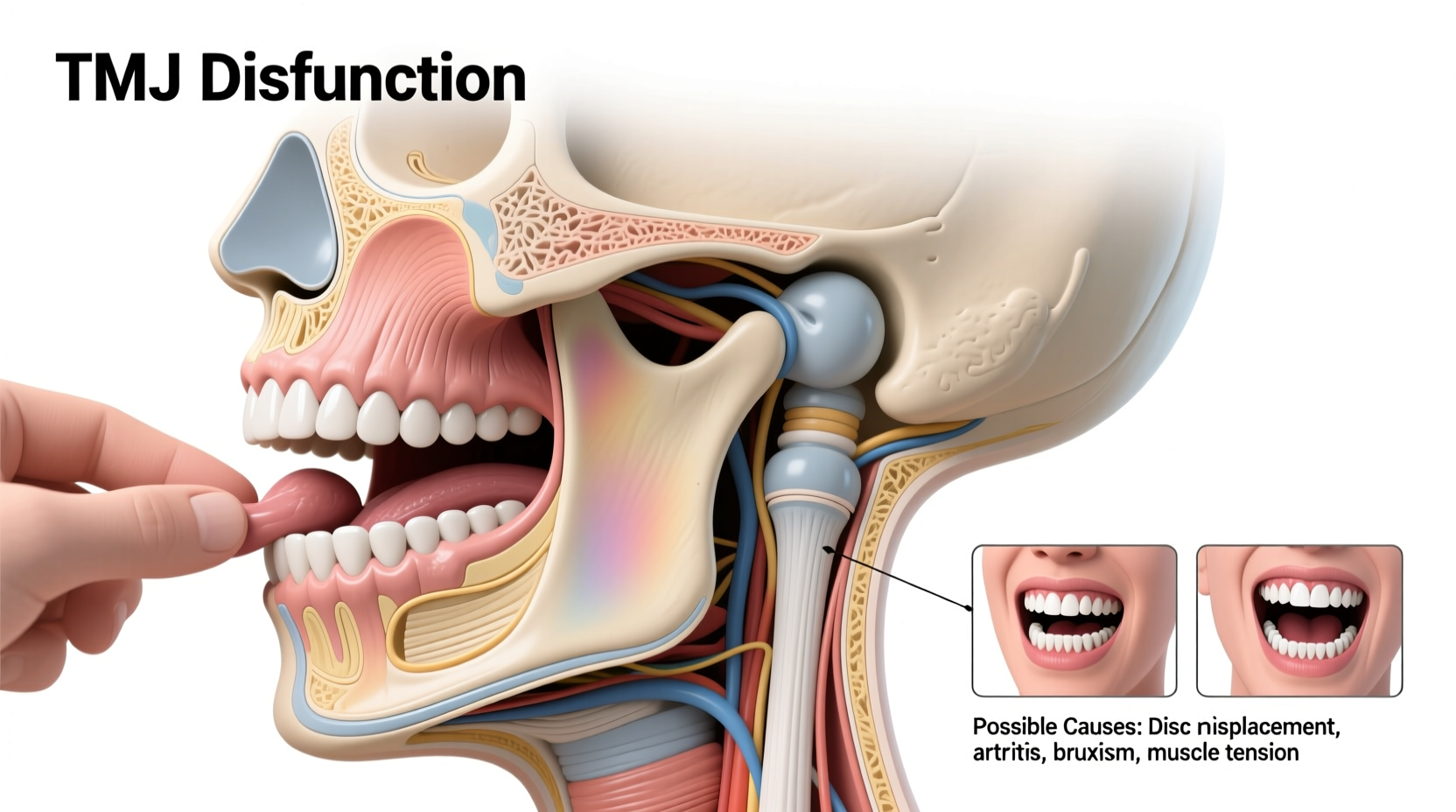
The temporomandibular joint (TMJ) connects your jawbone to your skull, just in front of each ear. These are among the most complex joints in the body, allowing for hinge-like opening and closing as well as sliding motions that let you chew, talk, and yawn. A small disc of cartilage cushions the joint, absorbing pressure and enabling smooth movement between the bones.
When this system functions properly, movement is silent and pain-free. But if the disc shifts, muscles tighten, or inflammation develops, the joint may produce audible sounds — popping, clicking, grating, or even a rough “crunch” resembling the sound of chewing gravel. These noises occur due to disruptions in the normal mechanics of the joint.
Cracking typically happens when:
- The joint disc slips out of place temporarily and snaps back during motion.
- Gas bubbles form and burst within the synovial fluid of the joint (similar to knuckle cracking).
- Roughened bone surfaces rub together due to wear or arthritis.
- Muscle tension alters jaw alignment, increasing strain on the joint.
“Up to one-third of adults experience some form of TMJ-related noise, but only a fraction develop symptoms severe enough to require treatment.” — Dr. Lena Patel, Oral & Maxillofacial Specialist
Common Causes of Jaw Cracking During Chewing
Jaw cracking isn’t a diagnosis — it’s a symptom. Identifying the cause requires looking at lifestyle habits, dental health, and potential medical conditions. Below are the most frequent contributors:
1. Temporomandibular Joint Disorder (TMD)
TMD refers to a group of conditions affecting the TMJ and surrounding muscles. It’s the leading cause of chronic jaw noise and discomfort. In internal derangement, the articular disc moves forward abnormally, causing a distinct click when the jaw opens or closes. Over time, this can progress to locking, where the jaw gets stuck open or closed.
2. Bruxism (Teeth Grinding or Clenching)
Many people grind their teeth at night without realizing it. This places excessive force on the TMJ, leading to muscle fatigue, joint irritation, and eventual degeneration. Daytime clenching — often linked to stress — has similar effects. The constant pressure destabilizes the joint, making it more prone to popping and inflammation.
3. Arthritis in the Jaw Joint
Osteoarthritis or rheumatoid arthritis can affect the TMJ just like other joints. As cartilage wears down, bone rubs against bone, producing a coarse grinding or crunching sound known as crepitus. This type of noise usually worsens over time and is often accompanied by stiffness and reduced range of motion.
4. Poor Posture and Neck Alignment
Forward head posture — common among desk workers and smartphone users — alters the position of the jaw relative to the skull. When the neck curves unnaturally, the mandible shifts backward, compressing the TMJ and increasing friction. This mechanical imbalance can initiate or exacerbate joint noise.
5. Dental Misalignment or Bite Issues
An uneven bite (malocclusion) forces certain teeth to bear more load than others. This uneven distribution affects how the jaw closes, potentially pulling the joint out of its optimal path. Orthodontic changes, missing teeth, or ill-fitting restorations can all contribute.
6. Trauma or Injury
A direct blow to the jaw, whiplash, or even prolonged mouth opening (such as during dental procedures) can damage the TMJ structure. Ligaments may stretch, discs can displace, and inflammation sets in — all contributing to abnormal sounds during chewing.
When Jaw Cracking Becomes a Concern
Not every pop means trouble. Many people live with occasional jaw noises and never develop pain or limitation. However, certain red flags indicate it's time to consult a healthcare provider:
- Pain in the jaw, face, or ear when chewing or speaking
- Jaw locking — inability to fully open or close the mouth
- Swelling around the joint area
- Headaches originating near the temples
- Difficulty biting or noticeable changes in bite alignment
- Clicking that has recently increased in frequency or volume
If left unaddressed, minor joint dysfunction can progress to chronic TMD, requiring more intensive intervention. Early evaluation improves outcomes significantly.
Practical Relief Strategies and Home Care
In mild to moderate cases, self-care measures can reduce symptoms and support healing. These approaches aim to decrease inflammation, relax muscles, and minimize joint strain.
Step-by-Step Guide to Immediate Relief
- Apply Warm Compresses: Use a heated towel or microwavable pad on the affected side for 10–15 minutes, 2–3 times daily. Heat increases blood flow and eases muscle tension.
- Switch to Soft Foods: Avoid hard, chewy, or large foods (like bagels or corn on the cob) that require wide opening or repetitive grinding. Opt for soups, mashed potatoes, yogurt, and smoothies.
- Practice Jaw Rest: Limit talking, gum chewing, and non-essential jaw movements. Keep teeth slightly apart, tongue resting on the roof of the mouth, to avoid clenching.
- Use Over-the-Counter Pain Relief: NSAIDs like ibuprofen can reduce inflammation and relieve discomfort if taken as directed.
- Perform Gentle Stretching: Slowly open your mouth as wide as comfortable (without pain), hold for 5 seconds, then close. Repeat 5 times, twice daily.
| Do | Don’t |
|---|---|
| Eat soft, easy-to-chew foods | Chew gum or tough meats |
| Keep head aligned over shoulders | Crane neck forward while using devices |
| Use a warm compress nightly | Sleep on your stomach (can twist the jaw) |
| Stay hydrated (supports joint lubrication) | Yawn widely without supporting the jaw |
| Practice relaxation techniques | Clench teeth during stressful tasks |
Medical and Dental Treatments for Persistent Symptoms
If home care doesn’t improve symptoms within 2–3 weeks, professional evaluation is recommended. Diagnosis typically involves a physical exam, patient history, and sometimes imaging such as MRI or CT scans to assess disc position and joint integrity.
Custom Night Guards
Dentists often prescribe occlusal splints or night guards to manage bruxism. These custom-fitted appliances create a buffer between upper and lower teeth, preventing wear and reducing muscular strain on the TMJ.
Physical Therapy
Specialized physical therapists use manual techniques, ultrasound therapy, and targeted exercises to retrain jaw movement patterns, strengthen supportive muscles, and restore proper joint function.
Orthodontic or Restorative Dentistry
If malocclusion contributes to the problem, correcting bite alignment through braces, aligners, or dental work may alleviate joint stress. Replacing missing teeth can also restore balance to the chewing system.
Medication and Injections
For acute flare-ups, doctors may prescribe muscle relaxants or corticosteroid injections directly into the joint to reduce inflammation. In rare cases, Botox injections are used off-label to relax overactive jaw muscles.
Surgical Options (Last Resort)
Surgery is considered only after conservative treatments fail and significant structural damage is confirmed. Procedures include arthrocentesis (joint lavage), disc repositioning, or total joint replacement in extreme cases.
“Most patients respond well to non-invasive care. Surgery should never be the first option for jaw noise unless there’s clear evidence of mechanical failure.” — Dr. Marcus Tran, TMJ Surgeon
Real-Life Example: Recovering from Chronic Clicking
Sophie, a 34-year-old graphic designer, began noticing a loud click in her right jaw whenever she chewed. At first, it was just annoying — but within months, the sound became painful, especially after long workdays spent hunched over her laptop. She also started waking up with headaches and jaw tightness.
After seeing a dentist specializing in TMD, Sophie learned she had developed bruxism due to work stress and poor ergonomics. Her forward head posture was straining the joint, and nighttime grinding was accelerating wear. She was fitted with a night guard, referred to a physical therapist, and advised to adjust her workstation.
Within six weeks of consistent care — including daily stretches, ergonomic adjustments, and wearing her guard nightly — the clicking softened and eventually disappeared. Her headaches resolved, and she regained full, pain-free jaw movement.
Frequently Asked Questions
Is jaw cracking dangerous?
Occasional, painless cracking is usually not dangerous and may result from normal joint movement or gas release. However, persistent or painful cracking, especially with limited motion or discomfort, should be evaluated to rule out TMD or arthritis.
Can stress really cause jaw popping?
Yes. Stress triggers muscle tension, particularly in the face and neck. This often leads to unconscious clenching or grinding, which overloads the TMJ and disrupts its function. Managing stress through mindfulness, exercise, or therapy can significantly reduce symptoms.
Should I stop chewing gum to protect my jaw?
Yes, especially if you already experience jaw noise or discomfort. Chewing gum excessively trains the jaw muscles to stay contracted and increases repetitive strain on the joint. Eliminating gum for several weeks can give the TMJ a chance to recover.
Conclusion: Listen to Your Jaw
Your jaw shouldn’t make noise every time you eat. While occasional cracking may not be alarming, ignoring persistent symptoms risks progression to chronic pain and functional limitations. The good news is that most causes of jaw popping are manageable with early intervention, lifestyle adjustments, and appropriate care.
Start by implementing simple self-care practices — reduce strain, manage stress, and monitor changes. If symptoms persist beyond a few weeks or begin affecting your quality of life, don’t hesitate to consult a dentist or specialist. With the right approach, most people regain quiet, comfortable jaw function and return to enjoying meals without worry.




 浙公网安备
33010002000092号
浙公网安备
33010002000092号 浙B2-20120091-4
Comments
No comments yet. Why don't you start the discussion?