
Squatting is a fundamental movement pattern used in daily life and fitness routines alike. Whether you're lowering into a chair, lifting weights at the gym, or playing sports, your knees bear significant load. It’s not uncommon to hear a pop, crackle, or snap from the knee during these motions. While occasional popping can be harmless, persistent or painful sounds may signal underlying issues. Understanding the mechanics behind knee noise and knowing when to seek professional help can prevent long-term damage and support optimal joint health.
The Science Behind Knee Popping: Cavitation and Gas Release
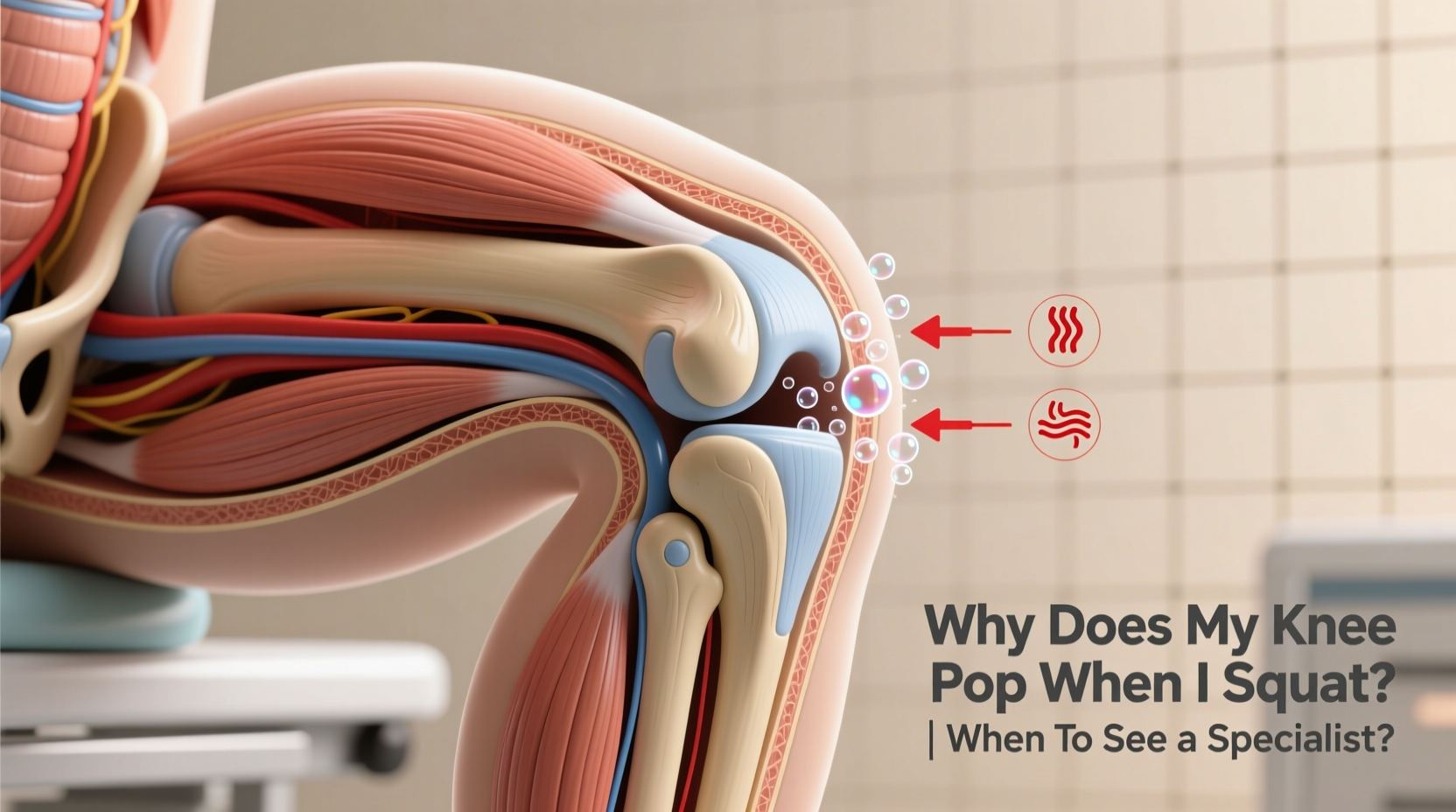
One of the most common and benign causes of knee popping is a phenomenon known as cavitation. This occurs when nitrogen, oxygen, and carbon dioxide gases dissolved in the synovial fluid—the lubricating liquid within your joints—form tiny bubbles that rapidly collapse when pressure changes during movement. The resulting sound resembles a soft pop or crack and typically happens once per session because it takes time for gas to re-dissolve into the fluid.
This type of noise often occurs without pain, swelling, or instability and is especially noticeable after periods of inactivity. For example, standing up from a seated position or initiating a deep squat might trigger this release. Because cavitation doesn’t involve tissue damage, it’s generally considered safe and not a cause for concern unless accompanied by other symptoms.
Mechanical Causes: Tracking Issues and Meniscus Tears
Beyond gas release, mechanical factors can produce audible knee noises. One frequent culprit is improper patellar (kneecap) tracking. The patella glides along a groove in the femur as the knee bends and straightens. Muscle imbalances—particularly weakness in the vastus medialis obliquus (VMO), part of the quadriceps—can pull the kneecap slightly off its ideal path, causing it to rub against bone or cartilage and generate a grinding or popping sensation.
Another mechanical source involves the meniscus, the C-shaped cartilage pads that cushion the knee joint. A torn meniscus, especially a bucket-handle tear, can create a flap of tissue that catches between the femur and tibia during motion. This often results in a distinct pop followed by pain, locking, or a feeling that the knee is “giving way.” Unlike cavitation, meniscal-related popping tends to recur with every squat and worsens over time without intervention.
“Not all knee noise is created equal. Pain-free pops are usually physiological, but consistent clicking with discomfort warrants evaluation.” — Dr. Lena Torres, Sports Medicine Physician
When Is Knee Popping a Sign of Trouble?
While many people experience asymptomatic knee crepitus (joint noise), certain red flags indicate potential pathology. These include:
- Pain during or after squatting
- Swelling or warmth around the joint
- Instability or buckling of the knee
- Restricted range of motion
- Locking or catching sensations
- Recurrent popping in the same spot with each repetition
If any of these accompany the popping sound, it may point to conditions such as chondromalacia patella (softening of cartilage under the kneecap), ligament injuries (like ACL tears), osteoarthritis, or meniscal damage. Inflammatory conditions like tendinitis or bursitis can also contribute to noisy, painful knees.
Common Conditions Associated With Painful Knee Popping
| Condition | Symptoms | Typical Cause |
|---|---|---|
| Meniscus Tear | Sharp pain, locking, swelling, recurrent pop | Twisting injury or degeneration with age |
| Chondromalacia Patella | Grinding under kneecap, pain with stairs/squatting | Overuse, misalignment, muscle imbalance |
| ACL Injury | Loud pop at time of injury, instability, swelling | Sudden stop, pivot, or direct impact |
| Osteoarthritis | Stiffness, chronic ache, grating sound | Cartilage wear over time |
| Patellar Tendinitis | Pain below kneecap, worse with activity | Repetitive jumping or squatting |
Mini Case Study: Recurrent Popping After a Workout Injury
Jamal, a 32-year-old recreational weightlifter, began noticing a sharp pop in his right knee during back squats six weeks after returning from a three-month break. Initially, he dismissed it as stiffness. However, the pop became more pronounced, was now accompanied by mild swelling, and caused a twinge of pain behind the kneecap. He also felt occasional tightness when descending stairs.
After two weeks of rest and avoiding deep squats, Jamal consulted a physical therapist. An assessment revealed weak hip abductors and poor VMO activation, contributing to lateral patellar tracking. There was no sign of ligament damage or meniscal tear on imaging, but early signs of cartilage irritation were noted. With targeted strengthening exercises and gait retraining, Jamal’s symptoms resolved within eight weeks, and the popping ceased during pain-free movement.
This case illustrates how even non-traumatic onset of knee noise can stem from biomechanical inefficiencies rather than acute injury—and how early intervention prevents progression.
Step-by-Step Guide to Assessing Your Knee Popping
Before deciding whether to consult a specialist, conduct a self-assessment using this five-step process:
- Observe Frequency and Context: Does the pop happen every time you squat? Only after sitting? During specific ranges of motion?
- Note Associated Symptoms: Record if there’s pain, swelling, instability, or reduced mobility alongside the noise.
- Test Functionality: Perform bodyweight squats slowly. Can you complete full depth without discomfort? Does the knee lock or catch?
- Evaluate Recent Activity Changes: Have you increased training volume, changed footwear, or altered your form recently?
- Try Conservative Measures: Incorporate warm-ups, foam rolling, and quad/hip strengthening for 2–3 weeks. Monitor changes.
If symptoms persist or worsen despite conservative efforts, it’s time to seek expert evaluation.
Checklist: When to See a Knee Specialist
Use this checklist to determine if your knee popping requires medical attention:
- ✅ The popping started after an injury or twist
- ✅ You feel your knee giving out or buckling unexpectedly
- ✅ Swelling develops within hours of activity
- ✅ You cannot fully straighten or bend your knee
- ✅ Pain increases with weight-bearing activities
- ✅ The sound repeats consistently with each squat
- ✅ Home remedies haven’t improved symptoms after 2–3 weeks
Meeting two or more of these criteria strongly suggests a need for professional diagnosis. Delaying care can lead to compensatory movement patterns, further joint stress, and prolonged recovery.
Who Should You Consult? Types of Knee Specialists
Depending on your symptoms and goals, different healthcare providers can assist:
- Primary Care Sports Medicine Physician: Ideal first point of contact; can diagnose common knee conditions and order imaging.
- Orthopedic Surgeon: Specializes in surgical and non-surgical treatment of musculoskeletal issues, including ligament repairs and joint replacements.
- Physical Therapist: Focuses on movement analysis, strength deficits, and rehabilitation programs tailored to knee mechanics.
- Rheumatologist: Appropriate if systemic inflammation or autoimmune arthritis (e.g., rheumatoid arthritis) is suspected.
Imaging tools such as X-rays, MRI, or ultrasound may be used to assess bone alignment, cartilage integrity, and soft tissue structures. Early diagnosis improves outcomes, particularly for conditions like meniscal tears where timely repair preserves function.
Frequently Asked Questions
Is knee popping during squats always dangerous?
No. Occasional, pain-free popping is usually due to gas release in the joint and is not harmful. It becomes concerning only when paired with pain, swelling, or mechanical symptoms like locking.
Can weak muscles cause my knee to pop?
Yes. Weakness in the quadriceps (especially the VMO), hamstrings, or hip stabilizers can alter knee alignment and tracking, leading to abnormal friction and audible snapping. Strengthening these areas often reduces or eliminates the noise.
Should I stop squatting if my knee pops?
Not necessarily. If the pop is painless and doesn’t limit performance, you may continue with proper form and gradual loading. However, if pain, swelling, or instability occurs, discontinue and seek evaluation before resuming.
Prevention and Long-Term Joint Health
Maintaining healthy knees goes beyond reacting to symptoms—it requires proactive care. Incorporating dynamic warm-ups before exercise, focusing on controlled eccentric movements, and ensuring balanced leg development help distribute forces evenly across the joint. Mobility work for the ankles and hips also reduces compensatory strain on the knees.
Nutrition plays a supporting role. Omega-3 fatty acids, vitamin D, and collagen supplements may aid cartilage and connective tissue health, though they should complement—not replace—mechanical interventions. Staying at a healthy weight significantly reduces compressive forces on the knee, lowering the risk of degenerative changes over time.
Conclusion: Listen to Your Body, Act Before It’s Too Late
Knee popping during squats isn’t automatically a red flag, but it shouldn’t be ignored when paired with pain or dysfunction. Understanding the difference between harmless cavitation and potentially serious mechanical issues empowers you to take timely action. Simple lifestyle adjustments and targeted exercises resolve many cases, but recognizing warning signs ensures you don’t miss opportunities for effective treatment.
Your knees support your mobility, independence, and quality of life. Don’t wait until minor discomfort turns into chronic limitation. If in doubt, consult a qualified specialist—early assessment is the best investment in lasting joint health.




 浙公网安备
33010002000092号
浙公网安备
33010002000092号 浙B2-20120091-4
Comments
No comments yet. Why don't you start the discussion?