
Many people hear a soft crackle, snap, or pop in their knees when they squat—especially during workouts, deep bends, or after sitting for long periods. For some, it's an occasional sound with no discomfort. For others, it comes with pain, swelling, or a sense of instability. So, is this normal? Should you be concerned? The answer depends on context: what the sound is, whether it hurts, and how often it happens.
Knee popping—also known as crepitus—is more common than most realize. In fact, studies show that over 90% of people experience joint noises at some point, particularly in the knees. But while most cases are harmless, certain patterns can signal underlying issues like cartilage wear, ligament strain, or early-stage arthritis. Understanding the mechanics behind the sound and knowing the red flags can help you make informed decisions about your joint health.
The Science Behind Knee Popping
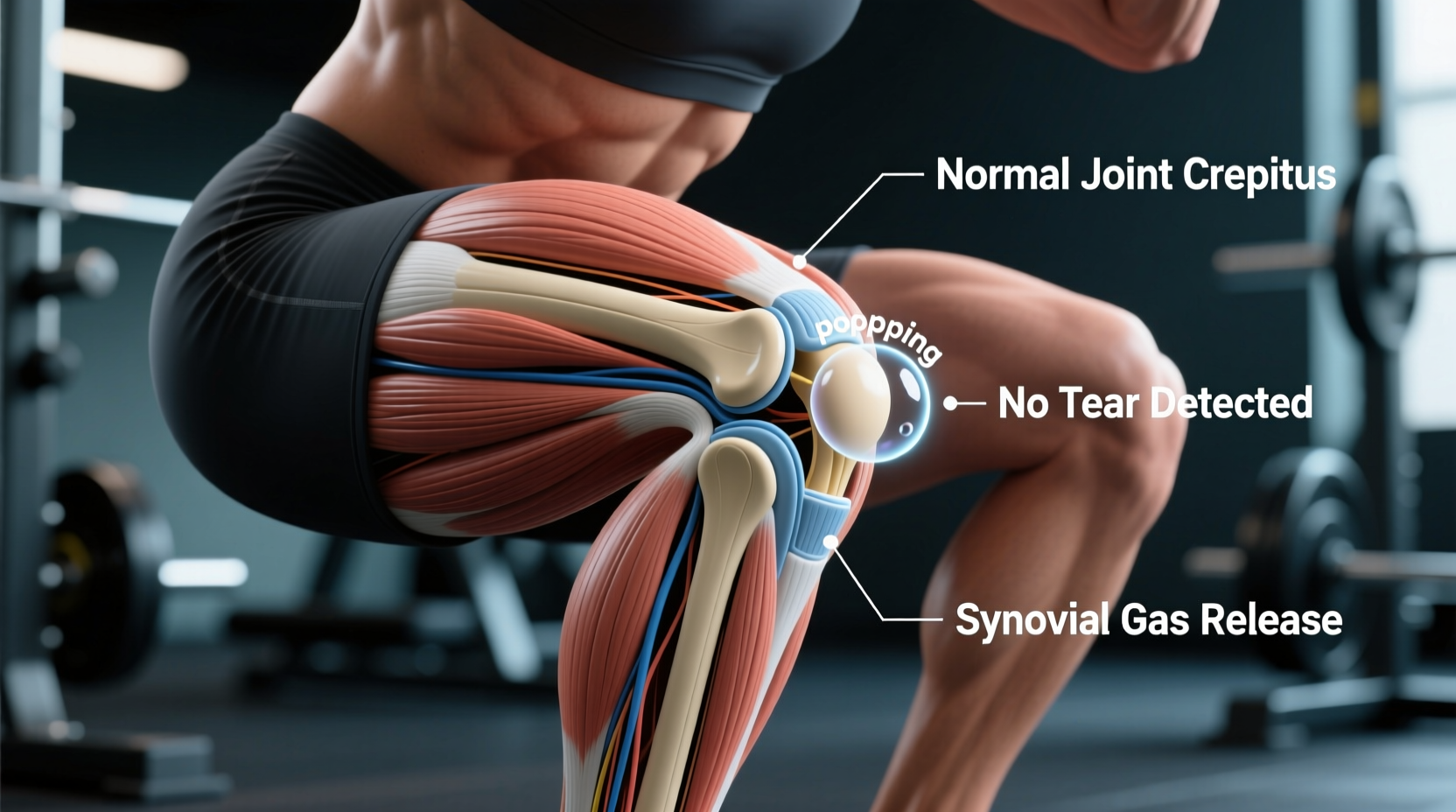
The knee joint is a complex hinge formed by the femur (thigh bone), tibia (shin bone), and patella (kneecap). It’s supported by ligaments, tendons, synovial fluid, and articular cartilage. When you move, especially during loaded motions like squatting, several physiological processes can generate audible or palpable pops.
One common cause is **cavitation**—the formation and collapse of gas bubbles in the synovial fluid. When pressure changes rapidly in the joint (such as when bending deeply), dissolved gases like nitrogen can form small bubbles that burst with a popping sound. This is the same phenomenon that causes knuckles to crack and is typically painless and harmless.
Another explanation is **tendon or ligament movement**. As the knee flexes and extends, tendons may shift slightly over bony prominences. A tendon “snapping” over the edge of the kneecap or femur can produce a quick pop or click. This is especially common in individuals with tight iliotibial (IT) bands or imbalanced quadriceps muscles.
A third mechanism involves **cartilage irregularities**. Over time, cartilage can develop rough patches due to wear, injury, or degenerative conditions like osteoarthritis. As the joint moves, these uneven surfaces may grind or catch, producing a grating or cracking noise. Unlike gas-related pops, this type of crepitus is often accompanied by discomfort and may worsen over time.
When Knee Popping Is Normal vs. Problematic
Not all joint sounds are created equal. The key differentiator is whether the pop occurs with symptoms. Here’s how to assess what’s typical and what might need attention:
| Feature | Normal Popping | Problematic Popping |
|---|---|---|
| Pain | No pain | Pain during or after movement |
| Frequency | Occasional, single pop per motion | Repeated or persistent cracking |
| Swelling | None | Visible swelling or warmth |
| Stability | No buckling or giving way | Sensation of instability or locking |
| Onset | After inactivity or deep squatting | Follows injury or gradual worsening |
For example, if your knee pops once when you stand up from a chair but feels fine afterward, this is likely normal. However, if the pop is followed by sharp pain, swelling, or a feeling that your knee “gave out,” it could indicate a meniscus tear, ligament damage, or patellofemoral dysfunction.
“Joint noise alone isn’t a diagnosis. What matters most is whether it’s associated with pain, swelling, or functional limitations.” — Dr. Lena Patel, Sports Medicine Physician
Common Causes of Painful Knee Popping
While occasional popping is usually nothing to worry about, persistent or painful crepitus may stem from specific conditions. Recognizing these can guide timely intervention.
Meniscus Tears
The meniscus acts as a shock absorber between the femur and tibia. Sudden twisting or repetitive stress can cause a tear, leading to popping, catching, or locking sensations. Pain is often localized to the inner or outer side of the knee and may increase with deep squats or stair climbing.
Patellofemoral Pain Syndrome (PFPS)
Also known as “runner’s knee,” PFPS occurs when the kneecap doesn’t track smoothly over the femur. Muscle imbalances—particularly weak glutes or tight lateral quads—can pull the patella off-center, causing friction and noise. This condition often produces a grinding sensation during squatting or prolonged sitting.
Osteoarthritis
In older adults or those with prior joint injuries, knee popping may reflect cartilage degeneration. As the smooth surface wears down, bones may rub together, creating a chronic grating sound. Symptoms include stiffness, swelling, and activity-related pain that improves with rest.
Loose Bodies in the Joint
Small fragments of bone or cartilage can break off inside the knee due to trauma or disease. These “joint mice” may float freely and get caught between moving parts, causing sudden pops, locking, or sharp pain. This condition requires medical evaluation and sometimes surgical removal.
Plica Syndrome
The synovial plica are folds in the joint lining that usually shrink after infancy. In some people, these folds remain prominent and can become irritated during movement, producing a snapping sensation—especially during deep knee bends. Pain is typically felt on the inner side of the kneecap.
What You Can Do: A Step-by-Step Guide to Safer Squatting
If knee popping concerns you, proactive joint care can reduce risk and improve function. Follow this timeline to build resilience and minimize harmful stress on the knees.
- Week 1–2: Assess Your Movement Pattern
Perform bodyweight squats in front of a mirror. Look for signs of knee valgus (knees caving inward), excessive forward lean, or uneven weight distribution. Record yourself if possible. - Week 3–4: Strengthen Supporting Muscles
Focus on gluteus medius, quadriceps, and hamstrings. Incorporate exercises like clamshells, glute bridges, step-ups, and controlled eccentric squats. Perform 2–3 sets of 10–15 reps, 3 times per week. - Week 5–6: Improve Flexibility and Mobility
Add daily stretching for the IT band, hip flexors, calves, and quads. Use a foam roller to release tight areas. Spend 5–10 minutes each morning or after workouts. - Week 7–8: Modify Technique and Load
Adjust squat depth based on comfort. Avoid going deeper than 90 degrees if pain or popping increases. Reduce weight temporarily and prioritize form over intensity. - Ongoing: Monitor and Adjust
Keep a simple log of symptoms: note when popping occurs, whether it’s painful, and any changes after exercise. Reassess every month.
Prevention Checklist: Protecting Your Knees Long-Term
- ✅ Warm up for 5–10 minutes before squatting (e.g., leg swings, bodyweight squats)
- ✅ Wear supportive shoes with good heel stability
- ✅ Maintain a healthy body weight to reduce joint load
- ✅ Avoid rapid increases in training volume or intensity
- ✅ Incorporate low-impact cross-training (e.g., swimming, cycling)
- ✅ Practice proper squat mechanics: keep knees aligned with toes, chest up, spine neutral
- ✅ Listen to your body—don’t push through pain
Real Example: From Popping to Pain-Free Squats
Mark, a 34-year-old fitness enthusiast, noticed his right knee began popping during back squats six months into a new strength program. At first, it was just a sound—no pain. But over time, he started feeling a dull ache beneath the kneecap, especially when rising from the bottom position.
He consulted a physical therapist who observed that Mark’s left hip dropped slightly during squats, indicating weak gluteal muscles. This imbalance caused his right knee to drift inward, increasing pressure on the patella. The popping was due to abnormal tracking, not structural damage.
After eight weeks of targeted glute activation exercises, hip mobility drills, and form correction, Mark’s knee noise decreased significantly. The pain disappeared entirely, and he was able to resume heavy squats with confidence. His case highlights how addressing biomechanics can resolve seemingly mechanical issues without surgery or long-term restrictions.
Frequently Asked Questions
Can knee popping lead to arthritis?
No, occasional painless popping does not cause arthritis. Osteoarthritis results from cumulative wear, genetics, injury, or inflammation—not from joint noises themselves. However, if popping is due to existing cartilage damage, it may be a symptom of early degeneration.
Should I stop squatting if my knee pops?
Not necessarily. If there’s no pain, swelling, or instability, you can continue squatting with attention to form. However, if symptoms accompany the pop, reduce depth or load and consult a professional. Stopping all activity may weaken supporting muscles and worsen joint control.
Is it safe to crack my knees intentionally?
Intentionally inducing pops by bending or manipulating the knee isn’t recommended. While occasional cavitation is harmless, repeated forced movements may irritate tissues over time. Let joint sounds happen naturally rather than provoking them.
Conclusion: Know Your Body, Take Smart Action
Knee popping during squats is extremely common and often benign. The presence of sound alone isn’t a reason for alarm. What matters more is how your knee feels: Is there pain? Swelling? Instability? These are the true indicators of potential problems.
By understanding the causes—from harmless gas release to muscle imbalances or cartilage wear—you can respond appropriately. Most cases improve with better movement habits, strength training, and mobility work. But when in doubt, seeking guidance from a physical therapist or orthopedic specialist ensures you’re not overlooking something serious.




 浙公网安备
33010002000092号
浙公网安备
33010002000092号 浙B2-20120091-4
Comments
No comments yet. Why don't you start the discussion?