
If you've ever taken a sip of your homemade kombucha only to recoil at its sharp, sour tang—reminiscent more of salad dressing than a refreshing probiotic drink—you're not alone. A vinegary flavor in kombucha is one of the most common issues home brewers face. While it’s not harmful, it can be disappointing when your carefully crafted batch turns into something barely palatable. The good news? This doesn't mean your brew is ruined. Understanding why this happens—and knowing what to do next—can save your SCOBY, improve future batches, and even open doors to creative uses for over-fermented kombucha.
The Science Behind the Sour: Why Kombucha Turns Vinegary
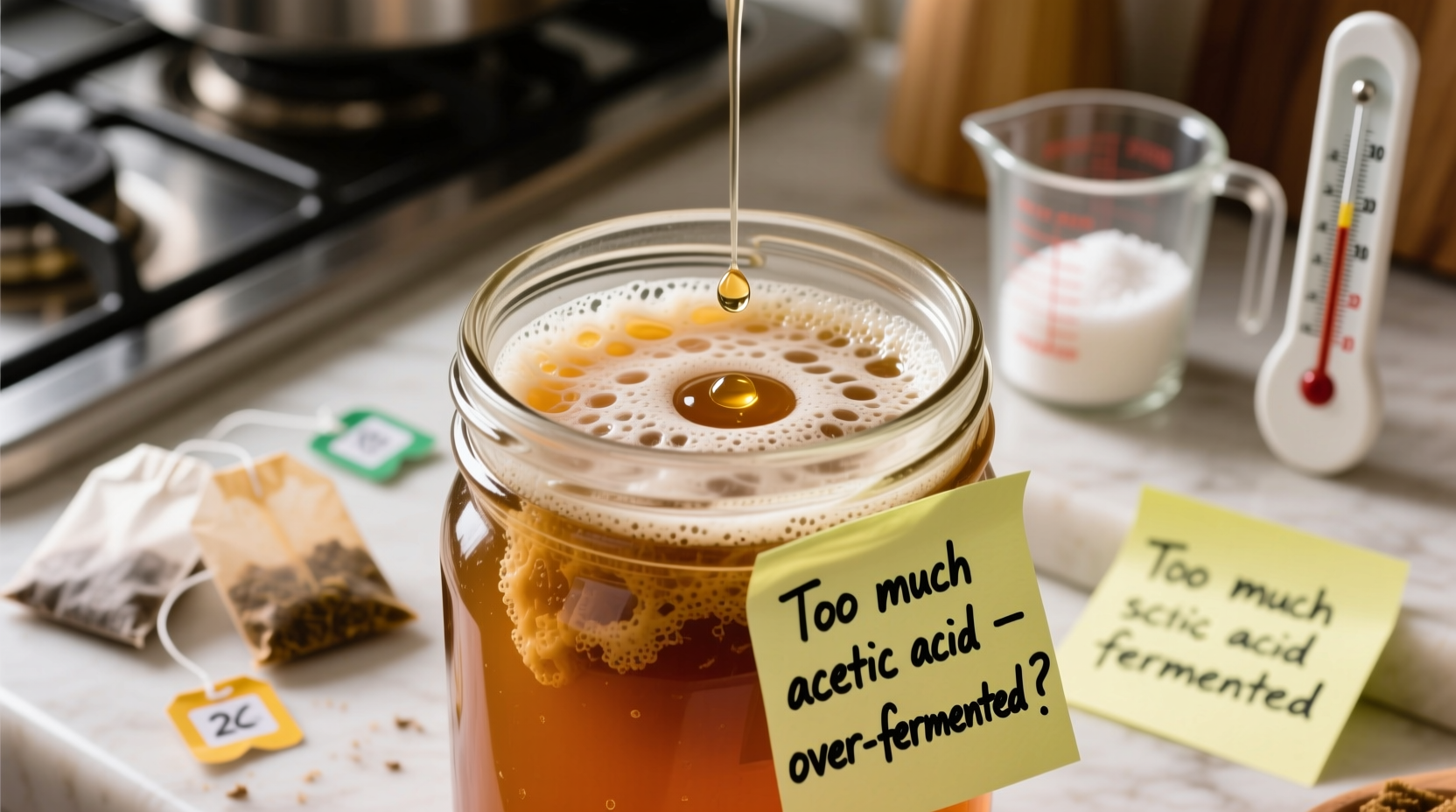
Kombucha is the product of a symbiotic fermentation process involving bacteria and yeast (SCOBY). During fermentation, yeasts break down sugars into alcohol, which bacteria—primarily Acetobacter species—then convert into acetic acid. This is the same compound that gives apple cider vinegar its distinct bite. In balanced fermentation, acetic acid exists alongside other organic acids like gluconic and lactic acid, contributing complexity without overwhelming the palate.
When kombucha tastes strongly like vinegar, it means acetic acid has become dominant. This typically occurs during prolonged fermentation, especially if the brewing environment is warm. The longer kombucha ferments, the more sugar gets consumed, alcohol increases slightly, and acetic acid accumulates. While small amounts enhance flavor and preserve the drink, excessive levels shift the taste profile from pleasantly tart to aggressively sour.
“Fermentation is a living process—it responds to time, temperature, and ingredients. What we perceive as 'vinegar' is often just nature running its course.” — Dr. Lena Patel, Microbial Fermentation Scientist
Temperature plays a crucial role. Warmer environments accelerate microbial activity. At 75–85°F (24–29°C), fermentation progresses quickly; beyond that, it can spiral out of balance. Conversely, cooler temperatures slow the process but don’t stop it entirely. Many beginners leave their jars fermenting for “a week or two” without monitoring pH or taste, only to return to a batch indistinguishable from vinegar.
How to Fix an Over-Fermented Kombucha Batch
An overly acidic batch isn’t a lost cause. With a few adjustments, you can either rebalance the flavor or repurpose it entirely.
Dilution and Sweetening
The simplest way to make a vinegary batch drinkable again is dilution. Mix equal parts over-fermented kombucha with still or sparkling water. Then, add natural sweeteners like honey, maple syrup, fruit juice, or stevia to counteract the acidity. For example:
- Combine ½ cup sour kombucha with ½ cup cold tea or water.
- Add 1–2 tablespoons of pineapple or mango juice for tropical notes.
- Chill and serve over ice with fresh herbs like mint or basil.
This method transforms harshness into a complex, layered beverage while preserving beneficial acids and probiotics.
Second Fermentation Rescue
You can also attempt a corrective second fermentation by adding fresh sweet tea to the batch. Use a ratio of 1 part sweetened tea (cooled) to 3 parts over-fermented kombucha. Introduce a healthy SCOBY or some starter liquid and let it ferment for 2–4 days. The fresh sugar feeds remaining yeast, producing CO₂ and mild alcohol, which helps restore balance. Be cautious: extended time may deepen sourness further.
Blending with Fresh Brew
Mixing your over-fermented batch with a newer, sweeter kombucha is another effective strategy. Start with a 1:3 ratio (sour:sweet) and adjust to taste. This approach preserves the depth of mature fermentation while softening the edge—a technique used commercially to create “raw” or “mature” kombucha blends.
Preventing Future Vinegar-Like Batches: Best Practices
Consistency in brewing leads to predictable results. Follow these guidelines to avoid repeating the vinegar issue.
Monitor Fermentation Time Closely
Primary fermentation usually takes 7–14 days, depending on conditions. Begin tasting daily starting on day 7. Ideal kombucha should retain a hint of sweetness, have moderate tartness, and effervescence. If it’s already sour on day 6, your setup is likely too warm.
Control Temperature
Maintain a stable brewing temperature between 68–78°F (20–26°C). Avoid placing jars near ovens, radiators, or sunlit windows. In colder climates, consider using a fermentation heater wrap set to 75°F. Consistent warmth prevents stalls and erratic fermentation spikes.
Use the Right Sugar-to-Tea Ratio
Too little sugar starves the SCOBY, forcing it to produce excess acid prematurely. Stick to standard ratios: 1 cup (200g) white sugar per gallon (3.8L) of water and 8–10 tea bags (black, green, or a blend). Herbal teas or low-tannin options can weaken fermentation and encourage off-flavors.
| Fermentation Factor | Ideal Range | What to Avoid |
|---|---|---|
| Time | 7–10 days | Exceeding 14 days without testing |
| Temperature | 68–78°F (20–26°C) | Fluctuations above 80°F or below 65°F |
| pH Level | 2.5–3.5 | pH below 2.5 (too acidic) or above 4.0 (unsafe) |
| Sugar Concentration | 5–7% initial sucrose | Reduced sugar or artificial sweeteners |
Measure pH Regularly
Using pH strips or a digital meter adds precision to your brewing. At day 1, freshly brewed sweet tea has a pH around 5.5. As fermentation progresses, it drops rapidly. By day 7, aim for pH 3.0–3.5. Below 2.5 indicates high acidity; above 4.0 risks contamination. Tracking pH helps you correlate taste with science, improving judgment over time.
Repurposing Vinegar-Strong Kombucha: Creative Uses
Rather than discarding a sour batch, put it to work. Because it contains acetic acid, live cultures, and residual antioxidants, over-fermented kombucha functions similarly to raw apple cider vinegar—with added benefits.
Natural Cleaning Solution
Mix equal parts strong kombucha and water in a spray bottle. Add 10–15 drops of essential oil (e.g., tea tree, lemon, or eucalyptus) for scent and antimicrobial boost. Use on countertops, sinks, or bathroom surfaces. Its acidity cuts through grime and inhibits mold, all without harsh chemicals.
Salad Dressings and Marinades
Replace vinegar in dressings with kombucha for extra depth. Try this simple vinaigrette:
- ¼ cup vinegary kombucha
- ¾ cup olive oil
- 1 tsp Dijon mustard
- 1 minced garlic clove
- Salt and pepper to taste
Whisk together and toss with greens. It also makes an excellent meat or tofu marinade, tenderizing while infusing flavor.
Beauty and Skincare Applications
Diluted kombucha (1:1 with distilled water) serves as a clarifying hair rinse or facial toner. Acids help remove buildup, balance skin pH, and tighten pores. Apply with a cotton pad after cleansing. Some users report improved clarity for acne-prone skin, though patch testing is advised.
“I started using failed batches as toner, and my skin cleared up within weeks. It’s gentle but effective—plus zero waste.” — Sarah Lin, Home Brewer & Wellness Blogger
Step-by-Step Guide to Salvaging and Improving Your Brew
Follow this timeline to rescue a current batch and refine your next one:
- Day 1–7: Begin primary fermentation. Keep jar covered with breathable cloth, secured with a rubber band. Store in a dark, temperate spot.
- Day 5 Onward: Start tasting every 48 hours. Look for balance—slightly sweet, mildly tart.
- Day 7–10: Check pH. If below 3.0 and very sour, fermentation is complete—or overdone.
- If Too Sour: Bottle half for dilution use; reserve 20% as starter for next batch. Discard or repurpose remainder.
- Next Batch: Reduce fermentation time by 2–3 days or lower ambient temperature slightly.
- Second Fermentation: Add fruit, ginger, or juice to sweeten naturally and build carbonation safely.
FAQ: Common Questions About Vinegary Kombucha
Is kombucha that tastes like vinegar safe to drink?
Yes. High acidity actually makes it safer, as pathogens struggle to survive below pH 4.0. While unpleasantly sour, it's non-toxic and rich in acetic acid and probiotics. Dilute it if too intense.
Can I still use a vinegary batch as starter tea for my next ferment?
Absolutely. In fact, it’s ideal. Use 10–15% of the over-fermented liquid as starter to inoculate your next batch. Its low pH creates a hostile environment for contaminants and jumpstarts fermentation.
Why did only one of my jars turn out vinegary when others are fine?
Inconsistencies in temperature, light exposure, or airflow can affect individual jars. Even placement—near a drafty window or heat vent—can create microclimates. Always group jars together under uniform conditions.
Conclusion: Turn Mistakes Into Mastery
A kombucha batch that tastes like vinegar isn’t a failure—it’s feedback. It tells you about your environment, timing, and technique. Instead of frustration, view it as part of the learning curve inherent in fermentation arts. With careful observation, minor adjustments, and creative reuse, you’ll gain confidence and control over your brews.
Every experienced home fermenter has poured (or sipped) their share of kombucha vinegar. What separates novice from pro isn’t perfection—it’s persistence and adaptability. So keep brewing, keep tasting, and embrace the sour moments. They’re stepping stones to better bubbles.




 浙公网安备
33010002000092号
浙公网安备
33010002000092号 浙B2-20120091-4
Comments
No comments yet. Why don't you start the discussion?