
There’s nothing more disappointing than pulling clean clothes from the dryer, only to be greeted by a musty odor or no scent at all. You followed the instructions—measured the detergent, selected the right cycle, even added fabric softener—yet your laundry still lacks that crisp, fresh-from-the-line aroma. The truth is, freshness isn’t just about using detergent; it’s about understanding how washing machines work, how fabrics respond, and which widely believed cleaning myths might actually be making things worse.
The root of stale-smelling laundry often lies not in laziness or poor habits, but in misconceptions about detergents, overuse of products, and overlooked maintenance issues. By addressing both the science of odor control and the persistent myths clouding consumer choices, you can reclaim truly fresh laundry—without unnecessary expense or effort.
Why Your Laundry Doesn’t Smell Fresh (Even When It’s Clean)
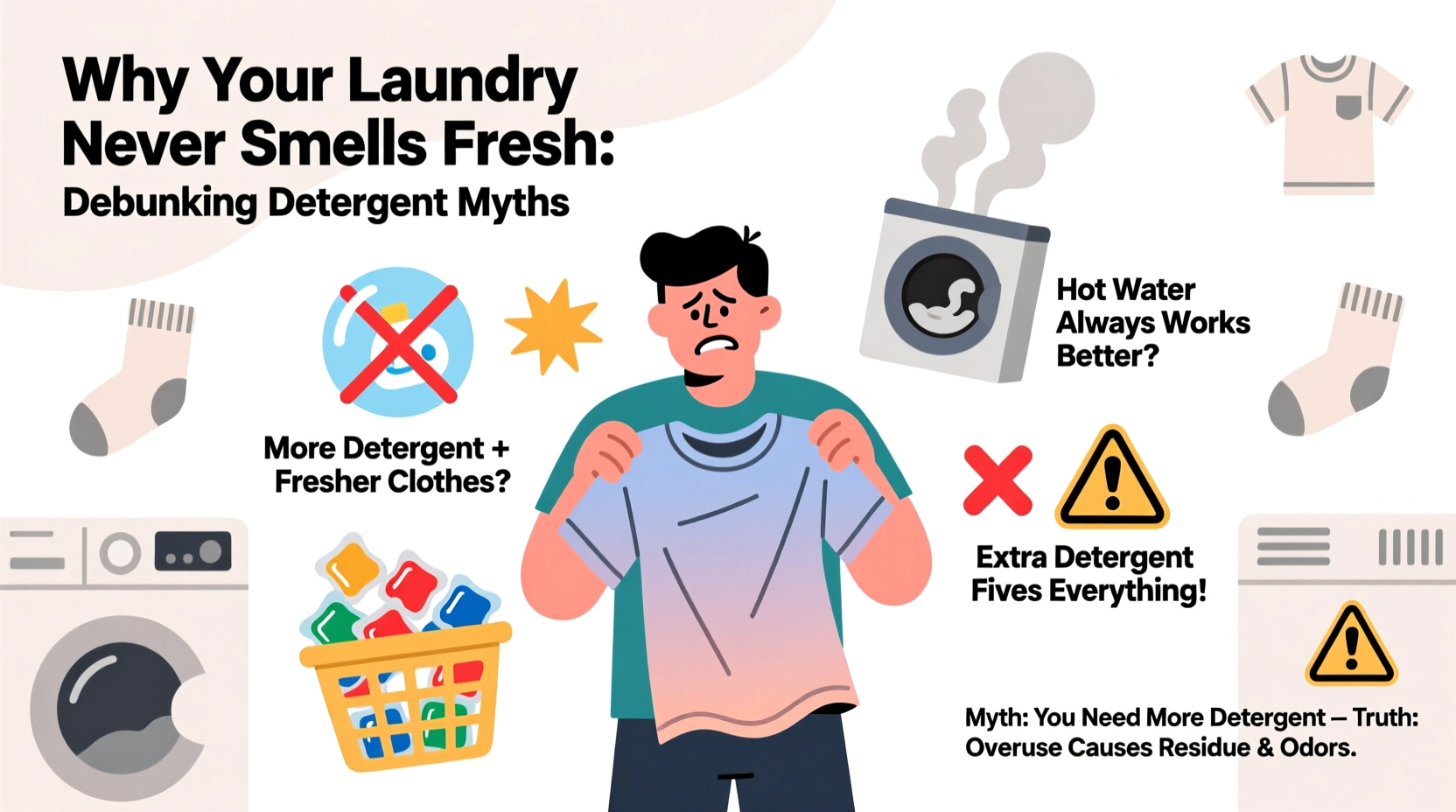
Clean doesn’t always mean fresh. Many people assume that if clothes come out visually clean and free of stains, they should also smell pleasant. But odor is a separate issue governed by bacteria, moisture retention, and chemical residue.
Here’s what typically goes wrong:
- Bacteria and mildew buildup: Damp environments—like the rubber gasket on front-loading washers or trapped water in fabric fibers—create ideal breeding grounds for odor-causing microbes.
- Detergent residue: Overuse of detergent leaves behind sticky film that traps sweat, oils, and dirt, leading to sour smells over time.
- Ventilation issues: Removing wet clothes too slowly or storing them in humid closets allows odors to redevelop post-wash.
- Washing machine contamination: Machines themselves can become dirty, especially high-efficiency models that use less water and don’t fully rinse away grime.
A study by the University of Arizona found that 60% of household washing machines contained coliform bacteria, with some harboring strains linked to gastrointestinal illness. While this doesn’t mean your clothes are dangerous, it underscores how easily microbial growth compromises freshness.
Common Detergent Myths That Sabotage Freshness
Marketing claims and outdated advice have led many consumers to adopt practices that hurt rather than help. Below are five pervasive myths—and the facts that debunk them.
Myth 1: More Detergent = Cleaner, Fresher Clothes
Reality: Excess detergent doesn’t improve cleaning—it hinders it. Modern machines, especially HE (high-efficiency) models, use less water. Too much soap won’t fully rinse out, leaving residues that trap odors and dull fabrics. The American Cleaning Institute recommends just one tablespoon of liquid detergent for a full load in most cases.
Myth 2: Scented Detergents Guarantee Long-Lasting Freshness
Reality: Heavy perfumes mask odors temporarily but don’t eliminate the source. Worse, synthetic fragrances can irritate sensitive skin and degrade into allergens over time. A truly fresh load comes from cleanliness, not perfume overload.
Myth 3: Bleach Is Always Best for Whitening and Deodorizing
Reality: Chlorine bleach kills germs and brightens whites, but it degrades cotton fibers and reacts poorly with ammonia-based soils (like sweat), sometimes creating foul-smelling compounds. For routine freshness, oxygen-based bleach (sodium percarbonate) is gentler and more effective long-term.
Myth 4: Natural or “Eco” Detergents Are Less Effective
Reality: While some plant-based detergents struggle with heavy grease, many modern eco-formulas perform as well as conventional brands—especially when used correctly. Their advantage? Fewer residues and biodegradable ingredients that don’t linger in fabrics or pollute drains.
Myth 5: Fabric Softeners Make Clothes Smell Better
Reality: Softeners coat fibers with silicone or stearic acid, reducing static and adding scent. However, these coatings reduce absorbency (a problem for towels) and trap body oils, eventually contributing to rancid smells. Experts increasingly recommend skipping them altogether.
“Fragrance is not freshness. If your clothes need constant masking, there’s likely an underlying hygiene or mechanical issue.” — Dr. Lena Peterson, Textile Microbiologist, Cleveland Institute of Home Science
Step-by-Step Guide to Truly Fresh Laundry
Forget guesswork. Follow this proven sequence to ensure every load emerges smelling clean and stays that way.
- Sort by soil level and fabric type: Heavily soiled workout clothes need different treatment than lightly worn shirts. Separate synthetics, which trap odors more easily, from natural fibers.
- Pre-treat strong odors: Soak gym clothes or baby items in a mix of cold water and one cup of baking soda for 30 minutes before washing.
- Use the correct detergent amount: Check your machine type and load size. For HE top-loaders, use half the cap. For standard machines, stick to manufacturer guidelines.
- Choose water temperature wisely: Hot water (130°F+) kills bacteria but damages elastic and fades colors. Use warm for mixed loads, cold for darks and delicates. Reserve hot for towels and bedding.
- Add an odor-neutralizing booster: Include ½ cup of oxygen bleach or ¼ cup of white vinegar in the rinse cycle. Avoid mixing vinegar with chlorine bleach.
- Remove clothes immediately: Leaving damp laundry in the drum for more than 30 minutes invites mildew. Transfer to the dryer or hang within 10–15 minutes after the cycle ends.
- Dry thoroughly and ventilate: Ensure clothes are fully dry before folding. Sun-drying adds natural disinfection and a crisp outdoor scent unmatched by any detergent.
Do’s and Don’ts: Laundry Freshness Checklist
Keep this checklist handy near your laundry area to avoid common pitfalls.
| Do | Don’t |
|---|---|
| Run a monthly maintenance wash for your machine | Ignore the rubber seal on front-load washers—wipe it weekly |
| Use cold water for daily loads to save energy and preserve fibers | Overload the washer—leave space for clothes to move freely |
| Store detergent in a cool, dry place away from humidity | Keep detergent in the bathroom where steam degrades powder |
| Air out clothes between wears instead of re-washing | Wash lightly worn items after one use—this wastes resources and wears fabrics down |
| Inspect underarms and collars before washing—treat stains early | Let stained clothes sit in a hamper for days; heat and moisture set odors permanently |
Real Example: How Sarah Fixed Her Musty Towels
Sarah, a mother of two in Portland, noticed her bath towels had developed a persistent sour smell despite weekly washing. She used a popular scented detergent and added fabric softener sheets every time. Frustrated, she tried doubling the detergent dose—only for the odor to worsen.
After consulting a local appliance technician, she learned her front-loader hadn’t been cleaned in over a year. Mold was growing in the door gasket and drain pump. She began running monthly hot cycles with a cup of vinegar and switched to a low-suds, fragrance-free HE detergent. She stopped using fabric softener and started hanging towels to dry completely between uses.
Within three weeks, the musty smell disappeared. “I realized I was fighting symptoms, not the cause,” she said. “Now my towels feel softer and smell cleaner—with fewer products, not more.”
FAQ: Common Questions About Laundry Freshness
Why do my clothes smell bad after drying?
If clothes emerge from the dryer with a damp or sour odor, it usually means they weren’t fully dry. This happens when the load is too large, the dryer vent is clogged, or the moisture sensor is dirty. Reset the cycle and dry again on high heat. Also, check that the lint filter is cleaned after every use.
Can I use essential oils directly in the wash?
No—adding undiluted essential oils directly to the drum or detergent dispenser can damage machine parts and leave oily spots on clothes. Instead, dilute 5–10 drops in a cup of water and add during the rinse cycle, or use wool dryer balls infused with oils.
Are “free and clear” detergents really better for freshness?
They’re better for avoiding irritation and residue buildup, yes. Without dyes and heavy fragrances, they clean more purely and reduce the risk of lingering chemical smells. However, they won’t solve odor problems caused by poor washing habits or machine maintenance.
Conclusion: Fresh Laundry Starts With Knowledge, Not Products
Fresh-smelling laundry isn’t a luxury reserved for those with expensive detergents or new appliances. It’s the result of smart habits, proper machine care, and letting go of misleading marketing myths. The biggest shift you can make isn’t buying a new product—it’s rethinking your routine.
Start small: clean your washing machine this week. Measure your next detergent dose instead of eyeballing it. Hang one load outside. These simple changes compound into lasting results. Once you break free from the myth that more chemicals equal better cleaning, you’ll find that true freshness is quieter, subtler, and far more sustainable.




 浙公网安备
33010002000092号
浙公网安备
33010002000092号 浙B2-20120091-4
Comments
No comments yet. Why don't you start the discussion?