
There’s nothing worse than pulling freshly washed clothes from the machine only to be greeted by a sour, musty odor. It defeats the entire purpose of laundering. You’ve added detergent, set the cycle, and waited patiently—only to find your clothes smelling worse than before. This issue is more common than you think, and it’s not always due to dirty habits or poor washing technique. The root causes often lie in hidden moisture, bacterial growth, or incorrect use of detergents and machines. The good news? Most sour-smelling laundry problems are fixable with simple, science-backed solutions.
Understanding the Science Behind Sour Laundry Smell
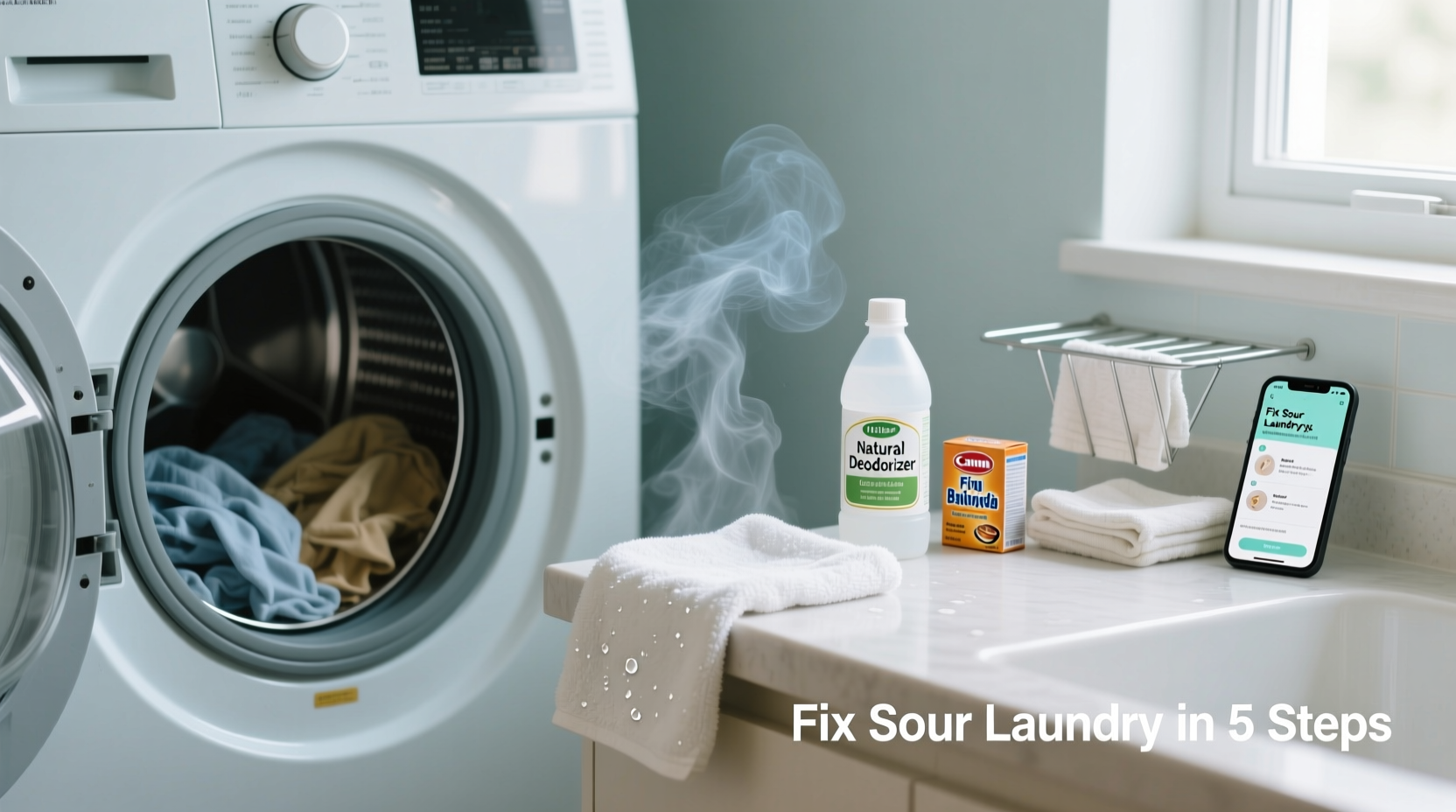
The sour or musty odor in clean laundry isn’t usually caused by dirt on the fabric itself—it’s typically the result of microbial activity. Bacteria and mold thrive in damp, warm environments, and your washing machine, laundry basket, or even improperly dried clothes can become breeding grounds. When organic residues like sweat, body oils, or leftover detergent interact with moisture, they create an ideal environment for bacteria such as *Micrococcus* and *Corynebacterium* to grow. These microbes break down proteins and fats in bodily secretions, producing volatile organic compounds (VOCs) that emit foul odors—often described as sour, vinegary, or mildew-like.
This problem is especially common in high-efficiency (HE) washing machines, which use less water. While water-efficient, these machines don’t always rinse away all detergent and soil, leaving behind residue that clings to fabrics and machine components. Over time, this buildup fosters bacterial colonies that transfer odors to your clothes.
“Sour smells in laundry are rarely about cleanliness—they’re about moisture control and microbial management.” — Dr. Lena Peterson, Microbiologist & Textile Hygiene Researcher
Common Causes of Post-Wash Sour Odors
Before applying fixes, it’s essential to identify what’s causing the problem. Here are the most frequent culprits:
- Leaving wet laundry in the washer too long: Even 1–2 hours can allow bacteria to multiply rapidly.
- Using too much detergent: Excess soap doesn’t rinse out completely, trapping moisture and feeding microbes.
- Mold in the washing machine drum or gasket: Front-loaders are particularly prone to mold in rubber seals.
- Overloading the machine: Clothes don’t move freely, leading to incomplete cleaning and rinsing.
- Drying clothes indoors without proper ventilation: Dampness lingers, promoting mildew.
- Low wash temperatures: Cold water saves energy but doesn’t kill bacteria effectively.
- Poor-quality or expired detergent: Ineffective cleaning leaves organic matter behind.
Step-by-Step Guide to Eliminate Sour Smells
Fixing sour laundry isn’t just about masking odors with perfume—it’s about breaking the cycle of bacterial growth. Follow this proven sequence to restore freshness:
- Run a cleaning cycle on your washing machine. Use 2 cups of white vinegar or ½ cup of bleach (not together) on the hottest setting. Skip detergent. This removes biofilm and kills mold in hoses, drum, and dispensers.
- Clean the door seal and detergent drawer. Wipe down rubber gaskets with a vinegar-soaked cloth. Remove drawers and scrub with warm, soapy water.
- Wash affected clothes again—with additives. Rewash smelly items using hot water (if fabric allows), ½ cup baking soda, and 1 cup white vinegar in the softener dispenser. Avoid regular detergent this round.
- Switch to high-quality, HE-compatible detergent. Measure precisely—more isn’t better. Consider switching to a detergent with enzymes for better breakdown of organic soils. <5> Dry clothes thoroughly and quickly. Use a dryer on medium heat or hang outside in direct sunlight. UV rays naturally disinfect fabrics.
- Inspect storage areas. Ensure closets and drawers are dry and well-ventilated. Avoid plastic bins that trap moisture.
When to Use Bleach vs. Vinegar
Both are effective but serve different purposes. Here's how to choose:
| Agent | Best For | Limitations |
|---|---|---|
| Vinegar (white) | Removing detergent buildup, softening fabrics, killing mild bacteria and mold | Not effective against tough spores; may leave faint odor (washes out) |
| Bleach (chlorine) | Killing strong bacteria, sanitizing whites, eliminating stubborn odors | Can damage colors and elastic fibers; not safe for wool or silk |
| Oxygen bleach (e.g., OxiClean) | Color-safe deep cleaning, breaking down organic stains and odors | Less effective on mold in machines; requires warm water to activate |
Real Example: How Sarah Fixed Her Family’s Constantly Smelly Towels
Sarah, a mother of three in Portland, Oregon, struggled for months with towels that smelled sour within hours of drying. She used the same routine: cold wash, her favorite lavender-scented detergent, and tumble-dried on low. Despite appearing clean, the towels had a persistent tangy smell.
After researching, she realized two issues: she was using double the recommended detergent (thinking “more scent = cleaner”), and she lived in a humid climate where indoor drying wasn’t sufficient. She also hadn’t cleaned her front-loading machine in over a year.
Her solution:
- Ran a hot bleach cycle on her washer.
- Reduced detergent to 1 capful per load.
- Added ½ cup baking soda to each towel wash.
- Started drying towels outside when possible, or increased dryer time to ensure full dryness.
Within two weeks, the sour smell disappeared. “I felt silly for overdoing the detergent,” she said. “But now I know—clean doesn’t mean scented. It means truly fresh.”
Prevention Checklist: Keep Your Laundry Fresh Long-Term
Once you’ve eliminated the odor, prevent it from returning with this daily and monthly checklist:
Daily Habits
- Remove laundry immediately after the cycle ends.
- Avoid overloading the machine.
- Use the correct amount of HE detergent.
- Hang damp clothes or towels promptly after use.
Weekly Actions
- Wipe down the washing machine door seal with a dry cloth.
- Leave the washer door open between uses to air out.
- Empty and ventilate laundry baskets.
Monthly Maintenance
- Run a hot cleaning cycle with vinegar or bleach.
- Remove and clean the detergent drawer.
- Check hoses for leaks or mold.
- Wash removable laundry bags and mesh delicates.
Frequently Asked Questions
Can I use fabric softener if my clothes smell sour?
No—avoid fabric softeners when dealing with sour odors. They coat fibers with waxy residues that trap moisture and bacteria. Instead, use white vinegar in the rinse cycle as a natural softener and deodorizer.
Why do my clothes smell fine when dry but turn sour when I wear them?
This often happens when residual bacteria remain in synthetic fabrics (like polyester gym clothes). These materials trap sweat and don’t release odors until warmed by body heat. To fix, wash workout clothes with an enzyme-based detergent and add vinegar to eliminate lingering microbes.
Is it safe to wash baby clothes in a machine that previously had mold?
Yes, once the machine has been thoroughly cleaned. Run two consecutive hot cycles with bleach, then wash baby items with hypoallergenic detergent. Air-dry in sunlight when possible for extra sanitation.
Expert-Backed Tips for Odor-Free Laundry
Leading textile care specialists emphasize prevention and precision. Here are their top recommendations:
- Measure detergent carefully. Most households use 2–3 times more than needed. Follow the bottle instructions based on load size and soil level.
- Use hot water occasionally. Even if most of your clothes are washed in cold, run a hot cycle monthly for towels, sheets, and underwear to sanitize.
- Choose breathable storage. Cotton-lined drawers or open shelves allow airflow. Avoid sealed plastic containers for folded clothes.
- Don’t ignore the machine’s filter. Some models have a lint or drain filter that collects gunk. Check your manual and clean it every few months.
“Odor prevention starts with understanding your environment. Humidity, water hardness, and fabric type all influence how laundry behaves.” — James Lin, Appliance Engineer at EcoWash Labs
Conclusion: Fresh Laundry Is Within Reach
Sour-smelling laundry doesn’t mean you’re doing anything fundamentally wrong—it’s usually a small oversight in routine or maintenance. Whether it’s leaving clothes in the drum too long, using too much detergent, or neglecting your machine’s hygiene, the fixes are straightforward and inexpensive. By understanding the role of moisture, bacteria, and proper washing techniques, you can consistently achieve truly fresh results.
Start today: clean your machine, adjust your detergent use, and dry clothes completely. Small changes lead to big improvements. Don’t settle for “clean-looking” laundry—demand genuinely fresh-smelling clothes. Your nose—and everyone around you—will thank you.




 浙公网安备
33010002000092号
浙公网安备
33010002000092号 浙B2-20120091-4
Comments
No comments yet. Why don't you start the discussion?