
There’s nothing more frustrating than pulling freshly washed clothes from the machine only to be greeted by a lingering musty odor. You followed the instructions—measured detergent, selected the right cycle, used warm water—but the problem persists. While many assume the issue lies with fabric type or insufficient drying, the real culprit is often the washing machine itself. Over time, moisture, detergent buildup, and microbial growth create an environment where odors thrive. Understanding the root causes within your appliance can save you time, protect your clothing, and restore freshness to your laundry routine.
How Washing Machines Contribute to Musty Smells
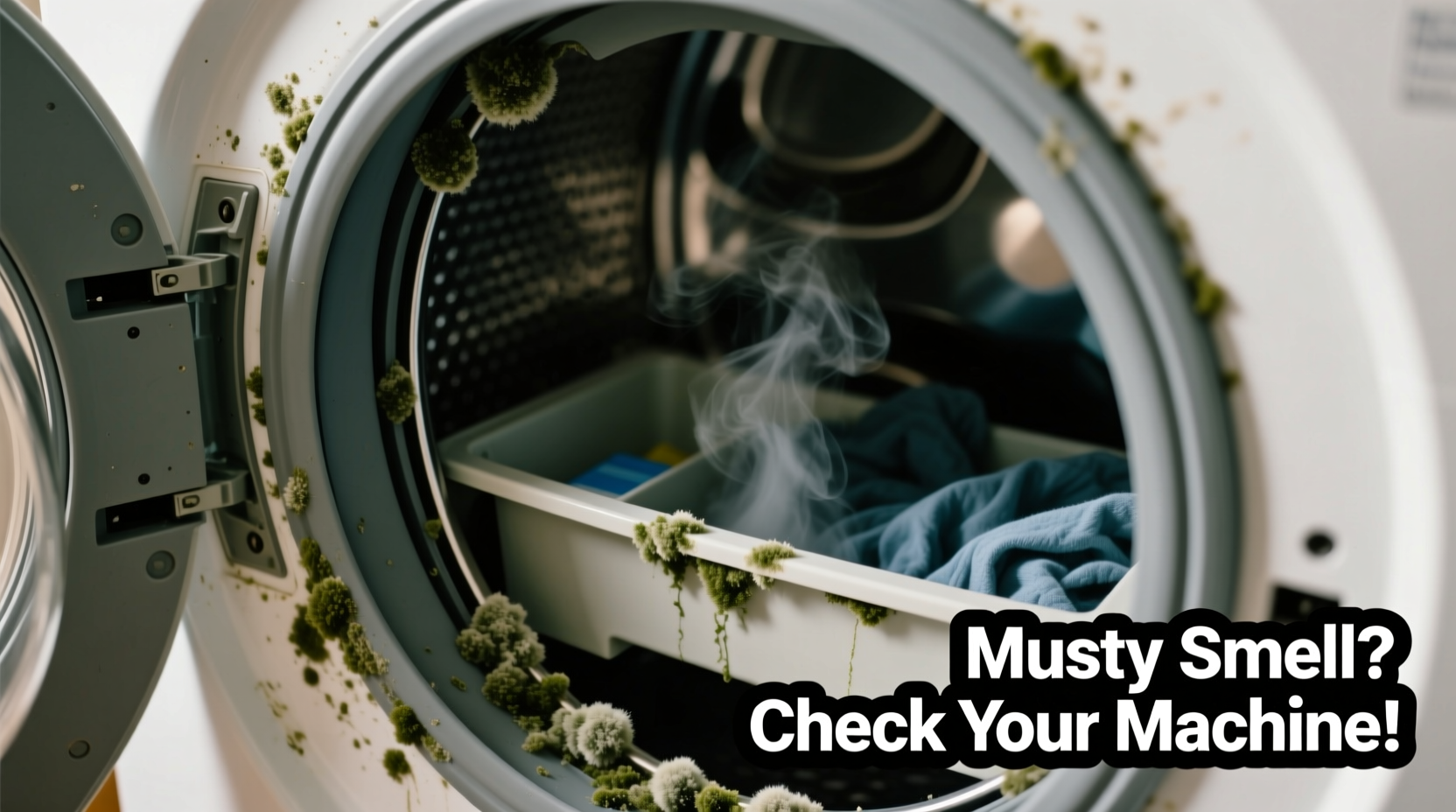
Modern front-loading and high-efficiency (HE) washing machines are designed for water and energy efficiency, but these same features make them prone to trapping moisture. Unlike older top-loaders that fully drain and dry between cycles, many newer models retain small amounts of water in seals, hoses, and dispensers. This dampness fosters mold, mildew, and bacteria—especially in rubber gaskets around front-load doors and in detergent drawers.
A study by the University of Arizona found that 60% of household washing machines tested harbored significant microbial contamination, including fungi like *Aspergillus* and bacteria such as *E. coli*. These organisms break down organic residues (sweat, skin cells, leftover soap) and emit volatile organic compounds (VOCs), which produce musty, sour, or even rotten egg-like odors.
“Washing machines are not self-cleaning. Without regular maintenance, they become breeding grounds for odor-causing microbes.” — Dr. Philip Tierno, Clinical Professor of Microbiology and Pathology, NYU School of Medicine
Common Machine Issues That Cause Lingering Odors
Several mechanical and operational flaws in washing machines contribute directly to persistent musty smells. Identifying these early can prevent long-term damage and improve hygiene.
1. Mold and Mildew in Door Seals (Front-Loaders)
The rubber gasket on front-loading washers traps water after each cycle. If not wiped dry, it becomes a dark, moist haven for mold. Black specks along the seal are a telltale sign.
2. Clogged Detergent Dispensers and Drain Pumps
Residue from liquid detergents, fabric softeners, and powders accumulates in dispensers and pump filters. This sludge decomposes over time, emitting foul odors that transfer to clothing.
3. Poor Drainage Due to Blocked Hoses
If the drain hose is kinked or clogged, wastewater doesn’t fully evacuate. Stagnant water breeds bacteria and contaminates subsequent loads.
4. Biofilm Buildup in Internal Components
Biofilm—a slimy layer of microorganisms—forms inside drum walls, hoses, and sump pumps. It resists regular cleaning and continuously releases odor particles during washes.
5. Overuse of Detergent or Fabric Softener
Excess detergent doesn’t fully rinse out, especially in HE machines. Leftover surfactants trap dirt and moisture, creating a sticky residue ideal for microbial growth.
Step-by-Step Guide to Diagnose and Fix Your Machine
Follow this comprehensive process to identify and eliminate the source of musty odors in your washing machine. Perform these steps monthly for ongoing maintenance.
- Inspect the Door Gasket (Front-Loaders): Open the door and examine the rubber seal. Look for black spots, slimy texture, or foul smell. Wipe it thoroughly with a microfiber cloth dipped in vinegar or bleach solution (1:1 ratio).
- Clean the Detergent Drawer: Remove the dispenser tray. Soak it in hot water and white vinegar for 30 minutes. Scrub crevices with an old toothbrush to remove buildup.
- Run a Cleaning Cycle: Place 1 cup of distilled white vinegar or ½ cup of bleach in the drum. Run the hottest, longest cycle available (typically “Clean Washer” or “Tub Clean”). Do not add clothes.
- Check the Drain Pump Filter: Locate the filter (usually behind a small access panel at the front bottom). Place towels underneath, open slowly, and remove lint, coins, or debris. Clean with warm soapy water.
- Flush the Hoses: Disconnect inlet and outlet hoses if accessible. Flush with hot water to dislodge biofilm. Replace cracked or brittle hoses.
- Leave the Door Ajar: After every use, keep the washer door and detergent drawer slightly open to allow airflow and drying.
- Wipe Down Surfaces Weekly: Use a dry cloth to wipe the gasket, drum edges, and door glass to prevent moisture accumulation.
Do’s and Don’ts: Maintaining a Fresh Washing Machine
| Do’s | Don’ts |
|---|---|
| Use high-efficiency (HE) detergent in correct amounts | Overfill with detergent or fabric softener |
| Run a hot cleaning cycle monthly | Ignore visible mold or mildew |
| Remove wet clothes immediately after washing | Store laundry in the machine overnight |
| Leave the door and dispenser open between uses | Use scented products to mask odors instead of fixing the cause |
| Clean the lint filter and drain regularly | Wash heavily soiled items without pre-treating |
Real-Life Example: Sarah’s Front-Loader Turnaround
Sarah, a mother of two in Portland, Oregon, noticed her family’s clothes increasingly smelled damp despite using premium detergent and drying them in the sun. The odor was particularly strong in athletic wear and towels. She initially blamed hard water and switched to a different detergent, but the problem worsened.
After researching online, she inspected her front-loading machine’s rubber seal and discovered thick black mold beneath the folds. She cleaned the gasket, removed and soaked the detergent drawer, and ran three consecutive cleaning cycles using vinegar and baking soda. She also started leaving the door ajar after each use.
Within two weeks, the musty smell disappeared. Her towels regained their freshness, and her children’s sports uniforms no longer needed re-washing. Sarah now schedules a deep clean every month and keeps a small towel nearby to wipe the seal weekly.
Preventive Checklist for Long-Term Freshness
- ✅ Wipe the door gasket with a dry cloth after each wash
- ✅ Run a hot tub-clean cycle monthly
- ✅ Use only HE detergent measured to load size
- ✅ Avoid fabric softener pods—they leave waxy residue
- ✅ Remove laundry within 30 minutes of cycle completion
- ✅ Clean the drain pump filter every 1–2 months
- ✅ Replace worn hoses every 5 years
- ✅ Store detergent in a cool, dry place to prevent clumping
Frequently Asked Questions
Can I use bleach to clean my washing machine?
Yes, but with caution. Chlorine bleach effectively kills mold and bacteria in most machines. Use ½ cup in a hot cycle without clothes. However, never mix bleach with vinegar or ammonia—it creates toxic fumes. Also, avoid bleach in machines with stainless steel drums unless specified by the manufacturer, as it may cause pitting over time.
Is vinegar safe for all washing machines?
Distilled white vinegar is generally safe and effective for removing mineral deposits and killing mildew. However, some manufacturers, including Samsung, have warned that prolonged vinegar use may degrade rubber seals and hoses. To minimize risk, use vinegar no more than once a month and follow with a rinse cycle if concerned.
Why do my towels smell musty even after drying?
Towels are highly absorbent and can trap odor-causing bacteria in fibers if not washed properly. Overloading the machine, using too much detergent, or incomplete drying contributes to the issue. Wash towels in hot water with ½ cup of vinegar and no fabric softener. Ensure they are completely dry before folding—consider tumbling them on low heat for 10 extra minutes after the cycle ends.
Conclusion: Take Control of Your Laundry Hygiene
A musty smell in clean laundry isn’t just unpleasant—it’s a signal that your washing machine needs attention. Ignoring the issue leads to persistent odors, reduced appliance lifespan, and potential health concerns for sensitive individuals. By understanding how moisture and microbial buildup compromise cleanliness, you can take proactive steps to maintain a truly hygienic wash environment.
Regular maintenance—not just washing clothes, but caring for the machine itself—is essential. Implement a simple monthly cleaning routine, use the right products in the right amounts, and always ensure proper ventilation. These habits require minimal effort but deliver lasting results: fresh-smelling clothes, improved efficiency, and peace of mind knowing your laundry is genuinely clean.




 浙公网安备
33010002000092号
浙公网安备
33010002000092号 浙B2-20120091-4
Comments
No comments yet. Why don't you start the discussion?