
LED garlands have become a staple in modern holiday decor and ambient interior design. Their energy efficiency, long lifespan, and soft glow make them ideal for everything from Christmas trees to wedding backdrops. But when they start flickering—especially erratically—it can be more than just annoying; it can signal an underlying issue that, if left unaddressed, may lead to premature failure or even safety concerns.
Flickering isn’t normal behavior for quality LED lights. Unlike incandescent bulbs, which may dim or burn out gradually, LEDs are designed for consistent output. When flickering occurs, it’s usually due to electrical inconsistencies, component mismatches, or environmental factors. The good news? Most causes are diagnosable and fixable at home—with no need for professional help in the majority of cases.
Common Causes of LED Garland Flickering
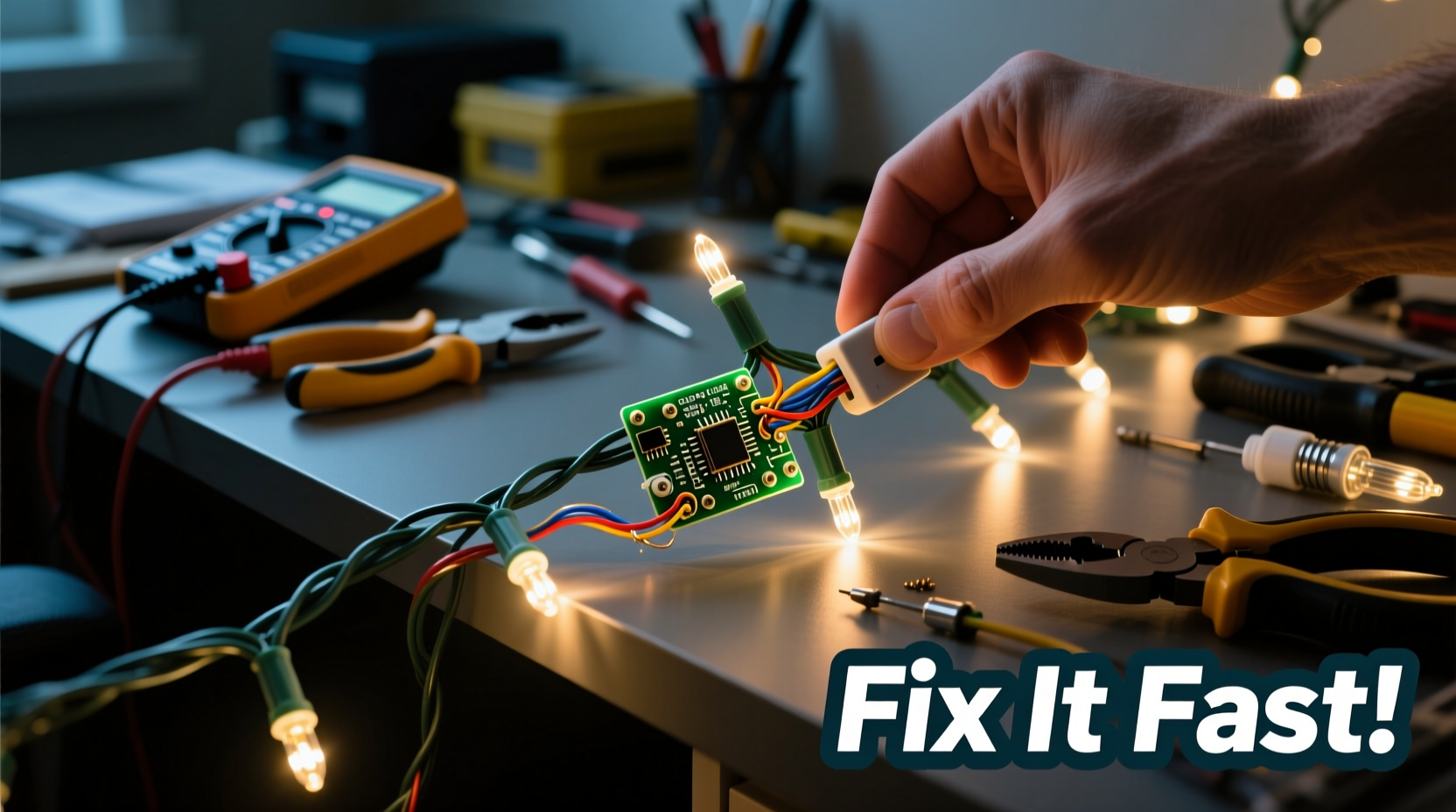
Before jumping into repairs, it's essential to understand what might be causing the flicker. Identifying the root cause saves time, prevents repeated issues, and ensures your solution is lasting.
- Voltage fluctuations: LEDs are sensitive to power supply changes. If your outlet delivers inconsistent voltage, especially on shared circuits with high-draw appliances, flickering is likely.
- Incompatible dimmer switches: Many homes use traditional dimmers designed for incandescent bulbs. These often don’t work well with low-wattage LEDs, leading to flickering or pulsing.
- Loose connections: Over time, plug contacts, wire junctions, or socket terminals can loosen, interrupting current flow.
- Low-quality or damaged power adapters: For plug-in LED garlands, especially those with USB or AC/DC transformers, a failing adapter can cause unstable power delivery.
- Overloaded circuits: Daisychaining multiple garlands beyond the manufacturer’s recommendation strains the circuit and leads to intermittent operation.
- Battery issues (for battery-operated sets): Weak, mismatched, or corroded batteries result in fluctuating voltage, directly affecting light stability.
- Ambient temperature: Extreme cold (e.g., outdoor use in winter) can temporarily affect LED performance and battery output.
Step-by-Step Guide to Diagnose and Fix Flickering Fast
Follow this logical sequence to identify and resolve the flicker efficiently. This process works for both indoor and outdoor LED garlands, whether powered by wall outlets or batteries.
- Unplug and inspect all connections. Check the plug, cord, and any connectors between garland segments. Look for fraying, kinks, or corrosion. Ensure each link clicks securely into place.
- Test the outlet. Plug in another device (like a lamp) to confirm the outlet is delivering stable power. Try a different outlet altogether to rule out circuit issues.
- Check the power source. If using a transformer or adapter, verify its output matches the garland’s requirements (usually listed on the label). Replace with a known-working unit if possible.
- Replace batteries (if applicable). Use fresh, same-brand, same-charge-level batteries. Remove old ones and clean the battery compartment with a dry cloth or cotton swab to remove corrosion.
- Disconnect additional strands. If daisy-chained, unplug all but one garland. If the single strand works fine, the issue is overload. Reconnect one at a time to find the limit.
- Inspect for visible damage. Run your fingers along the wire to feel for cuts or crushed sections. Pay special attention to areas near bends or where the garland was stored tightly.
- Test with a non-dimmer switch. If the garland is on a dimmer, bypass it temporarily by plugging directly into a standard outlet. If flickering stops, the dimmer is incompatible.
“Most flickering in LED strings comes down to either power supply instability or connection resistance. A multimeter test can reveal voltage drops, but even without tools, systematic elimination works.” — Carlos Mendez, Electrical Technician & Lighting Systems Specialist
Do’s and Don’ts: Quick Reference Table
| Do | Don’t |
|---|---|
| Use LED-compatible dimmers if dimming is needed | Use incandescent-only dimmers with LED garlands |
| Replace all batteries at once with matching type and charge level | Mix old and new batteries or different brands |
| Follow manufacturer’s daisy-chaining limits | Connect more garlands than recommended |
| Store garlands loosely coiled, away from heat and moisture | Crush or tightly wrap cords, risking internal wire breaks |
| Clean contact points with isopropyl alcohol if corroded | Use water or abrasive cleaners on electrical components |
Real Example: A Holiday Display Saved in Minutes
Sarah from Portland had a favorite 50-light LED garland she used every year on her mantel. Last December, it began flickering after 10 minutes of use. She assumed it was dead and almost threw it out. Instead, she tried a quick diagnostic: unplugged it, checked the outlet with a phone charger (which worked), then noticed the batteries were from the previous season.
She replaced them with new alkaline AA batteries—but still saw flickering. Then she remembered reading about mixed battery batches. Her set included two from a recent pack and one older battery. After replacing all three with fresh, identical units, the flickering stopped completely. The culprit? Voltage imbalance caused by uneven battery discharge.
This case highlights how simple oversights—like reusing partial battery sets—can mimic serious hardware failure. A few minutes of troubleshooting saved a beloved decoration and avoided unnecessary replacement costs.
When to Upgrade Your Setup
Some flickering issues stem from outdated infrastructure. If you frequently use LED decor and rely on legacy dimmers or aging power strips, consider upgrading to modern, compatible systems.
LED-specific dimmers, such as trailing-edge (ELV) models, provide smooth control without the buzzing or strobing common with older types. Similarly, smart plugs with surge protection and stable output—like those from reputable brands (e.g., TP-Link Kasa, Wemo)—offer reliable power management and remote control, reducing physical wear on switches.
For permanent installations, consider hardwiring a dedicated low-voltage circuit with a regulated DC power supply. While this requires more effort, it eliminates flicker caused by household voltage swings and supports longer runs of LED garlands without degradation.
Preventative Maintenance Checklist
To keep your LED garlands flicker-free year after year, follow this seasonal checklist:
- ✅ Inspect wires and connectors for damage before each use
- ✅ Clean battery terminals and plug contacts with a dry or alcohol-dampened cloth
- ✅ Test each garland individually on a known-good outlet
- ✅ Replace aging power adapters showing signs of overheating or frayed cables
- ✅ Store in a cool, dry place using a spool or loose coil to prevent wire stress
- ✅ Keep original packaging or labels for easy access to specs and warranty info
- ✅ Rotate usage among multiple sets to extend individual lifespan
Frequently Asked Questions
Can LED flickering be dangerous?
Occasional flickering due to loose connections or weak batteries is usually not dangerous, but persistent flickering—especially accompanied by heat, buzzing, or burning smells—can indicate electrical faults. In such cases, discontinue use immediately. Faulty transformers or short circuits pose fire risks, particularly with prolonged operation.
Why do my LED garlands flicker only when I turn on other appliances?
This typically points to circuit overload or voltage drop. Large appliances like refrigerators or space heaters draw significant power at startup, causing a temporary dip in line voltage. LEDs react instantly to these changes. To fix this, run your garlands on a separate circuit or use a voltage stabilizer.
Is it safe to cut or modify an LED garland?
No. Most LED garlands are designed as closed circuits. Cutting the wire disrupts the current path and can damage the entire string. Some specialty products are cut-to-length, but these are clearly labeled. Never modify standard garlands unless explicitly designed for it.
Final Thoughts: Act Now, Enjoy Steady Light Later
Flickering LED garlands are more than just a nuisance—they’re a signal. Whether it’s a dying battery, a worn-out adapter, or an incompatible dimmer, the fix is often simple and inexpensive. By understanding the causes and applying targeted solutions, you can restore reliable performance and extend the life of your decorative lighting.
Don’t wait for total failure. Address flickering early, maintain your sets properly, and invest in compatible accessories. With minimal effort, your LED garlands can deliver years of flawless ambiance—bright, steady, and stress-free.




 浙公网安备
33010002000092号
浙公网安备
33010002000092号 浙B2-20120091-4
Comments
No comments yet. Why don't you start the discussion?