
A sudden, repetitive flutter in your left eyelid can be more than just a minor annoyance—it can disrupt concentration, affect sleep, and raise concerns about underlying health issues. Known medically as *myokymia*, left eye twitching is usually harmless and temporary, but understanding its root causes is essential for managing or preventing recurrence. While most cases resolve on their own, persistent twitching may signal lifestyle imbalances or neurological conditions that warrant attention.
This article explores the science behind eyelid spasms, identifies key triggers, and provides practical strategies to regain control—both physically and mentally.
Understanding Left Eye Twitching: The Science Behind the Spasm
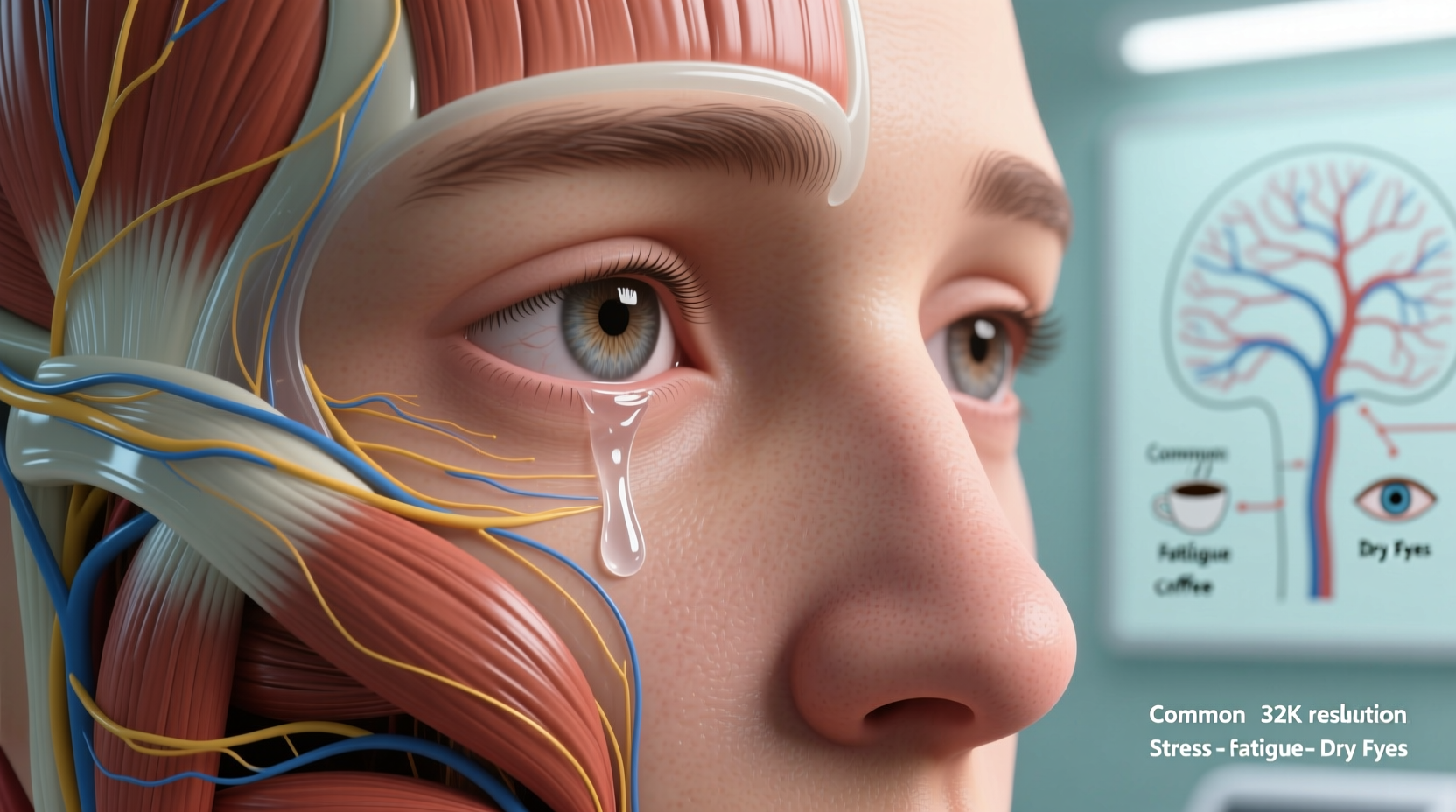
Myokymia refers to involuntary, localized contractions of small muscle bundles—in this case, the orbicularis oculi muscle around the eye. These twitches are typically brief, rhythmic, and painless. They occur due to misfiring signals from the facial nerve (cranial nerve VII), which controls facial muscles.
The left eye is no more prone to twitching than the right; however, because many people notice asymmetrical sensations more acutely, a twitch on one side often feels more pronounced. Most episodes last seconds to minutes and may recur over hours or days. In rare cases, chronic twitching could indicate conditions like benign essential blepharospasm or hemifacial spasm, which involve sustained muscle contractions and require medical evaluation.
“Minor eyelid twitching is almost always benign and tied to lifestyle factors like fatigue or caffeine. But if it spreads beyond the eye or persists for weeks, it’s time to consult a neurologist.” — Dr. Lena Torres, Neuro-ophthalmologist at Boston Vision Institute
Common Causes of Left Eye Twitching
While occasional twitching is normal, recurring episodes often stem from identifiable triggers. Recognizing these factors allows you to make targeted changes.
- Stress and Anxiety: Elevated cortisol levels increase neuromuscular excitability, making muscles more prone to spontaneous firing.
- Sleep Deprivation: Chronic lack of rest disrupts nervous system regulation, contributing to muscle instability.
- Caffeine Overload: High intake of coffee, energy drinks, or stimulant-rich foods can overexcite nerves.
- Dry Eyes or Eye Strain: Prolonged screen use reduces blink rate, leading to irritation and compensatory muscle activity.
- Nutrient Deficiencies: Low levels of magnesium, potassium, or vitamin B12 impair nerve-muscle communication.
- Allergies: Histamine release from allergic reactions can cause itching and twitching as mast cells activate nearby nerves.
- Alcohol and Tobacco Use: Both substances affect neurotransmitter balance and vascular tone in facial tissues.
When to Worry: Red Flags That Need Medical Attention
Most eye twitches are self-limiting and resolve within days. However, certain symptoms suggest a need for professional assessment:
| Symptom | Benign Myokymia | Potential Medical Concern |
|---|---|---|
| Duration | Seconds to a few days | Weeks or months |
| Spread of Movement | Localized to eyelid | Spreads to cheek, mouth, or entire face |
| Eyelid Closure | Mild flutter, remains open | Frequent forced closure (blepharospasm) |
| Associated Symptoms | None or mild fatigue | Drooping eyelid, double vision, facial weakness |
| Triggers | Caffeine, stress, screens | No clear trigger, occurs at rest |
If twitching leads to functional impairment—such as difficulty keeping the eye open—or is accompanied by redness, swelling, or discharge, see an ophthalmologist or neurologist promptly. Conditions like Bell’s palsy, multiple sclerosis, or Parkinson’s disease may present with facial twitching among other neurological signs.
Step-by-Step Guide to Stop Left Eye Twitching
For most people, relief comes from adjusting daily routines. Follow this timeline-based approach to reduce and eliminate twitching:
- Day 1–3: Identify and Eliminate Triggers
- Reduce caffeine intake (aim for under 200mg/day).
- Limit alcohol and avoid smoking.
- Take breaks from digital screens every 20 minutes (follow the 20-20-20 rule: look 20 feet away for 20 seconds).
- Day 4–7: Optimize Sleep and Hydration
- Establish a consistent bedtime (7–9 hours recommended).
- Drink at least 8 glasses of water daily to support electrolyte balance.
- Use a warm compress for 5 minutes twice a day to relax eye muscles.
- Day 8–14: Address Nutritional Gaps
- Incorporate magnesium-rich foods: spinach, almonds, avocados, bananas.
- Add B-complex vitamins through whole grains, eggs, or supplementation if deficient.
- Consider a blood test to check for deficiencies if twitching persists.
- Day 15+: Evaluate Progress and Seek Help if Needed
- If twitching continues beyond two weeks despite lifestyle changes, consult a healthcare provider.
- Discuss options like botulinum toxin (Botox) injections for severe blepharospasm.
Real-Life Example: Managing Stress-Induced Twitching
Sarah, a 34-year-old project manager, began experiencing persistent left eye twitching during a high-pressure product launch. Initially dismissing it as tiredness, she noticed the spasms worsened after late-night work sessions fueled by coffee and anxiety. After three weeks, the twitching became constant enough to distract her during meetings.
She started tracking her habits and discovered she was consuming four energy drinks daily and sleeping less than six hours. With guidance from her doctor, Sarah reduced caffeine, adopted a wind-down routine with herbal tea and meditation, and prioritized seven hours of sleep. Within ten days, the twitching stopped completely. Blood tests later revealed a mild magnesium deficiency, which she corrected with dietary changes.
Sarah’s experience highlights how interconnected lifestyle factors can amplify physical symptoms—and how targeted adjustments lead to measurable improvement.
Prevention Checklist: Keep Eye Twitching at Bay
Use this checklist weekly to maintain eye and nervous system health:
- ✅ Get 7–9 hours of quality sleep
- ✅ Limit caffeine to 1–2 servings per day
- ✅ Take screen breaks every 20 minutes
- ✅ Eat magnesium- and B-vitamin-rich foods
- ✅ Practice stress-reduction techniques (deep breathing, yoga, mindfulness)
- ✅ Use artificial tears if eyes feel dry
- ✅ Avoid rubbing your eyes, especially with allergens present
- ✅ Stay hydrated throughout the day
Frequently Asked Questions
Is left eye twitching a sign of a stroke?
No, isolated eyelid twitching is not a sign of stroke. Strokes typically present with sudden facial drooping, arm weakness, speech difficulties, or confusion—not just muscle spasms. However, if twitching is accompanied by other neurological symptoms, seek immediate medical evaluation.
Can dehydration cause eye twitching?
Yes. Dehydration affects electrolyte balance, particularly sodium, potassium, and magnesium, all of which are critical for proper nerve signaling. Even mild dehydration can trigger muscle irritability, including in the eyelid.
Why does my eye twitch only at night?
Nocturnal twitching may result from accumulated eye strain during the day, fatigue-induced nerve instability, or increased awareness when distractions are low. It can also be linked to sleep disorders like restless legs syndrome or periodic limb movements that affect overall neuromuscular regulation.
Conclusion: Take Control of Your Eye Health
Left eye twitching is rarely dangerous, but it serves as a subtle yet powerful signal from your body. Whether driven by stress, poor sleep, or nutritional gaps, these spasms reflect deeper imbalances that, if ignored, can escalate into chronic discomfort. By tuning into your body’s cues and making sustainable lifestyle adjustments, you can restore calm—not just to your eyelid, but to your overall well-being.




 浙公网安备
33010002000092号
浙公网安备
33010002000092号 浙B2-20120091-4
Comments
No comments yet. Why don't you start the discussion?