
Sitting for extended periods has become a norm in modern life—whether at a desk, in a car, or on the couch. But many people notice a familiar twinge: a dull or sharp ache in the lower back shortly after settling into a chair. While occasional discomfort might seem trivial, persistent lower back pain after sitting can signal deeper issues related to posture, muscle imbalance, or spinal mechanics. The good news is that most causes are preventable and reversible with practical adjustments and targeted movement.
This guide breaks down the common reasons behind post-sitting lower back pain, offers science-backed solutions, and provides easy-to-follow stretches and habits that can restore comfort and mobility—no gym membership or equipment required.
Why Lower Back Pain Happens After Sitting
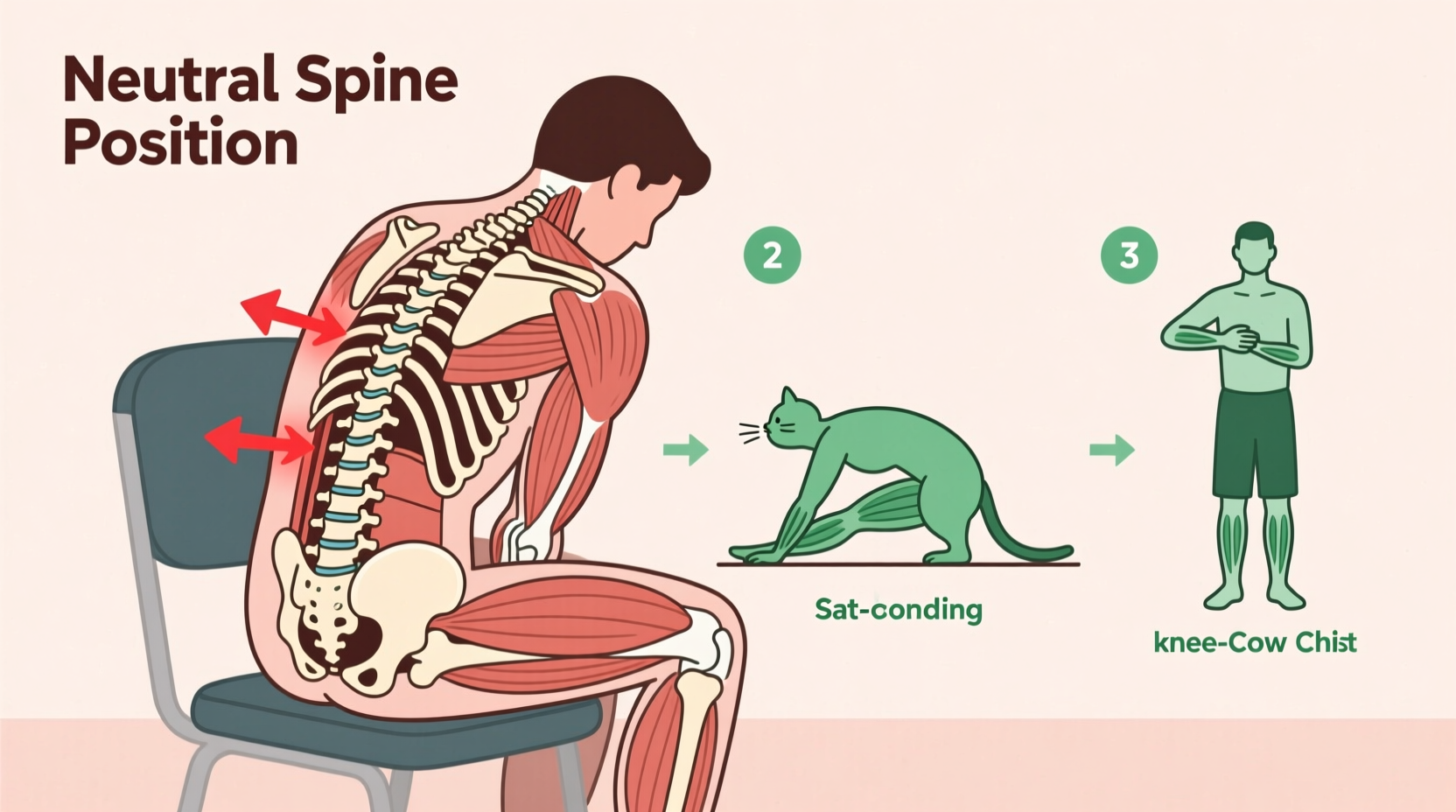
The human spine is designed for motion, not prolonged stillness. When you sit, especially in poor posture, several biomechanical changes occur that place stress on the lumbar region (lower back). The natural inward curve of the lower spine—called the lumbar lordosis—tends to flatten when slouching, shifting pressure onto the intervertebral discs and surrounding ligaments.
Additionally, sitting shortens the hip flexors (muscles at the front of the hips) and weakens the glutes and core muscles. Over time, this muscular imbalance pulls the pelvis forward or tilts it posteriorly, altering spinal alignment and increasing strain on the lower back.
According to Dr. Sarah Nguyen, a physical therapist specializing in ergonomic rehabilitation:
“Sitting isn’t inherently harmful, but sustained static positions without micro-movements disrupt circulation, reduce joint lubrication, and lead to stiffness and pain—especially in the lumbar spine.” — Dr. Sarah Nguyen, DPT
Common contributors include:
- Poor chair support or incorrect seat height
- Slouched or hunched posture
- Lack of movement throughout the day
- Tight hamstrings or hip flexors
- Weakened core stabilizing muscles
- Pre-existing disc conditions (e.g., herniated disc)
Simple Fixes to Prevent and Reduce Lower Back Pain
You don’t need drastic lifestyle changes to see improvement. Small, consistent adjustments can significantly reduce or eliminate lower back discomfort after sitting.
Ergonomic Chair Adjustments
Your chair plays a critical role in spinal health. A poorly adjusted seat forces your body into compensatory postures that lead to strain.
- Seat Height: Feet should rest flat on the floor (or on a footrest), with knees at or slightly below hip level.
- Lumbar Support: Use a rolled towel or built-in lumbar cushion to maintain the natural curve of your lower back.
- Seat Depth: There should be about 2–4 inches between the back of your knees and the front edge of the seat.
- Armrests: Adjust so elbows rest lightly at 90 degrees, reducing shoulder tension.
Posture Awareness
Mindful sitting reduces strain. Aim for “stacked” alignment: ears over shoulders, shoulders over hips, hips over ankles. Avoid crossing legs or leaning to one side.
Workstation Setup
Computer monitors should be at eye level, about an arm’s length away. Using a laptop on a table often forces forward head posture, which indirectly strains the lower back by disrupting full-body alignment.
| Element | Correct Position | Common Mistake |
|---|---|---|
| Monitor Height | Top of screen at or slightly below eye level | Looking down at laptop screen |
| Keyboard | Elbows at 90°, wrists neutral | Reaching forward or typing with bent wrists |
| Chair Lumbar Support | Firm support at lower back curve | Slumping with no back support |
| Feet Placement | Flat on floor or footrest | Tucked under chair or crossed legs |
Effective Stretches to Relieve Lower Back Tension
Stretching tight muscles helps rebalance the pelvis and reduce pressure on the lumbar spine. Perform these stretches daily, especially after long sitting sessions.
1. Seated Forward Bend (Paschimottanasana)
Targets: Hamstrings, lower back
- Sit on the floor with legs extended straight.
- Inhale, lengthen the spine.
- Exhale, hinge from hips and reach toward toes.
- Keep back straight; avoid rounding excessively.
- Hold for 30 seconds, breathe deeply.
2. Knees-to-Chest Stretch (Apanasana)
Targets: Lower back, glutes
- Lie on your back, knees bent.
- Gently pull both knees toward your chest.
- Wrap arms around shins or thighs.
- Hold 20–30 seconds, release slowly.
3. Cat-Cow Stretch
Targets: Spinal mobility, deep core activation
- Start on hands and knees (tabletop position).
- Inhale: Arch back, lift head and tailbone (Cow).
- Exhale: Round spine, tuck chin and pelvis (Cat).
- Repeat slowly for 1 minute.
4. Hip Flexor Stretch (Lunge Variation)
Targets: Psoas and rectus femoris
- Kneel on one knee, front foot flat ahead.
- Shift weight forward until you feel a stretch in the front of the back leg’s hip.
- Engage glutes to intensify the stretch.
- Hold 30 seconds per side.
5. Child’s Pose (Balasana)
Targets: Lower back, latissimus dorsi, hips
- Kneel on the floor, sit back on heels.
- Extend arms forward and lower chest toward the ground.
- Forehead rests on mat; relax completely.
- Breathe deeply for 1–2 minutes.
A Real-Life Example: How Mark Reduced His Back Pain in Two Weeks
Mark, a 38-year-old software developer, experienced daily lower back aches after working 8–10 hours at his home office. He initially dismissed it as “just part of the job,” but the pain began radiating into his hips and disrupted his sleep.
After consulting a physical therapist, he made three key changes:
- Adjusted his chair height and added a lumbar roll.
- Set a phone reminder to stand and stretch every 45 minutes.
- Performed a 10-minute morning routine including cat-cow, hip flexor stretches, and bridges.
Within two weeks, Mark reported a 70% reduction in pain. By the fourth week, he was pain-free during work hours. His case highlights how minor, consistent interventions can yield significant results—without medication or invasive treatments.
Daily Action Checklist for a Healthier Back
Use this checklist each day to build sustainable habits that protect your lower back:
- ✅ Adjust chair height so feet are flat on the floor
- ✅ Add lumbar support if your chair lacks it
- ✅ Take a 1–2 minute break to stand or walk every 30–60 minutes
- ✅ Perform 3–5 minutes of stretching after sitting for more than 2 hours
- ✅ Do 2 sets of glute bridges daily to activate underused glutes
- ✅ Keep monitor at eye level to avoid forward head posture
- ✅ Practice diaphragmatic breathing during stretches
When to Seek Medical Advice
While most cases of post-sitting back pain respond well to lifestyle and movement changes, certain symptoms warrant professional evaluation:
- Pain that radiates down the leg (possible sciatica)
- Numbness, tingling, or weakness in the legs
- Pain that worsens at night or doesn’t improve after 2–3 weeks of self-care
- Loss of bladder or bowel control (rare, but requires immediate attention)
If you have a history of spinal injury, arthritis, or disc disease, consult a healthcare provider before starting new exercises.
Frequently Asked Questions
Can sitting too much cause permanent back damage?
Chronic poor sitting habits can contribute to degenerative disc changes or joint dysfunction over time, but most early-stage issues are reversible with proper intervention. The key is early awareness and consistent correction.
How long should I wait to stretch after sitting?
Stretch immediately after prolonged sitting. Delaying increases stiffness. Even 60 seconds of gentle movement—like standing and touching your toes—can make a difference.
Are standing desks better for lower back pain?
Standing desks can help, but only if used correctly. Standing for hours without breaks can also cause strain. The ideal approach is alternating between sitting and standing every 30–60 minutes.
Conclusion: Take Control of Your Back Health Today
Lower back pain after sitting doesn’t have to be a normal part of daily life. It’s a signal from your body that something needs adjustment—whether it’s your chair, your posture, or your movement habits. With a few simple changes and consistent stretching, you can restore comfort, improve mobility, and prevent future flare-ups.
Start today: adjust your workspace, perform one stretch right now, and set a reminder to move in the next hour. Small actions compound into lasting relief. Your back will thank you.




 浙公网安备
33010002000092号
浙公网安备
33010002000092号 浙B2-20120091-4
Comments
No comments yet. Why don't you start the discussion?