
A sudden flash inside your microwave can be alarming—especially if you're heating a simple bowl of soup. Sparks in a microwave aren't just a sign of malfunction; they can indicate serious safety risks, including electrical fires or permanent damage to the appliance. While occasional sparking might stem from something as harmless as a forgotten fork, persistent arcing is a red flag that demands attention. Understanding the root causes, recognizing when repair is viable, and knowing when replacement is necessary can protect both your kitchen and your health.
What Causes a Microwave to Spark?
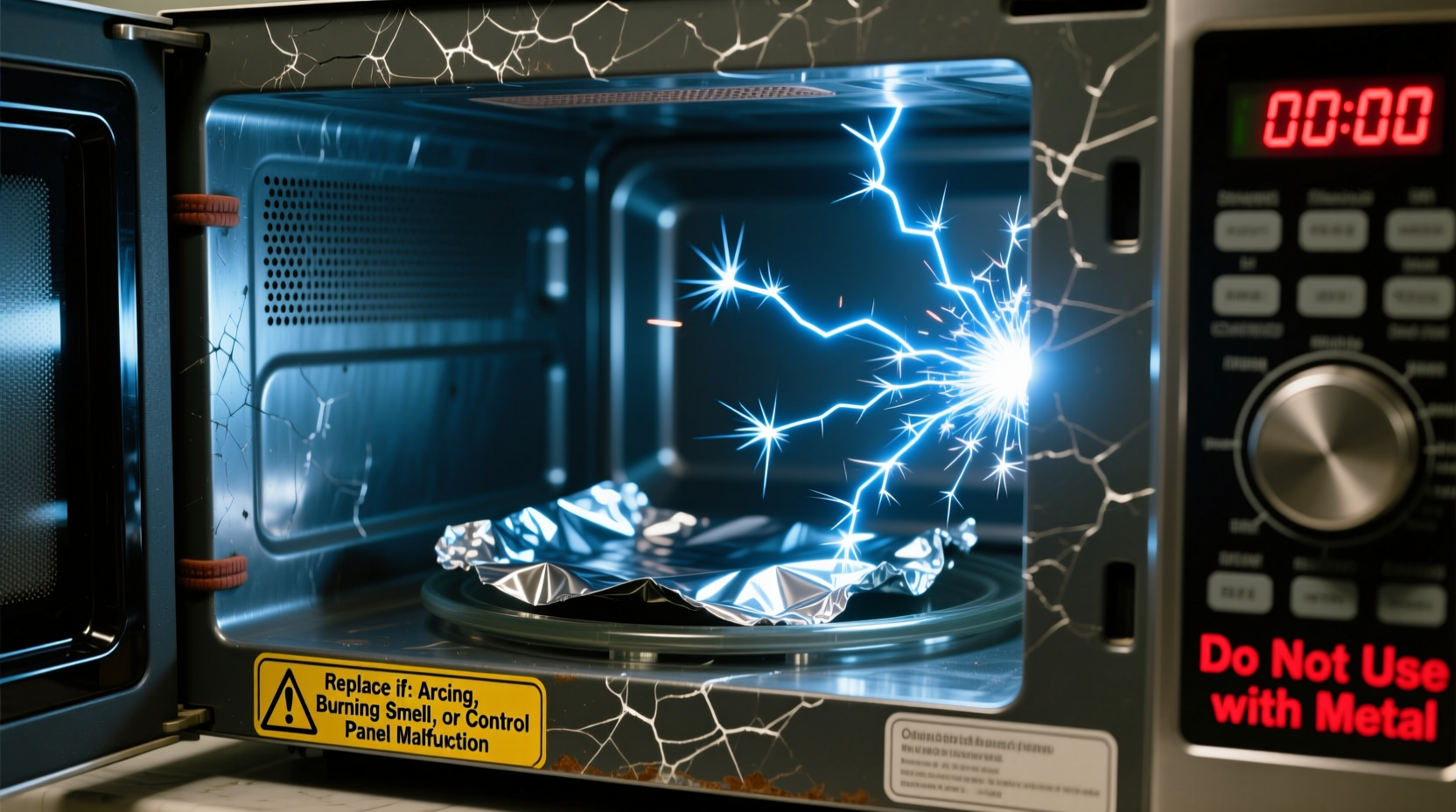
Microwave ovens generate electromagnetic waves that excite water molecules in food, producing heat. However, when these waves encounter certain materials or damaged components, they can create concentrated arcs of electricity—visible as sparks. These sparks are not normal operation and should never be ignored.
The most common causes include:
- Metal objects: Utensils, foil wrappers, or containers with metallic trim reflect microwaves, causing energy to concentrate and arc.
- Damaged waveguide cover: This protective panel (usually on the interior wall) shields the opening through which microwaves enter the cavity. If cracked or coated in food residue, it can overheat and spark.
- Worn or corroded stirrer fan: In some models, a metal fan distributes microwaves evenly. If damaged, it may spark during operation.
- Carbonized food buildup: Burnt-on grease or food particles can become conductive over time, especially near high-voltage areas.
- Faulty magnetron or diode: These internal components regulate microwave generation. Failure can lead to erratic energy distribution and sparking.
When Is Sparking Dangerous vs. Minor?
Not all sparking events are equally hazardous. The context determines whether you’re dealing with a quick fix or an urgent replacement scenario.
Sparking caused by a spoon left in a mug or aluminum foil around a baked potato typically stops once the object is removed. The microwave may continue working normally afterward. But if sparks reappear during subsequent uses—even without metal—it suggests internal degradation.
Repeated sparking, especially if accompanied by smoke, burning smells, or unusual noises (like buzzing or popping), indicates compromised integrity. At this stage, continued use risks damaging the magnetron, shortening the unit’s lifespan, or igniting a fire.
“Any persistent sparking beyond a one-time incident with metal should be treated as a failure point. Microwaves operate under high voltage—what starts as a minor arc can escalate quickly.” — Dr. Alan Reeves, Appliance Safety Engineer
Step-by-Step: Responding to Microwave Sparking
If your microwave begins to spark, follow this sequence immediately:
- Stop the microwave: Press “Cancel” or open the door to cut power.
- Unplug the unit: Do not rely solely on turning it off—disconnect it from the outlet.
- Inspect the interior: Look for metal objects, burnt food, or visible damage to the walls or ceiling.
- Clean thoroughly: Use a damp cloth with mild detergent to wipe down all surfaces. Avoid abrasive scrubbers.
- Check the waveguide cover: Located on the side or top inner wall, this mica or plastic panel should be intact and free of scorch marks.
- Test cautiously: Plug in and run the microwave empty for 15 seconds. Watch closely for any recurrence.
If no sparks appear and performance seems normal, the issue may have been isolated. But if arcing returns—or was never tied to an obvious cause—professional evaluation or replacement is warranted.
Common Components That Degrade Over Time
Unlike surface-level issues, internal wear often goes unnoticed until symptoms emerge. Key parts deteriorate with age and use, increasing the likelihood of sparking.
| Component | Function | Signs of Failure | Lifespan (Avg) |
|---|---|---|---|
| Waveguide Cover | Protects magnetron opening; allows microwaves into cavity | Burn marks, warping, charring, visible holes | 3–7 years |
| Magnetron | Generates microwave energy | Weak heating, humming, repeated sparking | 5–10 years |
| High-Voltage Diode | Regulates power to magnetron | No heat, intermittent operation, tripped breakers | 7–12 years |
| Cavity Liner | Interior metal coating that reflects microwaves | Peeling paint, rust spots, exposed substrate | 8+ years (if maintained) |
Damage to any of these components can disrupt safe operation. For example, a warped waveguide cover may allow moisture or debris into the magnetron chamber, leading to short circuits. Similarly, rusted cavity walls absorb rather than reflect microwaves, creating hotspots that carbonize food and promote future arcing.
When Should You Replace Your Microwave?
Repairing a sparking microwave is sometimes feasible—if the problem is limited to the waveguide cover or minor cleaning. But broader failures often make replacement more cost-effective and safer than repair.
Consider replacing your microwave if:
- It’s older than 8–10 years, regardless of condition.
- Sparking occurs without metal present and persists after cleaning.
- You notice rust inside the cooking chamber or around seams.
- The unit trips circuit breakers or emits smoke or burning odors.
- Heating performance has declined significantly (e.g., cold spots, longer cook times).
- Visible damage exists to the door seal, hinges, or control panel.
Modern microwaves are more energy-efficient and come with improved safety features like automatic shutoff and child locks. Spending $100–$200 on a new model reduces long-term risk compared to investing in repairs for aging units.
Mini Case Study: The Takeout Container Incident
Sarah in Denver reheated leftover Thai food in its original container. Midway through, she noticed bright blue flashes and shut off the microwave. After unplugging it, she found a small tear in the waveguide cover, likely from previous undetected sparking. A technician confirmed the cover was scorched and needed replacement—a $75 fix. But upon inspection, the technician also noted rust forming beneath the turntable and inconsistent heating. Sarah opted to replace the 9-year-old microwave instead, choosing a newer stainless steel model with better ventilation. Her decision prevented further risk and improved kitchen efficiency.
Do’s and Don’ts of Microwave Use and Maintenance
Preventing sparking starts with daily habits. Follow these guidelines to extend your microwave’s life and ensure safe operation.
| Do | Don’t |
|---|---|
| Use microwave-safe glass, ceramic, or labeled plastic containers | Put metal utensils, foil, or gold-rimmed dishes inside |
| Clean spills immediately after cooling | Allow food buildup to bake onto walls or ceiling |
| Inspect the waveguide cover monthly for damage | Attempt to remove or modify internal components unless qualified |
| Vent steam by leaving lids slightly ajar | Seal containers tightly, risking pressure buildup |
| Replace worn door seals or latches promptly | Continue using a microwave with a damaged or misaligned door |
Regular maintenance prevents many common causes of sparking. Wiping down the interior weekly removes conductive residues before they harden. Checking the turntable and rollers ensures even rotation, reducing uneven heating that stresses components.
FAQ: Common Questions About Sparking Microwaves
Can I still use my microwave if it sparked once?
If the spark was clearly caused by a metal object (like a fork or foil) and hasn’t recurred after cleaning and inspection, it’s likely safe to continue use. Monitor closely during the next few cycles. If uncertainty remains, consult a technician.
Is a sparking microwave a fire hazard?
Yes. Persistent sparking can ignite flammable residues or damage insulation around wiring. Even brief arcs generate extreme heat—over 1,000°F in milliseconds—which can char plastics or start smoldering fires behind panels.
How much does it cost to repair a sparking microwave?
Repairs range from $50–$150 for parts like a waveguide cover or diode. However, labor often costs more than the part itself. Given that new countertop models start around $80, repairs rarely make financial sense on units over 7 years old.
Final Checklist: When to Repair vs. Replace
Use this checklist to decide your next step:
- ✅ Did the sparking happen only once, with clear cause (metal)? → Clean and monitor.
- ✅ Is the microwave under 5 years old and under warranty? → Contact manufacturer.
- ✅ Is the issue limited to a dirty cavity or replaceable waveguide cover? → Consider DIY or professional repair.
- ❌ Does sparking recur without metal present? → Replace.
- ❌ Are there signs of rust, smoke, or burning smell? → Replace immediately.
- ❌ Is the unit over 8 years old? → Replacement is safer and more efficient.
- ❌ Does it fail to heat properly despite correct settings? → Replace.
Conclusion: Prioritize Safety Over Convenience
Your microwave should simplify meal prep—not endanger your home. Occasional mistakes happen, but recurring sparking is a warning sign you shouldn’t ignore. Internal damage accumulates silently, and what starts as a flicker can escalate into a household hazard. Modern microwaves offer better performance, efficiency, and safety standards than older models. Replacing a problematic unit isn’t an admission of failure—it’s a proactive step toward a safer kitchen.
Take action today: unplug any sparking microwave, inspect it thoroughly, and assess its age and condition. If in doubt, err on the side of caution. A small investment now can prevent costly repairs, fire damage, or worse.




 浙公网安备
33010002000092号
浙公网安备
33010002000092号 浙B2-20120091-4
Comments
No comments yet. Why don't you start the discussion?