
Microwaves are a staple in modern kitchens, offering speed and convenience for reheating meals and cooking simple dishes. But when you see sparks flashing inside the chamber while heating food, it’s more than just startling—it’s a warning sign. Sparking can damage your appliance, ruin your meal, and in worst-case scenarios, lead to a fire. Understanding why this happens and how to prevent it is essential for both safety and appliance longevity.
Sparks in a microwave occur due to electrical arcing—essentially miniature lightning bolts created when microwaves interact with conductive materials or concentrated energy points. While some causes are user-related (like using metal), others stem from food composition or appliance wear. This article breaks down the science behind microwave sparking, identifies high-risk foods and behaviors, and provides actionable strategies to eliminate fire risks.
What Causes Microwave Sparking?
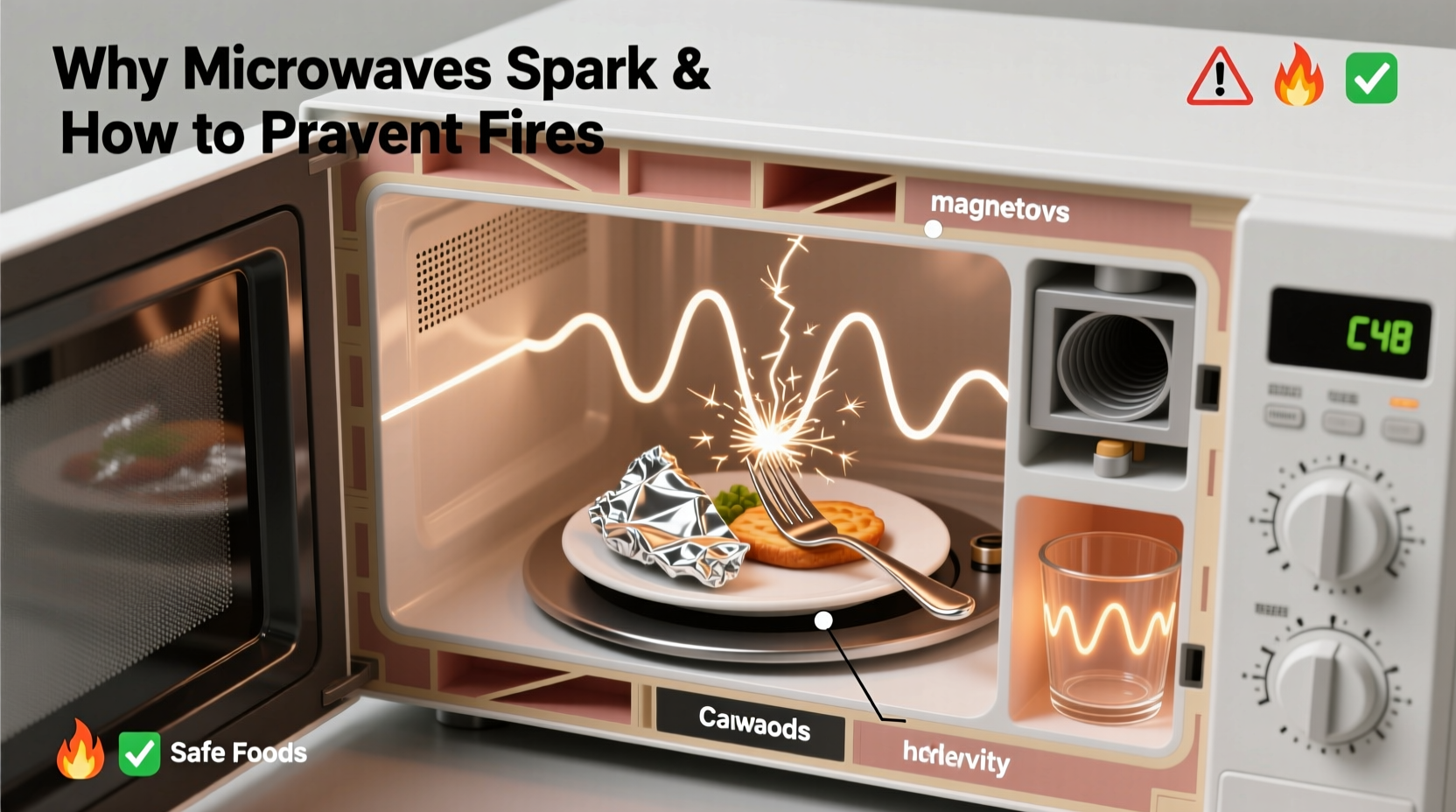
Microwave ovens generate electromagnetic waves that excite water molecules in food, producing heat. However, these waves can also interact with materials that reflect or concentrate energy. When the energy becomes too intense in one spot, it ionizes the air, creating visible sparks. The primary culprits include:
- Metal objects: Forks, aluminum foil, twist ties with metallic threads, or containers with metallic trim.
- Dense mineral deposits: Foods rich in minerals like iron, magnesium, and selenium can act as conductors under intense microwave energy.
- Worn or damaged interior coating: Chipped enamel or scratched surfaces expose underlying metal, which can arc when energized.
- Food geometry: Certain shapes, especially those with thin edges or points (like hot dogs or whole grapes), can focus microwave energy and cause plasma formation.
Not all sparking is immediately dangerous, but repeated incidents degrade the magnetron—the component that generates microwaves—and increase the risk of electrical fires.
Foods That Commonly Cause Sparking
While most foods heat safely, certain items are more prone to sparking due to their physical or chemical makeup. These include:
Grapes and Berries
Whole grapes, cherries, or blueberries can spark when cut in half and placed close together. The size and water content allow them to trap microwaves between them, creating a plasma effect. This phenomenon has been studied scientifically and even produces visible flames under the right conditions.
Carrots and Hot Dogs
These contain higher levels of minerals such as iron and magnesium. When microwaved, especially if not rotated or stirred, these elements can create localized conductive spots. Hot dogs, in particular, often spark at the ends due to their shape and salt concentration.
Foods with Metallic Glazes or Packaging
Sauces with edible gold leaf, frozen meals in foil-lined trays, or takeout containers with hidden metal strips can all trigger arcing. Even some ceramic plates have metallic paint that heats up and sparks.
Processed Meats and Canned Foods
Bacon, pepperoni, and canned vegetables sometimes contain fine metal fragments from processing equipment. Though harmless in small amounts, they can accumulate energy and spark under microwave exposure.
“Microwave-safe doesn’t always mean risk-free. Some foods behave unpredictably due to their mineral content or structure.” — Dr. Alan Tran, Electrical Safety Researcher at the National Appliance Safety Institute
Do’s and Don’ts: Safe Microwave Practices
| Do’s | Don’ts |
|---|---|
| Use microwave-safe glass, ceramic, or labeled plastic containers. | Never put metal utensils, foil, or containers with metallic accents in the microwave. |
| Cut dense foods like carrots or hot dogs lengthwise to reduce energy concentration. | Avoid heating foods in their original packaging unless labeled microwave-safe. |
| Stir or rotate food halfway through heating to distribute energy evenly. | Don’t operate the microwave empty—this can damage the magnetron. |
| Cover foods with a microwave-safe lid or paper towel to prevent splatter. | Never ignore sparking; stop the microwave immediately. |
| Inspect the interior regularly for chips, rust, or exposed metal. | Don’t use abrasive cleaners that can scratch the cavity walls. |
Step-by-Step Guide to Prevent Sparking and Fire Risk
Preventing microwave sparking isn’t complicated, but it requires consistent habits and awareness. Follow this sequence to minimize danger:
- Inspect the Food and Container: Before starting, check for any metal, foil, or non-microwave-safe materials. Remove twist ties, staples, or decorative wraps.
- Prepare High-Risk Foods Properly: Slice grapes, hot dogs, or carrots into smaller pieces. Avoid placing similar-sized items close together.
- Use Appropriate Cookware: Stick to glass or ceramic labeled “microwave-safe.” When in doubt, do a quick test: place the container next to a cup of water and microwave for 30 seconds. If the container stays cool, it’s likely safe.
- Monitor the First 30 Seconds: Watch for immediate sparking. If it occurs, stop the microwave and reassess what’s inside.
- Clean Spills Immediately: Burnt-on food residues can absorb microwaves and overheat. Wipe spills with a damp cloth after each use.
- Check the Interior Condition: Monthly, inspect the walls and ceiling of the microwave. Look for chipped paint, rust, or exposed metal. If found, discontinue use until repaired or replaced.
- Replace Old Units: Microwaves older than 7–10 years may have degraded shielding or failing components. Consider upgrading to a newer model with better safety features.
Real-Life Example: A Kitchen Near-Miss
In suburban Chicago, Maria Lopez reheated a leftover takeout pizza on its cardboard tray. Within 20 seconds, she noticed bright flashes inside the microwave. She opened the door to find scorch marks along the top wall and a faint smell of burning. The tray had a thin metallic ink logo that wasn’t visible until held up to light. Though no fire started, the magnetron was damaged, rendering the unit unusable.
An electrician later explained that the metallic ink acted as an antenna, concentrating microwave energy and causing sustained arcing. Maria now checks every container and avoids reheating food in packaging unless explicitly labeled safe. Her experience underscores how easily overlooked details can lead to serious consequences.
Maintenance Checklist for Spark-Free Operation
To keep your microwave operating safely, perform these actions regularly:
- ✅ Clean interior weekly with mild soap and water
- ✅ Inspect for scratches or peeling coating monthly
- ✅ Test new containers before regular use
- ✅ Replace waveguide cover if cracked or burned (located on the side wall)
- ✅ Ensure the door seal is intact and closes securely
- ✅ Avoid stacking metal objects near the microwave (can interfere with shielding)
- ✅ Unplug during deep cleaning or maintenance
The waveguide cover—a mica or plastic sheet inside the microwave wall—is particularly important. It protects the magnetron vent from steam and debris. If it becomes wet, greasy, or damaged, it can carbonize and spark. Replacement kits cost under $20 and take minutes to install.
Frequently Asked Questions
Can sparking damage my microwave permanently?
Yes. Repeated sparking can burn out the magnetron, damage the control board, or warp the cavity lining. Even a single severe incident may compromise internal components, leading to reduced efficiency or complete failure.
Is it safe to continue using a microwave after it sparks?
Only if you’ve identified and removed the cause—such as metal or damaged food—and confirmed the interior is intact. If sparking recurs without an obvious reason, the unit may be faulty and should be serviced or replaced.
Are some microwave models less prone to sparking?
Higher-end models often feature better shielding, stirrer fans for even energy distribution, and sensors that adjust power automatically. Inverter microwaves, which provide continuous low-power heating instead of pulsing, also reduce the risk of overheating sensitive foods.
Conclusion: Protect Your Home and Health
Sparking in your microwave isn’t just a nuisance—it’s a potential fire hazard rooted in physics and material science. From grapes to grilled leftovers, everyday foods can turn dangerous under the wrong conditions. By understanding the triggers and adopting disciplined practices, you can eliminate most risks before they escalate.
Your microwave should make life easier, not endanger it. Take a few moments today to inspect your appliance, review your containers, and educate household members about safe use. A little vigilance goes a long way in preventing accidents and extending the life of your kitchen equipment.




 浙公网安备
33010002000092号
浙公网安备
33010002000092号 浙B2-20120091-4
Comments
No comments yet. Why don't you start the discussion?