
Microwaves are a staple in modern kitchens, offering quick reheating and efficient cooking. But nothing is more alarming than seeing sparks flash inside while heating your food. Similarly, a malfunctioning turntable can lead to uneven heating and long-term damage. These issues aren’t just inconvenient—they can be hazardous if left unaddressed. Understanding the root causes of sparking and turntable problems empowers you to maintain your appliance safely and extend its lifespan.
Why Microwaves Spark: The Science Behind the Sparks
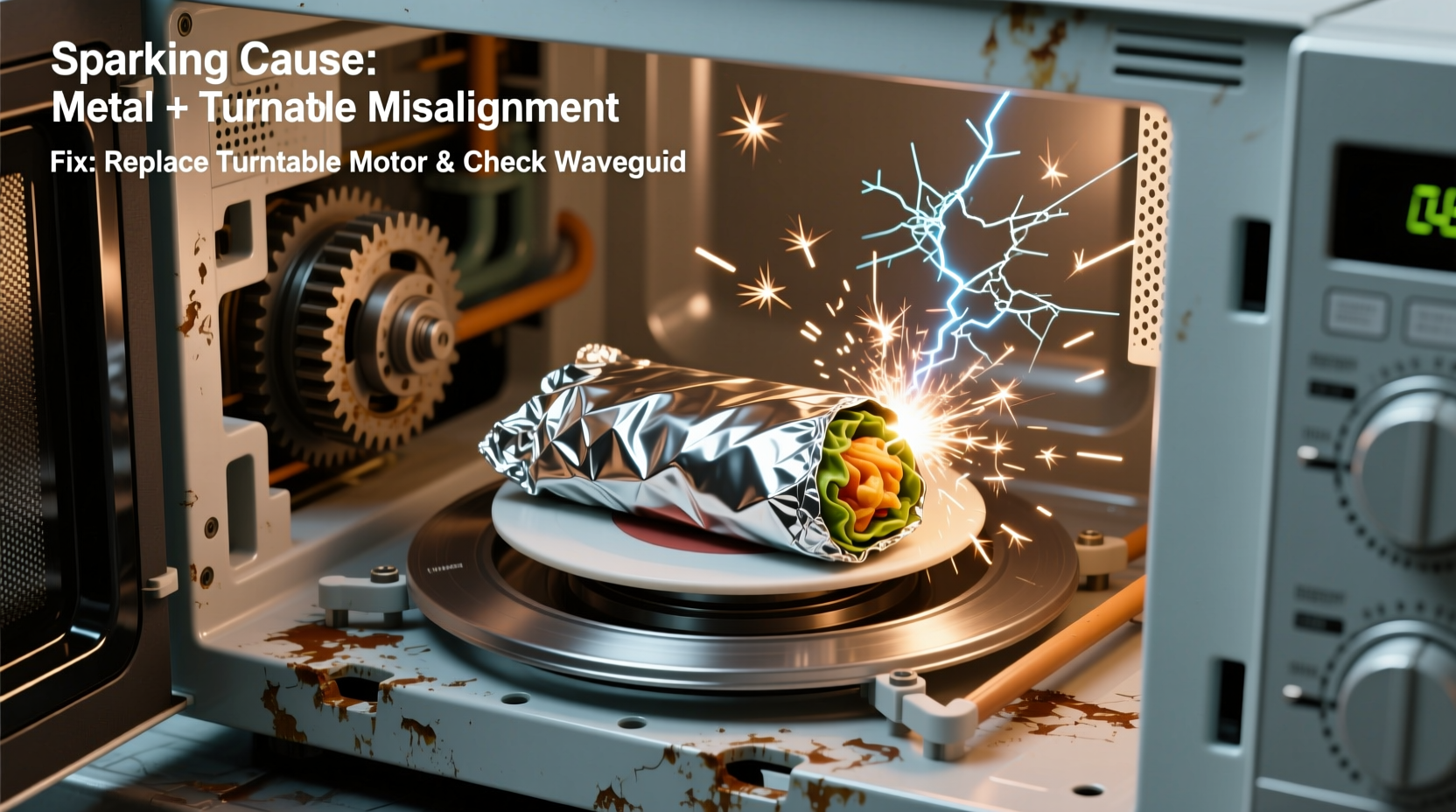
Sparks in a microwave occur due to electrical arcing—essentially mini lightning bolts created when microwaves interact with conductive materials or concentrated energy points. Microwaves work by emitting electromagnetic waves that excite water molecules in food, generating heat. However, when these waves encounter metal, foil, or even certain mineral-rich foods, they can reflect and concentrate, leading to visible sparks.
Common triggers include:
- Metallic trim on dishes or containers
- Foil wrappers or aluminum foil used for shielding
- Foods high in minerals like iron, magnesium, or selenium (e.g., carrots, spinach, or hot dogs)
- Damaged waveguide cover (a mica or plastic panel inside the cavity)
- Accumulated food debris acting as a conductor
The phenomenon known as \"arcing\" happens when the microwave energy ionizes the air around a conductive point, creating a plasma discharge. While brief sparking may not immediately destroy the unit, repeated incidents can damage the magnetron—the component responsible for generating microwaves—and compromise safety.
“Repeated sparking isn’t just a nuisance; it’s a red flag. It can degrade internal components and increase fire risk.” — Dr. Alan Reyes, Appliance Safety Engineer at Consumer HomeTech Labs
Foods That Commonly Cause Sparking (And How to Handle Them)
Not all foods behave the same in the microwave. Some contain natural compounds that react strongly under microwave radiation. Below is a list of common culprits and safe preparation methods:
| Foods | Why They Spark | Safe Preparation Tips |
|---|---|---|
| Carrots, green beans, spinach | High mineral content (especially iron and magnesium) creates conductive points | Rinse thoroughly before heating; cut into uniform pieces; cover with a microwave-safe lid |
| Hot dogs, processed meats | Mineral distribution during manufacturing leads to “hot spots” | Cut slits lengthwise to release steam and distribute energy evenly |
| Grapes, cherry tomatoes | Size and water content focus microwaves between two halves, causing plasma | Never microwave whole grapes; slice them in half first |
| Frozen meals in foil trays | Metallic packaging reflects microwaves | Transfer food to a ceramic or glass dish before heating |
Even seemingly harmless items like twist ties or takeout containers with foil lining can cause dangerous sparking. Always inspect packaging before placing it in the microwave.
How to Fix Turntable Errors: Diagnosing and Solving Rotation Problems
A non-rotating turntable leads to uneven heating—cold spots in your soup, lukewarm leftovers, or scorched edges. The turntable ensures consistent exposure to microwave energy by rotating food through the cavity. When it stops working, several mechanical or alignment issues may be at play.
Common Causes of Turntable Malfunctions
- Obstructed rotation due to oversized cookware
- Damaged rollers or wheels on the turntable base
- Motor failure in built-in models
- Improper seating of the turntable ring or support
- Debris buildup under the turntable or in the track
Step-by-Step Guide to Restore Turntable Function
- Unplug the microwave for safety before inspection.
- Remove the glass tray and roller ring from the cavity floor.
- Inspect the roller ring for cracks, warping, or missing wheels. Replace if damaged.
- Check the drive hub (the central coupler beneath the tray). Ensure it rotates freely and isn’t stripped.
- Clean the bottom cavity and roller track with warm, soapy water to remove grease or food particles.
- Reassemble the parts—place the roller ring back, then the glass tray, ensuring it sits flush.
- Plug in and test with a cup of water. Observe if the tray rotates smoothly.
If the turntable still doesn’t move, the issue may lie in the motor or control board. In such cases, consult the manufacturer or a certified technician rather than attempting internal repairs, which can void warranties and pose electrical risks.
Mini Case Study: Sarah’s Sparking Soup Incident
Sarah, a busy teacher in Portland, regularly reheated her homemade vegetable soup in a ceramic bowl with gold-rimmed edges. One evening, she noticed blue sparks flashing inside the microwave during a 3-minute cycle. Alarmed, she stopped the cycle and opened the door—only to find scorch marks near the top wall of the cavity.
After consulting a technician, she learned the gold trim contained trace metals that reflected microwave energy, causing arcing. The waveguide cover behind the interior panel was also charred and needed replacement. She replaced both the dish and the cover ($22 part), and now uses only plain white porcelain for microwaving. Since the fix, her microwave runs smoothly and safely.
This case highlights how small design details—like decorative finishes—can have big consequences in high-energy environments.
Preventive Maintenance Checklist
Regular maintenance prevents most sparking and mechanical failures. Use this checklist monthly:
- ✅ Inspect interior walls for burns, charring, or damaged coating
- ✅ Check the waveguide cover (usually a rectangular panel on the side wall) for holes or discoloration
- ✅ Clean the glass turntable and roller ring with mild detergent
- ✅ Wipe down the cavity with a damp cloth to remove food splatter
- ✅ Verify the turntable rotates freely without wobbling
- ✅ Examine containers for hidden metal elements before use
- ✅ Test microwave function with a cup of water every two weeks
Replacing a damaged waveguide cover is simple and inexpensive. Most manufacturers sell them online for $15–$30. Turn off power, unscrew the panel, and install the new one—no tools required in many models.
When to Call a Professional
While many issues are user-fixable, some require expert attention. Seek professional service if you observe:
- Continuous sparking even with plain, microwave-safe dishes
- Burning smell or smoke during operation
- No turntable movement after cleaning and reassembly
- Unusual humming or grinding noises
- Visible damage to internal wiring or casing
Attempting to repair high-voltage components like the magnetron, capacitor, or control board poses serious electrocution risks. Certified technicians have the training and tools to diagnose and replace parts safely.
Frequently Asked Questions
Can I still use my microwave if it sparks occasionally?
No. Occasional sparking indicates an underlying issue—whether it’s food-related, container-related, or internal damage. Continued use increases the risk of permanent damage or fire. Identify and resolve the cause before resuming regular operation.
Is a broken turntable dangerous?
A non-rotating turntable isn’t inherently dangerous but leads to uneven heating, which can leave bacteria in cold spots. More critically, running the microwave without proper load distribution stresses the magnetron and reduces efficiency. Repair or replace the mechanism promptly.
Can I replace the waveguide cover myself?
Yes, in most cases. The waveguide cover is designed for easy replacement. Unplug the unit, remove the screws or clips holding the panel, and install the new one. Just ensure you purchase the correct model-specific part from the manufacturer.
Conclusion: Safe, Spark-Free Microwaving Starts with Awareness
Your microwave is a powerful tool, but it demands respect and routine care. Sparking isn’t normal—it’s a signal that something is wrong, whether it’s your choice of dishware, the food you’re heating, or the condition of the appliance itself. Likewise, a faulty turntable undermines performance and longevity. By understanding the causes and taking proactive steps, you protect not only your microwave but also your kitchen’s safety.
Start today: inspect your favorite microwave-safe dishes, clean the cavity, and test the turntable. Small habits prevent big problems. A well-maintained microwave can last 7–10 years, saving money and reducing waste. Treat it right, and it will serve you reliably for years to come.




 浙公网安备
33010002000092号
浙公网安备
33010002000092号 浙B2-20120091-4
Comments
No comments yet. Why don't you start the discussion?