
It starts with a flicker—then a flash inside your microwave as you reheat last night’s dinner. A sharp crackling sound follows. Sparks dance across the turntable, and suddenly, your kitchen feels less like a place of comfort and more like a science experiment gone wrong. If this sounds familiar, you're not alone. Thousands of households experience microwave sparking every year, often during the most routine task: reheating leftovers.
While occasional sparking might seem harmless, it can signal serious safety risks, from appliance damage to fire hazards. Understanding what causes these sparks—and how to fix them—is essential for protecting both your health and your home. This guide dives deep into the science behind microwave arcing, identifies common triggers, outlines real-world consequences, and provides actionable solutions to prevent future incidents.
What Causes a Microwave to Spark?
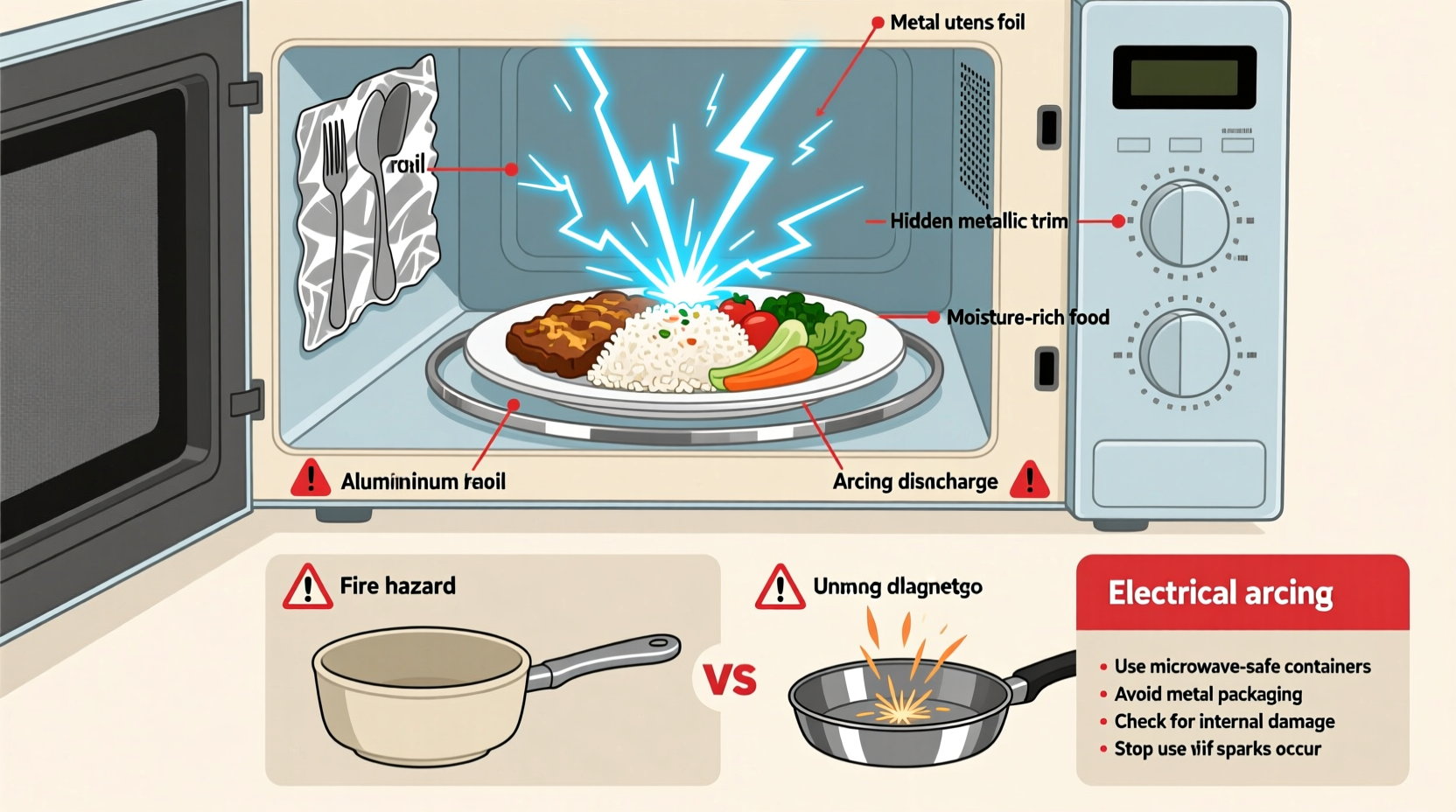
Microwave ovens use electromagnetic waves—specifically, microwaves at around 2.45 GHz—to agitate water molecules in food, generating heat. These waves are contained within the metal cavity of the oven. However, when certain materials or conditions interfere with this process, energy can concentrate in unintended ways, leading to electrical discharges known as arcing.
Sparking occurs when the microwave energy jumps between conductive surfaces, much like lightning. Common culprits include:
- Metal objects (forks, foil, twist ties)
- Foods with high mineral content (like carrots or hot dogs)
- Damaged waveguide covers (the mica or plastic panel inside the wall)
- Buildup of grease, food residue, or carbonized particles on interior surfaces
- Ceramic or stoneware with metallic glaze
These elements create points where electrical charges accumulate, forming plasma arcs that appear as bright flashes and produce loud popping noises. While brief sparking may not immediately destroy the unit, repeated exposure can degrade internal components and increase fire risk.
The Hidden Dangers of Microwave Sparking
Many people dismiss minor sparking as a quirky appliance flaw. But consistent arcing poses several underappreciated threats:
Fire Hazard
A sustained arc can ignite flammable materials such as paper towels, greasy residues, or even dry food debris. According to the U.S. Fire Administration, cooking equipment is involved in nearly half of all home fires, with microwaves contributing a growing share due to misuse and malfunction.
Damage to the Magnetron
The magnetron is the component responsible for generating microwaves. When arcing occurs repeatedly, reflected energy can overheat and eventually destroy this expensive part. Once the magnetron fails, the microwave stops heating altogether—and replacement often costs more than buying a new unit.
Release of Toxic Fumes
If plastic containers, coatings, or food packaging catch fire or melt due to intense sparking, harmful chemicals like dioxins or benzene derivatives may be released into the air. Inhaling these fumes, even briefly, can irritate the respiratory system and pose long-term health concerns.
Electrical System Stress
Severe arcing events can trip circuit breakers or damage household wiring, especially in older homes with outdated electrical systems. While rare, this adds another layer of risk beyond the appliance itself.
“Repeated sparking isn’t just annoying—it’s a warning sign. Microwaves are designed to contain energy safely. When you see arcs, that containment has failed.” — Dr. Alan Reyes, Electrical Safety Engineer, National Appliance Research Institute
Common Triggers and How to Identify Them
Not all sparking stems from obvious mistakes like putting a spoon in the microwave. Some causes are subtle and easily overlooked. Below is a breakdown of frequent triggers and how to diagnose them.
| Trigger | Symptoms | How to Confirm |
|---|---|---|
| Metallic trim on dishes | Sparks near edges of plate; occurs only with specific dish | Test dish empty for 10 seconds; replace if sparking continues |
| Damaged waveguide cover | Sparks originate from side wall, often with burnt spots | Inspect inner panel for charring, holes, or warping |
| Food with dense minerals | Sparking localized to certain foods (e.g., raw carrots, processed meats) | Cut food into smaller pieces and cover with microwave-safe lid |
| Grease or food buildup | Sparks after prolonged use; smell of burning residue | Deep clean interior with vinegar solution and soft cloth |
| Aluminum foil or packaging | Immediate sparking upon startup | Check takeout containers, lids, or frozen meal wrappers |
Mini Case Study: The Takeout Container Incident
Sarah, a busy marketing executive in Chicago, routinely reheated her Thai takeout in the microwave. One evening, she noticed blue flashes and a sharp buzzing noise. Assuming it was a power surge, she reset the breaker. The next day, the same thing happened—with smoke this time. She stopped using the microwave and called a technician.
The diagnosis? The container had a thin aluminum lining beneath the paper exterior—a feature not clearly labeled. Over multiple uses, small tears in the lining exposed enough metal to cause arcing. By the time Sarah noticed, the waveguide cover was charred, and the magnetron showed signs of stress. The repair cost $180—more than half the price of a new unit.
This case illustrates how seemingly safe habits can become hazardous without awareness of packaging details. It also highlights the importance of immediate action when sparking begins.
Step-by-Step Guide to Fix and Prevent Microwave Sparking
If your microwave sparks, don’t ignore it. Follow this systematic approach to diagnose, repair, and prevent future issues.
- Stop the Microwave Immediately
As soon as you see sparks, press Cancel or open the door to stop operation. Do not wait for the cycle to finish. - Unplug the Unit
Disconnect from power to eliminate electrical risk while inspecting. - Remove All Contents
Take out the turntable, roller ring, and any trays. Check for hidden metal fragments or foil bits. - Inspect the Interior Walls
Look for the waveguide cover—usually a rectangular panel on the right or left side wall made of mica or plastic. Check for burn marks, holes, or discoloration. - Clean Thoroughly
Mix equal parts white vinegar and water. Dip a soft cloth in the solution and wipe down all interior surfaces, including the ceiling and corners. Avoid abrasive scrubbers that could scratch metal surfaces. - Replace Damaged Parts
If the waveguide cover is compromised, order a replacement from the manufacturer or an appliance parts supplier. Most models allow DIY installation with a screwdriver. Never operate the microwave with a damaged cover. - Test Safely
After cleaning and repairs, test with a microwave-safe cup of water for one minute. Watch closely for any signs of arcing. - Adopt Preventive Habits
Use only glass, ceramic, or labeled microwave-safe plastics. Avoid containers with metallic paint or trim. Cover food with a paper towel or microwave-safe lid instead of foil.
Essential Checklist: Microwave Safety & Maintenance
Keep this checklist handy for monthly inspection and ongoing safety:
- ✅ Clean interior surfaces weekly with vinegar-water solution
- ✅ Inspect waveguide cover for damage every month
- ✅ Verify no metal objects are stored near or inside the microwave
- ✅ Use only microwave-safe containers—check labels regularly
- ✅ Replace chipped or cracked dishes that may harbor hidden flaws
- ✅ Never operate the microwave empty—this can cause damaging resonance
- ✅ Keep the door seal clean and free of debris to maintain shielding
Frequently Asked Questions
Is it safe to continue using a microwave after it sparks?
No—if sparking persists after removing metal and cleaning the interior, discontinue use immediately. Continuing to operate a sparking microwave risks fire, component failure, and exposure to radiation leaks if the shielding is compromised.
Can certain foods really cause sparks?
Yes. Foods high in minerals like iron, magnesium, or selenium (e.g., raw carrots, spinach, or hot dogs) can act as conductors when cut into specific shapes. Arrange food in a circle, stir midway, or cover with a damp paper towel to reduce risk.
How much does it cost to fix a sparking microwave?
Repair costs vary. Replacing a waveguide cover typically costs $10–$25 for the part and minimal labor. Magnetron replacement ranges from $80–$200, often making replacement more economical. Always get a professional assessment before investing in repairs.
Conclusion: Protect Your Kitchen, One Safe Reheat at a Time
Sparking in your microwave isn't just a nuisance—it's a red flag demanding attention. Whether caused by forgotten foil, worn components, or unsuspecting food chemistry, each incident brings real risks. But with informed habits and proactive maintenance, these dangers are entirely preventable.
Your microwave is a workhorse appliance, but it relies on proper care to function safely. From checking takeout containers to replacing a frayed waveguide cover, small actions yield major protection. Don’t wait for smoke or silence to signal a problem. Address sparking the moment it appears, and commit to regular inspections that keep your kitchen running smoothly.




 浙公网安备
33010002000092号
浙公网安备
33010002000092号 浙B2-20120091-4
Comments
No comments yet. Why don't you start the discussion?