
There’s nothing more frustrating than reheating last night’s dinner only to see bright flashes and hear crackling sounds inside your microwave. Sparks in a microwave aren’t just alarming—they can damage the appliance or even pose a fire hazard. While it might seem like a random malfunction, sparking is usually caused by specific, avoidable factors. Understanding why this happens—and knowing exactly what not to do—can save your microwave, your meal, and potentially your kitchen from disaster.
What Causes Sparking in a Microwave?
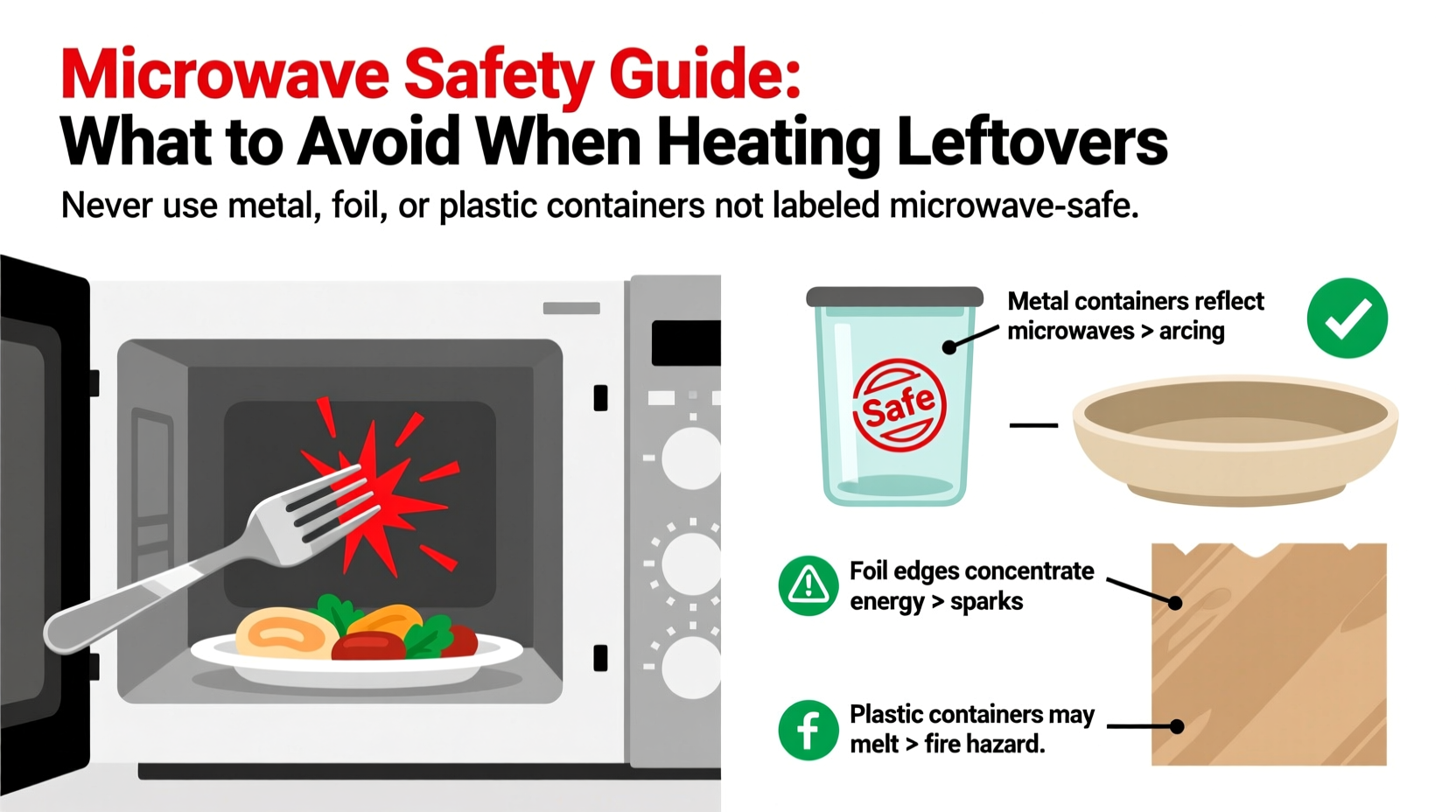
Microwaves work by emitting electromagnetic waves that excite water molecules in food, generating heat. But when certain materials or conditions interfere with this process, energy can concentrate in unintended ways, leading to electrical arcing—what we commonly call “sparking.” This occurs when microwaves are reflected or absorbed by conductive materials or uneven surfaces, creating high-voltage discharges between points of contact.
The most common cause of sparking is metal. Even small amounts—like the decorative trim on a plate or aluminum foil used to cover part of a dish—can create hotspots where electricity jumps between metal edges. However, metal isn’t the only culprit. Burnt-on food residue, damaged waveguide covers, and certain types of containers also contribute to arcing.
Common Items That Cause Sparks (And What to Avoid)
Many people unknowingly introduce spark-inducing materials into their microwaves when reheating leftovers. Below is a list of everyday items that should be avoided at all costs.
- Metal utensils or cookware: Forks, spoons, knives, or metal bowls reflect microwaves and cause immediate arcing.
- Aluminum foil: Even small pieces used to shield delicate areas can ignite or spark if too close to the walls.
- Dishes with metallic paint or trim: Some ceramic or glassware has gold or silver accents that look elegant but react dangerously in microwaves.
- Takeout containers with metal handles: Certain Chinese takeout boxes or reusable packaging include hidden metal components.
- Twist ties or staples: Left on plastic bags or attached to bread wrappers, these tiny metal bits can overheat and spark.
- Ceramic mugs with hidden metal lining: Rare, but some older or imported mugs contain conductive materials in the glaze.
Even non-metallic items can become problematic under certain conditions. For example, grapes and hot dogs have been shown to spark due to their size and composition, which can trap microwaves and ionize the air—a phenomenon studied by physicists and documented in peer-reviewed journals.
Real Example: The Takeout Box Incident
Sarah, a busy professional in Chicago, regularly reheats her Thai curry in the microwave-safe container she assumes is safe. One evening, she notices sudden sparks and a burning smell. She stops the microwave immediately and finds scorch marks along the interior wall. Upon closer inspection, she discovers a thin metal wire embedded in the handle of the container—something she hadn’t noticed before. After replacing the container and cleaning the cavity, she now checks every package for hidden metal, even those labeled “microwave-safe.”
“Microwave ovens are forgiving up to a point, but one spark can lead to permanent damage. Always inspect containers thoroughly—even reused ones.” — Dr. Alan Kim, Electrical Appliance Safety Researcher, National Institute of Home Technology
Hidden Culprits Inside Your Microwave
Even if you’re using microwave-safe dishes, internal issues within the appliance itself can lead to sparking. These problems often develop over time and go unnoticed until they manifest as visible arcs.
Damaged Waveguide Cover
The waveguide cover is a rectangular panel on the inside wall of the microwave, typically made of mica or plastic. It protects the opening through which microwaves enter the cooking chamber. If this cover becomes coated with grease, food splatter, or moisture, it can absorb energy and overheat, leading to carbonization and eventual arcing.
Over time, repeated exposure to steam and oil degrades the material. Once it starts to char or peel, it no longer insulates properly and must be replaced.
Burnt-On Food Residue
Leftover splatters, especially from fatty or sugary foods, can carbonize after repeated heating cycles. Carbon is conductive, so these blackened spots act like tiny pieces of metal, attracting microwave energy and causing localized sparking.
This is particularly common around the ceiling and upper walls of the microwave, where steam collects. A microwave that sparks only during certain heating times may have residue buildup rather than a foreign object.
Worn or Damaged Interior Coating
The interior enamel coating prevents microwaves from reflecting off bare metal. If this coating chips or peels—often due to abrasive cleaning or impact—exposed metal underneath can reflect energy and create arcs.
Once the coating is compromised, repair is difficult. Most manufacturers recommend replacing the unit, as patching is unsafe and ineffective.
Do’s and Don’ts When Reheating Leftovers
| Do’s | Don’ts |
|---|---|
| Use microwave-safe glass, ceramic, or labeled plastic containers | Use metal cookware, foil, or dishes with metallic trim |
| Cover food with a microwave-safe lid or paper towel | Cover food with aluminum foil, even partially |
| Stir food halfway through heating to distribute heat evenly | Heat dense foods like potatoes or carrots without piercing the skin |
| Clean spills and splatters immediately after use | Ignore burnt spots or charring inside the microwave cavity |
| Inspect containers for damage or hidden metal before use | Reheat food in takeout containers unless verified as microwave-safe |
Step-by-Step Guide to Prevent Microwave Sparking
Follow this practical sequence to ensure your microwave operates safely and efficiently every time you reheat leftovers.
- Inspect the container: Check for any metal components, cracks, or labels indicating microwave safety. When in doubt, transfer food to a known-safe dish.
- Remove all packaging: Discard plastic wraps, twist ties, staples, and foam trays. Never microwave Styrofoam unless explicitly labeled as microwave-safe.
- Pierce dense foods: Use a fork to poke holes in potato skins, sausages, egg yolks, or sealed sauces to release steam and prevent pressure buildup.
- Cover appropriately: Use a microwave-safe lid, wax paper, or white paper towel to prevent splatters without trapping excessive steam.
- Heat in intervals: Start with 1–2 minutes, stir, then continue. This avoids overheating and allows you to stop early if something seems wrong.
- Monitor closely: Watch for sparks, smoke, or unusual noises. Stop the microwave immediately if any occur.
- Clean after use: Wipe down the interior with a damp cloth and mild cleaner. For stuck-on grime, heat a bowl of water with lemon juice for 3 minutes to loosen debris.
- Inspect the waveguide cover monthly: Look for discoloration, warping, or holes. Replace it if damaged—replacement kits cost under $20 and are easy to install.
When Is Sparking an Emergency?
Occasional minor sparking due to a forgotten fork might not ruin your microwave, but persistent or intense arcing requires immediate attention. Continuous sparks can burn holes in the waveguide cover, damage the magnetron (the component that generates microwaves), or ignite flammable materials.
If you experience any of the following, stop using the microwave and unplug it:
- Sparks that continue after removing all food and containers
- Burning smells with no food inside
- Visible damage to the interior walls or ceiling
- Frequent tripping of circuit breakers when the microwave runs
- Unusual humming, buzzing, or loud noises during operation
In such cases, the appliance may need professional repair or replacement. Continuing to use a damaged microwave increases the risk of fire and reduces efficiency.
FAQ
Can I still use my microwave if it sparked once?
Yes, if the spark was brief and caused by an obvious mistake—like leaving a spoon inside—and the microwave functions normally afterward. However, inspect the interior for damage and clean thoroughly before using again. If sparking recurs, stop using it immediately.
Why did my microwave spark with no metal inside?
Even without metal, sparking can occur due to carbonized food residue, a damaged waveguide cover, or degraded interior coating. These conductive deposits act like metal and cause arcing. Deep cleaning or part replacement may resolve the issue.
Is it safe to eat food that was in a sparking microwave?
If the sparking was brief and stopped quickly, the food is likely safe—though it may taste smoky or off due to ozone produced during arcing. Discard food if there’s a burning smell, visible smoke damage, or if the container melted. Always prioritize safety over saving a meal.
Conclusion: Protect Your Kitchen, One Meal at a Time
Sparking in the microwave isn’t just a quirk—it’s a warning sign. Whether caused by a stray fork, a forgotten foil wrapper, or internal wear, each incident carries real risks. By understanding the science behind microwave arcing and adopting simple, consistent habits, you can prevent damage, extend your appliance’s lifespan, and reheat leftovers with confidence.
The next time you reach for last night’s lasagna, take five seconds to check the container, remove potential hazards, and ensure your microwave is clean and intact. Small actions today prevent big problems tomorrow.




 浙公网安备
33010002000092号
浙公网安备
33010002000092号 浙B2-20120091-4
Comments
No comments yet. Why don't you start the discussion?