
A sudden flash of light inside your microwave while reheating last night’s dinner can be alarming. Sparks—often accompanied by a loud popping or crackling noise—are not normal and should never be ignored. While it might seem like a minor glitch, sparking in a microwave is a sign of electrical arcing, which can damage the appliance, ruin your food, or even create a fire hazard.
The good news is that most causes of microwave sparking are preventable and often easy to fix. Understanding why this happens—and knowing exactly what to inspect—can help you resolve the issue quickly and safely. Whether it's leftover foil on a takeout container or worn interior coating, identifying the root cause is critical before using the appliance again.
How Microwaves Work (And Why Sparking Happens)
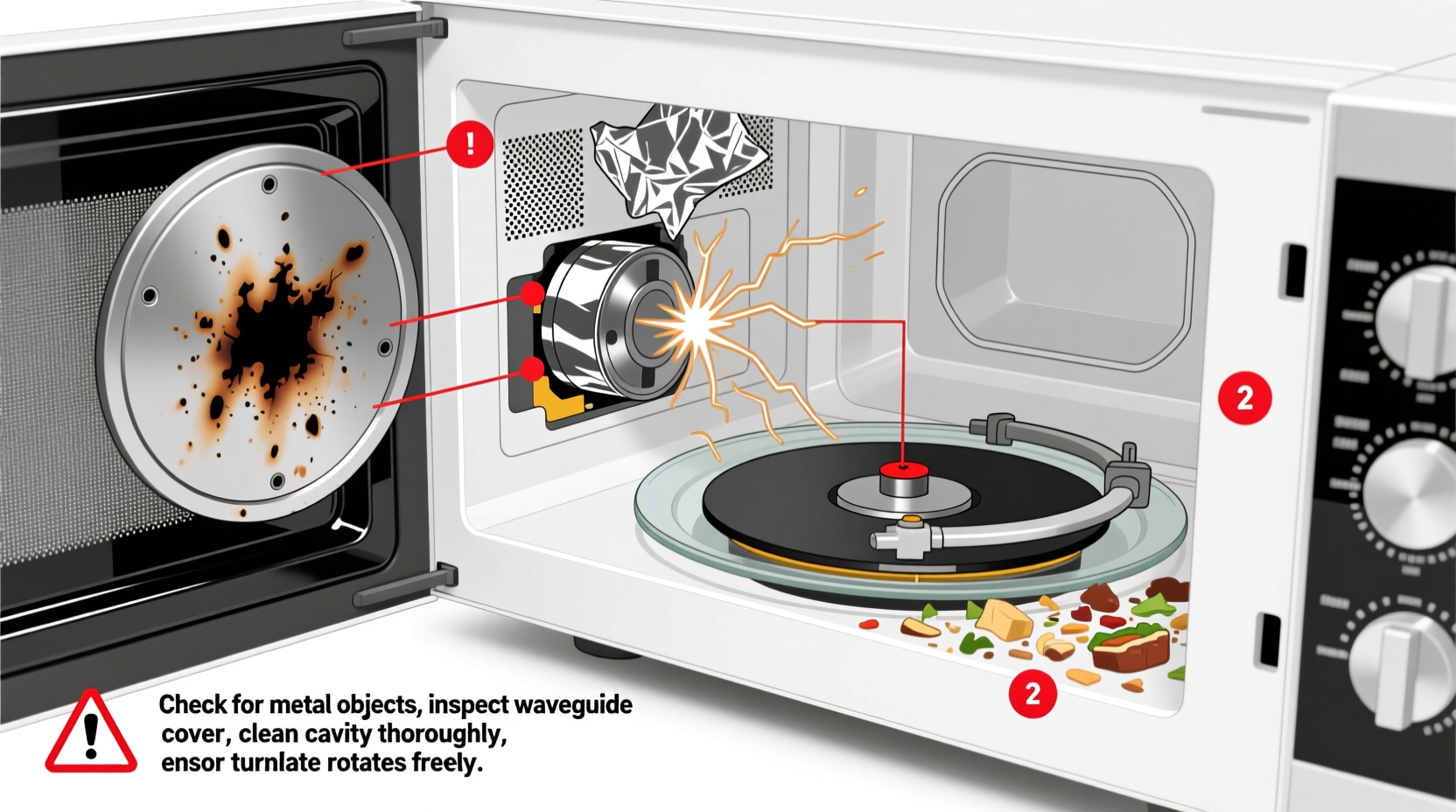
Microwave ovens use electromagnetic waves—specifically microwaves at around 2.45 GHz—to agitate water molecules in food, generating heat through friction. These waves bounce off the metal walls of the cavity and are absorbed by food. However, when certain materials or conditions interfere with this process, energy can concentrate in one spot, creating sparks.
Sparking, or arcing, occurs when microwaves induce an electrical current in conductive material. If that material has sharp edges or points—like crumpled aluminum foil or a metallic decoration on a plate—the charge builds up and jumps across gaps as visible sparks. This is similar to lightning but on a much smaller scale.
While modern microwaves have safety features, repeated sparking can degrade the magnetron (the component that generates microwaves), damage the waveguide cover (a protective panel inside the wall), or compromise the interior enamel coating.
Common Causes of Microwave Sparking When Heating Leftovers
Leftovers themselves don’t spark—but how they’re stored, packaged, or reheated often introduces problematic elements. Below are the most frequent culprits behind microwave arcing.
1. Metal in or on Food Packaging
Many takeout containers, frozen meal trays, and even some paper plates have hidden metal components. Foil lids, metallic ink on packaging, or thin foil linings can all trigger arcing. Even a small piece of aluminum foil left clinging to a pizza box corner can cause dramatic sparks.
2. Metallic Decorations on Dishes
Ceramic or porcelain plates with gold or silver trim may look elegant, but those metallic finishes are conductive. When exposed to microwaves, the trim heats rapidly and arcs, especially if chipped or worn.
3. Damaged Interior Coating
The inside of your microwave is coated with a special enamel designed to reflect microwaves safely. Over time, scratches, chips, or burns from overheated food can expose the underlying metal. Once exposed, these spots can become focal points for arcing.
4. Burned-On Food Residue
Charred or carbonized food splatters act like conductive material. If grease or sauce has baked onto the ceiling or walls of the microwave, it can absorb microwave energy and overheat, potentially leading to smoke or sparking.
5. Faulty or Damaged Waveguide Cover
The waveguide cover is a rectangular mica or plastic panel on the interior wall (usually the right side or ceiling) that protects the opening where microwaves enter the cavity. If this cover becomes wet, greasy, or damaged, it can absorb energy and burn, leading to sparking behind the panel.
“Metal in any form—visible or not—is the number one reason for microwave arcing. Consumers often don’t realize that even ‘microwave-safe’ packaging can have metallic elements.” — Dr. Linda Harper, Appliance Safety Engineer, Consumer Tech Institute
What to Check Now: A Step-by-Step Inspection Guide
If your microwave sparked during use, stop immediately. Unplug the unit and perform the following checks before attempting to use it again.
- Unplug the microwave – Safety first. Do not continue using or testing the appliance while plugged in.
- Remove all contents – Take out the turntable, roller ring, and any dishes or containers.
- Inspect the food container – Was there foil, a metallic label, or a non-microwave-safe dish? Even twist ties with metal wire can cause sparks.
- Examine your cookware – Look closely at plates, mugs, or bowls for metallic paint, trim, or glaze. When in doubt, test with a known microwave-safe item.
- Check the interior walls – Look for chipped enamel, rust, or burn marks. Run your fingers gently over the surface (when cool) to feel for rough or raised areas.
- Inspect the waveguide cover – This is usually a white or tan panel about 2x3 inches. Look for discoloration, holes, warping, or grease buildup. If it’s damaged, it must be replaced.
- Clean thoroughly – Use a damp cloth with mild soap to wipe down all interior surfaces. Avoid abrasive scrubbers that could worsen coating damage.
- Test with water – After cleaning and confirming no metal or damage, place a microwave-safe cup of water inside and run for 1 minute. If no sparks occur, the issue was likely temporary.
Do’s and Don’ts: Microwave Safety Checklist
| Do’s | Don’ts |
|---|---|
| Use only microwave-safe containers labeled as such | Never put metal utensils, foil, or pans in the microwave |
| Cover food with a microwave-safe lid or paper towel | Avoid containers with metallic paint or trim |
| Clean spills and splatters promptly | Don’t operate the microwave empty |
| Inspect the waveguide cover monthly | Don’t use abrasive cleaners or steel wool on interior surfaces |
| Replace damaged turntable rollers or supports | Never ignore recurring sparks—even if they seem minor |
Real Example: The Takeout Box Incident
Sarah reheated leftover Thai food in its original cardboard container. Midway through, she noticed bright flashes and a burning smell. She stopped the microwave and found that the container had a thin foil lining beneath the sauce compartment—a detail not mentioned on the packaging. The foil had begun to curl, creating multiple arcing points.
After removing the container, Sarah inspected the microwave and discovered scorch marks near the waveguide cover. She cleaned the interior and replaced the mica cover ($12 online). Since switching to glass containers for leftovers, she hasn’t had another incident.
This case highlights how easily overlooked packaging details can lead to serious issues—even with reputable restaurants. Always transfer leftovers to a known microwave-safe dish before heating.
When to Repair vs. Replace Your Microwave
Not all sparking means you need a new microwave. Minor issues like food residue or a faulty waveguide cover are inexpensive to fix. But structural damage or repeated arcing may signal it’s time for replacement.
- Repair if: The waveguide cover is dirty or slightly burned, the enamel is scratched but not deep, or sparking was caused by a one-time mistake (e.g., metal fork).
- Replace if: There are large chips in the interior coating exposing metal, the magnetron shows signs of failure (no heating after sparking), or the unit is over 8–10 years old.
Waveguide covers can be replaced in under 10 minutes with basic tools. Replacement kits are available for most models and typically cost between $10 and $20. However, if the cavity walls are corroded or pitted, professional repair isn’t economical—replacement is safer and more efficient.
Frequently Asked Questions
Can a sparking microwave catch fire?
Yes. Persistent arcing can ignite food debris, grease, or even the internal components. While rare, microwave fires do occur—especially when sparking is ignored. If you see smoke or flames, unplug the unit immediately and do not open the door until the fire suffocates.
Is it safe to use the microwave after it sparks once?
Only if you’ve identified and removed the cause—such as taking out a foil-covered dish—and confirmed no internal damage. If sparking happens repeatedly without an obvious external cause, the appliance should not be used.
Why did my microwave spark even though I used a microwave-safe plate?
Some “microwave-safe” dishes have subtle metallic elements in the glaze or design. Others may have micro-cracks that trap moisture and carbon, creating conductive paths. Also, if the plate was cracked or chipped, it could behave unpredictably under microwave energy.
Preventing Future Sparks: Best Practices for Leftover Reheating
Adopting a few simple habits can eliminate the risk of sparking and extend your microwave’s life.
- Transfer to glass or ceramic: Move leftovers from takeout containers into a microwave-safe dish.
- Avoid plastic unless labeled safe: Some plastics warp or leach chemicals; others have coatings that react poorly.
- Cover loosely: Use a microwave-safe lid, wax paper, or paper towel to prevent splatters without trapping steam excessively.
- Stir halfway: Promotes even heating and reduces hotspots that can char food and create carbon deposits.
- Wipe after use: A quick clean prevents buildup that could lead to future arcing.
Conclusion: Act Now, Stay Safe
Sparks in your microwave are a warning—not just a nuisance. While reheating leftovers should be a simple, safe task, introducing the wrong container or ignoring appliance wear can lead to hazardous situations. By understanding the causes of arcing and performing regular inspections, you protect both your kitchen and your household.
Take action today: unplug your microwave, inspect it thoroughly, and clean or replace any compromised parts. Make it a habit to transfer leftovers to safe containers and avoid anything with metal—even if it seems harmless. Your microwave is a powerful tool, but only when used correctly.




 浙公网安备
33010002000092号
浙公网安备
33010002000092号 浙B2-20120091-4
Comments
No comments yet. Why don't you start the discussion?