
Nail polish that lifts or flakes just hours after application is a frustrating experience shared by many—whether you're doing your nails at home or paying for a professional service. The effort, time, and cost of a fresh manicure should last more than a day. Yet, chipping remains one of the most common complaints in nail care. While some wear is expected, premature chipping usually points to avoidable errors in preparation, application, or aftercare. Understanding the root causes and implementing precise corrections can dramatically extend the life of your manicure.
The truth is, even high-end polishes fail when applied over improperly prepped nails or exposed to damaging habits. Longevity isn’t just about the brand—it’s about technique, environment, and maintenance. By identifying where your routine might be falling short, you can transform your manicure from fleeting to resilient.
The Science Behind Nail Polish Adhesion
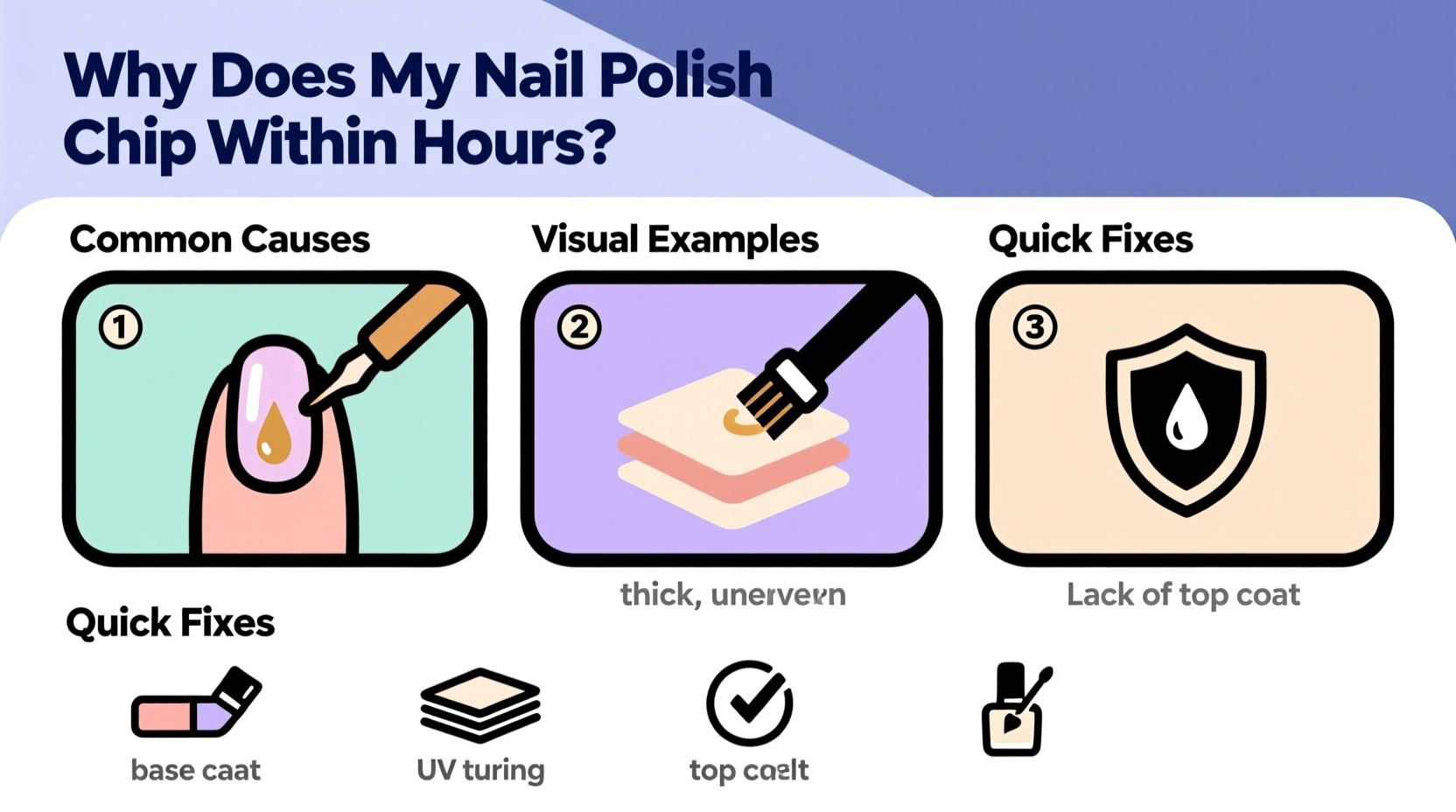
Nail polish doesn’t “stick” like glue; it bonds chemically and mechanically to the nail plate. For this bond to hold, the surface must be clean, dry, and slightly porous. When oils, moisture, or residue remain on the nail, the polish adheres poorly and begins to lift at the edges almost immediately. Additionally, natural nail movement—especially during typing, washing hands, or gripping objects—creates micro-stresses that test the polish’s flexibility and adhesion.
Premature chipping often occurs at stress points: the tips, sides, and cuticle area. These zones endure the most contact and bending. A polish may look flawless right after drying but begin to peel within hours due to weak initial bonding. This isn't always a flaw in the product—it's frequently a flaw in the process.
“Over 70% of early chipping cases I see stem from inadequate nail prep, not poor-quality polish.” — Dana Reyes, Master Nail Technician & Educator
5 Common Errors That Cause Early Chipping
1. Skipping Proper Nail Dehydration
Many people wash their hands or remove old polish before painting, but they don’t follow up with proper nail dehydration. Nails absorb water quickly, and even slight moisture under polish prevents proper adhesion. Water trapped beneath polish expands as it evaporates, creating tiny bubbles and lifting the color layer.
2. Using Oily Cuticle Removers or Moisturizers Before Painting
Cuticle oils and creams are essential for nail health—but timing matters. Applying them before polish creates a slick barrier that repels color and base coat. Even if you wipe them off, microscopic oil residues linger.
The correct sequence: push back cuticles, clean nails, apply polish, then moisturize. Wait at least 15 minutes after painting to apply oil, allowing the layers to set.
3. Inadequate Base Coat Application
The base coat isn’t optional. It serves three critical functions: sealing the nail surface, preventing staining, and enhancing polish adhesion. Skipping it—or using an old, thickened base coat—compromises the entire manicure.
Some users assume all base coats are equal, but formulations vary. A ridge-filling base may not offer strong adhesion, while a strengthening formula might lack flexibility. Choose a base coat designed specifically for longevity, not just smoothing.
4. Thick Coats of Polish
Thick layers take longer to dry and shrink unevenly as they cure, creating tension that leads to cracking and peeling. They also trap solvents, which continue to evaporate days later, weakening the film.
Thin, even layers dry faster, adhere better, and build a flexible, durable finish. Two thin coats outperform one thick one every time.
5. Neglecting the Sealing Step (Free Edge)
Failing to cap the free edge of the nail is one of the most overlooked yet critical steps. The tip of the nail experiences the most friction—typing, opening cans, brushing hair—all create forces that lift unsealed polish.
Each coat—base, color, and top—should wrap slightly over the edge of the nail to form a protective seal. Without this, polish starts flaking from the tip within hours.
Do’s and Don’ts: Nail Prep and Application Checklist
| Action | Do | Don’t |
|---|---|---|
| Nail Cleaning | Use alcohol or nail prep solution after washing | Paint over damp or oily nails |
| Cuticle Care | Push back gently; moisturize after polish dries | Apply oil before painting |
| Base Coat | Use a fresh, adhesive-promoting formula | Skip it or use an expired bottle |
| Color Application | Apply two thin coats, fully dry between | Apply one thick coat |
| Top Coat | Cap the free edge; reapply every 2–3 days | Only paint the nail surface |
| Drying Time | Wait 2+ minutes between coats; avoid heavy use for 1 hour | Touch or rush into tasks immediately |
Step-by-Step Guide to a Chip-Resistant Manicure
Follow this detailed routine to maximize polish retention. The entire process takes 20–25 minutes but can extend your manicure by 5–7 days.
- Remove old polish with acetone-free remover to avoid excessive drying. Wipe thoroughly.
- Shape nails with a file (180-grit), filing in one direction to prevent splitting.
- Soak hands briefly in warm, soapy water to soften cuticles—no longer than 2 minutes.
- Push back cuticles gently with a wooden stick; avoid cutting unless necessary.
- Rinse and dry completely, including under the nails. Use a towel, then air-dry for 3–5 minutes.
- Dehydrate nails: Wipe each nail with a lint-free pad and 99% isopropyl alcohol or nail prep solution.
- Apply base coat: Cover the entire nail and wrap slightly over the free edge. Let dry 2–3 minutes.
- First color coat: Apply a thin, even layer from cuticle to tip, sealing the edge. Wait 3–4 minutes to dry.
- Second color coat: Repeat with another thin layer. Avoid flooding the cuticle.
- Top coat: Use a quality quick-dry or gel-like top coat. Seal the free edge and smooth the surface.
- Dry undisturbed for at least 1 hour. Avoid water, typing, or pressure.
- Maintain: Reapply top coat every 48 hours to reinforce protection.
Real-Life Case: Sarah’s Weekend Manicure Disaster
Sarah, a 32-year-old teacher, booked a salon appointment for a deep red manicure before a wedding. By Sunday evening—less than 36 hours later—her polish was peeling at the tips and flaking near the cuticles. Frustrated, she returned to the salon, where the technician reviewed her habits.
It turned out Sarah washed her hands frequently (over 15 times daily), used hand sanitizer constantly, and applied cuticle oil immediately after the manicure. She also slept with cotton gloves, thinking it would protect her nails—but the fabric created friction that lifted the polish overnight.
The fix? The technician advised her to wait two hours after her appointment before applying oil, switch to a hydrating hand cream instead of sanitizer when possible, and stop wearing gloves to bed. On her next visit, following these adjustments, her manicure lasted nine full days with only minor tip wear.
This case highlights how behavior after application can undo even a perfectly executed salon job.
Environmental and Lifestyle Factors That Accelerate Chipping
Beyond technique, daily habits play a major role in polish longevity. Common culprits include:
- Excessive hand washing: Water softens polish and swells the nail, breaking the bond.
- Household cleaners: Harsh chemicals degrade polish faster than water alone.
- Typing and phone use: Constant fingertip contact with hard surfaces causes micro-lifting.
- Swimming or soaking: Prolonged exposure to chlorinated or salt water weakens adhesion.
- Diet and hydration: Brittle, dehydrated nails are more prone to flexing and peeling polish.
Wearing gloves during chores, minimizing sanitizer use, and using a nourishing hand cream throughout the day can mitigate these effects. Consider switching to breathable nail polish if you’re frequently exposed to water or chemicals.
FAQ: Your Top Questions Answered
Can I fix chipped polish without redoing the whole nail?
Yes. Clean the area with polish remover, apply a tiny drop of matching color to the chip, let it dry, then seal with a small brush of top coat. Blot gently if needed. This works best for minor edge lifts or pin-sized chips.
Does using a UV/LED lamp really prevent chipping?
For gel polish, yes. Curing under UV or LED light creates a cross-linked polymer layer that resists chipping far better than air-dried polish. However, improper curing (underexposure or dirty bulbs) can cause lifting. For regular polish, lamps do nothing—only top coats designed to speed drying help.
Why does my polish chip even when I use expensive brands?
High price doesn’t guarantee durability. Some luxury polishes prioritize pigment or finish over wear resistance. Also, no polish can overcome poor prep or harsh conditions. Always pair premium products with proper technique.
Final Tips for Lasting Results
Achieving a long-wearing manicure isn’t magic—it’s method. Consistency in preparation, precision in application, and mindfulness in aftercare separate those who re-paint weekly from those who enjoy beautiful nails for over a week.
Reevaluate your routine step by step. Are you rushing the drying time? Skipping the edge seal? Over-moisturizing too soon? Small changes yield dramatic improvements. Keep a nail journal if needed: note what polish, base, and habits led to success or failure.
Conclusion: Transform Your Manicure Mindset
Your nail polish shouldn’t vanish by bedtime. With the right knowledge, anyone can achieve a durable, glossy finish that lasts. Stop blaming the polish and start refining the process. From dehydration to edge sealing, every detail counts. Implement these fixes consistently, and you’ll spend less time repainting and more time showing off your nails.




 浙公网安备
33010002000092号
浙公网安备
33010002000092号 浙B2-20120091-4
Comments
No comments yet. Why don't you start the discussion?