
It starts without warning: a sudden trickle from your nostril, no sneezing, no cold symptoms—just a persistent, annoying runny nose. You're not sick, yet the drip continues throughout the day. This experience is more common than you might think, and while it may seem trivial, chronic nasal drainage can interfere with daily life, cause embarrassment, and even lead to secondary issues like postnasal drip or throat irritation.
The truth is, a runny nose rarely occurs \"for no reason.\" Instead, it's often a response to subtle environmental triggers that go unnoticed. From indoor air quality to temperature shifts and allergens invisible to the naked eye, your nasal passages are constantly reacting to changes in your surroundings. Understanding these hidden causes—and knowing how to manage them—is key to finding lasting relief.
How Your Nose Responds to Environmental Triggers
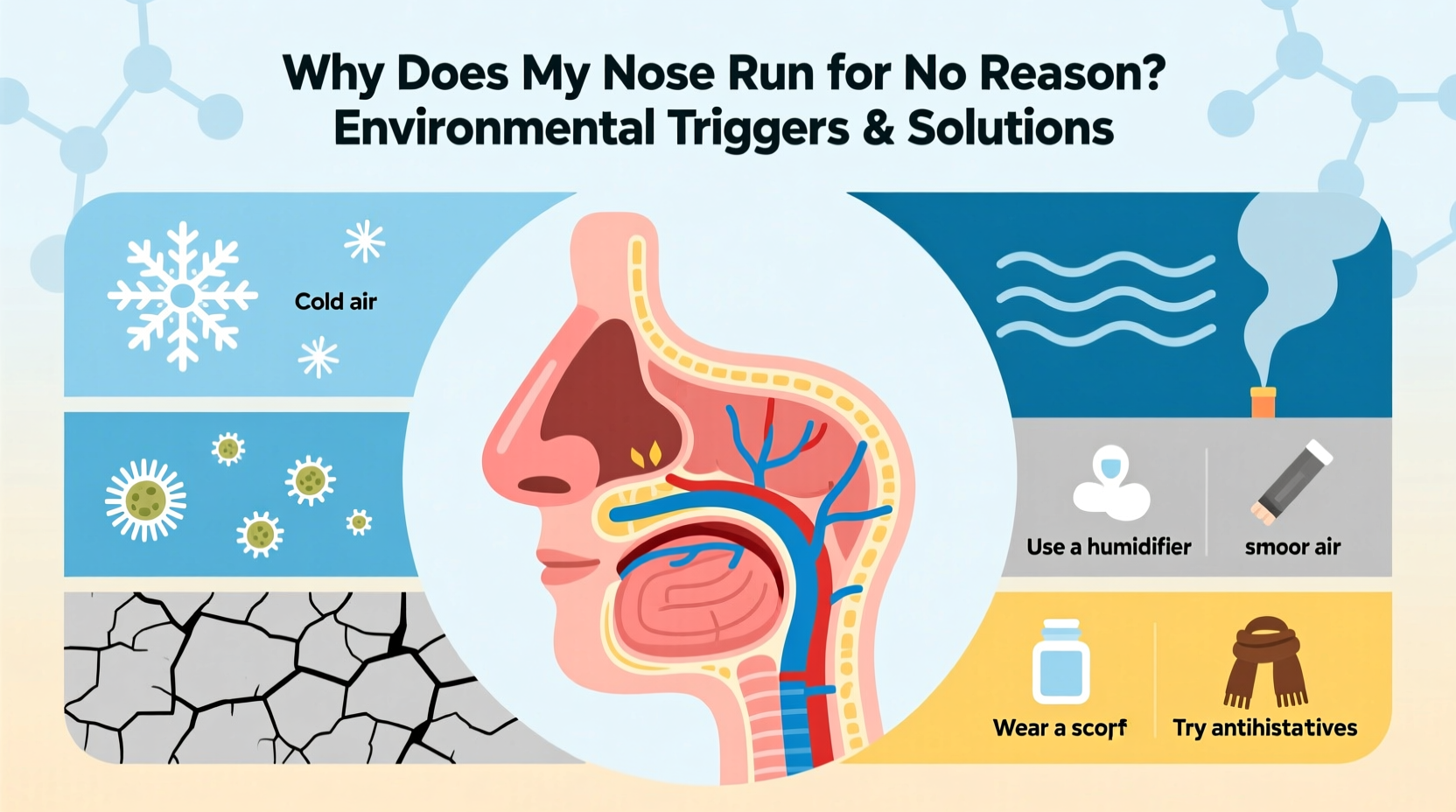
Your nasal cavity is lined with mucous membranes designed to filter, warm, and humidify the air you breathe. When exposed to irritants or sudden environmental changes, these membranes increase mucus production as a protective mechanism. This process, known as rhinorrhea, is your body’s way of flushing out particles, pathogens, or irritants before they reach your lungs.
Unlike infectious rhinitis (caused by colds or flu), non-infectious rhinitis is often triggered by external stimuli. The condition is medically referred to as non-allergic rhinitis when no immune response is involved. It affects up to 20% of the population and is particularly prevalent in adults over 20, especially women and those with hormonal fluctuations or sensitivities to airborne compounds.
Common Environmental Factors That Trigger a Runny Nose
While allergies get most of the attention, many people suffer from nasal responses caused by non-allergenic environmental conditions. These are often overlooked because they don’t involve typical allergy markers like itchy eyes or skin rashes.
1. Temperature and Humidity Changes
Sudden shifts in temperature—like stepping outside on a cold morning or entering an overheated building—can shock nasal tissues. Cold air is dry and forces your nose to produce extra mucus to humidify incoming air. Similarly, moving between air-conditioned spaces and hot outdoor environments creates rapid condensation inside nasal passages, leading to dripping.
2. Indoor Air Pollutants
Indoor air can be up to five times more polluted than outdoor air, according to the U.S. Environmental Protection Agency. Common culprits include:
- Volatile organic compounds (VOCs) from cleaning products, paints, or new furniture
- Tobacco smoke or vaping aerosols
- Dust mites, pet dander, and mold spores
- Fragranced candles, air fresheners, and essential oil diffusers
These substances irritate the nasal lining, prompting increased mucus secretion even in individuals without diagnosed allergies.
3. Strong Odors and Chemical Sensitivities
Some people have heightened olfactory sensitivity. Perfumes, gasoline fumes, chlorine in pools, or industrial chemicals can trigger a reflexive nasal response. This is sometimes called “vasomotor rhinitis,” where nerve endings in the nose overreact to sensory stimuli.
4. Low-Quality HVAC Systems
Heating, ventilation, and air conditioning (HVAC) systems that aren’t regularly cleaned circulate dust, fungi, and debris. Poorly maintained filters allow particulates to pass through, directly impacting respiratory health. Recirculated dry air also dehydrates nasal membranes, paradoxically causing them to overproduce mucus in compensation.
5. High Altitude and Dry Climates
In arid regions or at high elevations, low humidity levels force your nasal passages to work harder to condition the air. Chronic exposure leads to ongoing mucus production and a sensation of constant dripping, especially upon waking.
“Many patients come in thinking they have allergies, but their symptoms align more closely with environmental irritant exposure. Simple changes in home ventilation or personal habits can dramatically reduce nasal symptoms.” — Dr. Lena Patel, Otolaryngologist, Cleveland Clinic
Solutions to Reduce and Prevent a Runny Nose
Managing a chronically runny nose begins with identifying and minimizing exposure to environmental triggers. Unlike allergic rhinitis, which may require antihistamines or immunotherapy, non-allergic rhinitis responds best to lifestyle adjustments and environmental control.
Step-by-Step Guide to Improving Nasal Comfort
- Assess Your Environment: Walk through your home and workplace. Identify sources of strong odors, dust accumulation, or poor airflow. Note any recent renovations, new furniture, or scented products.
- Upgrade Air Filtration: Replace standard HVAC filters with HEPA-rated ones. Consider using standalone HEPA air purifiers in bedrooms and offices, especially if you spend long hours indoors.
- Control Humidity Levels: Use a hygrometer to monitor indoor humidity. Ideal levels are between 40% and 60%. Below 30%, consider using a humidifier; above 60%, use a dehumidifier to prevent mold growth.
- Eliminate Artificial Fragrances: Switch to fragrance-free detergents, soaps, and cleaning agents. Avoid plug-in air fresheners and scented candles, which release volatile compounds linked to respiratory irritation.
- Rinse Nasal Passages Regularly: A saline nasal rinse (using a neti pot or squeeze bottle) helps flush out irritants and soothe inflamed tissues. Use distilled or boiled water to avoid contamination.
- Wear a Scarf in Cold Weather: Covering your nose in winter warms and humidifies incoming air, reducing the need for excess mucus production.
- Stay Hydrated: Drinking adequate water thins mucus and supports healthy mucosal function. Aim for at least 2 liters per day, more if you live in a dry climate.
Do’s and Don’ts: Managing Environmental Rhinitis
| Do | Don’t |
|---|---|
| Use saline sprays multiple times a day to moisturize nasal passages | Overuse medicated nasal sprays (e.g., oxymetazoline) beyond 3 days—risk of rebound congestion |
| Change HVAC filters every 1–3 months | Ignore musty smells or visible mold in bathrooms and basements |
| Shower before bed to remove pollutants collected on hair and skin | Place air purifiers behind furniture where airflow is blocked |
| Keep windows closed during high pollen or pollution days | Assume your runny nose is “normal” without investigating causes |
| Track symptoms alongside weather and indoor conditions | Use bleach-based cleaners near living areas without proper ventilation |
Real-Life Example: Office Worker Finds Relief After Air Quality Upgrade
Sarah, a 34-year-old project manager in Denver, experienced a runny nose almost every workday. It worsened in the afternoons, despite having no history of allergies. Over-the-counter antihistamines didn’t help. After consulting an ENT specialist, she learned her office had outdated HVAC filters and used scented disinfectants daily.
She requested a change to fragrance-free cleaning products and brought a portable HEPA air purifier to her desk. Within two weeks, her nasal symptoms decreased by 80%. Her doctor credited the improvement to reduced exposure to airborne irritants. Sarah now monitors indoor air quality at home too, using a smart sensor to track VOCs and humidity.
When to Seek Medical Advice
While environmental factors explain most cases of non-allergic rhinorrhea, some underlying medical conditions mimic similar symptoms. Consult a healthcare provider if you experience:
- Persistent symptoms lasting more than three months despite environmental changes
- One-sided nasal discharge, especially if bloody or foul-smelling (could indicate polyps or sinus infection)
- Facial pain, pressure, or recurrent sinus infections
- Loss of smell or taste
A specialist may perform a nasal endoscopy or imaging tests to rule out structural issues like deviated septum, nasal polyps, or cerebrospinal fluid (CSF) leakage—a rare but serious condition where clear fluid leaks from the brain.
FAQ: Common Questions About Unexplained Runny Nose
Can dehydration cause a runny nose?
No—dehydration typically causes thicker mucus and nasal congestion. However, chronic dehydration impairs mucosal health, making the nose more reactive to irritants, which may indirectly contribute to overproduction of mucus when exposed to triggers.
Is a runny nose a sign of allergies if skin tests are negative?
Not necessarily. Negative allergy tests suggest non-allergic rhinitis. This condition involves nasal hypersensitivity without an immune-mediated allergic response. Triggers are often environmental, hormonal, or medication-related (such as blood pressure drugs).
Why does my nose run only when I eat?
This could be gustatory rhinitis, commonly triggered by hot, spicy foods. It’s a reflex where eating stimulates nasal glands. While usually harmless, it can be managed by avoiding known food triggers or using ipratropium bromide nasal spray under medical guidance.
Conclusion: Take Control of Your Nasal Health
A runny nose isn’t something you should just accept as normal. More often than not, it’s your body signaling that something in your environment needs attention. By systematically evaluating air quality, eliminating chemical irritants, and adopting simple protective habits, you can significantly reduce or even eliminate unexplained nasal drainage.
Start small—replace one scented product, clean your air filters, or try a nightly saline rinse. Track your progress and adjust as needed. Your nasal passages are sensitive barometers of your surroundings; treat them with care, and they’ll respond with comfort and clarity.




 浙公网安备
33010002000092号
浙公网安备
33010002000092号 浙B2-20120091-4
Comments
No comments yet. Why don't you start the discussion?