
It’s a familiar scene: you step outside on a crisp winter morning, and within seconds, your nose begins to drip uncontrollably. No allergies. No cold. Just cold air—and a constant stream of mucus. This phenomenon, known as cold-induced rhinorrhea, affects millions of people every winter. While it may seem like a minor annoyance, persistent nasal drainage can lead to chapped skin, sore throats, and even disrupted sleep. The good news is that this reaction is both normal and manageable—without relying on medications. Understanding the science behind it and adopting targeted natural strategies can significantly reduce or even prevent a runny nose when temperatures drop.
The Science Behind Cold-Weather Nose Drips
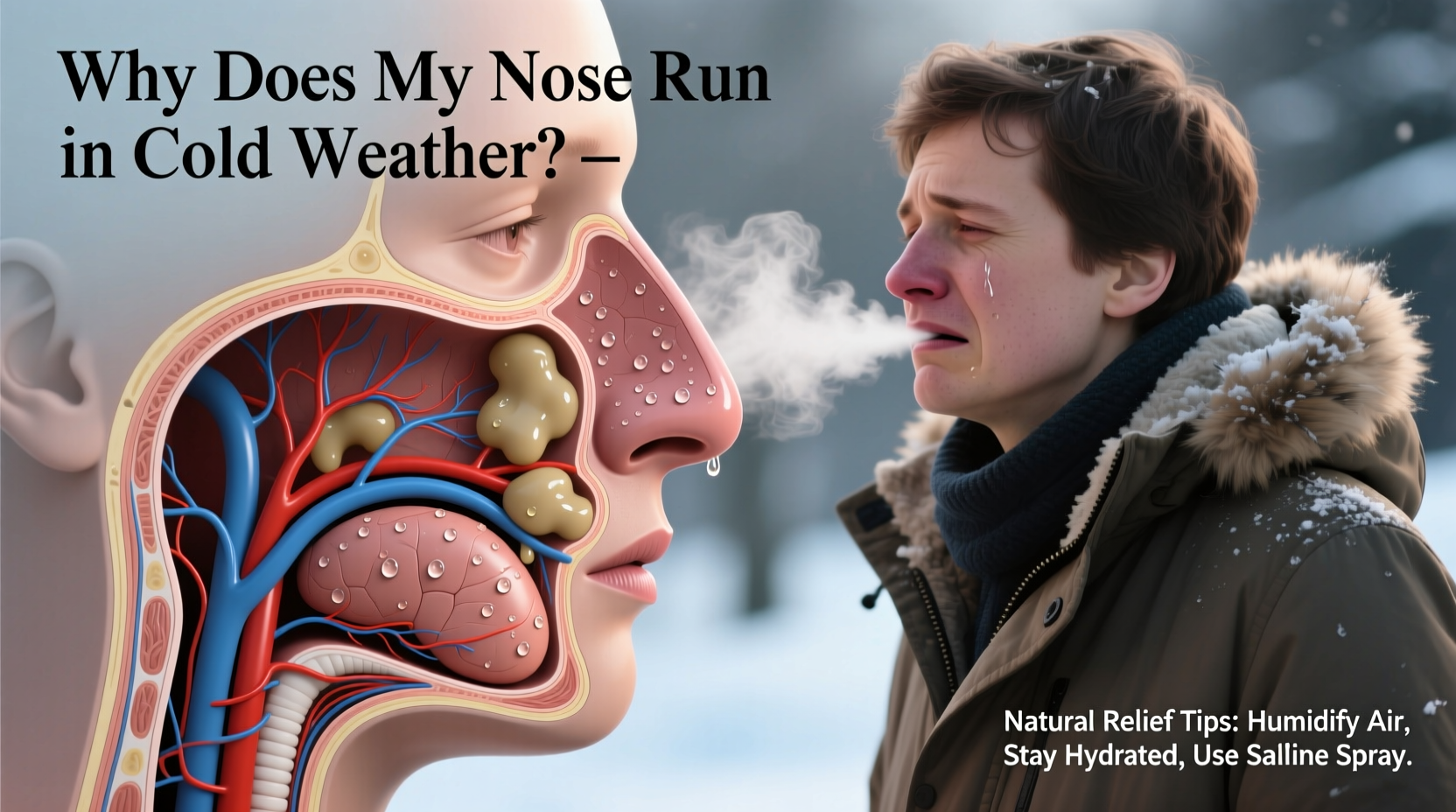
Your nose isn’t malfunctioning when it runs in the cold—it’s actually doing its job. The nasal passages are lined with blood vessels and mucous membranes designed to condition the air you breathe. When cold, dry air enters your nostrils, your body responds by increasing blood flow to warm and humidify it before it reaches your lungs. This process causes the nasal tissues to swell slightly and produce more mucus, which traps particles and protects delicate respiratory tissue from irritation.
This reflex is controlled by the autonomic nervous system, specifically the parasympathetic branch, which activates glands in the nasal lining to secrete fluid. In essence, your nose acts like a biological humidifier, and the excess mucus is a byproduct of that effort. Research shows that exposure to air below 40°F (4°C) can trigger noticeable nasal discharge in up to 70% of adults, particularly during physical activity like running or brisk walking.
“Cold air rhinorrhea is not a sign of illness—it’s a protective mechanism. The nose is working harder to prepare inhaled air for the lungs.” — Dr. Lena Patel, Rhinology Specialist, Massachusetts Eye and Ear
Natural Causes vs. Other Conditions
While cold-induced rhinorrhea is common, it’s important to distinguish it from other conditions that mimic its symptoms. A clear, watery discharge triggered immediately upon cold exposure—especially without sneezing, congestion, or postnasal drip—is typically benign. However, if symptoms persist indoors or are accompanied by itching, facial pressure, or colored mucus, another issue may be at play.
| Symptom | Cold-Induced Rhinorrhea | Allergic Rhinitis | Vasomotor Rhinitis |
|---|---|---|---|
| Trigger | Cold air | Allergens (pollen, dust) | Temperature changes, smoke, strong odors |
| Mucus Type | Clear, watery | Clear, runny | Clear, variable |
| Onset Time | Seconds to minutes after cold exposure | Minutes after allergen contact | Immediate with triggers |
| Duration | Resolves within 15–30 min indoors | Persistent while exposed | Intermittent, unpredictable |
| Other Symptoms | None or mild nasal tingling | Sneezing, itchy eyes | Postnasal drip, congestion |
Understanding these distinctions helps ensure you’re treating the right cause. Misdiagnosing cold-induced rhinorrhea as an allergy could lead to unnecessary antihistamine use, while overlooking vasomotor rhinitis might mean missing broader environmental sensitivities.
How to Stop a Runny Nose Naturally: 7 Proven Methods
Medications like decongestants and anticholinergics can help, but they often come with side effects such as dry mouth or drowsiness. Fortunately, several natural, low-risk approaches can reduce or prevent cold-weather nasal drips by supporting your body’s adaptation to temperature changes.
1. Breathe Through Your Nose
One of the most effective yet overlooked strategies is conscious nasal breathing. When you inhale through your mouth in cold weather, unconditioned air bypasses the nasal filtration system, increasing irritation and triggering excess mucus production. Nasal breathing warms and moistens air more efficiently, reducing the workload on your sinuses.
A 2020 study published in the International Journal of Sports Medicine found that runners who practiced nasal breathing during cold-weather training reported 40% less rhinorrhea than those who breathed orally.
2. Use a Scarf or Face Covering
Wearing a scarf loosely over your nose and mouth creates a microenvironment that recycles warmth and moisture from your exhaled breath. This pre-warms incoming air, reducing the shock to your nasal passages.
For best results, choose breathable fabrics like cotton or fleece. Avoid tight synthetic masks unless necessary, as they may trap too much moisture and promote bacterial growth.
3. Stay Hydrated
Dehydration thickens mucus and stresses mucosal linings, making them more reactive to cold. Drinking adequate water—about 2–3 liters daily depending on activity—keeps secretions thin and your nasal tissues resilient.
Warm fluids like herbal teas (chamomile, ginger, or licorice root) offer dual benefits: hydration and soothing warmth that supports nasal comfort.
4. Support Immunity with Key Nutrients
Nutritional status influences mucosal health. Deficiencies in vitamin D, zinc, and omega-3 fatty acids are linked to increased nasal sensitivity and inflammation.
- Vitamin D: Supports immune regulation; supplement during winter months (1,000–2,000 IU/day).
- Zinc: Strengthens epithelial barriers; found in pumpkin seeds, lentils, and oysters.
- Omega-3s: Reduce inflammatory responses; consume flaxseeds, walnuts, or fatty fish.
5. Practice Nasal Irrigation
Using a saline rinse (like a neti pot) once daily during winter can flush irritants and balance nasal pH. This strengthens mucosal defenses and reduces overproduction of mucus in response to cold.
Always use distilled or boiled water and clean equipment thoroughly to avoid infection.
6. Humidify Indoor Air
Dry indoor heating systems strip moisture from the air, drying out nasal passages and making them more reactive when you go outside. Using a cool-mist humidifier in bedrooms or workspaces maintains optimal humidity (40–60%), preventing tissue stress.
7. Gradual Cold Exposure Training
Some evidence suggests that regular, short exposures to cold air can desensitize nasal reflexes over time. Start with 5-minute walks in cool weather and gradually increase duration. This mimics the adaptation seen in winter athletes and outdoor workers who report fewer symptoms after consistent exposure.
“Like building tolerance to heat or altitude, mild cold acclimatization can recalibrate nasal responsiveness.” — Dr. Alan Zhou, Environmental Physiology Researcher, University of Colorado
Step-by-Step Guide to Managing Winter Nasal Drip
Implementing these strategies doesn’t have to be overwhelming. Follow this daily and seasonal plan to minimize discomfort:
- Morning (Indoors): Perform a gentle saline nasal rinse to clear overnight buildup.
- Before Going Out: Drink a cup of warm herbal tea and cover your nose with a scarf.
- During Outdoor Activity: Focus on slow, nasal breathing. If exertion forces mouth breathing, pause briefly to reset.
- After Returning Indoors: Gently blow your nose and rehydrate with warm water or broth.
- Evening: Run a humidifier in your bedroom and consider a small serving of zinc-rich food (e.g., cashews or chickpeas).
- Weekly: Clean your humidifier and nasal irrigation tools. Reflect on symptom patterns.
- Seasonally: Begin vitamin D supplementation in October and continue through March.
Real-Life Example: Sarah’s Winter Running Routine
Sarah, a 34-year-old trail runner from Minnesota, used to dread winter workouts because her nose would drip continuously, soaking her jacket and leaving her skin raw. She assumed it was just “part of being outdoors,” until a sports medicine clinic suggested she try nasal breathing techniques and pre-breathing warm air under a scarf.
She started practicing diaphragmatic breathing with closed lips during short walks. Within two weeks, she could maintain nasal inhalation during light jogs. Combined with daily saline rinses and indoor humidification, her symptoms dropped by 80%. Now, she runs year-round with minimal nasal issues—proof that behavioral changes can override automatic physiological responses.
Do’s and Don’ts: Quick Reference Table
| Action | Do | Don't |
|---|---|---|
| Breathing | Breathe through your nose when possible | Gasping through your mouth in freezing air |
| Hydration | Drink warm fluids regularly | Rely only on coffee or alcohol (dehydrating) |
| Outdoor Protection | Use a breathable scarf or neck gaiter | Wear a wet or tight mask that restricts airflow |
| Nasal Care | Rinse with saline solution 1x/day | Overuse medicated nasal sprays |
| Environment | Use a humidifier indoors | Run heaters without moisture control |
Frequently Asked Questions
Is a runny nose in cold weather a sign of weak immunity?
No. Cold-induced rhinorrhea is a normal physiological response, not an indicator of poor health. It occurs regardless of immune strength and is seen even in elite athletes.
Can children outgrow this reaction?
Some do. As nasal passages mature and breathing habits stabilize, many children experience fewer symptoms by adolescence. However, others remain sensitive into adulthood.
Are there any herbs that help reduce nasal drip?
Yes. Butterbur and quercetin have shown anti-inflammatory effects on nasal mucosa, though research primarily focuses on allergic rhinitis. For cold-induced cases, warming herbs like ginger and cinnamon may support circulation and mucus balance, though clinical evidence is limited.
Conclusion: Take Control of Cold-Weather Comfort
A runny nose in cold weather is not something you must endure. By understanding the role your nose plays in protecting your lungs and applying simple, science-aligned strategies, you can stay active and comfortable all winter long. From mindful breathing to strategic hydration and environmental adjustments, natural solutions offer lasting relief without dependency on drugs.
Start small—try covering your nose with a scarf tomorrow or sip warm tea before heading out. Track what works, refine your routine, and reclaim your winter days. Your nose doesn’t have to run just because the temperature drops.




 浙公网安备
33010002000092号
浙公网安备
33010002000092号 浙B2-20120091-4
Comments
No comments yet. Why don't you start the discussion?