
It’s a familiar sensation: stepping outside on a crisp winter morning, taking a deep breath of cold air—and suddenly, your nose starts dripping uncontrollably. You’re not imagining things, and you’re certainly not alone. This phenomenon, often called “cold-induced rhinorrhea,” affects millions of people every winter. But what exactly causes it? Is it a sign of illness, or just your body doing its job under unusual conditions? The answer lies in the intricate way your nasal passages respond to temperature and humidity changes.
Your nose is far more than just a facial feature—it’s a highly sophisticated air-processing system. It warms, humidifies, and filters the air you breathe before it reaches your lungs. When exposed to cold, dry air, this system kicks into overdrive, sometimes producing excess mucus as a protective measure. While inconvenient, this response is typically harmless and entirely normal. Understanding the science behind it can help you manage symptoms and distinguish between a simple weather reaction and something that might require medical attention.
The Science Behind Cold-Weather Nose Drips
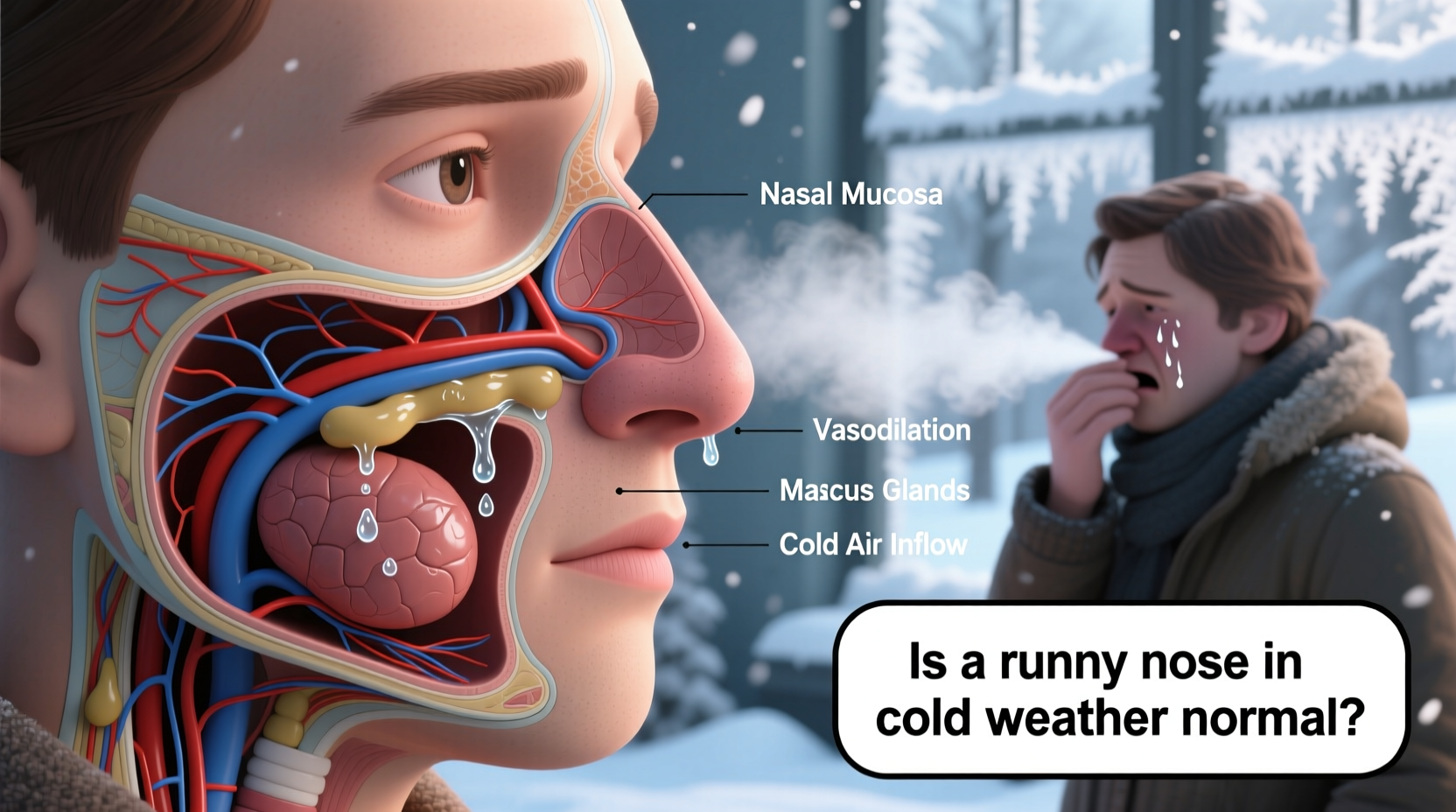
When cold air enters your nasal cavity, it triggers a physiological chain reaction designed to protect your respiratory system. The lining of your nose—known as the nasal mucosa—is rich in blood vessels and mucus-producing glands. Its primary role is to condition incoming air so it matches your body’s internal environment by the time it reaches your lungs.
In cold weather, two key factors come into play:
- Air Temperature: Cold air is harder for your lungs to handle. To warm it efficiently, your nasal blood vessels dilate (a process called vasodilation), increasing blood flow to the area. This warming effect also stimulates mucus production.
- Air Dryness: Winter air tends to be very dry, especially indoors where heating systems reduce humidity. Dry air can irritate the nasal lining, prompting your body to produce more mucus to keep the tissue moist and prevent cracking or damage.
As a result, your nose may produce up to 30% more mucus in cold conditions. Much of this mucus normally drains down the back of your throat unnoticed. But when production exceeds absorption—or when temperature shifts cause fluid to condense inside the nasal passage—it accumulates and begins to drip out the front.
Is It Normal or a Sign of Illness?
For most people, a runny nose in cold weather is a normal, temporary reaction. However, it’s important to differentiate this from symptoms of allergies, infections, or chronic conditions like non-allergic rhinitis.
Consider these distinguishing features:
| Feature | Cold-Induced Rhinorrhea | Common Cold or Infection |
|---|---|---|
| Onset | Immediate upon exposure to cold air | Gradual, over hours or days |
| Mucus Color | Clear and thin | May turn yellow or green |
| Duration | Resolves quickly once indoors | Lasts several days to a week |
| Other Symptoms | None (no fever, sore throat, fatigue) | Fever, congestion, cough, body aches common |
| Triggers | Exclusively cold outdoor air | Contact with viruses, seasonal allergens |
If your runny nose only occurs outdoors in cold temperatures and stops shortly after returning to a warm environment, it’s almost certainly a benign physiological response. But if symptoms persist indoors, are accompanied by other signs of illness, or worsen over time, it may indicate an underlying issue such as vasomotor rhinitis or a viral infection.
“Cold air rhinorrhea is a textbook example of the nose doing its job too well. It’s not a defect—it’s a defense mechanism.” — Dr. Lena Patel, Otolaryngologist and Airway Specialist
Who Is More Likely to Experience It?
While anyone can experience a runny nose in cold weather, certain individuals are more prone due to anatomical, physiological, or environmental factors.
- People with sensitive nasal passages: Those with a history of allergies or chronic sinus issues often have hyperreactive mucous membranes, making them more responsive to temperature changes.
- Athletes and outdoor workers: Individuals who spend extended periods outside in cold climates—such as runners, skiers, or construction workers—are frequently exposed to triggering conditions.
- Older adults: As we age, nasal tissues become drier and less efficient at regulating moisture, increasing susceptibility to irritation.
- Those with prior nasal trauma: A deviated septum or previous injury can disrupt airflow patterns, leading to uneven conditioning of air and localized overproduction of mucus.
A real-world example illustrates this: Sarah, a 34-year-old cross-country skier, noticed that during winter training sessions, she constantly needed to wipe her nose. At first, she assumed she was catching frequent colds. After consulting an ENT specialist, she learned her symptoms were purely environmentally triggered. Her high ventilation rate during exercise amplified the volume of cold air passing through her nasal passages, intensifying the natural mucus response. With proper breathing techniques and nasal moisturizers, her symptoms improved significantly without medication.
Effective Ways to Reduce Cold-Weather Nasal Drip
You don’t have to endure a drippy nose all winter. Several practical strategies can minimize or even prevent cold-induced rhinorrhea.
Step-by-Step Guide to Managing Symptoms
- Pre-warm the air you breathe: Use a scarf or face mask to cover your nose and mouth. The fabric traps warmth and moisture from your exhaled breath, creating a microclimate that preconditions incoming air.
- Stay hydrated: Drink plenty of fluids throughout the day. Hydration supports healthy mucus consistency and prevents nasal dryness that can trigger overproduction.
- Use a saline nasal spray: Apply a preservative-free saline mist before going outside to moisten nasal passages and improve their ability to handle cold air.
- Run a humidifier indoors: Maintain indoor humidity between 40–50%. This reduces the contrast between indoor and outdoor environments, minimizing shock to nasal tissues.
- Avoid irritants: Smoke, strong perfumes, and cleaning chemicals can exacerbate nasal sensitivity. Minimize exposure, especially when already dealing with cold-air stress.
Checklist: Daily Habits to Prevent a Runny Nose in Winter
- ✅ Drink at least 8 glasses of water daily
- ✅ Use a humidifier in your bedroom at night
- ✅ Carry a travel-sized saline nasal spray
- ✅ Wear a breathable face covering in cold wind
- ✅ Avoid sudden transitions from warm rooms to freezing outdoors
- ✅ Rinse nasal passages weekly with a neti pot (if no contraindications)
When to See a Doctor
While occasional cold-weather rhinorrhea is normal, persistent or severe symptoms warrant medical evaluation. Seek professional advice if you experience any of the following:
- Nasal discharge continues for more than two weeks regardless of temperature
- Mucus becomes discolored, thick, or foul-smelling
- You develop facial pain, headaches, or reduced sense of smell
- Symptoms interfere with daily activities or sleep
- You suspect a structural issue like a deviated septum
Chronic non-allergic rhinitis affects up to 20% of the population and can mimic cold-induced symptoms but requires targeted treatment. Options may include prescription nasal sprays, antihistamines (even without allergies), or lifestyle modifications tailored to your physiology.
Frequently Asked Questions
Why does my nose run only when it’s cold, but not when I have a cold?
The mechanisms differ. In cold weather, your nose produces extra mucus to warm and humidify dry air—a reflex response. During a viral cold, mucus production increases due to inflammation and immune activity. The former is immediate and situational; the latter develops gradually and includes additional symptoms like fatigue and sore throat.
Can children outgrow cold-induced rhinorrhea?
Some do. As nasal passages mature and airway resistance changes with growth, children may become less reactive to cold air. However, those with underlying sensitivities (like asthma or allergies) may continue experiencing symptoms into adulthood.
Is there a permanent cure for a constantly runny nose in winter?
There’s no universal cure, but many find long-term relief through consistent preventive care. In rare cases, surgical options like turbinate reduction may be considered for patients with enlarged nasal structures contributing to excessive drainage. These are reserved for severe, diagnosed cases unresponsive to conservative measures.
Conclusion: Embrace Winter Without the Drip
A runny nose in cold weather is more than just a quirky bodily quirk—it’s evidence of your body’s remarkable ability to adapt to environmental challenges. Far from being abnormal, it’s a testament to the precision of human physiology. By understanding the reasons behind this common occurrence, you gain control over how you respond to it.
Simple habits—like staying hydrated, using a scarf, and maintaining indoor humidity—can dramatically reduce discomfort. For those with heightened sensitivity, targeted interventions offer further relief. Most importantly, knowing when to seek help ensures that what’s likely a normal reaction doesn’t mask something more serious.
Winter doesn’t have to mean constant sniffles. With informed care and a few strategic adjustments, you can breathe easier—literally—and enjoy the season to its fullest.




 浙公网安备
33010002000092号
浙公网安备
33010002000092号 浙B2-20120091-4
Comments
No comments yet. Why don't you start the discussion?