
Sudden, involuntary twitching in the nose can be unsettling. It might last a few seconds or recur over days, drawing attention and sometimes concern. While it’s usually harmless, persistent nose twitching can signal underlying conditions ranging from fatigue and stress to neurological imbalances. Understanding the root causes—whether muscular, neural, or psychological—is essential to determining when to seek help and how to manage symptoms effectively.
This article explores the science behind random nose twitching, evaluates potential triggers like stress and nerve dysfunction, and offers actionable insights backed by medical knowledge and real-world experience.
The Anatomy Behind Nose Twitching
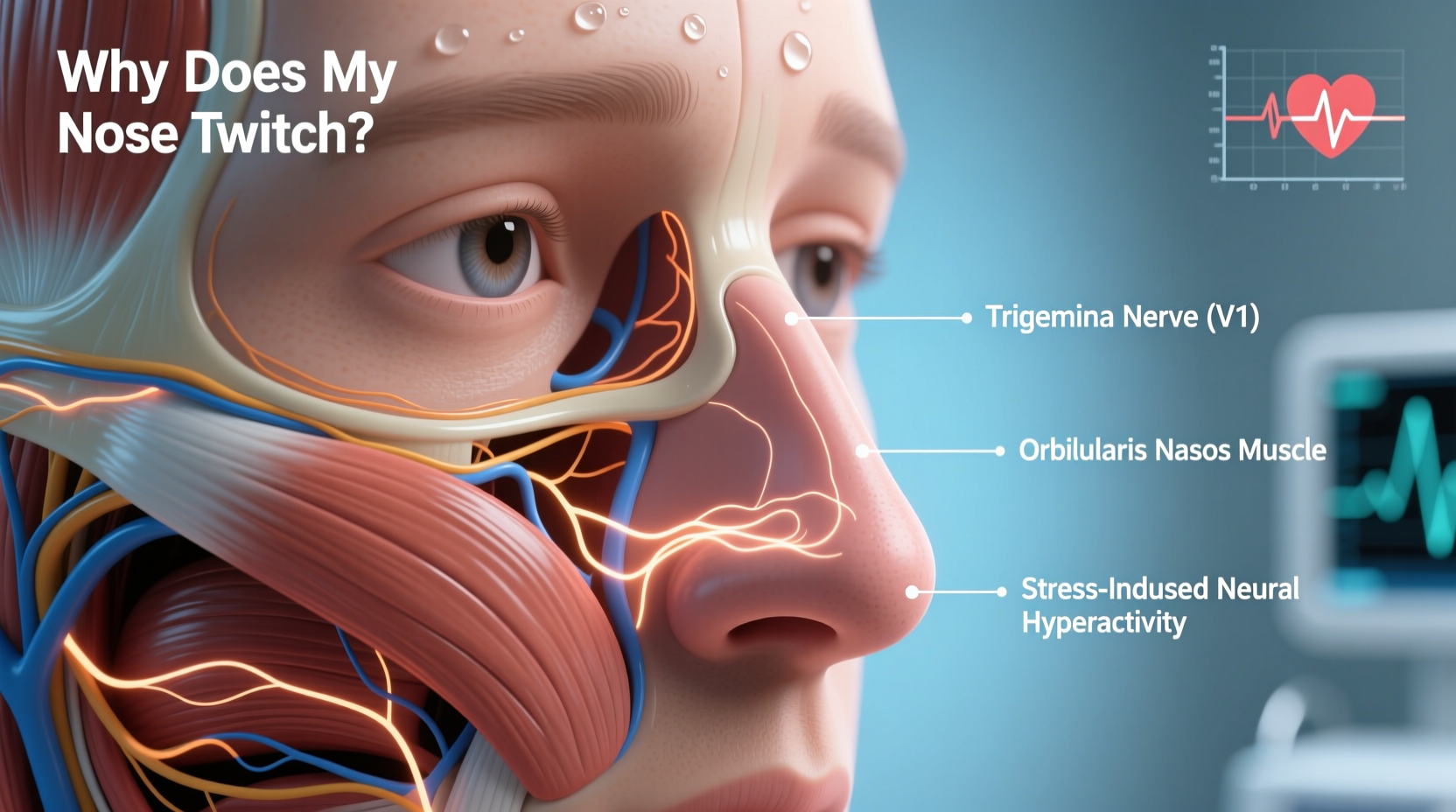
The nose contains small facial muscles controlled by the facial nerve (cranial nerve VII). These muscles are responsible for subtle movements such as flaring the nostrils or wrinkling the nose. When these muscles contract involuntarily, they produce what is known as a fasciculation—a brief, spontaneous twitch.
Fasciculations occur due to minor misfiring of motor neurons that control muscle fibers. In most cases, this is temporary and benign. However, when twitches become frequent or prolonged, they may reflect deeper neuromuscular activity or systemic influences such as electrolyte imbalance, nerve irritation, or chronic stress.
The orbicularis oris and nasalis muscles are commonly involved in nose twitching. Because these muscles are closely linked with emotional expression—like sneering, smiling, or sniffing—they’re particularly sensitive to both physical stimuli and psychological states.
Common Causes of Random Nose Twitching
Nose twitching rarely occurs in isolation. More often, it's part of a broader physiological response influenced by lifestyle, environment, and internal health. Below are the most common contributors:
1. Stress and Anxiety
Stress activates the sympathetic nervous system, increasing levels of adrenaline and cortisol. This hyperarousal state can lead to muscle tension throughout the face, including the nose. Chronic stress may cause repeated micro-spasms in facial muscles, especially if you unconsciously clench your jaw or furrow your brow.
In clinical settings, patients reporting facial tics often describe increased frequency during periods of emotional strain. A 2021 study published in *Neuropsychiatric Disease and Treatment* found that over 60% of individuals with benign fasciculation syndrome reported symptom exacerbation during high-stress phases.
2. Fatigue and Sleep Deprivation
Lack of quality sleep disrupts normal nerve signaling and reduces the brain’s ability to regulate muscle movement. Even one night of poor sleep can trigger minor twitches around the eyes, mouth, or nose. Over time, chronic insomnia increases susceptibility to neuromuscular irritability.
3. Caffeine and Stimulants
Excessive coffee, energy drinks, or certain medications (like decongestants) stimulate the central nervous system. High doses can overexcite motor neurons, leading to random muscle contractions. Reducing intake often resolves twitching within days.
4. Nutritional Deficiencies
Low levels of magnesium, calcium, potassium, or vitamin B12 impair nerve conduction and muscle function. Magnesium, in particular, plays a key role in regulating neuromuscular transmission. Deficiency is surprisingly common and frequently overlooked.
5. Dryness or Irritation
Nasal dryness from allergies, cold air, or sinus infections can irritate local nerves. The trigeminal nerve, which innervates the face, may send aberrant signals in response to inflammation, resulting in twitch-like sensations.
Nerve-Related Conditions That May Cause Nose Twitching
While most cases are benign, recurrent or asymmetric nose twitching could point to neurological involvement. These conditions require professional evaluation but are typically distinguishable by accompanying symptoms.
Facial Nerve Hyperactivity
Irritation or compression of the facial nerve—due to swelling, infection, or even a blood vessel pressing against it—can result in hemifacial spasm. This condition usually starts near the eye and spreads to involve the lower face, including the nose. Unlike random twitches, hemifacial spasms are rhythmic and persistent.
Bell’s Palsy (Post-Viral or Inflammatory)
After recovery from Bell’s palsy, some patients develop synkinesis—abnormal regrowth of facial nerves causing unintended muscle movements. For example, smiling might trigger an eye blink or nose twitch. This is not dangerous but can be socially bothersome.
Benign Fasciculation Syndrome (BFS)
BFS involves persistent muscle twitches across various body parts without evidence of serious disease. Symptoms often include tingling, cramps, and twitching in the face, limbs, or torso. Though alarming, BFS does not progress to conditions like ALS. Diagnosis is made after ruling out neurodegenerative diseases through EMG testing.
“Recurrent facial twitching should prompt a thorough history and exam, but isolated nose twitches in otherwise healthy individuals are almost always functional—linked to stress, stimulants, or fatigue.” — Dr. Lena Patel, Neurologist at Boston Facial Nerve Clinic
When to Be Concerned: Red Flags
Most nose twitches resolve on their own. However, certain signs warrant medical consultation:
- Unilateral spasms that persist beyond a few weeks
- Twitching spreading to other facial areas (e.g., mouth, eyelid)
- Associated weakness, drooping, or difficulty closing one eye
- Hearing changes, dizziness, or headaches accompanying the twitch
- Symptoms worsening at rest or during sleep
If any of these occur, see a neurologist. Imaging (MRI) or electromyography (EMG) may be needed to assess nerve integrity and rule out structural abnormalities.
Step-by-Step Guide to Managing Nose Twitching
For the vast majority of people, self-care strategies significantly reduce or eliminate nose twitching. Follow this six-step plan to regain control:
- Track the twitch: Keep a journal noting when it happens, duration, recent stressors, caffeine intake, and sleep quality.
- Reduce stimulants: Cut back on coffee, tea, nicotine, and energy supplements for at least five days to observe changes.
- Improve sleep hygiene: Aim for 7–8 hours nightly. Maintain consistent bed/wake times and avoid screens before bedtime.
- Practice relaxation techniques: Try daily mindfulness meditation, deep breathing, or progressive muscle relaxation to lower nervous system arousal.
- Address nutrition: Eat magnesium-rich foods (spinach, almonds, avocado), consider a B-complex supplement, and stay hydrated.
- Apply gentle warmth: Use a warm compress on the affected side of the face for 5–10 minutes to relax tense muscles.
Real-Life Example: How One Professional Reduced Her Nose Twitching
Sarah, a 34-year-old project manager, began noticing her left nostril twitching intermittently during team presentations. Initially dismissive, she grew concerned when it started happening daily—even at home. She recorded episodes and noticed a pattern: twitching intensified after drinking her second espresso and during late-night work sessions.
After reading about stress-induced fasciculations, Sarah decided to experiment. She replaced afternoon coffee with herbal tea, implemented a strict 10 PM bedtime, and started doing 10 minutes of guided meditation each morning. Within two weeks, the twitching decreased dramatically. By week three, it had stopped entirely.
She later shared her experience with her doctor, who confirmed it was likely stress-related neuromuscular overactivity. “I didn’t realize how much pressure I was under,” Sarah said. “Fixing the twitch made me reevaluate my entire work-life balance.”
Do’s and Don’ts: Quick Reference Table
| Do’s | Don’ts |
|---|---|
| Monitor twitch frequency and context | Ignore persistent or worsening twitching |
| Limit caffeine and alcohol intake | Self-diagnose with serious neurological disorders |
| Prioritize consistent, quality sleep | Overuse OTC stimulant-based nasal sprays |
| Practice stress-reduction techniques | Rub or press on the twitching area aggressively |
| Stay hydrated and eat balanced meals | Assume all twitching requires medication |
FAQ: Frequently Asked Questions
Can anxiety really make my nose twitch?
Yes. Anxiety increases muscle tension and alters neurotransmitter balance, making facial muscles more prone to involuntary contractions. The nose, being richly innervated and expressive, is especially susceptible.
Is nose twitching a sign of a stroke?
No. Isolated nose twitching is not a stroke symptom. Stroke-related facial weakness typically presents with drooping, inability to smile symmetrically, slurred speech, or arm/leg weakness—requiring immediate emergency care.
How long does a typical nose twitch last?
Most twitches last only a few seconds. Episodes may repeat multiple times a day but generally subside within days to weeks. Chronic twitching lasting over a month merits medical review.
Prevention Checklist
Use this checklist to minimize future episodes:
- ☑ Limit caffeine to less than 200 mg per day (~1–2 cups of coffee)
- ☑ Get 7+ hours of uninterrupted sleep regularly
- ☑ Incorporate magnesium-rich foods into your diet
- ☑ Practice deep breathing or meditation for 5–10 minutes daily
- ☑ Avoid excessive screen time before bed
- ☑ Stay hydrated—aim for 6–8 glasses of water daily
- ☑ Schedule regular breaks during mentally intense work
Conclusion: Listen to Your Body, Take Calm Action
Random nose twitching is far more common than many realize, and in nearly all cases, it’s a temporary signal from your body asking for better balance—less stress, more rest, improved nutrition. Rather than worrying, treat it as valuable feedback. Addressing the root causes doesn't just stop the twitch; it enhances overall well-being.
If simple lifestyle adjustments bring relief, you’ve taken a proactive step toward a calmer, healthier nervous system. If symptoms persist despite changes, consult a healthcare provider to explore further evaluation. Either way, understanding your body’s cues empowers you to respond wisely and confidently.




 浙公网安备
33010002000092号
浙公网安备
33010002000092号 浙B2-20120091-4
Comments
No comments yet. Why don't you start the discussion?