
When winter storms roll in, few homeowners expect their outdoor electrical outlets to become a point of failure. Yet, as snow piles up and temperatures drop, many discover that their exterior sockets stop working—sometimes without warning. This isn't just an inconvenience; it can disrupt holiday lighting, security systems, heating elements for walkways, or essential equipment like sump pumps. Understanding the root causes behind outdoor socket failures during heavy snow is critical for both safety and preparedness. More importantly, knowing how to prevent these issues ensures your home remains functional and hazard-free throughout the season.
How Snow and Ice Affect Outdoor Electrical Systems
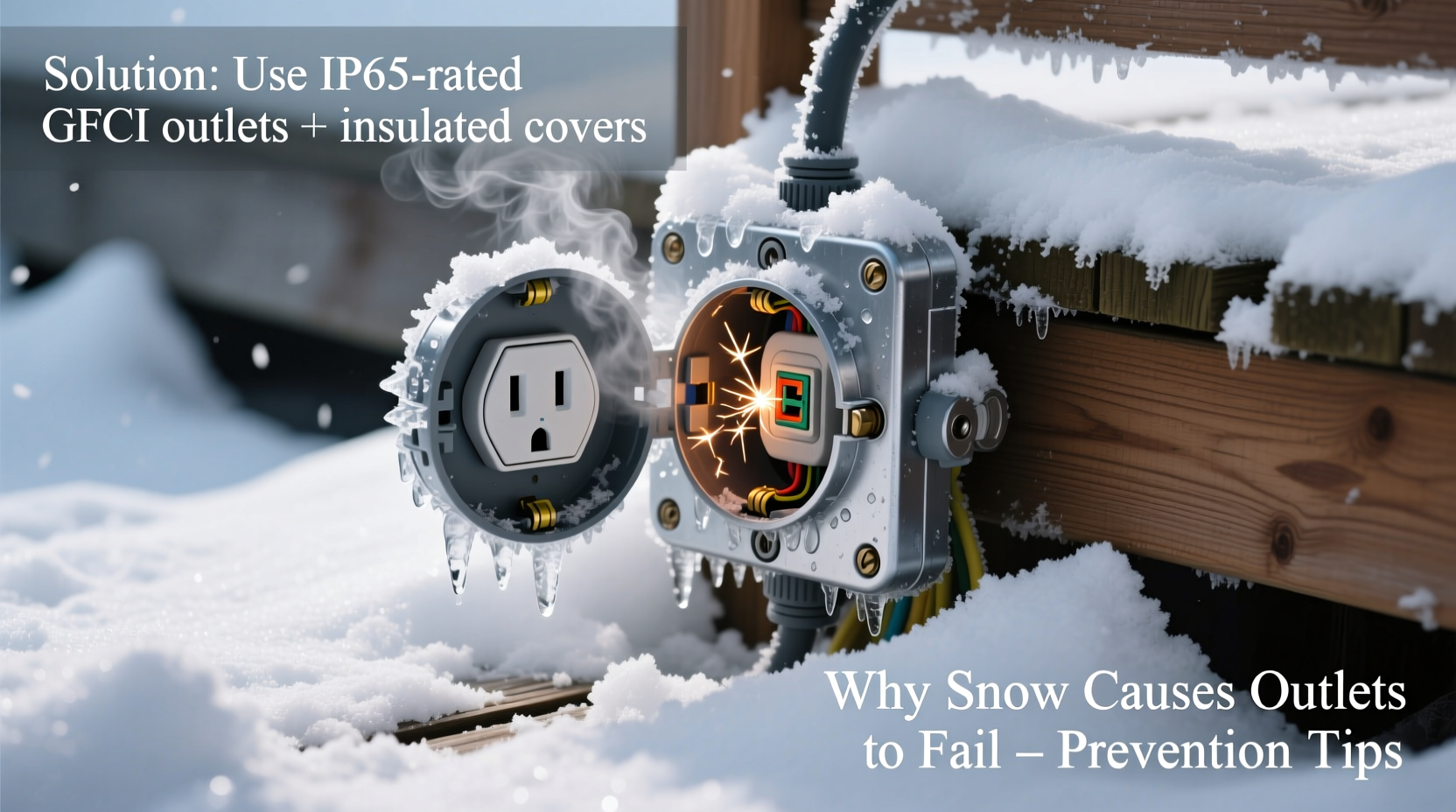
Outdoor sockets are designed to withstand weather exposure—but only to a certain extent. Standard outdoor receptacles are typically rated for damp conditions, not prolonged immersion or pressurized water entry. Heavy snow introduces multiple threats:
- Moisture infiltration: As snow melts against warm outlet covers or housing, water seeps into internal components, leading to short circuits or corrosion.
- Freeze-thaw cycles: Water trapped inside expands when frozen, cracking plastic casings, loosening connections, or damaging wiring insulation.
- Ice buildup around covers: Accumulated ice can prevent proper closure of weatherproof covers, leaving terminals exposed even after snowfall ends.
- Condensation: Temperature fluctuations cause condensation within enclosures, especially if vents or seals are compromised.
These factors degrade performance over time. Even a single severe storm can be enough to trip a GFCI (Ground Fault Circuit Interrupter), cut power, or create long-term hazards like ground faults or fire risks due to arcing.
Common Design and Installation Flaws That Exacerbate Failure
Many outdoor socket problems stem from initial installation oversights rather than extreme weather alone. Even minor deviations from code standards reduce resilience under snow load.
Improper Outlet Orientation
Electrical codes recommend that outdoor outlets be installed with the grounding hole at the top (inverted orientation). This prevents water from pooling directly over the plug when covered by snowmelt or rain. When installed upright, gravity pulls moisture straight into the socket, increasing the risk of internal shorts.
Lack of Weatherproof Covers
Standard snap-on covers offer minimal protection. The most effective solution is a self-closing, bubble-style cover that fully encapsulates the plug and outlet. These spring-loaded hoods close automatically when devices are unplugged, blocking snow and debris.
Poor Sealing and Gasket Wear
Over time, rubber gaskets around faceplates harden, crack, or fall out. Without a tight seal between the wall and the outlet box, snowmelt infiltrates behind the socket. Similarly, conduit entries must be sealed properly—unsealed knockout holes or loose cable clamps act as direct pathways for moisture.
“Most outdoor electrical failures during winter aren’t caused by the storm itself, but by pre-existing vulnerabilities magnified by snow and ice.” — Daniel Reeves, Master Electrician & NEC Consultant
Prevention Checklist: Winterizing Your Outdoor Sockets
Proactive maintenance significantly reduces the chance of failure. Follow this comprehensive checklist before winter sets in:
- Inspect all outdoor outlets for cracks, discoloration, or signs of arcing (burn marks).
- Ensure each outlet has a self-closing, bubble-type weatherproof cover.
- Verify the outlet is mounted upside-down (ground pin up) to shed water.
- Test GFCI function monthly using the built-in test/reset buttons.
- Seal gaps around the outlet box with silicone caulk rated for outdoor use.
- Replace worn or missing gaskets on faceplates and covers.
- Unplug non-essential devices during heavy snowfall to minimize exposure.
- Install a secondary drip loop in attached cords so water runs off before reaching the plug.
- Consider upgrading to tamper-resistant (TR) and weather-resistant (WR) outlets compliant with current NEC standards.
- Trim nearby shrubbery or structures that trap snow against the outlet.
Step-by-Step Guide to Safely Restore and Protect a Snow-Affected Socket
If your outdoor socket fails during or after heavy snow, follow this methodical process to assess, restore, and reinforce it:
- Turn Off Power at the Breaker: Locate the correct circuit in your main panel and switch it off. Verify power is off using a non-contact voltage tester.
- Remove the Faceplate and Cover: Carefully unscrew the cover and inspect for ice, pooled water, or corrosion. Do not force removal if frozen—allow time to thaw indoors or use gentle heat (never open flame).
- Dry All Components Thoroughly: Use a lint-free cloth and allow full air drying for at least 24 hours in a warm, dry room. For faster results, use a hairdryer on low heat from a safe distance.
- Inspect Wiring and Connections: Look for frayed wires, corroded terminals, or melted insulation. Tighten any loose screws on terminal lugs.
- Replace Damaged Parts: Swap out cracked covers, degraded gaskets, or compromised outlets. Use only WR-rated receptacles labeled for wet locations.
- Reassemble with Sealant: Apply a thin bead of outdoor-rated silicone around the back edge of the faceplate before reattaching it to the box.
- Restore Power and Test: Turn the breaker back on and test the outlet with a lamp or multimeter. Press the GFCI test button to confirm it trips correctly.
- Monitor After First Use: Check the outlet periodically during the next few days for warmth, flickering, or tripping.
This procedure not only fixes immediate issues but helps identify hidden weaknesses before they lead to bigger problems.
Do’s and Don’ts of Outdoor Socket Maintenance in Winter
| Do’s | Don’ts |
|---|---|
| Use bubble-style, self-closing covers | Use indoor-rated outlets outside |
| Install outlets upside-down (ground up) | Leave outlets exposed without covers |
| Apply dielectric grease to plug contacts | Use extension cords permanently outdoors |
| Seal gaps with outdoor silicone | Ignore frequent GFCI tripping |
| Upgrade to WR/GR combination outlets | Force plugs into icy or wet sockets |
Real Example: A Homeowner’s Winter Wake-Up Call
In early January, Sarah M., a homeowner in upstate New York, noticed her porch lights had gone out during a record-breaking snowstorm. Assuming a bulb issue, she climbed a ladder only to find the entire outdoor socket encased in ice. After shutting off the breaker, she removed the cover and discovered significant corrosion on the brass terminals. Further inspection revealed that the original installer had used a flat cover instead of a bubble type and hadn’t sealed the backbox against the siding.
Sarah replaced the outlet with a WR/GFCI combo model, added a self-closing hood, and applied silicone around the mounting flange. She also reoriented the new outlet with the ground pin up. Since then, despite two more major snowfalls, the socket has operated flawlessly. “I didn’t realize how much difference the right cover and orientation made,” she said. “It was a $50 fix that saved me from a potential fire hazard.”
Frequently Asked Questions
Can I use a regular extension cord with my outdoor socket in winter?
You can, but only temporarily and with precautions. Use only cords rated for outdoor and cold-weather use (look for “W” or “OW” on the jacket). Avoid running cords through snow or allowing them to sit in puddles. Always unplug during storms and store them indoors when not in use. Permanent solutions should involve dedicated circuits or protected conduit runs.
Why does my GFCI keep tripping after snowstorms?
GFCI outlets trip when they detect an imbalance in current flow—often caused by moisture entering the circuit. Even small amounts of water in the outlet, junction box, or connected device can trigger a trip. Frequent tripping after snow indicates either inadequate sealing, damaged components, or deteriorating insulation. Persistent tripping requires professional inspection to rule out deeper wiring issues.
Are there outlets specifically designed for snowy climates?
Yes. Look for outlets labeled as “Weather-Resistant” (WR) and “Tamper-Resistant” (TR), which are required by the National Electrical Code (NEC) for all new outdoor installations since 2008. These outlets resist degradation from UV exposure, temperature swings, and moisture. Pair them with in-use covers (bubble covers) for maximum protection in snow-prone areas.
Expert Insight: Building Resilience Into Outdoor Electrical Systems
“In regions with heavy snowfall, treating outdoor outlets as ‘maintenance items’ rather than ‘install-and-forget’ components is key. The best defense combines proper materials, correct installation techniques, and seasonal awareness.” — Lena Patel, Residential Electrical Safety Coordinator, NFPA
Experts emphasize that modern building codes have evolved precisely because of recurring winter-related failures. Ignoring updates like WR ratings or self-closing covers leaves homes vulnerable—even if everything appears fine during milder months.
Conclusion: Stay Ahead of Winter’s Impact
Outdoor socket failure during heavy snow isn’t inevitable—it’s often preventable. By understanding how moisture, ice, and poor design interact, you can take meaningful steps to protect your home’s exterior electrical system. From installing the right covers to sealing every gap and upgrading outdated components, proactive care pays off in reliability, safety, and peace of mind.
Winter will continue to bring challenges, but your response doesn’t have to be reactive. Inspect your outdoor outlets now, make necessary upgrades, and establish a seasonal maintenance routine. Small investments today prevent costly repairs—and potentially dangerous situations—tomorrow.




 浙公网安备
33010002000092号
浙公网安备
33010002000092号 浙B2-20120091-4
Comments
No comments yet. Why don't you start the discussion?