
Many parrot owners wake up to the piercing cry of their feathered companion just as the first light breaks through the window. While it might feel like a personal attack on your morning peace, this behavior is deeply rooted in your bird’s biology and social instincts. Parrots are not being malicious—they’re communicating. Understanding the reasons behind sunrise screaming is the first step toward managing it without compromising your bird’s well-being.
Parrots are highly intelligent, social creatures that evolved in flocks where vocal communication was essential for survival. In the wild, dawn is a critical time for birds to reestablish contact with their flock members after the quiet of night. This instinct doesn’t disappear in captivity. When your parrot screams at sunrise, it may be trying to locate you—its perceived flock member—or respond to environmental stimuli triggered by daylight.
The Biology Behind Dawn Vocalization
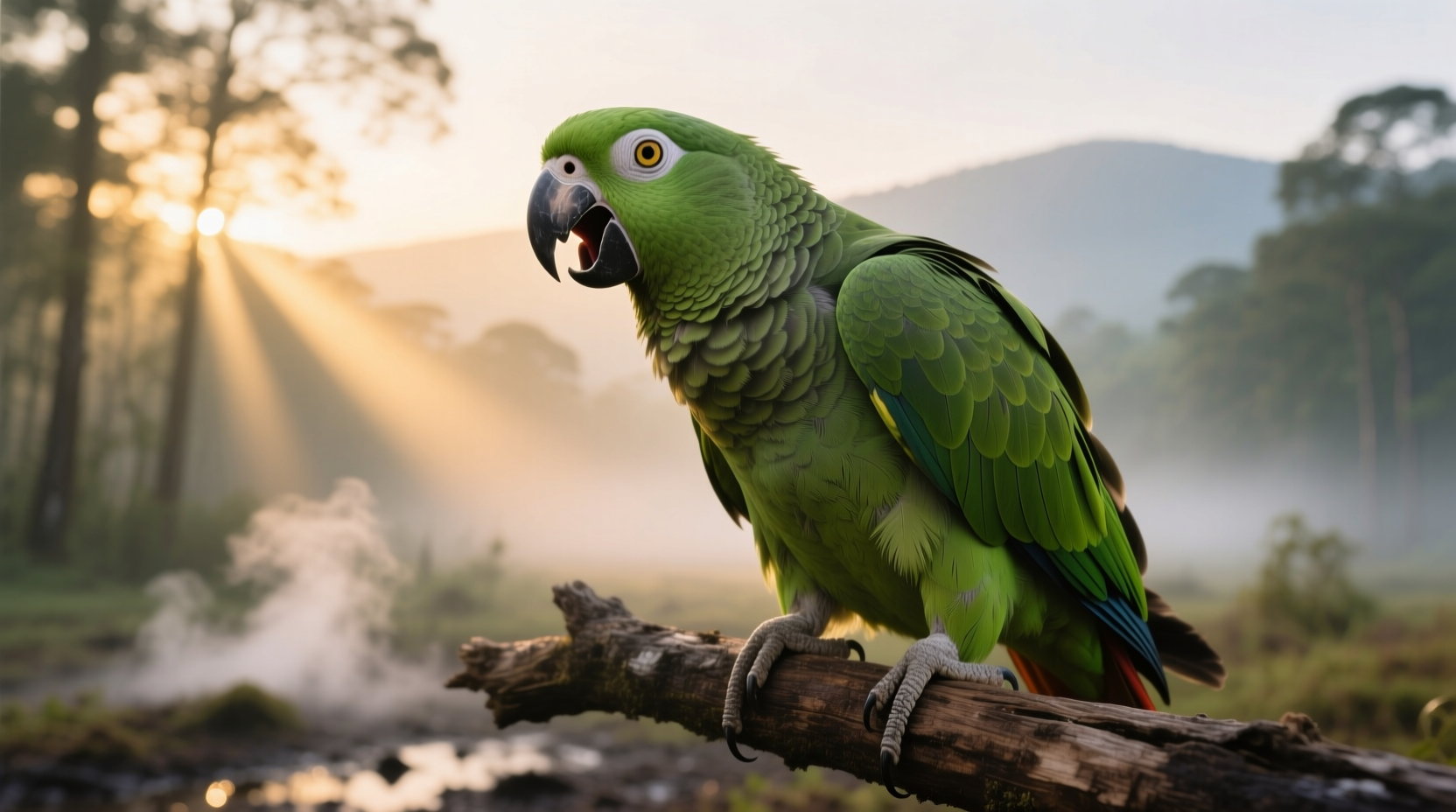
In their natural habitats, parrots use loud calls at daybreak to reaffirm group cohesion. These vocalizations serve multiple purposes: signaling safety, marking territory, and checking in with mates or offspring. The hormonal changes associated with the circadian rhythm also play a role. As light levels increase, melatonin production drops, prompting increased alertness and activity—including vocalization.
This pattern is especially pronounced in species such as Amazon parrots, African Greys, and Cockatoos, which are known for their complex vocal repertoires and strong pair bonds. Even hand-raised pet parrots retain these evolutionary behaviors, often directing them toward their human caregivers.
“Dawn calling is not misbehavior—it’s an expression of a healthy, instinct-driven bird. The goal isn’t to eliminate it entirely, but to shape it into something manageable within a household context.” — Dr. Laura Jenkins, Avian Behavior Specialist
Environmental Triggers That Amplify Morning Screaming
While instinct drives the initial urge to call at sunrise, several environmental factors can intensify or prolong the behavior:
- Light exposure: Artificial lighting or early sunlight entering the room can trick your parrot into thinking dawn has arrived earlier than expected.
- Noise cues: Outside sounds—traffic, barking dogs, or even alarm clocks—can prompt a response from your bird.
- Lack of routine: Irregular sleep schedules or inconsistent interaction times make parrots more anxious and prone to attention-seeking calls.
- Isolation: If your parrot sleeps alone in another room, its first instinct upon waking is to locate its social group (you).
Strategies to Manage Sunrise Screaming
Complete elimination of morning vocalizations is neither realistic nor advisable. However, with consistent effort, you can reduce the frequency, duration, and volume of your parrot’s sunrise calls. The key lies in combining environmental management, behavioral training, and emotional reassurance.
1. Establish a Predictable Daily Routine
Parrots thrive on consistency. A stable schedule reduces anxiety and diminishes the need for excessive vocal checks. Aim to maintain regular times for feeding, interaction, and sleep.
2. Adjust Light Exposure Gradually
Use timers to control room lighting or install blackout shades to prevent premature light stimulation. By delaying visible daylight by 30–60 minutes, you can shift your parrot’s wake-up time closer to yours.
3. Provide Pre-Dawn Enrichment
Some owners successfully use timed treat dispensers or noise-making toys that activate shortly before sunrise. These distractions can occupy the bird during its initial arousal phase, reducing the likelihood of sustained screaming.
4. Avoid Reinforcing the Behavior
Never respond immediately to screaming. Doing so teaches your parrot that loud calls result in attention—even if it's negative. Wait until there’s a pause, then reward quiet behavior with praise or a small treat.
5. Strengthen Bonding During the Day
Ensure your parrot receives ample mental stimulation and social interaction throughout the day. A fulfilled bird is less likely to feel isolated at dawn and resort to distress calls.
Step-by-Step Guide to Reducing Morning Noise Over 4 Weeks
Managing sunrise screaming requires patience and consistency. Follow this gradual timeline to see meaningful improvement:
- Week 1: Assess and Record
Track when your parrot starts screaming, how long it lasts, and what precedes it. Note lighting conditions, outside noises, and your own responses. - Week 2: Modify the Environment
Install blackout curtains, cover the cage partially, and ensure the sleeping area is quiet and secure. Introduce a white noise machine if external sounds are triggers. - Week 3: Begin Positive Reinforcement Training
Teach a “quiet” cue using clicker training. Reward brief moments of silence after vocalization. Practice during the day so the association is clear. - Week 4: Implement Delayed Response Protocol
When your parrot screams at dawn, wait for a pause—even one second—before offering attention. Gradually extend the required quiet period over time.
Do’s and Don’ts of Handling Parrot Vocalizations
| Do’s | Don’ts |
|---|---|
| Respond to quiet behavior, not screaming | Yell back or punish your parrot for vocalizing |
| Maintain a consistent sleep schedule (10–12 hours of darkness) | Leave lights on late into the night |
| Provide enrichment toys and foraging opportunities | Ignore your parrot all day and expect quiet mornings |
| Use positive reinforcement techniques | Cover the cage aggressively as punishment |
| Gradually adjust light exposure to shift wake times | Wake your bird abruptly or move the cage frequently |
Real-Life Example: Managing a Cockatoo’s Dawn Calls
Sarah, a teacher from Portland, adopted a Moluccan Cockatoo named Kai who began screaming every morning at 5:15 a.m., waking her entire household. Despite covering the cage and shushing him, the behavior worsened over three months.
Working with an avian behaviorist, Sarah implemented a structured plan: she installed blackout blinds, established a fixed bedtime of 7 p.m., and began reinforcing quiet moments with sunflower seeds. She also started spending 20 extra minutes each evening playing calming music near the cage and engaging in pre-sleep foraging games.
Within five weeks, Kai’s screaming decreased from 45 minutes to under 10. He now emits a soft chirp at dawn and waits quietly for his morning greeting. “It wasn’t about silencing him,” Sarah said. “It was about helping him feel safe and connected.”
FAQ: Common Questions About Parrot Dawn Screaming
Is it normal for my parrot to scream every single morning?
Yes, especially in species prone to loud vocalizations. Occasional dawn calling is normal. However, prolonged or intense screaming may indicate stress, loneliness, or medical issues such as thyroid imbalance. If accompanied by feather plucking or aggression, consult an avian vet.
Can I train my parrot to stop screaming completely?
Not realistically. Vocalization is a core part of parrot communication. The aim should be to reduce excessive or disruptive screaming, not eliminate natural sounds. With training, many parrots learn to greet the day with softer calls.
Should I keep my parrot in a separate room at night?
Only if the room meets ideal sleeping conditions: dark, quiet, and temperature-stable. However, sudden separation from family activity can increase anxiety. Some owners prefer keeping the cage in a shared space with a cover and sound buffer, ensuring the bird feels included yet undisturbed.
Checklist: How to Reduce Sunrise Screaming in 7 Steps
- ✅ Evaluate current light exposure and adjust with blackout materials
- ✅ Set a consistent bedtime and wake time (aim for 10–12 hours of uninterrupted sleep)
- ✅ Remove stimulating toys or mirrors from the sleeping area
- ✅ Introduce white noise or calming audio if external sounds trigger calls
- ✅ Increase daytime enrichment and social interaction
- ✅ Begin positive reinforcement training for quiet behavior
- ✅ Track progress weekly and adjust strategies as needed
Conclusion: Building Harmony Through Understanding
Your parrot’s sunrise scream is not defiance—it’s a call for connection, rooted in millions of years of evolution. Rather than viewing it as a nuisance, see it as an opportunity to deepen your understanding of your bird’s needs. With empathy, consistency, and smart environmental adjustments, you can transform those jarring morning cries into manageable, even endearing, rituals.
Remember, a quiet parrot is not necessarily a happy one. What matters most is whether your bird feels secure, stimulated, and loved. By addressing the root causes of dawn screaming, you’re not just gaining extra minutes of sleep—you’re building a stronger, more trusting relationship with your feathered companion.




 浙公网安备
33010002000092号
浙公网安备
33010002000092号 浙B2-20120091-4
Comments
No comments yet. Why don't you start the discussion?