
Parrots are naturally vocal animals, and their morning calls can be startling—especially when they pierce through the quiet of dawn. If you've ever been jolted awake by your parrot's loud screech at sunrise, you're not alone. Many parrot owners struggle with this common but disruptive behavior. Understanding the root causes behind this early-morning screaming is the first step toward managing it effectively. Unlike random noise, parrot vocalizations are deeply tied to instinct, social structure, and environmental cues. With informed training and consistent routines, it’s possible to reduce or even eliminate excessive morning screaming while preserving your bird’s natural communication needs.
The Natural Rhythm of Parrot Vocalization
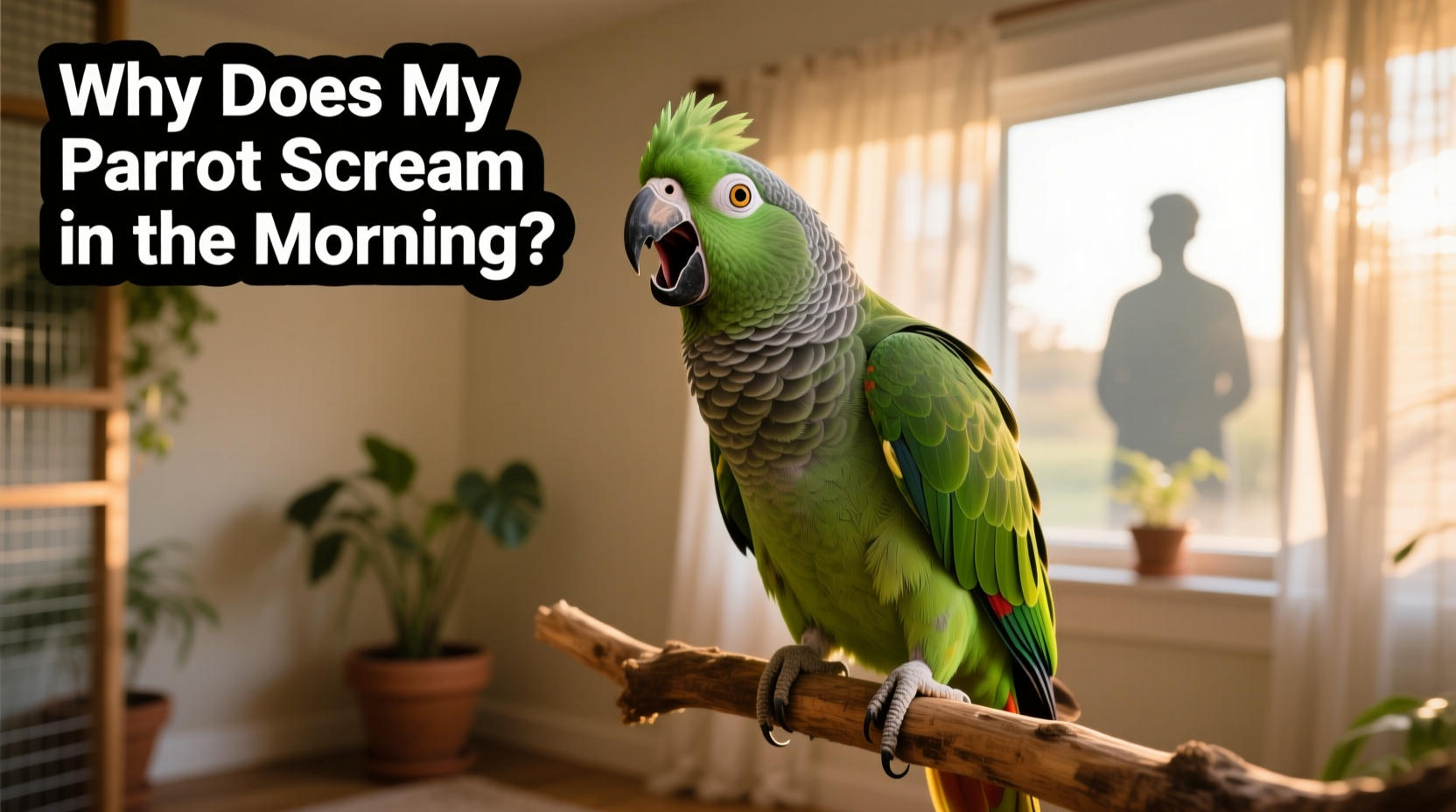
In the wild, parrots begin their day with a chorus of calls just before and after sunrise. This behavior, known as the \"dawn chorus,\" serves multiple purposes: reuniting flock members, marking territory, and signaling safety after a night apart. When domesticated parrots scream in the morning, they’re often replicating this ancestral pattern. Even in captivity, their internal clocks remain attuned to natural light cycles. As daylight approaches, hormonal shifts trigger increased alertness and vocal activity.
Species such as African Greys, Amazon parrots, and Cockatoos are particularly prone to loud morning calls due to their high intelligence and strong social instincts. These birds form deep emotional bonds and perceive their human caregivers as part of their flock. Morning screaming may be an attempt to locate or reconnect with their perceived companions. Without understanding this context, owners may misinterpret the behavior as defiance or attention-seeking, leading to ineffective responses like yelling back or covering the cage abruptly.
Common Triggers Behind Excessive Morning Screaming
While some level of morning vocalization is normal, excessive or prolonged screaming often stems from underlying issues. Identifying these triggers is essential for effective intervention.
- Lack of social interaction: Parrots are highly social and may scream to initiate contact if they feel isolated upon waking.
- Unpredictable routines: Birds thrive on consistency. If feeding, interaction, or lighting schedules vary daily, your parrot may become anxious and vocalize more intensely.
- Environmental stressors: Noises, drafts, or sudden changes in the room (e.g., a new appliance) can heighten anxiety and trigger alarm calls.
- Overstimulation or boredom: A lack of mental stimulation or toys during the day can lead to pent-up energy released in the morning.
- Reinforced behavior: Accidentally rewarding screaming—by entering the room, speaking, or offering treats—teaches the bird that loud calls produce results.
It’s crucial to distinguish between communicative calling and distress-induced screaming. Normal contact calls are shorter and less intense, while problematic screaming is prolonged, piercing, and often escalates when ignored.
Expert Insight: What Avian Behaviorists Say
“Morning screaming isn’t misbehavior—it’s communication. The key is not to suppress vocalization entirely, but to shape it into acceptable forms. Parrots need to express themselves; our job is to guide that expression.” — Dr. Laura Jenkins, Avian Ethologist and Certified Bird Behavior Consultant
Dr. Jenkins emphasizes that punishment-based methods, such as spraying water or yelling, only increase fear and distrust. Instead, she advocates for positive reinforcement and environmental enrichment to redirect vocal behavior. “Training a parrot to use an ‘acceptable’ sound, like a whistle or soft call, instead of a scream, is far more effective than trying to silence them completely,” she explains.
Step-by-Step Guide to Reducing Morning Screaming
Changing your parrot’s morning routine requires patience and consistency. Follow this six-week timeline to gradually modify the behavior:
- Week 1: Establish a fixed schedule
Create a predictable daily routine for lights on/off, feeding, and interaction. Use a programmable lamp or smart bulb to simulate sunrise 15–30 minutes before you want the cage uncovered. - Week 2: Modify the wake-up environment
Cover the cage with a breathable, dark cloth to extend sleep time slightly. Ensure the room remains quiet and dim until your desired wake-up time. - Week 3: Introduce pre-scream alternatives
Before your parrot typically starts screaming, enter the room calmly and offer a soft verbal greeting or play a gentle sound (like a recorded whistle). Reward quiet behavior with a small treat or praise. - Week 4: Train a replacement behavior
Teach your parrot a simple phrase or whistle using positive reinforcement. Practice this in the evening so it becomes associated with calm interaction. Gradually use it as a morning greeting. - Week 5: Ignore unwanted screams, reward silence
When your parrot screams, avoid eye contact or response. Wait for a moment of quiet—even a second—then immediately reward it. This teaches that silence gains attention, not noise. - Week 6: Reinforce progress and maintain consistency
Continue the routine even on weekends. Sudden changes will reset progress. Monitor improvements and adjust rewards as needed.
This gradual approach respects the bird’s natural rhythms while reshaping its learned behaviors. Success is measured not by complete silence, but by reduced volume, shorter duration, and increased use of alternative sounds.
Do’s and Don’ts: Managing Parrot Vocalization
| Do | Don't |
|---|---|
| Respond to soft calls with attention or treats | Yell or clap to stop screaming |
| Maintain a consistent daily schedule | Let your parrot out only after screaming |
| Use positive reinforcement for quiet behavior | Use spray bottles as punishment |
| Provide mental stimulation during the day | Leave the TV or radio on loudly overnight |
| Gradually adjust light exposure to delay wake time | Suddenly change cage location or routine |
Mini Case Study: Calming Charlie the Cockatiel
Sarah adopted Charlie, a male cockatiel, six months ago. Every morning at 5:30 a.m., he would emit a high-pitched scream that lasted 10–15 minutes. Frustrated, Sarah initially tried covering the cage quickly or saying “No!” which only made Charlie scream louder. After consulting an avian trainer, she implemented a structured plan.
She began using a timer to turn on a soft lamp at 6:45 a.m., delaying natural light exposure. She also started playing a recording of her voice saying “Good morning, Charlie” right after the light came on. During evening training sessions, she taught Charlie to whistle a short tune and rewarded him with millet spray. Within three weeks, Charlie began whistling instead of screaming in the morning. By week six, his vocalizations were limited to two soft calls, followed by calm preening.
Sarah’s success highlights the importance of replacing undesirable behavior with positive alternatives—not just suppressing noise.
Action Checklist: Taming Morning Screaming
Use this checklist weekly to track your progress:
- ☑ Set a consistent wake-up time using artificial lighting
- ☑ Cover the cage with a quality drape to regulate light
- ☑ Avoid responding to screams with attention
- ☑ Reward the first sign of quiet behavior each morning
- ☑ Train an alternative vocal behavior (whistle, word, soft call)
- ☑ Provide enrichment toys to reduce daytime stress
- ☑ Monitor for environmental stressors (noise, temperature, other pets)
- ☑ Keep interactions calm and predictable every single day
Frequently Asked Questions
Is it normal for my parrot to scream every morning?
Some morning vocalization is normal and instinctive. However, prolonged, piercing screams that persist beyond a few minutes or occur daily without variation may indicate unmet needs or learned behavior. Occasional calls are healthy; constant screaming is a signal for adjustment.
Can I train my parrot to stop screaming completely?
Complete silence isn’t realistic or healthy. Parrots need to vocalize. The goal is not elimination but redirection—teaching your bird to use softer, more appropriate sounds. With training, most parrots can learn to greet the day quietly.
Will covering the cage longer help my parrot sleep in?
Yes, but only if done gradually and safely. Extending darkness by 30–60 minutes using a breathable cover can delay wake time. Never deprive your bird of light entirely—parrots need 10–12 hours of sleep and regular day/night cycles for health. Use timers to ensure consistency.
Conclusion: Building a Quieter, Healthier Morning Routine
Morning screaming in parrots is not a flaw—it’s a form of expression rooted in biology and social need. Rather than viewing it as a nuisance, consider it an opportunity to deepen your understanding of your bird’s world. With empathy, consistency, and science-backed techniques, you can transform chaotic mornings into peaceful transitions. The process strengthens your bond, reduces household stress, and supports your parrot’s emotional well-being. Remember, behavioral change takes time. Celebrate small victories: a shortened scream, a new whistle, a moment of calm. Each step forward reflects progress, not perfection.




 浙公网安备
33010002000092号
浙公网安备
33010002000092号 浙B2-20120091-4
Comments
No comments yet. Why don't you start the discussion?