
Parrots are among the most intelligent and emotionally complex birds kept as pets. Their ability to mimic sounds, form strong bonds, and express emotions makes them beloved companions. However, one of the most common—and often distressing—behaviors owners face is excessive screaming, especially when the bird is left alone. This vocalization isn't just noise; it's a signal. Understanding why your parrot screams when alone is the first step toward addressing the root cause and creating a calmer, more balanced environment for both bird and owner.
The Natural Instinct Behind Parrot Screaming
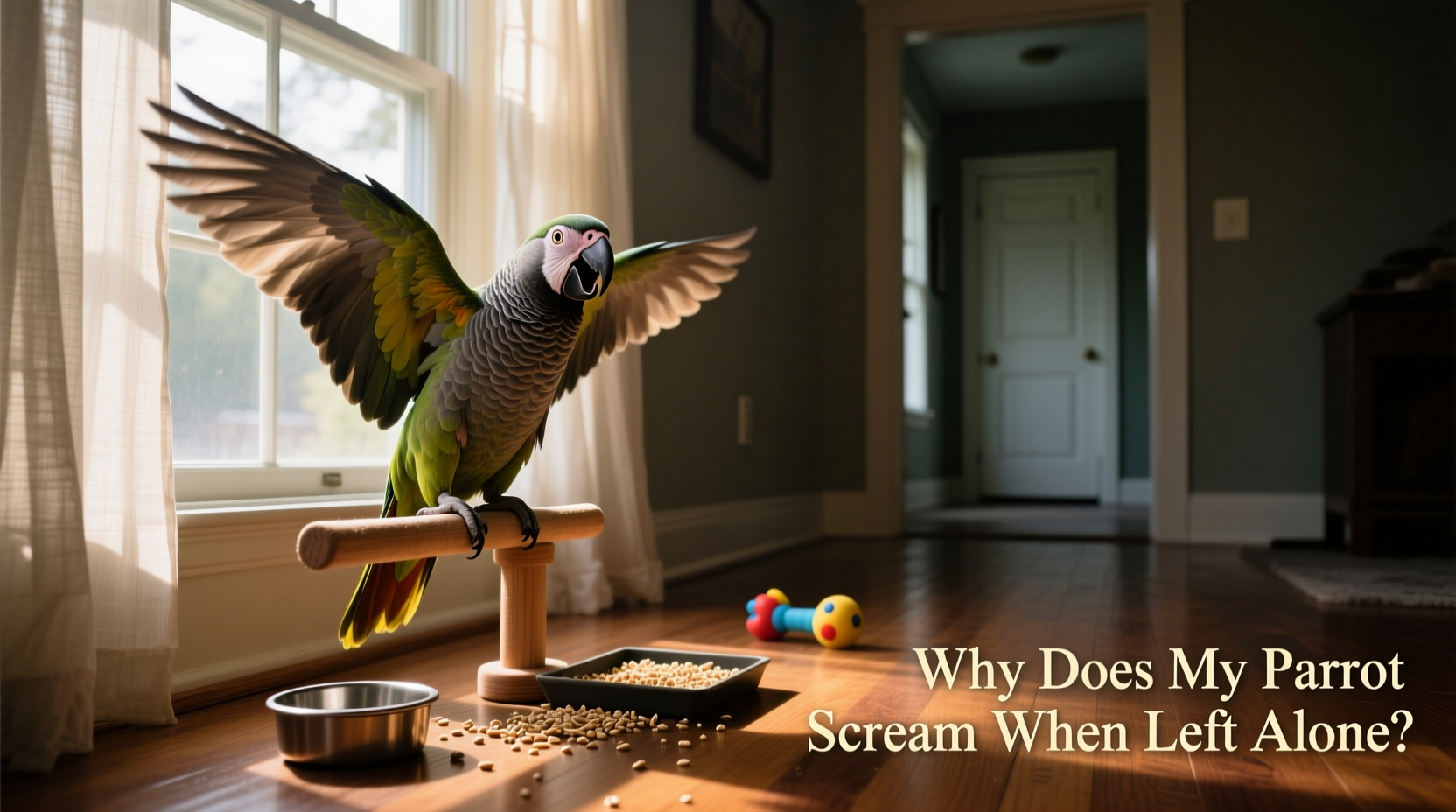
In the wild, parrots live in flocks and rely heavily on vocal communication. Calls serve multiple purposes: maintaining group cohesion, warning of predators, locating mates, and reinforcing social bonds. These birds are not solitary by nature—they thrive on interaction. When a domesticated parrot screams upon being left alone, it’s often echoing this instinctual behavior. The absence of its human “flock” triggers anxiety, prompting loud calls meant to summon companions back to its side.
This behavior becomes reinforced if the bird receives attention—even negative attention—after screaming. For example, if an owner returns to the room or shouts at the bird to be quiet, the parrot interprets this as a response, learning that screaming brings results.
Separation Anxiety in Parrots: Signs and Triggers
Just like dogs or children, parrots can suffer from separation anxiety. This condition manifests when a bird becomes overly dependent on its human caregiver and experiences stress when that person leaves the room—or the house. Common signs include:
- Loud, persistent screaming when alone
- Feather plucking or self-mutilation
- Pacing or repetitive movements
- Loss of appetite
- Aggression when approached after being left alone
Triggers vary but often include sudden changes in routine, moving homes, the loss of a family member (human or animal), or long periods of isolation. Younger birds or those rehomed multiple times may be more prone to attachment issues.
“Parrots don’t distinguish between humans and flock members. When you leave, they genuinely believe they’ve been abandoned.” — Dr. Laurie Hess, Avian Veterinarian and Author
Effective Strategies to Reduce Screaming and Loneliness
Managing parrot screaming requires patience, consistency, and environmental enrichment. The goal isn’t to eliminate vocalization—parrots are naturally noisy—but to minimize distress-induced screaming and help your bird feel secure when alone.
1. Gradual Desensitization to Alone Time
Start by teaching your parrot that being alone doesn’t mean abandonment. Begin with short absences—step out of the room for 30 seconds, then return only when the bird is quiet. Gradually increase the duration over days and weeks. This process helps the bird build tolerance and trust.
2. Provide Mental Stimulation
A bored parrot is a loud parrot. Offer a rotating selection of toys that encourage foraging, chewing, and problem-solving. Puzzle toys, shredded paper, and treat-dispensing devices keep the mind engaged.
3. Background Noise and Companionship Cues
Leaving a radio or TV on tuned to calm music or nature sounds can simulate the presence of a flock. Avoid chaotic programming; opt for soft classical music or recordings of gentle forest ambience.
4. Establish a Predictable Routine
Parrots thrive on consistency. Feed, play, and sleep at the same times each day. A predictable schedule reduces uncertainty and lowers stress levels.
5. Use Positive Reinforcement
Reward quiet behavior with treats, praise, or attention. If your parrot remains calm during a brief departure, acknowledge it immediately upon return. This reinforces the idea that silence—not screaming—brings positive outcomes.
| Strategy | How It Helps | Implementation Tips |
|---|---|---|
| Gradual Absence Training | Builds confidence during solitude | Start with 30-second exits, increase slowly |
| Mental Enrichment | Reduces boredom-related noise | Rotate 3–5 toys weekly; use foraging puzzles |
| Background Audio | Simulates flock presence | Use calm music or nature sounds at low volume |
| Routine Schedule | Minimizes anxiety from unpredictability | Set fixed times for feeding, play, and sleep |
| Positive Reinforcement | Encourages desired behaviors | Reward quiet moments; ignore screaming |
Mini Case Study: Reducing Screaming in a Rescue Cockatiel
Sarah adopted a 4-year-old cockatiel named Milo who had been rehomed twice. Within days, she noticed he screamed intensely every time she left the apartment. The noise disturbed neighbors and caused her stress. After consulting an avian behaviorist, Sarah implemented a structured plan:
- She began leaving the room for 20 seconds while playing soft jazz in the background.
- She introduced a foraging toy filled with millet and shredded cardboard.
- She returned only when Milo was quiet, rewarding him with a sunflower seed.
- Over three weeks, she extended her absences to 10 minutes, then 30, then full workdays.
Within six weeks, Milo’s screaming decreased by 80%. He still chirped when alone but no longer emitted distress calls. Sarah noted that consistency was key—skipping a day set progress back slightly, but resuming the routine restored momentum.
Common Mistakes That Worsen the Problem
Well-meaning owners often unintentionally reinforce unwanted behaviors. Avoid these pitfalls:
- Responding to screams: Even yelling “Be quiet!” gives attention, reinforcing the action.
- Over-handling when present: Constant interaction while home creates dependency, making alone time more jarring.
- Using punishment: Spraying water or covering the cage increases fear and distrust.
- Ignoring underlying health issues: Pain or illness can increase vocalizations. Rule out medical causes with a vet visit.
- Providing too many mirrors: While mirrors offer temporary companionship, some birds become obsessed, leading to frustration when the “companion” doesn’t respond.
Step-by-Step Guide: Creating a Calm Alone-Time Routine
Follow this timeline to help your parrot adjust to being alone without distress:
- Week 1: Assess Baseline Behavior
Observe when and how long your parrot screams. Note triggers like door closing or jacket wearing. - Week 2: Introduce Distractions
Add two new toys and play calming audio at low volume during the day. - Week 3: Begin Short Absences
Leave the room for 20–30 seconds. Return only when the bird is silent. Repeat 3–5 times daily. - Week 4: Extend Duration
Increase absence time by 15–30 seconds per session. Aim for 5-minute intervals by week’s end. - Week 5–6: Simulate Departure Cues
Pick up keys, wear shoes, open the door—then sit back down. This desensitizes the bird to pre-departure signals. - Week 7+: Full Practice Runs
Leave the house for 10–15 minutes. Gradually build up to normal absence length.
Track progress in a journal. Note improvements like delayed onset of screaming or shorter episodes. Celebrate small wins—behavioral change takes time.
FAQ: Common Questions About Parrot Screaming
Is it normal for my parrot to scream every time I leave?
While common, constant screaming when alone indicates emotional distress. Some vocalization is natural, but prolonged, intense screaming suggests anxiety or unmet needs. With training, most birds can learn to tolerate solitude.
Can getting a second bird help reduce loneliness?
It can, but it’s not a guaranteed fix. Introducing a second bird requires careful quarantine, gradual introduction, and compatibility assessment. Some parrots bond strongly with humans and may ignore or even resent a new bird. Also, two birds often mean double the noise. Consider this option only after behavioral training has been attempted.
How long should I leave my parrot alone each day?
Adult parrots can typically handle 6–8 hours alone if mentally stimulated and in a safe environment. However, they need at least 1–2 hours of direct interaction daily. Birds left alone for extended periods (more than 10 hours regularly) are at higher risk for psychological issues.
Conclusion: Building Trust and Peaceful Coexistence
Your parrot’s screams are not defiance—they’re a cry for connection. By understanding the emotional world of your bird and responding with empathy and structure, you can transform a stressful household into a harmonious one. Managing noise isn’t about silencing your parrot; it’s about meeting its social and cognitive needs so it feels safe, engaged, and loved—even when you’re not in the room.
Change won’t happen overnight. But with consistent effort, environmental enrichment, and a clear training strategy, you can significantly reduce screaming and strengthen your bond. Your parrot isn’t trying to annoy you; it’s asking, in the only way it knows how, to be part of the flock.




 浙公网安备
33010002000092号
浙公网安备
33010002000092号 浙B2-20120091-4
Comments
No comments yet. Why don't you start the discussion?