
Eye contact is a fundamental part of human communication. It conveys attention, empathy, and emotional connection. When a partner consistently avoids looking into your eyes during conversations, it can feel unsettling—even painful. You might begin to question their interest, honesty, or emotional availability. But before jumping to conclusions, it's important to understand that avoiding eye contact isn't always a sign of disengagement or deception. In fact, it can stem from a wide range of psychological, cultural, and relational factors. This article explores the most common reasons behind this behavior, offers practical ways to respond, and provides tools to strengthen mutual understanding in your relationship.
Psychological and Emotional Factors Behind Avoided Eye Contact
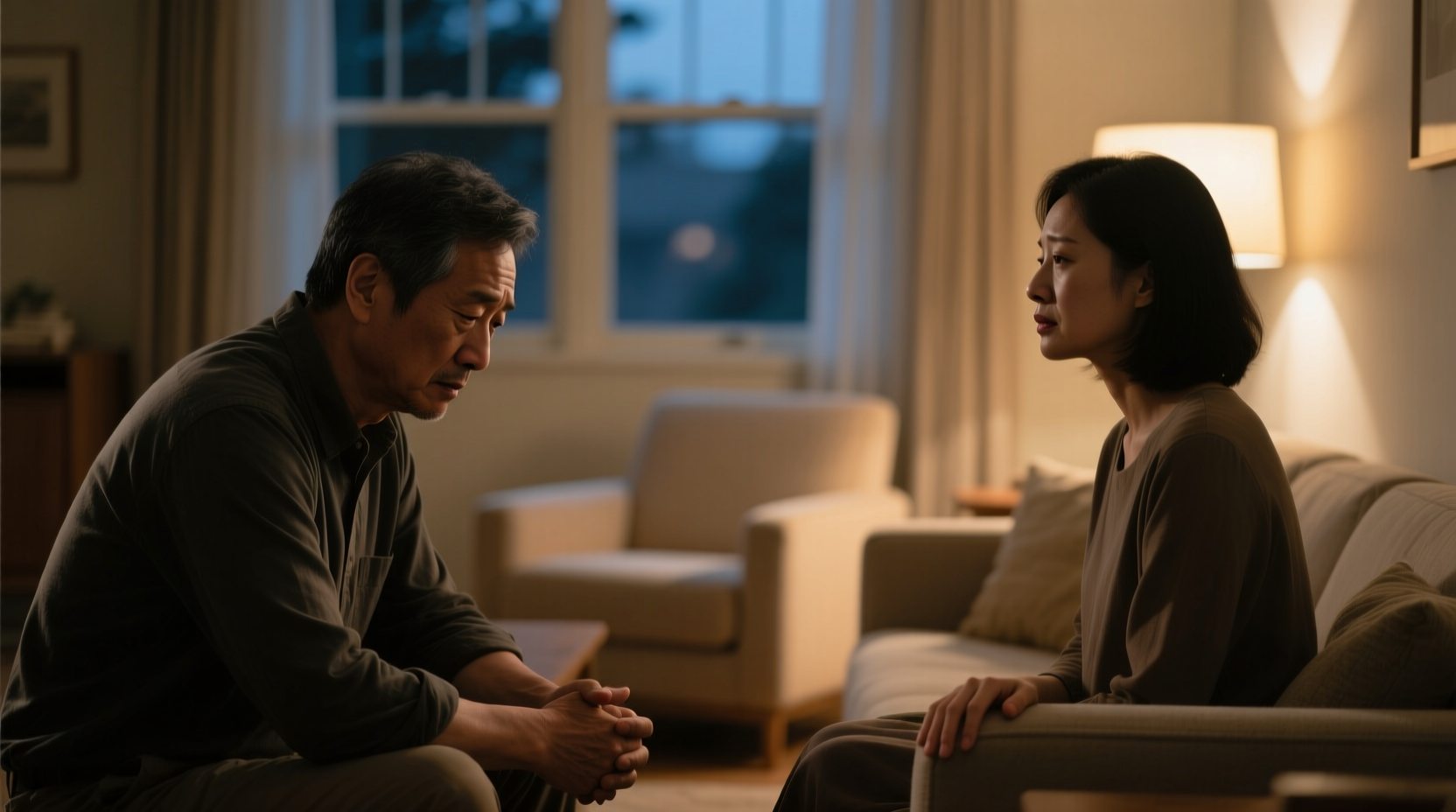
One of the most significant contributors to reduced eye contact is internal emotional processing. For many individuals, maintaining eye contact requires intense cognitive and emotional effort. This is especially true during emotionally charged discussions.
Some people experience heightened anxiety when being looked at directly. The sensation can trigger a stress response—increased heart rate, sweating, or mental blanking—making conversation more difficult rather than easier. In such cases, looking away is not a rejection of the other person but a self-regulatory mechanism to stay calm and process information.
“Eye contact activates regions of the brain associated with social awareness and emotional intensity. For sensitive individuals, this can be overwhelming.” — Dr. Lena Patel, Clinical Psychologist specializing in interpersonal dynamics
Additionally, individuals with traits of social anxiety, autism spectrum disorder (ASD), or past trauma may find sustained eye contact uncomfortable or even distressing. A 2020 study published in *Nature Human Behaviour* found that people on the autism spectrum often process facial stimuli differently, leading them to naturally avert gaze as a way of managing sensory overload.
Cultural Differences in Nonverbal Communication
What one culture views as respectful attentiveness, another may interpret as confrontation or disrespect. In many Eastern, Indigenous, and collectivist cultures, direct eye contact—especially with authority figures or elders—is considered impolite or aggressive. Children raised in these environments may carry these norms into adult relationships.
For example, in parts of Japan, Vietnam, and among some Native American communities, lowering the gaze during conversation signifies respect and humility. If your partner comes from such a background, their avoidance of eye contact may not reflect discomfort with you—but adherence to deeply ingrained cultural values.
Misunderstanding these cues can lead to false assumptions. A Western partner might perceive deference as indifference, while the other feels they are showing proper respect. Awareness and open dialogue about cultural communication styles are essential in multicultural relationships.
Relational Dynamics and Trust Issues
In some cases, lack of eye contact does point to relational strain. If your partner only avoids eye contact during certain types of conversations—particularly those involving conflict, accountability, or vulnerability—it may signal guilt, defensiveness, or fear of judgment.
Consider the context: Does your partner look away when discussing finances? When apologizing? When receiving feedback? These patterns can reveal underlying issues such as:
- Fear of confrontation or criticism
- Guilt over unmet expectations or hidden behaviors
- A history of punitive responses to honesty in past relationships
- Low self-esteem or feelings of inadequacy
It’s crucial not to assume dishonesty outright. However, if eye avoidance coincides with other red flags—evasive answers, inconsistent stories, emotional withdrawal—it may warrant a deeper conversation about trust and transparency.
Mini Case Study: Rebuilding Connection Through Understanding
Sophia and Amir had been together for three years when Sophia began feeling disconnected. She noticed Amir rarely looked at her while she spoke, especially when she expressed frustration. She interpreted this as him not caring. After weeks of growing resentment, she confronted him during a calm evening.
Instead of accusing, she said, “I’ve noticed you tend to look down when we talk about tough things. I want to understand how you’re feeling in those moments.” Amir opened up: as a child, he was punished harshly for arguing with adults. Looking away became a survival tactic to avoid escalation. Now, even with someone he loves, his body defaults to that protective stance.
With therapy and gentle practice, they developed new signals—like Amir placing his hand over his heart when he felt overwhelmed—to communicate without relying solely on eye contact. Their bond deepened once Sophia saw his behavior not as rejection, but as a learned response to emotional danger.
Biological and Neurological Influences
Neurodivergent individuals, including those with ADHD, autism, or sensory processing sensitivities, often struggle with typical social eye contact expectations. For them, focusing on both listening and maintaining visual engagement can be cognitively taxing. They may need to look away to concentrate on what’s being said.
Research from the University of Michigan indicates that people with ADHD may use peripheral vision or glance briefly rather than sustain direct gaze, not because they’re distracted, but because it helps them regulate attention. Similarly, those with PTSD may avoid eye contact as a trauma response—eyes being linked to memories of threatening stares or betrayal.
If your partner has a diagnosed condition or exhibits other neurodivergent traits (e.g., difficulty reading social cues, preference for routine, high sensitivity), their eye contact habits may simply reflect neurological wiring rather than emotional detachment.
Practical Steps to Address the Issue Constructively
Reacting emotionally to avoided eye contact—by calling it out abruptly or expressing hurt in the moment—can increase tension and reinforce avoidance. Instead, approach the topic with curiosity and care. Here’s a step-by-step guide to navigating the conversation effectively:
- Observe patterns: Note when and how often the avoidance happens. Is it during arguments? Deep talks? Casual chats?
- Choose a neutral time: Bring it up when both of you are relaxed, not mid-conflict.
- Use “I” statements: Say, “I sometimes feel unsure if you’re fully present when we talk,” instead of, “You never look at me.”
- Ask open-ended questions: “What goes through your mind when we’re talking face-to-face?”
- Listen without judgment: Let your partner explain without interruption or correction.
- Collaborate on solutions: Maybe they can offer a verbal cue (“I’m listening”) or hold your hand as an alternative signal of presence.
- Respect differences: Agree that connection doesn’t have to look the same for both of you.
Do’s and Don’ts When Responding to Eye Contact Avoidance
| Do | Don’t |
|---|---|
| Express your feelings using non-blaming language | Accuse or shame your partner (“You’re hiding something”) |
| Consider cultural or neurodivergent explanations | Assume the worst without exploring context |
| Agree on alternative signs of attentiveness (nodding, touch, verbal affirmations) | Insist on eye contact as the only valid form of engagement |
| Be patient and allow time for change, if needed | Demand immediate behavioral shifts |
| Seek couples counseling if communication remains strained | Go months without addressing recurring disconnect |
When to Seek Professional Support
While occasional eye avoidance is normal, persistent withdrawal during conversations—especially when paired with emotional distance, secrecy, or conflict avoidance—may indicate deeper issues. Consider professional guidance if:
- Your partner shuts down completely during emotional discussions
- There’s a noticeable decline in intimacy or responsiveness
- Trust has been broken and rebuilding feels stalled
- Either of you struggles with anxiety, depression, or trauma
A licensed therapist can help uncover underlying causes and facilitate healthier communication patterns. Couples therapy isn’t a last resort—it’s a proactive tool for strengthening connection.
Expert Insight: Rethinking the Meaning of Eye Contact
“We’ve been taught that eye contact equals honesty and love, but that’s a narrow view. True connection is measured by consistency, empathy, and follow-through—not just gaze. Some of the most attentive listeners I’ve worked with rarely look me in the eyes—and that’s perfectly okay.” — Dr. Marcus Reed, Couples Therapist and Author of *Beyond Words: Healing Through Attuned Communication*
FAQ
Does avoiding eye contact always mean someone is lying?
No. While some deceptive individuals may avoid eye contact, many truthful people do too—due to anxiety, cultural norms, or focus. Relying solely on eye contact to detect lies is unreliable and can damage trust unnecessarily.
My partner looks away even during happy conversations. Should I be worried?
Not necessarily. If they’re responsive, affectionate, and engaged otherwise, their gaze habits may simply reflect personal or neurological style. Worry arises only when disengagement extends beyond eye contact to emotional unavailability.
Can we train ourselves to make more eye contact?
Yes, gradually. Start with brief glances during low-stakes talks. Use mindfulness techniques to stay present. However, forcing prolonged eye contact can feel unnatural or invasive. Focus on mutual comfort, not performance.
Conclusion: Building Deeper Understanding Beyond the Gaze
The desire for eye contact often stems from a longing to feel seen and valued. But being “seen” isn’t solely about visual connection—it’s about feeling heard, respected, and emotionally safe. When your partner avoids eye contact, resist the urge to interpret it as rejection. Instead, see it as an invitation to understand their inner world more deeply.
Every person communicates differently. Some express love through steady gazes; others through careful listening, thoughtful gestures, or quiet presence. By shifting focus from appearance to intention, you create space for authentic connection—one that honors both your needs and your partner’s unique way of being.




 浙公网安备
33010002000092号
浙公网安备
33010002000092号 浙B2-20120091-4
Comments
No comments yet. Why don't you start the discussion?