
Snoring is a common sleep issue that affects millions of people—and often their partners just as much. If you've noticed your partner's snoring gets significantly louder when they're lying on their back, you're not imagining things. This position can dramatically worsen airway obstruction, leading to deeper, more disruptive snoring. Understanding the anatomy behind this phenomenon and implementing practical solutions can make a real difference in both your sleep quality and relationship harmony.
The root cause lies in how gravity interacts with the soft tissues of the throat during sleep. When someone lies supine (on their back), the tongue and soft palate naturally fall backward, narrowing the airway. This constriction increases air turbulence, causing the familiar vibrating sound we know as snoring. For many, this isn't just an annoyance—it can be a sign of underlying sleep-disordered breathing.
Anatomy of Snoring: Why Back Sleeping Makes It Worse
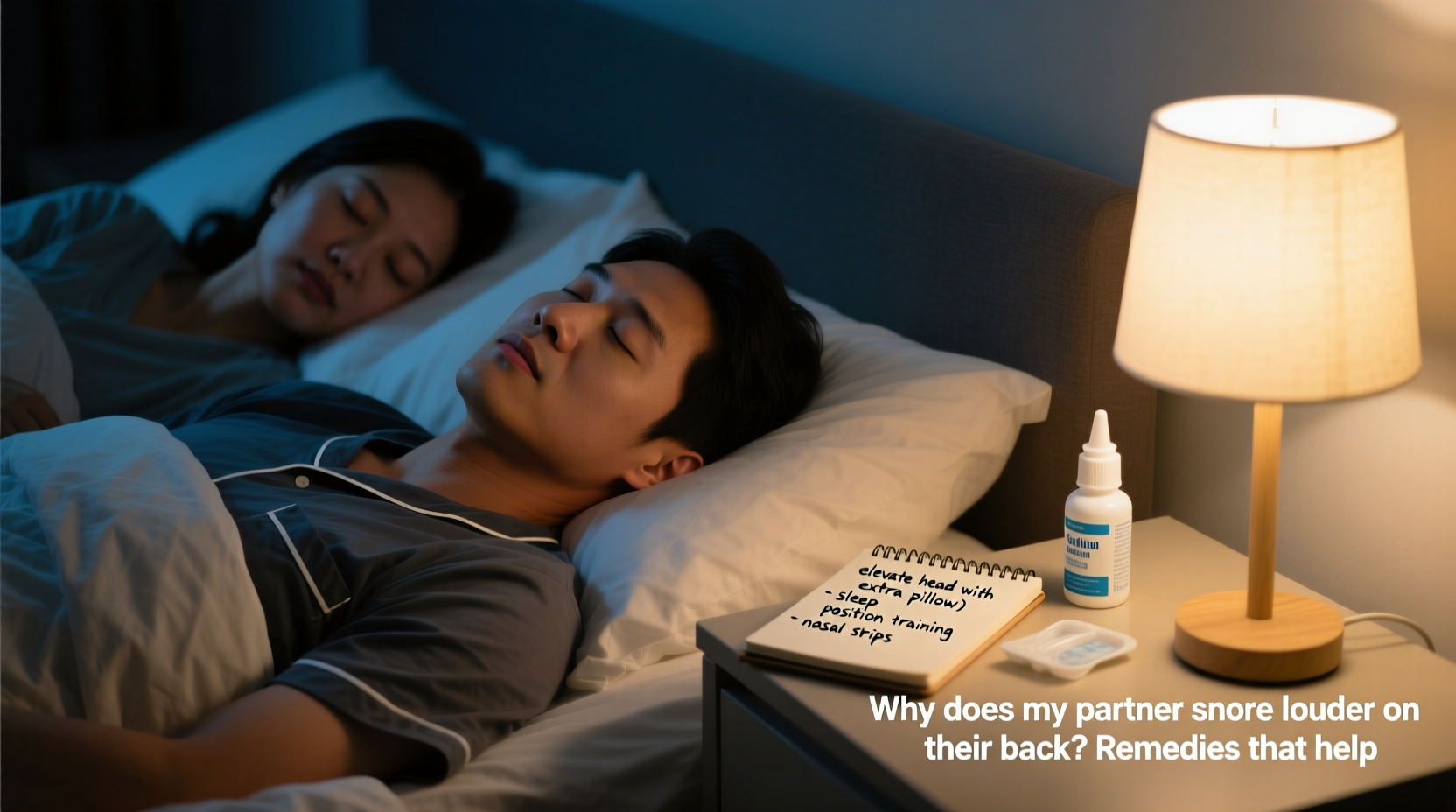
During sleep, muscle tone throughout the body decreases, including in the upper airway. In a supine position, gravity pulls the base of the tongue and the soft tissues of the throat directly toward the back wall of the pharynx. This reduces the space available for airflow, especially if the person already has anatomical risk factors such as:
- Narrow airway or enlarged tonsils/adenoids
- Excess weight around the neck
- Nasal congestion or deviated septum
- Alcohol consumption before bedtime
A study published in the journal *Sleep Medicine* found that up to 60% of snorers are positional—meaning their snoring is significantly worse when sleeping on their back. The same research showed that changing sleep position reduced snoring intensity by over 50% in most cases.
“Positional snoring is one of the most modifiable causes of nighttime noise. Simply adjusting sleep posture can yield dramatic improvements without medication or devices.” — Dr. Lena Patel, Sleep Specialist at Pacific Sleep Institute
Effective Remedies to Reduce Back-Sleep Snoring
While surgery or CPAP therapy may be necessary for severe sleep apnea, many cases of loud snoring can be managed with non-invasive, lifestyle-based strategies. Below are proven methods to help your partner breathe easier—and quieter—during the night.
1. Encourage Side Sleeping
The most direct solution to back-related snoring is shifting to side sleeping. This keeps the tongue from falling into the airway and allows for freer airflow. However, getting someone to stay on their side all night can be challenging—especially if they’re used to rolling onto their back unconsciously.
One low-tech method is the “tennis ball trick”: sew a tennis ball into the back of a snug-fitting T-shirt or use a commercial anti-snore pillow with built-in positioning support. The discomfort of lying on the ball prevents rolling onto the back without fully waking the sleeper.
2. Use an Elevated Sleeping Position
Elevating the upper body slightly helps prevent soft tissue collapse. This doesn’t require a hospital-style bed; even a wedge pillow under the mattress or an adjustable bed base set to incline the head can make a noticeable difference.
Research from the Mayo Clinic indicates that elevating the head by just 4 to 6 inches reduces snoring frequency and intensity in supine sleepers by improving airway patency.
3. Address Nasal Obstruction
If nasal passages are blocked due to allergies, congestion, or structural issues, mouth breathing becomes more likely—increasing the chance of snoring. Solutions include:
- Nasal strips (like Breathe Right) that gently lift nasal valves open
- Saline sprays or nasal irrigation (e.g., neti pot) before bed
- Antihistamines for allergy-related congestion (consult doctor)
Clear nasal breathing reduces the need for forceful inhalation through the mouth, which contributes to snoring volume.
4. Limit Alcohol and Sedatives Before Bed
Alcohol relaxes the muscles in the throat far more than normal sleep does, increasing the likelihood of airway collapse. Even one drink within three hours of bedtime can worsen snoring in predisposed individuals.
5. Maintain a Healthy Weight
Excess fat around the neck, particularly in men and post-menopausal women, puts additional pressure on the airway. Losing even 5–10% of body weight can lead to measurable reductions in snoring severity, according to a long-term study in the *International Journal of Obesity*.
Diet and exercise don’t have to be extreme—consistent walking, improved sleep hygiene, and portion control often yield results over time.
Comparison of Common Anti-Snoring Solutions
| Solution | Effectiveness | Cost | Time to See Results | Best For |
|---|---|---|---|---|
| Side-sleeping aids (e.g., pillows, shirts) | High (for positional snorers) | $–$$ | Immediate–1 week | Back sleepers without sleep apnea |
| Nasal strips or dilators | Moderate | $ | Immediate | Nasal congestion sufferers |
| Wedge pillows | Moderate–High | $$ | 1–3 nights | GERD or mild OSA patients |
| Oral appliances (mandibular advancement) | High | $$$ | 1–2 weeks | Mild–moderate sleep apnea |
| CPAP machine | Very High | $$$$ | Immediate (with adaptation) | Moderate–severe sleep apnea |
Step-by-Step Guide to Reducing Back-Sleep Snoring
Implementing change takes consistency. Follow this 30-day plan to help your partner transition away from loud back sleeping:
- Week 1: Assess and Prepare
Track when and how loudly your partner snores using a voice recording app. Note alcohol intake, bedtime, and sleep position. Purchase a supportive pillow or wedge if needed. - Week 2: Introduce Positional Training
Begin using a side-sleeping aid. Place pillows behind the back to prevent rolling. Try a wearable device like a posture alarm that vibrates when the wearer rolls onto their back. - Week 3: Optimize Sleep Environment
Ensure the bedroom is cool, dark, and free of allergens. Use a humidifier if the air is dry, as moisture helps keep airways open. Eliminate alcohol and heavy meals 3 hours before bed. - Week 4: Evaluate and Adjust
Compare snoring levels from Week 1. If improvement is minimal, consider consulting a sleep specialist. A home sleep test may be recommended to rule out obstructive sleep apnea (OSA).
Real-Life Example: Mark and Sarah’s Sleep Transformation
Sarah had grown accustomed to wearing earplugs and sleeping on the couch because her husband Mark’s snoring was so loud when he slept on his back. After a particularly restless week, she encouraged him to see a sleep clinic. The assessment revealed he didn’t have sleep apnea but was a classic positional snorer.
They started with a simple wedge pillow and a fitted shirt with a small pouch sewn into the back holding a golf ball. Within five nights, Mark stayed on his side most of the night. Sarah reported a 70% reduction in snoring noise. They later upgraded to a contoured memory foam pillow designed for side sleepers, which improved comfort and eliminated neck pain.
“I didn’t realize how much I was affecting her sleep,” Mark said. “Now we both wake up refreshed, and our relationship feels stronger because we’re actually sharing the bed again.”
When to Seek Medical Help
Not all snoring is harmless. Loud, chronic snoring accompanied by gasping, choking, or daytime fatigue could indicate obstructive sleep apnea—a serious condition linked to high blood pressure, heart disease, and stroke.
Red flags include:
- Snoring that wakes the partner across the room
- Frequent pauses in breathing during sleep
- Excessive daytime sleepiness despite full nights of sleep
- Morning headaches or dry mouth
If these symptoms are present, a formal sleep study is essential. Treatment options like CPAP or oral appliances can restore healthy breathing and protect long-term health.
Frequently Asked Questions
Can snoring be cured completely?
While not always “cured,” snoring can often be significantly reduced or eliminated with lifestyle changes, positional therapy, or medical treatment. Weight loss, avoiding alcohol, and treating nasal congestion are among the most effective long-term strategies. In cases of sleep apnea, consistent use of CPAP therapy stops snoring entirely.
Are anti-snoring pillows worth it?
For positional snorers, yes—especially those designed to support side sleeping or elevate the head. Look for pillows with cervical support and breathable materials. However, they work best when combined with other behavioral changes. Results vary, so trial periods or return policies are helpful.
Will losing weight stop snoring?
Weight loss can dramatically improve or eliminate snoring, particularly if excess weight is concentrated around the neck. Fat deposits in this area compress the airway, making collapse more likely during sleep. Even modest weight reduction (5–10% of body weight) has been shown to decrease snoring frequency and loudness.
Final Thoughts: Small Changes, Big Impact
Loud snoring when sleeping on the back is a common but fixable issue. By understanding the mechanics of airway obstruction and applying targeted remedies—from positional adjustments to lifestyle habits—you can transform a noisy, fragmented night into restful, shared sleep.
The benefits go beyond quiet. Better sleep improves mood, cognitive function, and emotional connection. For couples, reclaiming the bed means reclaiming intimacy and peace.




 浙公网安备
33010002000092号
浙公网安备
33010002000092号 浙B2-20120091-4
Comments
No comments yet. Why don't you start the discussion?