
There’s nothing more frustrating than spritzing on a beautiful fragrance in the morning, only to realize by midday that it’s completely vanished. You didn’t wash your hands excessively, avoid strong winds, or douse yourself in hand sanitizer—yet the scent is gone. This experience is more common than you think, and it doesn’t necessarily mean your perfume is low quality. In fact, the issue often lies not with the fragrance itself, but with how it interacts with your skin chemistry, application technique, and environmental factors.
Perfume longevity is influenced by a complex interplay of biological, chemical, and behavioral elements. Understanding these can transform your relationship with fragrance—from fleeting whispers to lasting impressions. Let’s explore the real reasons behind rapid scent dissipation and the proven strategies to extend your fragrance’s lifespan.
The Science Behind Scent Longevity
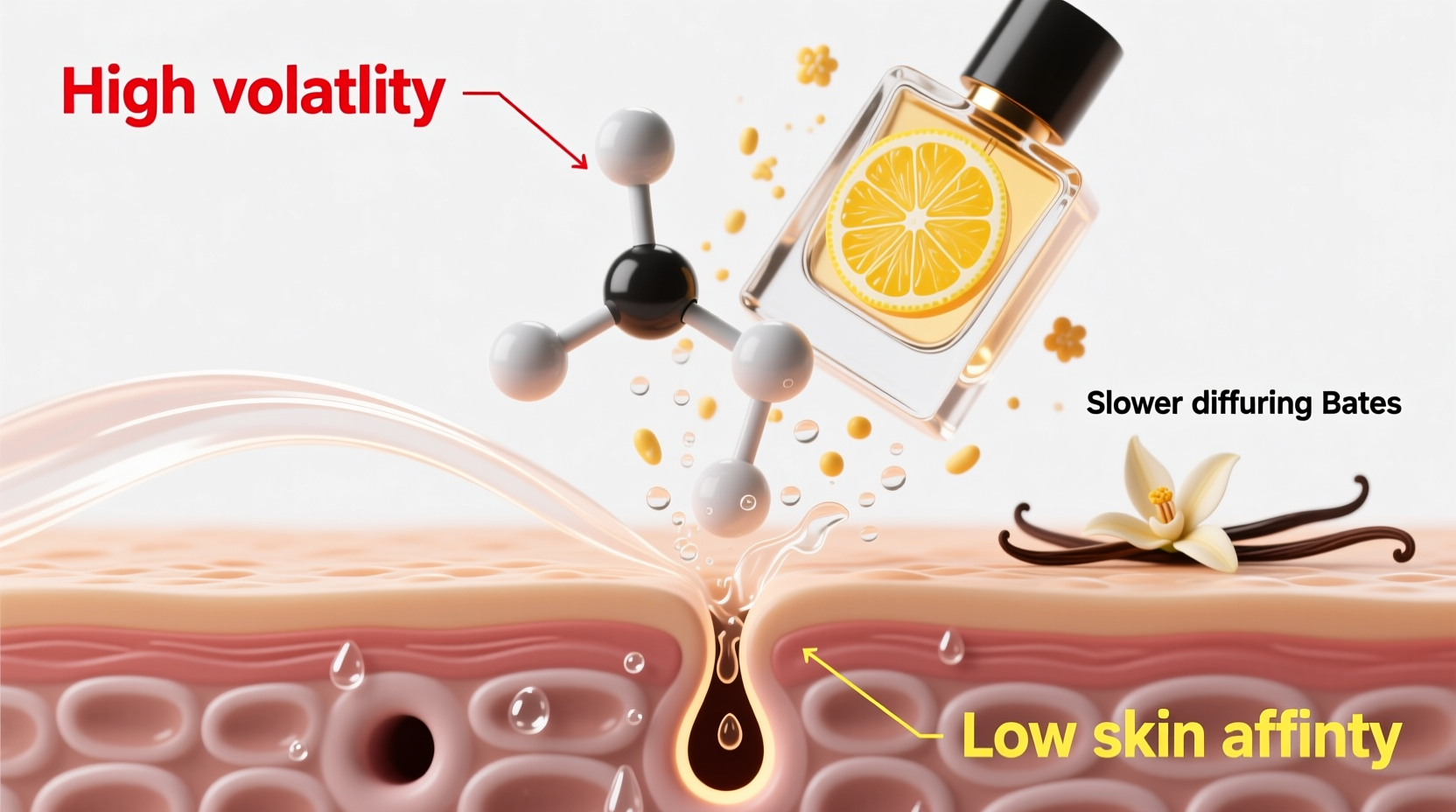
Fragrance longevity depends on three key phases: top notes (initial burst), middle or heart notes (developed character), and base notes (deep, lasting impression). A well-balanced perfume should transition smoothly through these stages over several hours. However, many people report that their perfume skips straight to “nothing” within an hour or two.
The reason lies in volatility—the rate at which aromatic molecules evaporate. Lighter molecules (like citrus or aldehydes) evaporate first, while heavier ones (such as woods, musks, or resins) linger. But even heavy-base perfumes can seem short-lived if they don’t properly adhere to the skin.
Your skin plays a critical role in this process. It isn't just a passive surface; it's a living, breathing canvas that chemically interacts with fragrance compounds. Skin pH, sebum production, hydration levels, and temperature all affect how long a scent stays detectable. For example, dry skin lacks the natural oils needed to trap and slow the evaporation of fragrance molecules, causing them to lift off the skin rapidly.
“Fragrance performance is 50% about the juice and 50% about the wearer. Two people using the same perfume may experience drastically different results due to skin chemistry.” — Dr. Lena Moretti, Cosmetic Chemist & Perfume Formulation Specialist
Why Your Perfume Disappears So Fast: 5 Key Reasons
1. Low Skin Moisture
Dry skin lacks the lipid barrier necessary to anchor fragrance molecules. Without moisture, scents sit on the surface and evaporate almost immediately. This is especially common in winter or for individuals with naturally dehydrated skin.
2. High Skin pH or Over-Exfoliation
Skin with a higher pH (more alkaline) can break down fragrance compounds faster. Frequent use of harsh soaps, scrubs, or chemical exfoliants disrupts the skin’s acid mantle, accelerating scent degradation.
3. Incorrect Application Technique
Many people spray perfume into the air and walk through it, which wastes up to 70% of the liquid. Others apply it only to clothing, where fibers absorb but don’t radiate scent effectively. The right method matters.
4. Using Alcohol-Based Sanitizers or Lotions
Hand sanitizers and certain lotions contain high concentrations of alcohol, which competes with and destabilizes fragrance molecules. Applying perfume after using these products significantly reduces longevity.
5. Mismatch Between Fragrance Concentration and Skin Type
Eau de Toilette (EDT) typically lasts 3–5 hours, while Eau de Parfum (EDP) can last 6–8 hours or more. If you have dry skin and are using a light EDT, you're setting yourself up for disappointment. Choosing the wrong concentration for your skin type is a common oversight.
How to Make Your Perfume Last Longer: Proven Strategies
Fixing short-lived fragrance isn’t about buying more expensive perfumes—it’s about optimizing your routine. Below are science-backed techniques to enhance scent retention.
Step-by-Step Guide to Long-Lasting Fragrance
- Hydrate your skin before applying perfume. Use a neutral, fragrance-free moisturizer or body oil. Oily bases like coconut, jojoba, or shea butter work best because they mimic the skin’s natural sebum and trap scent molecules.
- Apply perfume immediately after showering. Warm, damp skin absorbs fragrance better and slows evaporation. Just pat dry—don’t towel off completely.
- Target pulse points strategically. These areas emit heat, helping diffuse the scent gradually. Focus on wrists, inner elbows, base of the throat, and behind the ears.
- Avoid rubbing your wrists together. This crushes delicate top notes and generates excess heat, causing premature evaporation.
- Layer with matching scented products. Use a fragrance-matching bath gel, body cream, or roll-on oil. Layering builds a scent reservoir on the skin.
- Reapply smartly throughout the day. Carry a travel-sized atomizer and refresh on fabric (like scarves or collars) rather than reapplying directly to skin, which can distort the blend.
- Store your perfume correctly. Heat, light, and oxygen degrade fragrance over time. Keep bottles in a cool, dark drawer—never in the bathroom or near windows.
Use the Right Fragrance Concentration for Your Skin
Not all perfumes are created equal. Understanding concentration levels helps you choose wisely:
| Concentration | Fragrance Oil % | Average Longevity | Best For |
|---|---|---|---|
| Cologne (Eau de Cologne) | 2–4% | 1–2 hours | Casual daytime wear, warm climates |
| Eau de Toilette (EDT) | 5–10% | 3–5 hours | Balanced daily use |
| Eau de Parfum (EDP) | 10–15% | 6–8 hours | Dry skin, cooler weather, evening wear |
| Parfum (Extrait) | 15–30% | 8+ hours | Special occasions, sensitive skin (less spraying needed) |
If you struggle with scent fade, switching from EDT to EDP or parfum can make a dramatic difference—even if it’s the same fragrance line.
Real-Life Example: Sarah’s Scent Struggle
Sarah, a 34-year-old teacher from Denver, loved her favorite floral-citrus EDT but noticed it disappeared within 90 minutes. She assumed it was cheap or faulty. After consulting a beauty specialist, she realized she was applying it over dry, unmoisturized skin and washing her hands frequently with antibacterial soap.
She adjusted her routine: started using a shea-butter body cream after her morning shower, applied the perfume to her neck and hair instead of just wrists, and switched to a gentler hand soap. She also began layering with the brand’s matching body lotion. The result? Her perfume now lasts until late afternoon, and she receives compliments nearly every day.
It wasn’t the perfume that changed—it was her approach.
Common Mistakes That Kill Fragrance
- Applying perfume to dry skin – Creates no binding base for scent molecules.
- Rubbing wrists together – Breaks down top notes and increases evaporation.
- Spraying too much at once – Over-saturation overwhelms the nose and leads to olfactory fatigue.
- Storing perfume in the bathroom – Humidity and temperature fluctuations degrade the formula.
- Using heavily scented lotions – Competing fragrances clash and distort the intended aroma.
Checklist: How to Fix Fast-Vanishing Perfume
Follow this actionable checklist to maximize your fragrance performance:
- ✅ Moisturize skin with unscented lotion or oil before applying perfume
- ✅ Choose EDP or parfum if you have dry skin
- ✅ Apply to pulse points without rubbing
- ✅ Layer with matching fragrance products (if available)
- ✅ Avoid hand sanitizers and alcohol-heavy skincare post-application
- ✅ Store perfume in a cool, dark place away from sunlight
- ✅ Reapply midday using a fabric-safe method (scarf, collar, tissue)
- ✅ Exfoliate gently and maintain balanced skin pH
Frequently Asked Questions
Can drinking more water really make my perfume last longer?
Indirectly, yes. Hydrated skin retains moisture better, creating a more stable surface for fragrance adherence. While drinking water won’t instantly boost scent longevity, consistent hydration improves overall skin health, which supports better fragrance performance over time.
Is it better to spray perfume on clothes or skin?
Both have pros and cons. Skin emits heat, helping diffuse the fragrance naturally, but can cause fading on dry types. Clothes absorb scent well and prolong its presence, but may stain (especially silk or light fabrics) and don’t interact with body chemistry. Ideal practice: apply to skin first, then lightly mist clothing for added depth.
Why does my perfume last longer on some days than others?
Daily variables like diet, stress, hormones, and medication can alter your skin’s chemistry. For instance, spicy foods increase body temperature, boosting scent projection temporarily. Stress raises cortisol, which may change sebum production. Even seasonal shifts in humidity affect evaporation rates. Consistency in skincare and application helps stabilize results.
Final Thoughts: Transform Your Fragrance Experience
The disappearance of your perfume isn’t a mystery—it’s a signal. Your skin is communicating its needs, and your routine might need refinement. With a few strategic adjustments, even the most elusive scents can become enduring companions throughout your day.
Remember: fragrance is personal. What works for one person may not work for another. Experiment with layering, concentrations, and application zones to discover what resonates with your unique biology. And above all, treat your perfume with care—both on your skin and in storage.




 浙公网安备
33010002000092号
浙公网安备
33010002000092号 浙B2-20120091-4
Comments
No comments yet. Why don't you start the discussion?