
Every year, as holiday decorations go up, so do the number of emergency vet visits related to curious pets. One of the most common—and dangerous—behaviors is pets chewing on Christmas lights. Whether it's a kitten batting at flickering bulbs or a puppy gnawing on cords, this habit poses serious risks: electrical shock, burns, broken glass, and even house fires. Understanding why pets engage in this behavior is the first step toward preventing it. The good news? With consistent training, environmental management, and a few clever deterrents, you can protect both your pet and your peace of mind.
The Science Behind Why Pets Chew Wires and Lights
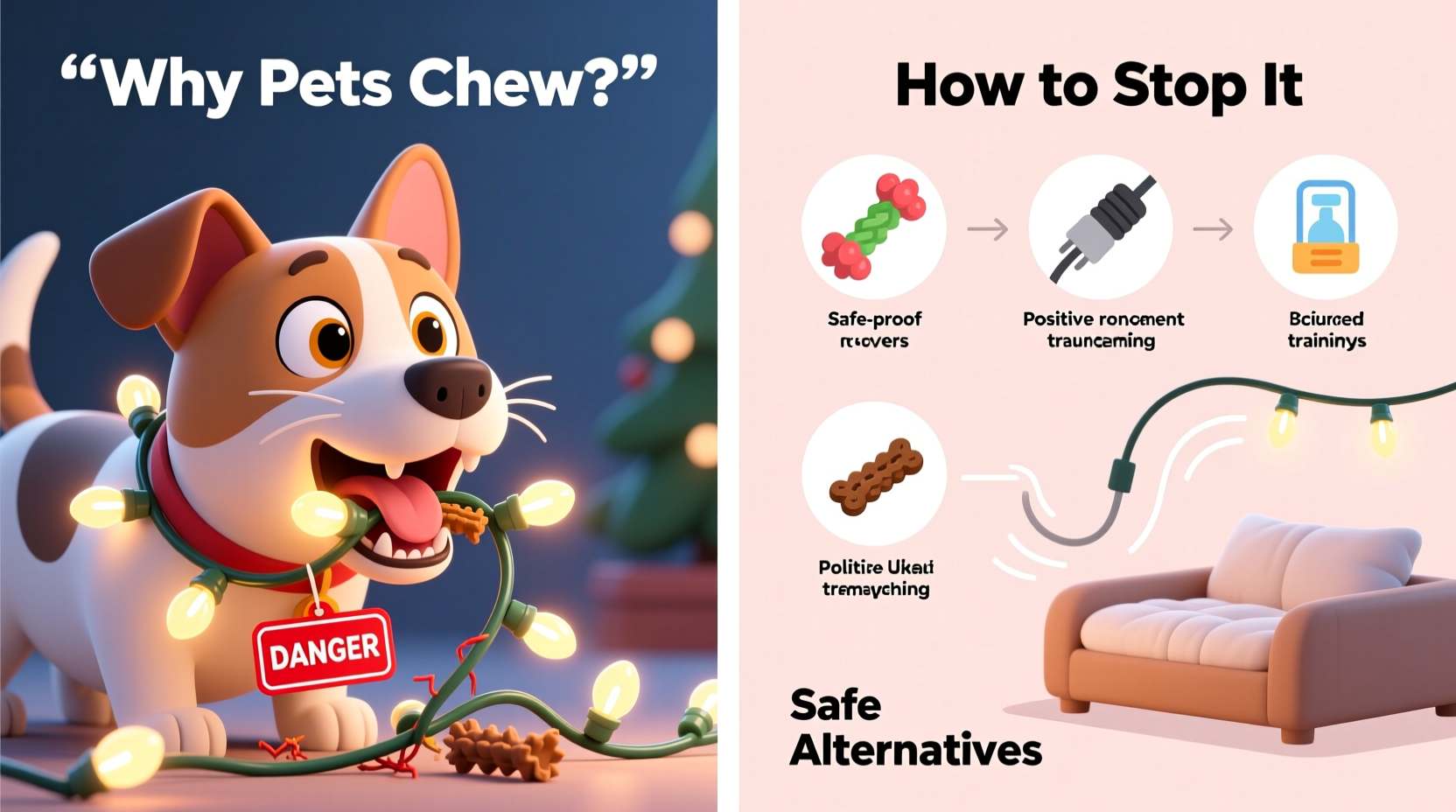
Pets don’t chew Christmas lights out of malice—they’re driven by instinct, curiosity, and developmental needs. For puppies and kittens especially, the mouth is their primary tool for exploring the world. Anything dangling, moving, or emitting light becomes an irresistible target. The blinking pattern of Christmas lights mimics prey movement, triggering a natural predatory response in cats. Puppies, meanwhile, are in a teething phase between 3 and 7 months, during which they chew constantly to relieve gum discomfort.
Dogs may also chew due to boredom, anxiety, or lack of mental stimulation. A dog left alone with nothing to do may turn to destructible items like cords simply because they’re available. In some cases, compulsive chewing can signal underlying behavioral issues such as separation anxiety or obsessive-compulsive disorder (OCD), especially if the behavior persists beyond puppyhood.
Cats, too, are naturally drawn to high places and vertical structures—perfect for climbing trees adorned with tempting lights. Their agility makes them particularly adept at reaching decorations that seem safely out of reach. Combine this with their instinct to stalk and pounce, and you have a recipe for disaster during the holidays.
Risks of Chewing Electrical Cords and Holiday Decorations
The dangers of pets chewing Christmas lights extend far beyond tangled wires or a ruined display. The most immediate threat is electrocution. When a pet bites through an insulated cord, they can receive a severe electric shock—especially if the circuit is live and grounded through their body. Symptoms of electrical injury include drooling, pawing at the mouth, coughing, difficulty breathing, seizures, and even cardiac arrest.
Burns are another serious concern. Even brief contact with a live wire can cause oral burns on the tongue, lips, or gums. These injuries may not be immediately visible but can lead to secondary complications like infection or difficulty eating.
Physical hazards include ingesting shards of broken ornaments or plastic bulbs, which can cause gastrointestinal blockages. Tinsel and garland pose similar risks—especially to cats, who may swallow long, stringy materials that can cause linear foreign body obstructions, a life-threatening condition requiring surgery.
“Electrical cord injuries are more common than people think, especially around the holidays. By the time owners notice symptoms, significant internal damage may have already occurred.” — Dr. Lena Torres, DVM, Emergency Veterinary Specialist
Effective Prevention Strategies: A Step-by-Step Guide
Preventing destructive chewing requires a proactive, multi-layered approach. Waiting until a problem occurs is not only risky—it’s avoidable with proper planning. Follow this timeline to safeguard your home before the holidays begin.
- Assess your setup (4–6 weeks before decorating): Walk through your home from your pet’s eye level. Identify all accessible cords, low-hanging ornaments, and unstable decor.
- Choose pet-safe decorations: Opt for shatterproof ornaments, battery-operated candles, and LED lights with cool-to-the-touch bulbs. Avoid tinsel, ribbon, and small decorative pieces that can be easily swallowed.
- Secure cords (before hanging lights): Use cord covers, conduit tubing, or adhesive cable clips to bundle and conceal wires. Run cords along baseboards or behind furniture whenever possible.
- Use bitter sprays (during setup): Apply pet-safe bitter apple or citrus-based deterrent sprays to cords and tree trunks. Reapply every few days or after dusting.
- Create physical barriers: Place baby gates around the tree area or use a playpen-style enclosure to limit access when unsupervised.
- Provide alternatives: Set up a designated “pet zone” with chew toys, puzzle feeders, and interactive games to redirect attention.
- Supervise and reinforce (throughout the season): Monitor interactions closely. Reward calm behavior near the tree with treats or praise.
Training Your Pet to Avoid the Tree Area
Positive reinforcement is far more effective than punishment when teaching pets boundaries. Start by leash-training your dog near the tree while indoors. If they move toward the lights, gently guide them away and reward them for looking elsewhere. Over time, increase distance and reduce leash dependence.
For cats, consider using double-sided tape or aluminum foil around the tree base—surfaces most felines dislike walking on. Motion-activated air sprays (like Ssscat) can also deter repeated approaches without harming the animal.
Do’s and Don’ts: What Works (and What Doesn’t)
| Do | Don't |
|---|---|
| Use cord organizers or PVC pipes to hide wires | Leave loose cords exposed or draped across floors |
| Offer durable chew toys made for teething pets | Give old socks or scraps of fabric as toys—they encourage inappropriate chewing |
| Place the tree in a corner secured to the wall or ceiling | Put the tree in high-traffic areas where pets can bump into it |
| Use motion-activated deterrents for cats | Spray vinegar or ammonia directly on cords—these can be toxic if ingested |
| Rotate enrichment activities daily to prevent boredom | Leave pets unattended with full access to decorated spaces |
Real-Life Example: How One Family Prevented Disaster
The Rivera family had always struggled with their golden retriever, Max, during the holidays. At eight months old, he chewed through two sets of lights and knocked over the tree twice. After a close call involving a sparking outlet, they consulted a veterinary behaviorist. The solution wasn’t just about restriction—it was about enrichment.
They began by installing a transparent cord protector along the wall and anchoring the tree securely. They also created a “holiday station” for Max: a cozy bed near the living room with frozen Kongs, a chew-proof deer antler, and a camera-linked treat dispenser they could activate remotely. They trained Max to lie on his mat using clicker training, rewarding him for staying away from the tree.
Within three weeks, Max no longer approached the decorations. By Christmas Eve, he could stay in the same room while the family opened presents—with the tree intact and the lights glowing safely.
Checklist: Holiday-Proof Your Home Before Decorating
- ✅ Inspect all electrical cords for fraying or damage
- ✅ Purchase cord covers or plastic raceways
- ✅ Choose unbreakable, large ornaments placed high on the tree
- ✅ Buy pet-safe bitter spray and test on a small area first
- ✅ Secure the Christmas tree to a wall or ceiling hook
- ✅ Remove tinsel, ribbons, and small decorative figurines
- ✅ Install baby gates or barriers around the tree area
- ✅ Stock up on chew toys, puzzle feeders, and long-lasting treats
- ✅ Schedule extra playtime and walks during the busy season
- ✅ Program your vet’s emergency number into your phone
When to Seek Professional Help
Occasional curiosity is normal. But if your pet repeatedly chews cords despite prevention efforts, shows signs of anxiety (panting, pacing, destructive behavior when alone), or seems unable to settle near decorated areas, professional intervention may be needed. A certified animal behaviorist or veterinary behaviorist can assess whether the behavior stems from fear, compulsion, or unmet environmental needs.
In some cases, short-term anti-anxiety medication may be recommended alongside behavioral modification. Never attempt to medicate your pet without veterinary guidance.
Frequently Asked Questions
Can I use essential oils to deter my pet from chewing cords?
No. While some essential oils have strong scents that may repel pets, many—including tea tree, citrus, and eucalyptus—are toxic to cats and dogs when inhaled or ingested. Stick to commercially formulated, pet-safe deterrent sprays approved by veterinarians.
Are there Christmas lights designed for homes with pets?
Yes. Look for lights labeled “battery-operated,” “low-voltage,” or “cordless.” Some brands offer flexible, silicone-coated strands that are harder to chew through. Battery-powered options eliminate electrical risk entirely and can be safely used on artificial trees.
My cat climbed the tree and won’t come down. What should I do?
Stay calm. Most cats will descend on their own once they tire. Avoid shaking the tree or yelling, which may cause falls. Gently place a blanket or soft surface beneath the tree in case of a jump. If the cat appears injured or trapped, contact a local animal rescue or vet for assistance.
Conclusion: A Safer, Happier Holiday Starts Now
Your pet’s safety doesn’t have to come at the cost of festive cheer. By understanding the root causes of destructive chewing and implementing smart, compassionate solutions, you can enjoy a joyful, decoration-filled season without compromise. Prevention isn’t about restricting your pet—it’s about guiding them toward better choices through environment, training, and enrichment.
This holiday season, take action before the first light is hung. Secure cords, choose safer decor, and invest time in training and play. A little preparation today ensures your pet stays healthy, your home remains intact, and your memories stay bright—without any shocking surprises.




 浙公网安备
33010002000092号
浙公网安备
33010002000092号 浙B2-20120091-4
Comments
No comments yet. Why don't you start the discussion?