
Every year, millions of homes light up with festive decorations—twinkling Christmas trees, glowing wreaths, and strings of colorful bulbs. But for pet owners, this seasonal joy often comes with a hidden danger: curious pets chewing on electrical cords and lights. Dogs, cats, rabbits, and even birds may be irresistibly drawn to the movement, texture, or sound of blinking lights. While their behavior might seem mischievous, it’s rarely about defiance. More often, it's rooted in instinct, boredom, or sensory curiosity. The good news is that you can protect both your pet and your decorations using humane, science-backed methods that prioritize safety and well-being.
The Science Behind the Chewing Instinct
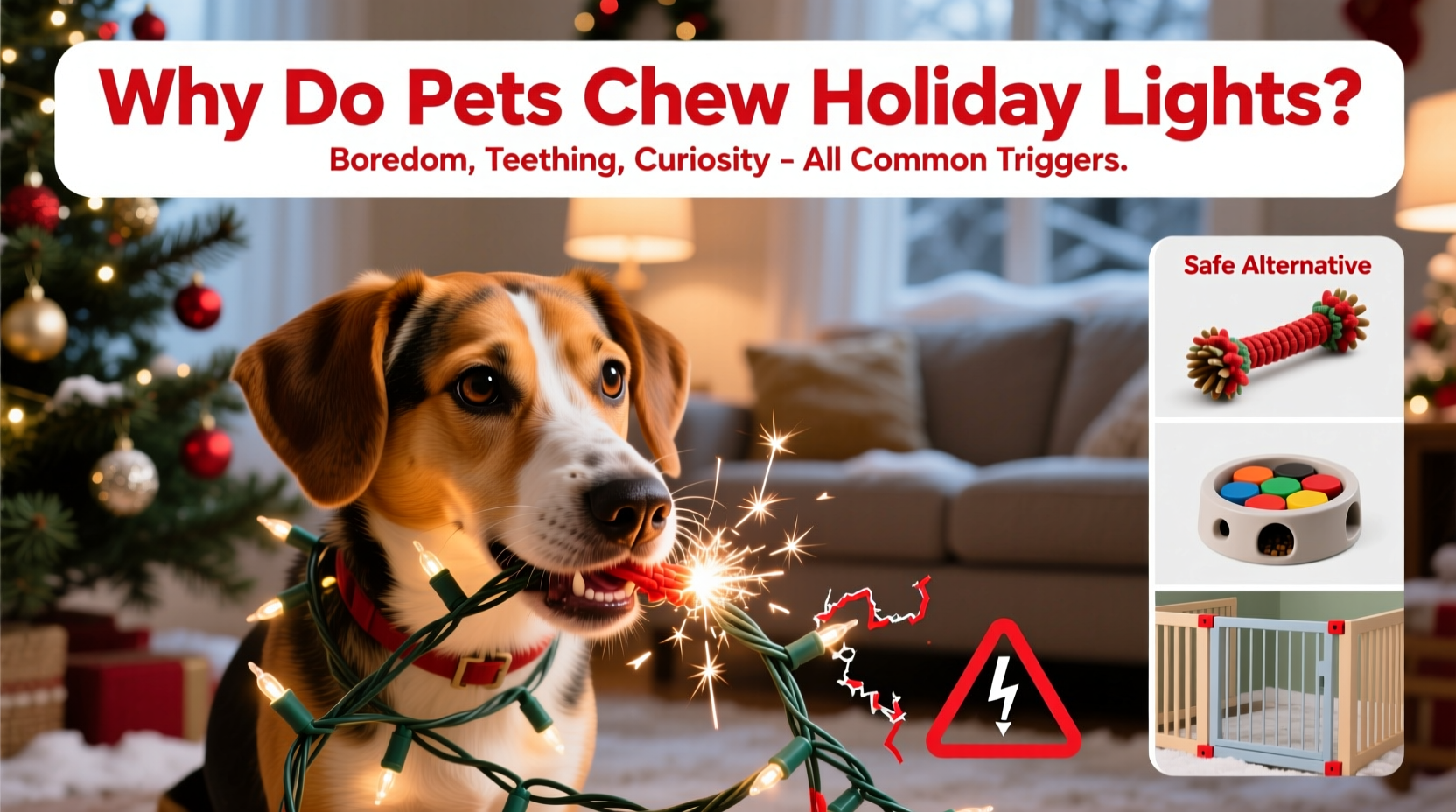
Pets don’t chew on Christmas lights out of malice. Their behavior stems from natural drives shaped by evolution and development. For puppies and kittens, the world is explored through the mouth—a phase known as oral exploration. Just like human babies, young animals use their teeth and gums to investigate textures, temperatures, and shapes. A dangling cord that flickers and moves mimics prey-like motion, triggering a predatory response in many species.
Dogs, especially during teething (between 3–7 months), seek soft or pliable objects to gnaw on to relieve gum discomfort. Cats are naturally attracted to anything that sways or glimmers—Christmas lights resemble laser pointers or feather toys in motion. Even adult pets may return to chewing if under-stimulated or anxious. Stress, changes in routine, or the excitement of holiday visitors can amplify compulsive behaviors.
“Animals chew not to destroy, but to understand, soothe, or cope. Labeling it ‘bad behavior’ misses the root cause.” — Dr. Lena Torres, Veterinary Ethologist
Understanding these motivations shifts the focus from punishment to prevention. Instead of scolding your pet, address the environment and underlying needs driving the behavior.
Risks of Chewing Electrical Cords and Lights
Beyond tangled messes and ruined decorations, chewing on Christmas lights poses serious health risks:
- Electrical shock: Biting into a live wire can cause burns, cardiac arrest, or respiratory failure.
- Choking hazards: Small bulb fragments or plastic casings can become lodged in the throat or digestive tract.
- Poisoning: Some older lights contain lead-based coatings or toxic flame retardants.
- Fire risk: Damaged wires can overheat and ignite nearby materials like dry Christmas trees or curtains.
According to the American Veterinary Medical Association (AVMA), dozens of pets are treated annually for electrical injuries related to holiday décor. Many cases go unreported because symptoms like lethargy or coughing appear hours later, making early detection difficult.
Humane Prevention Strategies That Work
Stopping your pet from chewing Christmas lights isn’t about dominance or discipline—it’s about creating a safe, enriched environment. Here’s how to do it compassionately and effectively.
1. Make Cords Inaccessible
The most reliable method is physical removal. Use cord covers, conduit tubing, or raceways to encase wires along baseboards and behind furniture. Place power strips high on shelves or inside closed cabinets. For tree lights, route cords behind heavy furniture or secure them with zip ties to the back of a sofa or wall.
2. Use Bitter-Tasting Deterrents
Sprays containing bitter apple, citrus, or denatonium benzoate (the most bitter substance known) discourage chewing without harming pets. Apply to cords, tree trunks, and nearby surfaces—but test on a small area first to avoid damaging finishes.
3. Redirect with Appropriate Alternatives
Replace temptation with acceptable outlets. Offer chew toys, puzzle feeders, or interactive games during peak activity times. For dogs, frozen stuffed Kongs or rubber chews satisfy oral needs. Cats benefit from wand toys, crinkle tunnels, or automated laser devices that mimic moving lights—without the danger.
4. Increase Mental and Physical Stimulation
A tired pet is less likely to engage in destructive behavior. Increase daily walks, play sessions, or training exercises. Introduce scent games (e.g., hiding treats around the house) to engage natural foraging instincts. Rotate toys weekly to maintain novelty and reduce boredom.
5. Create a Pet-Safe Zone
If supervision is limited, designate a secure area free of hazards. Use baby gates or pet pens to block access to decorated rooms. Equip the zone with water, bedding, toys, and a camera for remote monitoring. This isn’t confinement—it’s a sanctuary where your pet feels calm and engaged.
Step-by-Step Guide: Preparing Your Home Before Decorating
Prevention begins before the first ornament goes up. Follow this timeline to ensure a safe, joyful season.
- Week 1: Audit Your Space
Walk through each room on hands and knees—your pet’s eye level. Identify dangling cords, low-hanging garlands, and unstable decor. - Week 2: Install Safety Gear
Purchase cord protectors, outlet covers, and bitter sprays. Test them for pet safety and effectiveness. - Week 3: Set Up Pet Zones
Choose one or two rooms where your pet can stay when unsupervised. Stock with familiar items and enrichment tools. - Week 4: Decorate Strategically
Place lights high on the tree (at least top two-thirds), secure bases, and avoid tinsel or small ornaments within reach. - Ongoing: Supervise and Reinforce
Monitor behavior daily. Reward calm interactions with treats. Redirect gently if curiosity arises.
Do’s and Don’ts: Holiday Pet Safety Checklist
| Do | Don’t |
|---|---|
| Use battery-operated lights near pets | Leave plugged-in lights unattended |
| Supervise pets around new decor | Yell or punish chewing behavior |
| Offer chew toys as alternatives | Use essential oils near cats (toxic) |
| Secure tree to wall to prevent tipping | Use tinsel or ribbon as pet-accessible decor |
| Unplug lights when leaving home | Assume “pet-proof” products are foolproof |
Real Example: How the Miller Family Protected Their Kitten
The Millers adopted Luna, a 5-month-old tabby, just before the holidays. Within hours of setting up their tree, they caught her batting at low-hanging lights and nibbling a cord. Alarmed, they consulted their vet, who recommended a multi-pronged approach.
First, they moved all plug-in lights to the upper half of the tree and switched lower strands to battery-powered LEDs. They wrapped floor cords in flexible PVC conduit and sprayed exposed sections with a pet-safe bitter spray. They also created a cozy window perch near the living room, stocked with feather toys and a heated bed, so Luna could observe festivities safely.
Most importantly, they established a daily routine: 15 minutes of playtime before dinner, a food puzzle at noon, and a short brushing session each evening. Within a week, Luna lost interest in the tree. By Christmas Eve, she was napping beside it—curious but calm.
“We stopped seeing her as a problem,” said Sarah Miller. “We started seeing her needs. That changed everything.”
Frequently Asked Questions
Can I train my pet not to chew lights?
Yes, but not through punishment. Use positive reinforcement: reward your pet for ignoring cords or choosing toys instead. Pair this with environmental management—like covering wires—for lasting results. Training takes consistency, but most pets adapt within 1–3 weeks.
Are LED lights safer than incandescent ones?
LEDs run cooler and use less voltage, reducing burn and fire risk. However, the cord itself remains dangerous if chewed. Always combine LED use with physical barriers and supervision.
What if my pet only chews when I’m not home?
This suggests separation anxiety or boredom. Consider increasing pre-departure exercise, leaving on calming music or a TV channel for pets, or consulting a veterinary behaviorist. Remote cameras help monitor behavior and adjust strategies accordingly.
Conclusion: Safety, Empathy, and Peace of Mind
The holiday season should be joyful—not stressful or dangerous for your beloved pet. Chewing Christmas lights isn’t a moral failing; it’s a signal. Your pet is communicating curiosity, discomfort, or unmet needs. By responding with empathy, preparation, and humane solutions, you protect their well-being while preserving the magic of the season.
You don’t need to sacrifice decoration for safety, or companionship for convenience. With thoughtful planning, both you and your pet can enjoy a festive, worry-free holiday. Start today: inspect your cords, stock up on deterrents, and enrich your pet’s environment. Small steps now can prevent emergencies later.




 浙公网安备
33010002000092号
浙公网安备
33010002000092号 浙B2-20120091-4
Comments
No comments yet. Why don't you start the discussion?