
It starts with a quiet evening, soft lights, and the gentle scent of pine filling the room—your Christmas tree stands tall, perfectly decorated, a centerpiece of holiday joy. Then, without warning, a crash echoes through the house. You rush in to find tinsel scattered, ornaments shattered, and your pet standing proudly—or guiltily—beside a toppled tree. If this sounds familiar, you're not alone. Every year, millions of pet owners face the same challenge: a curious or playful animal determined to bring down the tree.
The reasons behind this behavior vary, but so do the solutions. Understanding why your pet targets the tree is the first step toward protecting your decor—and your pet’s safety. From instinctual curiosity to boredom-driven mischief, pets interact with trees in ways that can seem destructive but are often completely natural. The key isn’t punishment, but prevention through smart design, behavioral management, and structural reinforcement.
Why Pets Are Drawn to Trees
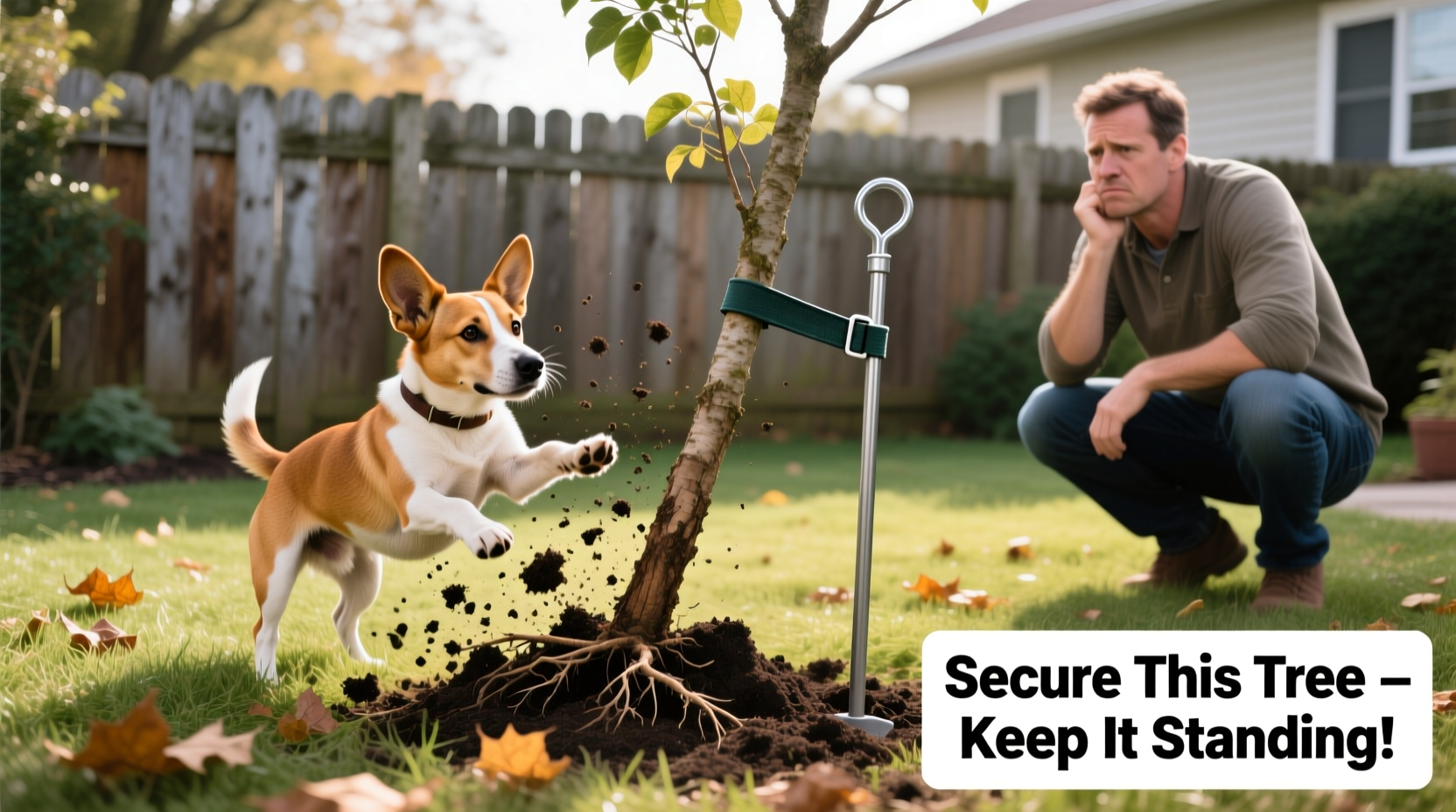
Pets don’t knock over trees out of malice. Their actions stem from deeply rooted instincts and environmental cues. Dogs and cats, especially younger ones, perceive the tree as part of their territory—one filled with movement, texture, and mystery.
Cats are naturally attracted to vertical spaces. A Christmas tree mimics a climbing structure, offering branches at various heights and dangling objects that resemble prey. The shimmer of ornaments, the sway of tinsel, and even the scent of real pine can trigger predatory instincts. For a cat, batting at a low-hanging ball or leaping onto a lower branch is no different than pouncing on a toy mouse.
Dogs, on the other hand, may approach the tree out of play, curiosity, or territorial marking. The water reservoir at the base can be an irresistible drinking spot, especially if it contains sap or preservatives. Some dogs treat the tree like a new piece of furniture to investigate, nudging it with their nose or pawing at fallen needles. Larger breeds can easily destabilize a poorly anchored tree with minimal contact.
Small pets like rabbits or guinea pigs are less likely to topple a full-sized tree, but they may chew on low branches or drag decorations if given access. Even birds in cages might flap excitedly at reflective ornaments, causing vibrations that shift lightweight stands.
“Animals respond to novelty and movement. A decorated tree is essentially a giant enrichment toy in their environment.” — Dr. Lena Torres, Veterinary Ethologist
Behavioral Triggers Behind Tree Toppling
To prevent repeat incidents, it’s essential to identify what motivates your pet’s interaction with the tree. Common triggers include:
- Curiosity: New objects in a pet’s space demand investigation. The tree’s smell, texture, and appearance make it a focal point.
- Boredom: Without sufficient mental stimulation, pets invent their own entertainment. A swaying ornament becomes a moving target.
- Play Instinct: Many pets, especially kittens and young dogs, see dangling items as toys. Swatting or chasing them reinforces the behavior.
- Attention-Seeking: If knocking something over earns a reaction—even scolding—it can become a learned behavior.
- Stress or Anxiety: Changes in routine, new decorations, or increased household activity during holidays can heighten anxiety, leading to destructive behaviors.
Addressing these triggers requires more than just securing the tree physically. Environmental enrichment, consistent routines, and positive reinforcement training are equally important.
Effective Ways to Secure the Tree
Physical stabilization is the most direct way to protect your tree. Even the most determined pet is unlikely to succeed against a properly anchored setup. Here’s how to build a defense system that works:
1. Choose the Right Stand
A heavy-duty, weighted stand with wide legs provides better stability than lightweight plastic models. Metal stands with adjustable grips offer superior hold, especially for larger trees. Ensure the stand fits the trunk snugly—any wobble increases the risk of tipping.
2. Anchor to the Wall or Ceiling
This is the single most effective method. Use soft nylon cords or fishing line attached near the top of the tree and secured to a wall hook or ceiling anchor. Three anchor points spaced evenly around the tree create a tripod effect, distributing force and preventing lateral falls.
3. Use a Weighted Base
Add sandbags, bricks, or water-filled containers around the base of the stand. Conceal weights under a tree skirt for a clean look. Avoid placing heavy objects directly on the stand mechanism, as this can interfere with water absorption in real trees.
4. Create a Physical Barrier
Install a baby gate, playpen panels, or a decorative screen around the tree. This doesn’t need to be unsightly—woven willow fencing or wooden lattice can blend with holiday decor while keeping pets at a safe distance.
5. Reinforce with Invisible Deterrents
Double-sided tape, aluminum foil, or motion-activated air sprayers placed near the base discourage approach without harming the pet. These work best when combined with positive redirection to approved play zones.
Step-by-Step Guide: Securing Your Tree in 6 Steps
- Assess the Location: Place the tree away from furniture pets can use to jump onto branches. Avoid high-traffic areas where accidental bumps are likely.
- Select a Stable Stand: Opt for a metal stand with a wide footprint and locking clamp. Fill with water immediately if using a real tree.
- Anchor the Top: Attach three clear fishing lines to upper branches and secure them to wall studs or ceiling joists using removable hooks.
- Weight the Base: Surround the stand with sandbags or sealed water bottles. Cover with a non-slip tree skirt.
- Install a Barrier: Set up a semi-circular gate or mesh fence at least 3 feet from the trunk to prevent close contact.
- Monitor and Adjust: Observe your pet’s behavior daily. If they persist in approaching, reinforce boundaries with verbal cues and reward calm behavior.
Do’s and Don’ts of Pet-Safe Tree Setup
| Do’s | Don’ts |
|---|---|
| Use shatterproof ornaments made of fabric or plastic | Hang glass or fragile ornaments within reach |
| Keep electrical cords tucked and covered with cord protectors | Leave loose wires exposed on the floor |
| Place treats and toys in a separate play zone to redirect attention | Use tinsel or stringy materials that can cause intestinal blockages if ingested |
| Supervise pets during initial exposure to the tree | Leave pets unattended with the tree until they show consistent respect for boundaries |
| Use a tree skirt that fastens securely and hides the water base | Allow pets to drink from the tree stand, especially if chemicals are added |
Real Example: How One Family Saved Their Tree (and Sanity)
The Rivera family had given up on Christmas trees. For three years, their golden retriever, Max, had knocked it down by December 5th—first by chewing the stand, then by playing fetch with an ornament, and finally by simply leaning into it while chasing a reflection. Each time, the cleanup took hours, and one incident resulted in Max swallowing a small pinecone decoration, requiring a vet visit.
In year four, they redesigned their strategy. They bought a metal stand and anchored the tree to two wall studs using transparent braided fishing line. They installed a collapsible playpen around the tree’s perimeter and filled it with Max’s favorite chew toys. They also began a “quiet time” routine before bedtime, giving Max a stuffed Kong to lick while sitting near—but not too close to—the tree.
The result? Max sniffed the base once, lost interest, and never returned. The tree stood intact until January 5th, when it was taken down by choice, not force. “We realized we weren’t just protecting the tree,” said Maria Rivera. “We were teaching Max how to live with it peacefully.”
Checklist: Pet-Proof Your Tree in One Afternoon
- ☐ Choose a sturdy, weighted tree stand
- ☐ Anchor the tree to wall or ceiling with secure lines
- ☐ Weigh down the base with hidden weights
- ☐ Install a physical barrier (gate, screen, or pen)
- ☐ Replace breakable ornaments with pet-safe alternatives
- ☐ Cover and secure all electrical cords
- ☐ Block access to the water reservoir
- ☐ Introduce the pet gradually with supervision
- ☐ Provide alternative enrichment nearby (toys, beds, perches)
- ☐ Monitor behavior and reinforce boundaries daily
Frequently Asked Questions
Can I train my pet to stay away from the tree?
Yes, with consistency. Use positive reinforcement: reward your pet for staying at a designated distance. Pair this with a firm “leave it” command. Never punish after the fact—correction must be immediate to be effective. Over time, most pets learn to avoid the area when reinforced consistently.
Are artificial trees safer than real ones for pets?
Artificial trees eliminate risks like sap, mold in water, and needle ingestion, making them generally safer. However, they can still topple if not anchored. Some low-quality artificial trees contain PVC or lead dust, so choose a pet-safe, flame-retardant model. Real trees pose higher ingestion risks but offer a more natural scent that some pets tolerate better.
What should I do if my pet eats tree needles or decorations?
Contact your veterinarian immediately. Ingesting pine needles can cause gastrointestinal irritation or blockages. Tinsel, ribbon, or small ornaments are especially dangerous due to linear foreign body risks. Do not induce vomiting unless instructed by a professional.
Conclusion: Peaceful Holidays Start with Preparation
A pet-friendly holiday doesn’t mean sacrificing tradition. With thoughtful planning, you can enjoy a beautiful, stable tree while keeping your pet safe and engaged. The solution lies not in restricting your pet, but in designing an environment that meets both your aesthetic needs and their behavioral instincts.
Start early. Secure the tree before decorating, introduce your pet gradually, and maintain consistent boundaries. Combine physical safeguards with mental enrichment, and you’ll transform a potential hazard into a shared seasonal experience.




 浙公网安备
33010002000092号
浙公网安备
33010002000092号 浙B2-20120091-4
Comments
No comments yet. Why don't you start the discussion?