
Rabbits are naturally curious, energetic animals with a strong instinct to chew. This behavior serves both physical and psychological purposes, from wearing down their ever-growing teeth to exploring their surroundings. When you notice your rabbit gnawing on paper chain garlands—especially around holidays—it’s easy to feel amused at first. But this seemingly harmless habit can quickly become a serious health concern. Understanding why rabbits engage in this behavior and whether it poses a danger is essential for responsible pet ownership.
The Natural Instinct to Chew
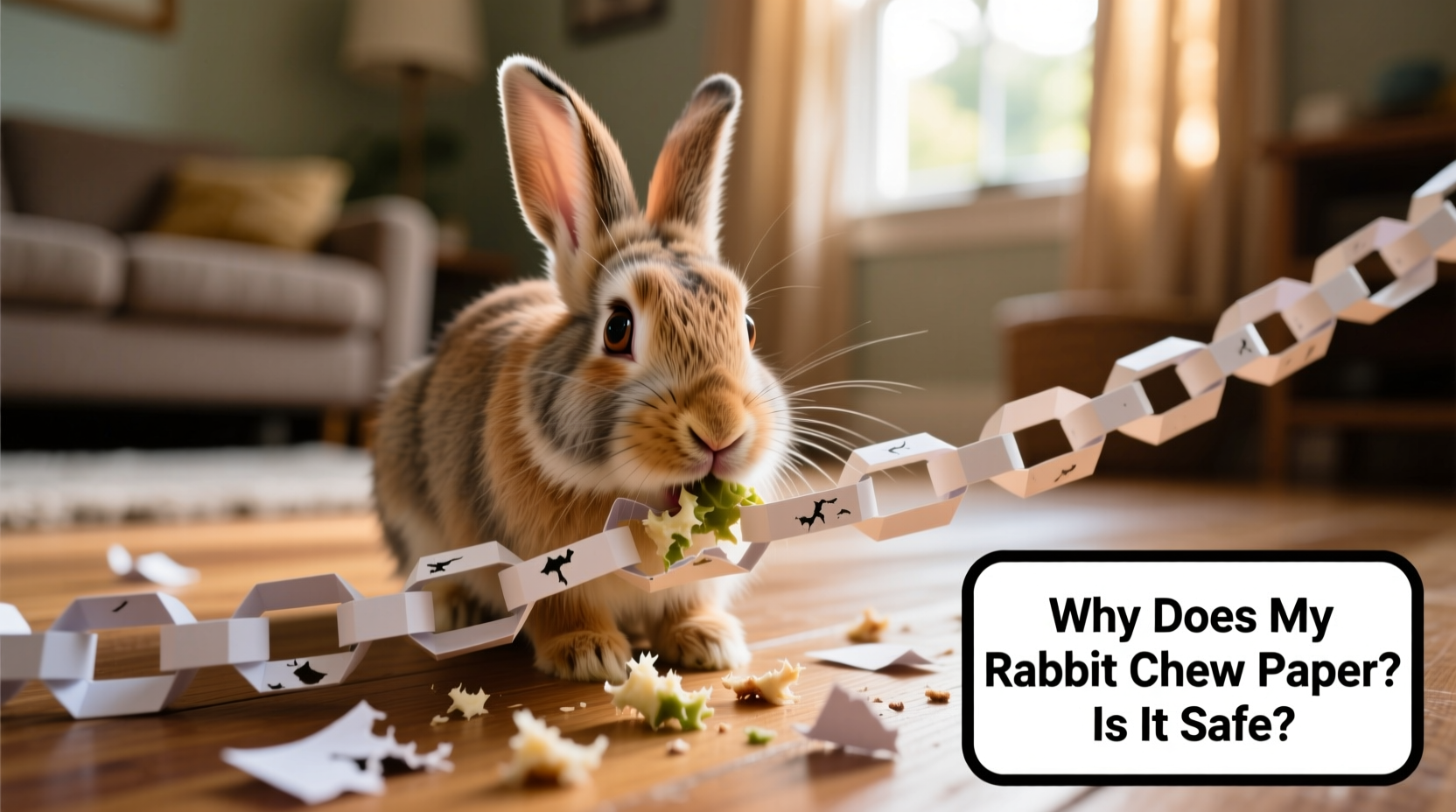
Chewing is not just a pastime for rabbits—it's a biological necessity. A rabbit’s teeth grow continuously throughout its life, at a rate of about 2–3 mm per week. Without constant wear, their molars and incisors can overgrow, leading to painful dental conditions such as malocclusion, abscesses, or difficulty eating. Chewing fibrous materials like hay helps maintain proper tooth length and digestive health.
Beyond dental needs, chewing is also a form of mental stimulation. In the wild, rabbits spend much of their time foraging, digging, and gnawing on bark or roots. Domestic rabbits retain these instincts, and without appropriate outlets, they may redirect their chewing toward household items—including paper chains, cardboard, electrical cords, or furniture.
Why Paper Chain Garlands Attract Rabbits
Paper chain garlands, often made from crepe paper or construction paper, present several features that make them appealing to rabbits:
- Texture: The crinkly, fibrous texture mimics plant material, triggering a rabbit’s foraging instinct.
- Mobility: Hanging decorations sway with air currents, catching a rabbit’s attention like moving prey or foliage.
- Scent: Some papers carry residual odors from dyes, glue, or manufacturing processes that may intrigue a sensitive nose.
- Novelty: New objects introduced into a rabbit’s environment are automatically targets for investigation through chewing.
In multi-pet homes or during seasonal decorating, these garlands are often hung low enough for rabbits to reach—especially if they’re kept in living rooms or play areas. The combination of accessibility and sensory appeal makes paper chains a tempting target.
“Rabbits don’t distinguish between safe and unsafe items based on human intention. If it looks chewable, they’ll treat it as food or toy until proven otherwise.” — Dr. Rebecca Nguyen, DVM, Exotic Animal Specialist
Is Chewing Paper Dangerous for Rabbits?
Yes, allowing your rabbit to chew paper chain garlands can be dangerous. While small amounts of plain paper are not immediately toxic, the risks far outweigh any momentary entertainment value.
Potential Health Hazards
- Intestinal Blockage: Paper is not digestible in the way that plant fiber is. Unlike hay, which breaks down in the cecum, paper can clump in the gastrointestinal tract and cause obstructions. Symptoms include loss of appetite, lethargy, small or absent fecal pellets, and bloating.
- Toxic Ingestion: Many decorative papers contain dyes, inks, adhesives, or laminates that are toxic when ingested. Even “non-toxic” craft supplies may not be safe for long-term consumption by small herbivores.
- Choking Risk: Long strips of paper can tangle in the mouth or throat, especially if pulled aggressively.
- Dental Injury: While paper provides minimal abrasion, it doesn’t effectively wear down teeth. Relying on paper instead of proper chew items can contribute to dental overgrowth over time.
A case study from a veterinary clinic in Portland illustrates the severity: a 1-year-old dwarf rabbit named Poppy was brought in after two days of refusing food. X-rays revealed a dense mass in her stomach consistent with indigestible material. After surgery, the removed contents included fragments of colored paper chain, dried glue residue, and synthetic fibers. Her recovery took weeks, and her owners were unaware she had even accessed the decoration.
Behavioral Risks
Encouraging paper chewing—even passively—can reinforce undesirable behaviors. Once a rabbit learns that hanging objects are acceptable to chew, it may generalize this behavior to other household items like curtains, wallpaper, or power cords, increasing the risk of electrocution or structural damage.
| Hazard Type | Risk Level | Notes |
|---|---|---|
| Plain paper (small amounts) | Low-Moderate | Not toxic but offers no nutritional value; may cause mild GI upset |
| Colored or dyed paper | High | Chemical dyes and inks can be hepatotoxic (liver-damaging) |
| Glue or adhesive residue | High | Synthetic glues do not break down and can cause impaction |
| Laminated or plastic-coated paper | Very High | Non-digestible and high risk for obstruction |
| Long chain strands | Moderate | Risk of entanglement in teeth or digestive tract |
Safe Alternatives to Satisfy Chewing Behavior
Preventing destructive chewing isn’t about suppression—it’s about redirection. Providing safe, enriching alternatives allows your rabbit to express natural behaviors without endangering its health.
Recommended Chew Toys and Materials
- Grass Hay-Based Blocks: Compressed timothy hay blocks encourage prolonged chewing and provide dietary fiber.
- Untreated Wood Sticks: Apple, willow, or aspen branches (sourced from pesticide-free trees) are excellent for gnawing.
- Cardboard Tubes: Toilet paper or paper towel rolls (with labels removed) are safe for short-term chewing. Monitor for excessive ingestion.
- Paper-Based Enrichment: Shredded newspaper (undyed, non-glossy) can be used in foraging boxes—but never as a primary chew item.
- Woven Grass Mats: These simulate natural foraging and can be nibbled safely.
Environmental Enrichment Strategies
A mentally stimulated rabbit is less likely to seek out inappropriate items to chew. Consider the following enrichment activities:
- Create a “chew zone” in your rabbit’s play area stocked with approved items.
- Use foraging puzzles filled with hay and herbs to extend feeding time.
- Offer supervised floor time in rabbit-proofed rooms.
- Introduce new textures gradually—burlap strips, sisal ropes, or seagrass baskets.
Step-by-Step Guide to Rabbit-Proofing Your Home
If your rabbit has already shown interest in paper garlands or other household items, take immediate steps to create a safer environment.
- Assess Accessibility: Walk through your home at rabbit eye level. Identify anything within reach that could be chewed—wires, books, decorations, baseboards.
- Remove Hazardous Items: Store seasonal decor, paper crafts, and toxic plants out of reach or in closed rooms.
- Protect Cords: Use spiral cable protectors or conduit tubing on electrical wires. Never rely on bitter sprays alone—they wear off and aren’t foolproof.
- Install Barriers: Use baby gates or exercise pens to restrict access to high-risk areas.
- Provide Alternatives: Place multiple chew toys in each room your rabbit frequents.
- Supervise Free-Roam Time: Always monitor your rabbit during unconfined play, especially when introducing new objects.
- Train Through Redirection: If you catch your rabbit chewing something inappropriate, calmly remove the item and replace it with an approved toy. Praise or offer a treat when they switch.
“Enrichment isn’t optional for rabbits—it’s part of their basic welfare. A bored rabbit will find something to chew; make sure it’s something safe.” — Dr. Linda Chen, Animal Behaviorist
FAQ
Can rabbits digest any type of paper safely?
No paper offers nutritional value, but small amounts of plain, undyed paper (like printer paper or cardboard) are generally not toxic. However, they still pose a risk of impaction if consumed in quantity. Avoid glossy, colored, or laminated paper entirely.
My rabbit only chewed a little piece—should I be worried?
Monitor closely for 24–48 hours. Watch for signs of gastrointestinal stasis: reduced or no pooping, decreased appetite, hunched posture, or teeth grinding. If any symptoms appear, contact your exotic vet immediately. When in doubt, err on the side of caution.
Are there safe holiday decorations for homes with rabbits?
Yes, but they must be carefully chosen. Use decorations made from natural, non-toxic materials—such as pinecones, untreated wood ornaments, or fabric bunting made from cotton. Hang all items well above head height, or use freestanding displays behind barriers. Avoid tinsel, ribbons, lights with exposed wires, or anything small enough to swallow.
Checklist: Keeping Your Rabbit Safe Around Decorations
- ✅ Remove all paper chains, streamers, and tinsel from rabbit-accessible areas
- ✅ Use only non-toxic, natural-material decorations if sharing space with your rabbit
- ✅ Hang ornaments high or use enclosed display cases
- ✅ Provide multiple safe chew toys during festive seasons
- ✅ Inspect play areas daily for loose paper scraps or fallen debris
- ✅ Schedule a pre-holiday vet check to ensure optimal dental and GI health
Conclusion
Your rabbit’s urge to chew paper chain garlands stems from deep-rooted instincts—not mischief. While the behavior may seem cute, it carries real dangers that can lead to emergency vet visits or worse. By understanding the motivations behind chewing and proactively providing safe alternatives, you can protect your pet while supporting its natural needs.
Start today by auditing your home for hazards, enriching your rabbit’s environment, and consulting your veterinarian about dental health and diet. Small changes now can prevent life-threatening situations later. A happy, healthy rabbit isn’t one that stops chewing—it’s one that chews the right things.




 浙公网安备
33010002000092号
浙公网安备
33010002000092号 浙B2-20120091-4
Comments
No comments yet. Why don't you start the discussion?