
A good night’s sleep often hinges on one overlooked item: your pillow. Over time, even high-quality pillows lose their loft, becoming flat, lumpy, and uncomfortable. This doesn’t just affect comfort—it can disrupt spinal alignment, trigger neck pain, and degrade sleep quality. Understanding why pillows flatten and how to restore them is essential for both health and longevity of your bedding. This guide dives into the science behind pillow compression, identifies which materials are most vulnerable, and provides practical restoration techniques you can use at home.
The Science Behind Pillow Compression
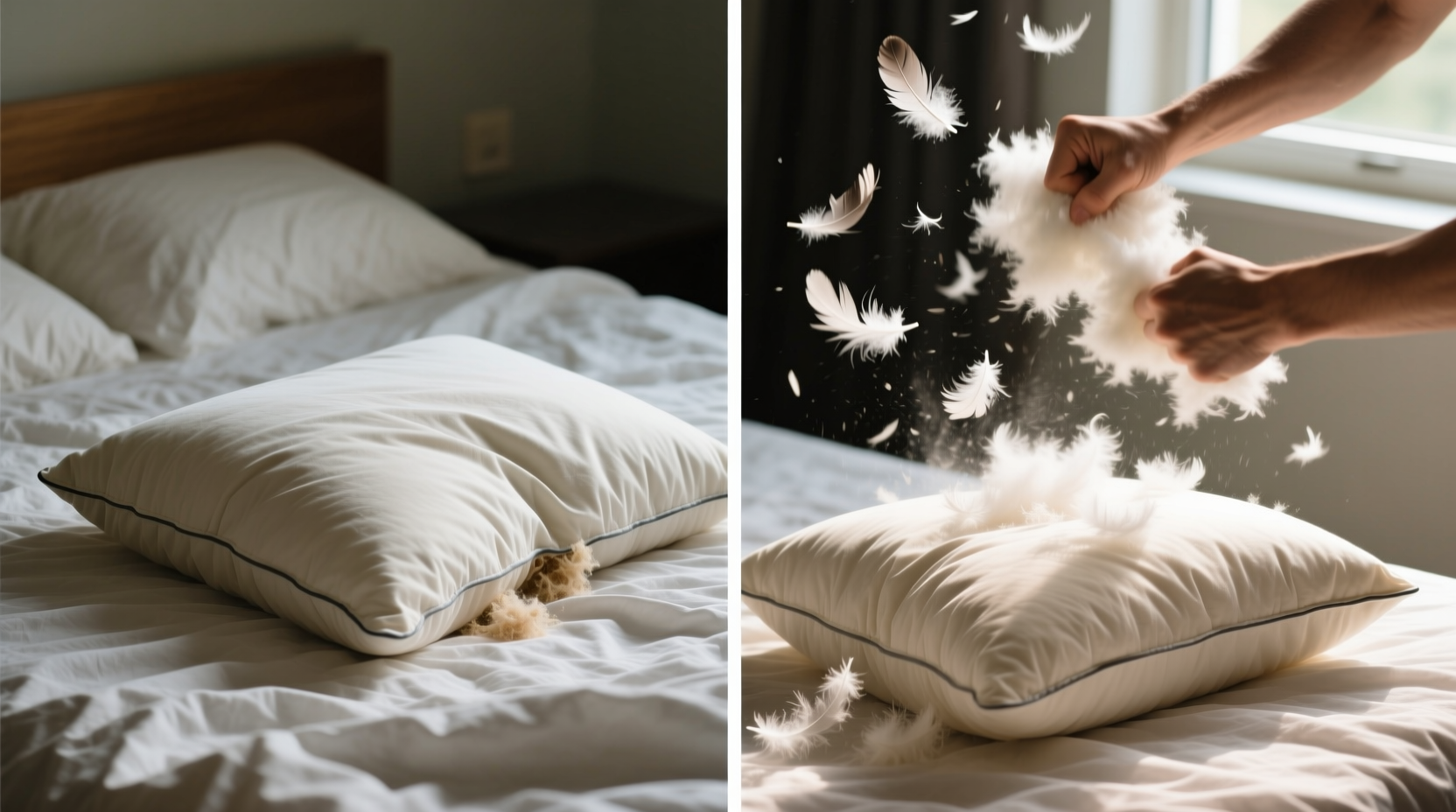
Pillows flatten due to a combination of mechanical stress, moisture absorption, and material fatigue. Every time you rest your head, weight compresses the filling, forcing air out of fibers or foam cells. While some materials rebound quickly, others degrade with repeated pressure. Over months or years, this cumulative compression leads to permanent loss of volume and support.
Additionally, body heat and sweat contribute to the problem. Moisture from your skin and hair seeps into the pillow, especially if you don’t use a protective cover. In natural fillings like down or cotton, moisture causes fibers to clump and break down. In memory foam, humidity can accelerate off-gassing and structural weakening.
Dust mites and allergens also accumulate over time, adding unseen weight and further degrading materials. A study by the Royal Society of Chemistry found that after two years, a pillow can contain up to a third of its weight in dead skin cells, dust mites, and fungal spores—factors that compromise both hygiene and structure.
“Pillow flattening isn’t just about comfort—it’s a sign of material degradation that affects posture and respiratory health.” — Dr. Lena Peterson, Sleep Ergonomics Researcher, National Sleep Foundation
Common Pillow Materials and Their Lifespans
Different pillow types respond uniquely to wear and tear. Knowing what your pillow is made of helps determine not only why it went flat but also whether it can be revived.
| Material | Typical Lifespan | Flattens Due To | Restoration Potential |
|---|---|---|---|
| Down/Feather | 3–5 years | Compression, moisture, feather breakage | High (with proper care) |
| Memory Foam | 1.5–3 years | Density loss, heat degradation, off-gassing | Moderate (surface recovery only) |
| Latex | 4–6 years | Oxidation, UV exposure | Low (very resilient; rarely needs fluffing) |
| Polyester Fiberfill | 6–18 months | Fiber breakdown, clumping, moisture retention | Low to Moderate (temporary fix) |
| Buckwheat Hulls | 5+ years | Hull fragmentation, moisture | High (via sifting and refilling) |
As shown, natural and high-resilience materials like down and buckwheat tend to maintain shape better than synthetic fills. However, all pillows require maintenance to delay flattening.
How to Fluff Different Types of Pillows
Restoring a flattened pillow depends heavily on its core material. The following step-by-step methods are tailored to common pillow types and proven to revive lost volume.
Fluffing Down and Feather Pillows
These pillows respond well to mechanical agitation and moisture control.
- Remove the pillowcase and inspect for tears or leaks.
- Place the pillow in the dryer with two clean tennis balls or dryer balls.
- Set the dryer to low heat or air-fluff mode for 20–30 minutes.
- Pause halfway to manually shake and redistribute feathers.
- After drying, punch gently around the edges to break up clumps.
- Let it rest for an hour before use to stabilize loft.
The tennis balls act as gentle beaters, separating compressed clusters and restoring airflow within the fill. Avoid high heat, which can damage delicate quills.
Reviving Memory Foam Pillows
Unlike fiber-based pillows, memory foam cannot be “fluffed” in the traditional sense. Its density diminishes over time due to cell breakdown. However, surface recovery is possible.
- Expose the pillow to fresh air and indirect sunlight for 2–3 hours to reinvigorate the polymer structure.
- Gently knead dented areas with your palms to encourage rebound.
- Use a supportive pillow protector to reduce future compression.
Note: If the pillow has deep creases or feels permanently soft, it may have reached end-of-life. Replacement is recommended for optimal neck support.
Reinflating Polyester Fiberfill Pillows
Synthetic pillows are prone to irreversible compaction, but temporary revival is achievable.
- Wash the pillow in warm water with mild detergent (check label first).
- Add 1/2 cup of white vinegar to soften fibers and remove residue.
- Tumble dry on low with two dryer balls or clean shoes wrapped in towels.
- Stop the dryer every 10 minutes to shake and separate clumps.
- Dry completely—this may take 2–3 hours—to prevent mold.
Vinegar breaks down soap buildup that stiffens fibers, while mechanical action during drying restores puffiness. Still, most polyester pillows degrade significantly after 12 months and should be replaced regularly.
Refreshing Buckwheat Pillows
Buckwheat hull pillows flatten when hulls break down or absorb moisture.
- Unzip the outer cover and pour the hulls onto a clean sheet.
- Spread them thinly and let air-dry in sunlight for 2–3 hours.
- Sift through to remove fine dust and broken fragments.
- Refill the pillow, adjusting volume to preference.
- Store unused hulls in a breathable cloth bag for future top-ups.
Fresh hulls can be purchased online and added annually to maintain firmness. This type of pillow is among the most sustainable and long-lasting options available.
Prevention: How to Keep Your Pillow From Going Flat
Proactive care extends pillow life far more effectively than reactive fluffing. Implement these habits to preserve loft and hygiene.
Rotate and Fluff Daily
Just as you rotate mattresses, rotating pillows prevents consistent pressure on one area. Spend 10 seconds each morning fluffing and reshaping your pillow to maintain even distribution.
Choose the Right Pillow Cover
Cotton or bamboo cases allow breathability but offer minimal protection. A tightly woven, removable pillow protector acts as a barrier against moisture and dust without sacrificing comfort.
Avoid Sleeping with Wet Hair
Moisture from damp hair accelerates microbial growth and fiber breakdown. Always dry your hair thoroughly before bedtime to protect your pillow’s internal structure.
Replace on Schedule
No amount of fluffing can restore a pillow beyond its functional lifespan. Follow these replacement guidelines:
- Down/feather: Every 3–5 years
- Memory foam: Every 18–36 months
- Polyester: Every 6–12 months
- Latex: Every 5 years
- Buckwheat: Refill as needed; shell every 5+ years
“The average person spends a third of their life in bed—investing in pillow maintenance is investing in long-term wellness.” — Dr. Arjun Mehta, Clinical Sleep Specialist
Real-Life Example: Reviving a 2-Year-Old Down Pillow
Sarah, a side sleeper from Portland, noticed her premium down pillow had become flat and lopsided after 24 months of nightly use. She avoided replacing it due to cost and environmental concerns. Following the dryer method with tennis balls, she ran the pillow on air-fluff for 30 minutes, pausing twice to reshape it manually. After treatment, the pillow regained 80% of its original loft. She paired this with a new waterproof protector and began rotating it weekly. Six months later, the pillow remained supportive, delaying replacement and saving money.
This case illustrates that even older pillows can benefit from proper revival techniques—especially when combined with preventive measures.
Checklist: Restore and Maintain Your Pillow
Follow this actionable checklist monthly to keep your pillow fresh and supportive:
- ☐ Inspect pillow for lumps, odors, or visible wear
- ☐ Remove and wash pillowcase and protector
- ☐ Air out pillow near open window for 1–2 hours
- ☐ Perform fluffing routine based on material type
- ☐ Check for stains or moisture damage
- ☐ Rotate or flip pillow to alternate sleeping zones
- ☐ Evaluate need for replacement based on age and support
Frequently Asked Questions
Can I put any pillow in the dryer?
No. Always check the care label. Memory foam and latex pillows should never be machine-dried, as heat can melt or crack the material. Down, feather, and fiberfill pillows can tolerate low-heat drying with caution.
Why does my pillow smell after fluffing?
An odor after drying usually indicates trapped moisture or bacterial growth. Ensure the pillow is completely dry before use. Adding baking soda during washing or placing in sunlight can neutralize smells. Persistent odors suggest deep contamination—replacement may be necessary.
Is it worth fluffing an old pillow?
If the pillow is past its recommended lifespan (e.g., over 3 years for memory foam), fluffing offers only temporary relief. Structural integrity is likely compromised, increasing risk of poor neck alignment. For health reasons, timely replacement is advised.
Conclusion: Take Control of Your Sleep Environment
Your pillow plays a critical role in sleep quality, posture, and overall well-being. Flattening is inevitable, but understanding the causes and solutions empowers you to extend its life responsibly. Whether you’re reviving a cherished down pillow or maintaining a supportive memory foam model, consistent care makes a measurable difference. Don’t wait until discomfort sets in—adopt a simple monthly maintenance routine today. Your neck, your sleep, and your wallet will thank you.




 浙公网安备
33010002000092号
浙公网安备
33010002000092号 浙B2-20120091-4
Comments
No comments yet. Why don't you start the discussion?