
Overwatering is the leading cause of houseplant death, yet many gardeners don’t realize they’re contributing to the problem. One clear warning sign? Soil that remains soggy for days after watering. While moisture retention might seem like a benefit, especially in dry environments, excessively wet soil creates ideal conditions for root rot—a silent killer that can destroy a plant from the roots up before visible symptoms even appear.
Understanding why your soil stays wet—and how to fix it—is essential for maintaining healthy indoor plants. This guide breaks down the science behind waterlogged soil, identifies common mistakes, and provides actionable strategies to keep your plants thriving.
Why Does Soil Stay Wet for Days?
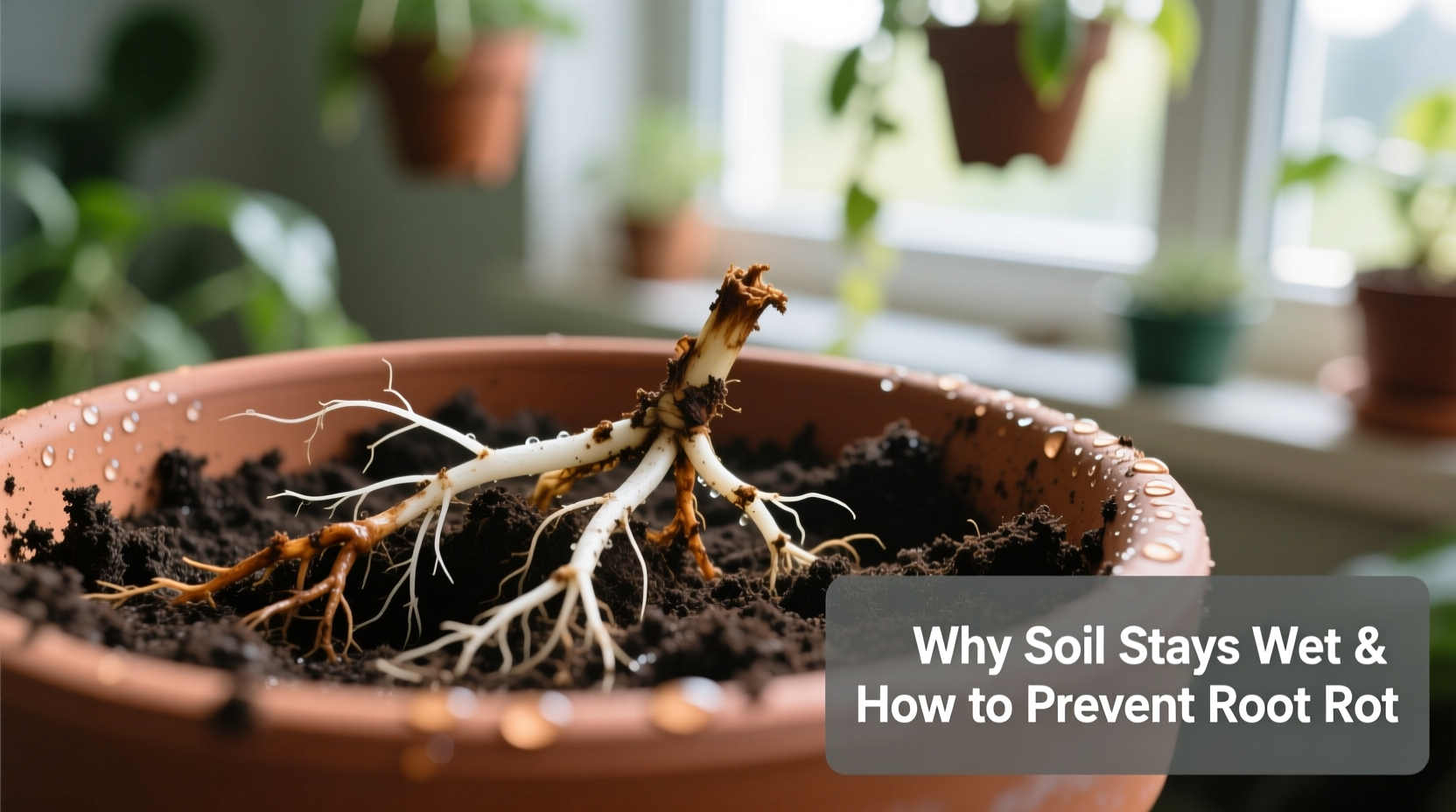
Soil that remains damp for more than two or three days indicates poor drainage or an imbalance between water input and evaporation. Several interrelated factors contribute to this issue:
- Poor drainage in pots: Containers without adequate drainage holes trap water at the bottom, creating a reservoir that saturates the soil.
- Dense or compacted soil: Heavy potting mixes, especially those high in peat or clay, retain too much moisture and restrict airflow to roots.
- Overwatering habits: Watering on a fixed schedule rather than according to plant needs leads to excess moisture buildup.
- Low light and poor air circulation: In dim or stagnant environments, transpiration slows down, reducing the rate at which plants use water.
- Large pots with small plants: Excess soil volume holds more water than a small root system can absorb, increasing drying time.
- Cool temperatures: Cold conditions slow evaporation and reduce microbial activity that helps break down organic matter and improve soil structure.
When these factors combine, oxygen is displaced from the soil pores, and anaerobic conditions develop. Roots suffocate, beneficial microbes die off, and harmful fungi such as Pythium and Fusarium thrive—setting the stage for root rot.
The Science Behind Root Rot
Root rot isn’t a single disease—it’s a symptom of root damage caused by prolonged exposure to waterlogged conditions. Healthy roots require oxygen to function. When soil becomes saturated, air pockets collapse, and roots begin to respire anaerobically, producing toxic byproducts and weakening cellular structure.
In this weakened state, roots become vulnerable to opportunistic pathogens. Fungi like Pythium, commonly known as \"water mold,\" invade compromised tissues, spreading rapidly through the root system. Once established, root rot spreads upward, impairing the plant’s ability to absorb water and nutrients—even when soil is moist.
Visible signs often appear late: yellowing leaves, drooping despite wet soil, stunted growth, and eventually leaf drop. By the time above-ground symptoms emerge, significant root damage may already be irreversible.
“Root rot is less about the presence of pathogens and more about creating an environment where they dominate. Prevention starts with managing moisture and promoting soil health.” — Dr. Lena Torres, Urban Horticulture Specialist, University of Vermont Extension
How to Prevent Root Rot: A Step-by-Step Guide
Preventing root rot requires proactive care and smart cultivation practices. Follow this timeline to ensure your plants stay healthy and your soil drains properly.
- Assess your pot and soil (Day 1): Check if your container has drainage holes. If not, repot into a suitable pot. Evaluate the current soil mix—does it feel heavy, sticky, or compacted when wet?
- Repot with proper media (Day 2–3): Replace dense soil with a well-aerated mix containing perlite, orchid bark, or coarse sand. Avoid generic garden soil indoors. <3> Adjust watering frequency (Ongoing): Water only when the top layer of soil feels dry. Use the “knuckle test”—insert your finger up to the second knuckle. If it feels moist, delay watering.
- Improve environmental conditions (Week 1): Move plants to brighter locations with indirect sunlight and ensure good air circulation using a fan or open window (if temperature permits).
- Monitor plant response (Weekly): Track changes in leaf color, firmness, and new growth. Healthy plants should perk up within 7–10 days after correcting overwatering.
- Inspect roots periodically (Every 6–12 months): During repotting, examine roots for discoloration. Healthy roots are firm and white or tan; rotted roots are brown, black, and mushy.
What to Do If Root Rot Is Already Present
If you suspect root rot, act immediately:
- Gently remove the plant from its pot.
- Shake off old soil and inspect the root system.
- Using sterilized scissors, trim away all soft, dark, or foul-smelling roots.
- Rinse remaining roots under lukewarm water.
- Replant in fresh, well-draining soil and a clean pot.
- Withhold water for 5–7 days to allow healing, then resume careful watering.
Choosing the Right Soil Mix for Your Plants
Not all potting soils are created equal. Many commercial blends are designed for moisture retention, which benefits outdoor containers but harms indoor plants in low-light settings. Customize your mix based on plant type:
| Plant Type | Recommended Soil Mix | Avoid |
|---|---|---|
| Succulents & Cacti | 2 parts potting soil + 1 part perlite + 1 part coarse sand or pumice | Peat-heavy mixes, moisture-retaining gels |
| Tropical Houseplants (e.g., Pothos, Philodendron) | 1 part potting soil + 1 part perlite + 1 part orchid bark | Clay-based soils, unamended garden dirt |
| Orchids | 100% fir bark or sphagnum moss (depending on species) | Standard potting soil |
| Ferns & Calatheas | 1 part peat-free coir + 1 part perlite + 1 part compost | Fast-draining sandy mixes |
Always opt for peat-free or sustainably sourced coir when possible. Peat harvesting contributes to habitat destruction and carbon emissions. Coir offers similar water retention with better sustainability.
Common Mistakes That Keep Soil Wet
Even experienced plant owners fall into traps that lead to waterlogged soil. Here are the most frequent errors and how to avoid them:
- Using saucers without emptying them: Saucers collect runoff, allowing water to be reabsorbed. Always drain excess water within 15 minutes after watering.
- Watering on a schedule: Plants don’t drink on Mondays and Thursdays—they respond to environmental conditions. Adjust frequency based on season, light, and humidity.
- Ignoring pot material: Plastic and glazed ceramic pots retain moisture longer than terracotta, which is porous and wicks away moisture.
- Placing plants in low-light corners: Photosynthesis drives transpiration. Less light means less water usage, leading to prolonged wetness.
- Top-dressing with mulch indoors: While beneficial outdoors, mulch on indoor pots reduces evaporation and increases fungal risk.
“I once lost three snake plants because I thought ‘they like humidity.’ Turns out, they hate wet feet. Now I use terracotta pots and a gritty mix—it made all the difference.” — Marcus Reed, Indoor Gardener, Portland, OR
Checklist: How to Keep Plant Soil Healthy and Well-Drained
Use this checklist to evaluate and improve your plant care routine:
- ✅ Ensure every pot has drainage holes
- ✅ Use a fast-draining, aerated potting mix appropriate for your plant type
- ✅ Water only when the top 1–2 inches of soil are dry
- ✅ Empty saucers 10–15 minutes after watering
- ✅ Choose appropriately sized pots—no more than 2 inches wider than the root ball
- ✅ Provide bright, indirect light to encourage transpiration
- ✅ Increase air circulation with gentle airflow (not direct drafts)
- ✅ Repot every 1–2 years to refresh soil and check root health
- ✅ Inspect roots during repotting for early signs of rot
- ✅ Label your plants with care notes to track watering needs
Frequently Asked Questions
Can I save a plant with root rot?
Yes, if caught early. Remove the plant, trim diseased roots, repot in fresh soil, and reduce watering. Recovery depends on how much healthy root tissue remains. Plants with less than 30% healthy roots have low survival rates.
Is misting helpful for plants with wet soil?
No. Misting increases ambient humidity but does nothing to address root zone issues. In fact, it can worsen fungal problems on leaves when combined with poor airflow. Focus on improving soil conditions instead.
Should I use hydrogen peroxide for root rot?
A diluted solution (1 part 3% hydrogen peroxide to 2 parts water) can help kill surface fungi and add oxygen to the soil when applied sparingly. However, it’s not a cure-all. Address the underlying cause—usually overwatering or poor drainage—for lasting results.
Conclusion: Healthy Soil, Healthy Plants
Moisture management is the cornerstone of successful indoor gardening. A pot of wet soil isn’t just an inconvenience—it’s a ticking clock for root rot. By understanding the causes of prolonged saturation and taking preventive steps, you can create an environment where roots breathe, microbes thrive, and plants flourish.
Start today: check your pots, assess your soil, and adjust your watering habits. Small changes lead to dramatic improvements in plant vitality. Don’t wait for yellow leaves to tell you something’s wrong—be proactive, observant, and responsive to your plants’ real needs.




 浙公网安备
33010002000092号
浙公网安备
33010002000092号 浙B2-20120091-4
Comments
No comments yet. Why don't you start the discussion?