
Floating stool is something many people notice from time to time, often with mild concern or curiosity. While most cases are completely harmless and tied to diet or digestion, persistent floating poop can sometimes signal an underlying issue. Understanding the difference between normal variation and a potential red flag requires knowledge of how digestion works, what affects stool density, and which symptoms warrant medical attention.
The buoyancy of feces isn’t just a quirky bathroom observation—it’s a reflection of internal processes involving fat absorption, gut bacteria, and intestinal function. Most people don’t think twice about their bowel movements unless they’re painful, irregular, or visibly unusual. But paying attention to consistency, color, and whether your poop sinks or floats can offer valuable clues about your digestive health.
What Causes Poop to Float?
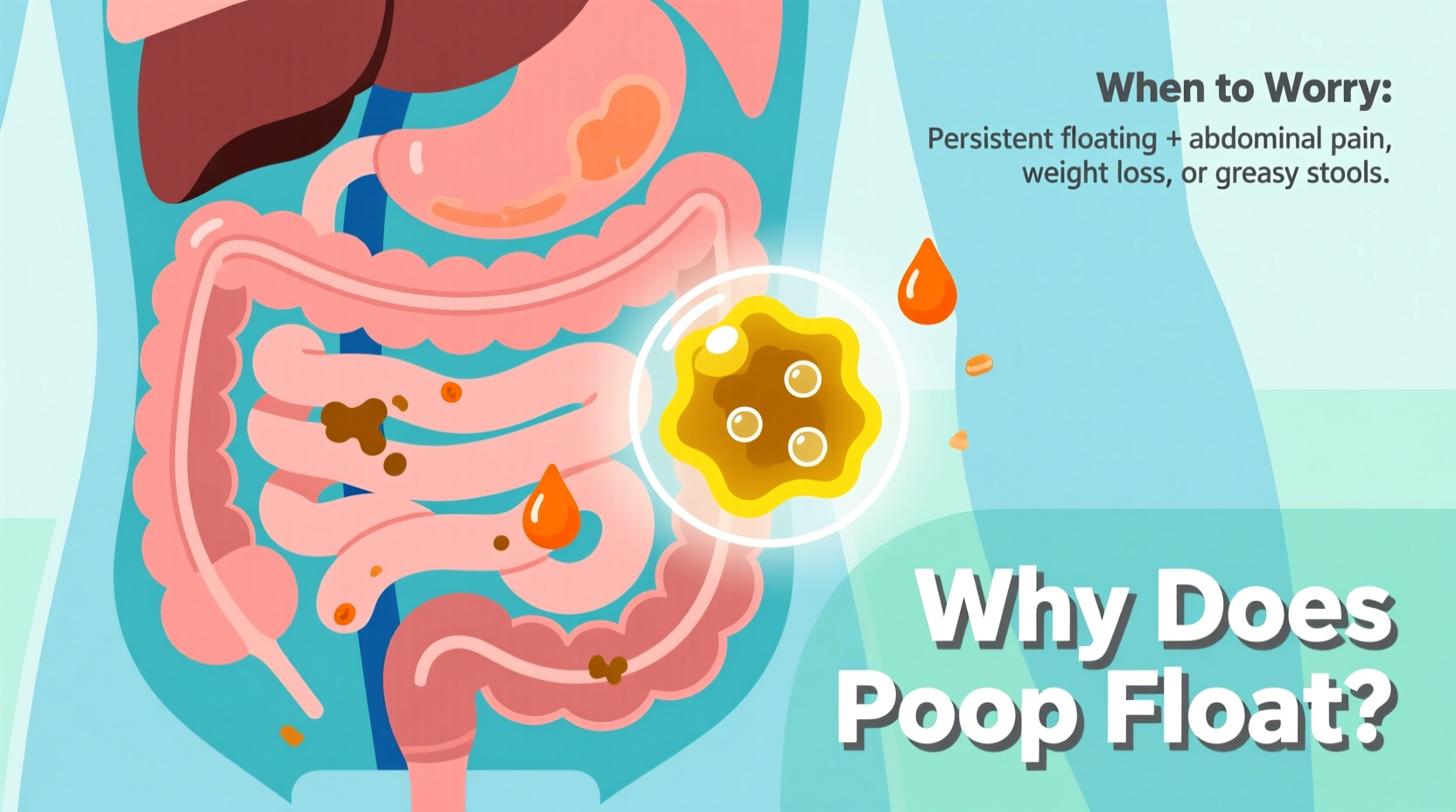
Stool floats primarily due to increased gas content or higher fat levels. When feces contain more trapped air or gases produced by gut bacteria during fermentation, they become less dense than water and rise to the surface in the toilet bowl. This process is natural and common after eating certain foods.
Diet plays a major role. Foods high in fermentable carbohydrates—such as beans, lentils, broccoli, onions, and whole grains—are broken down by intestinal bacteria that release hydrogen, methane, and carbon dioxide. These gases get incorporated into the stool, making it buoyant. A sudden increase in fiber intake, especially if introduced quickly, often leads to gassier, lighter stools.
Another cause is fat malabsorption. Normally, bile and pancreatic enzymes break down dietary fats so they can be absorbed in the small intestine. If this process is disrupted—due to conditions like chronic pancreatitis, celiac disease, or bile duct obstruction—excess fat passes into the colon. This undigested fat lowers the stool’s density and gives it a greasy, foul-smelling quality, often causing it to float and leave an oily film on the water surface.
When Floating Poop Is Normal vs. When It’s Not
Occasional floating stool is usually nothing to worry about. In fact, studies suggest that up to 30% of healthy individuals experience floating feces at some point, particularly after meals rich in fiber or complex carbs. What matters most is context: frequency, accompanying symptoms, and overall digestive health.
Normal floating stool tends to be:
- Intermittent (not daily)
- Not foul-smelling beyond typical levels
- Not greasy or difficult to flush
- Accompanied by no other digestive issues
In contrast, problematic floating stool may indicate malabsorption or gastrointestinal disease when it becomes chronic and presents with additional signs such as weight loss, abdominal pain, diarrhea, or nutrient deficiencies.
“Floating stool alone isn't diagnostic, but when combined with steatorrhea—fatty, pale, smelly stools—and unexplained weight loss, it warrants further investigation.” — Dr. Lena Torres, Gastroenterologist, Cleveland Clinic
Common Medical Conditions Linked to Persistent Floating Stool
Sustained changes in bowel habits require evaluation, especially if floating stools persist for more than two weeks without dietary explanation. Several medical conditions can impair fat digestion or alter gut microbiota, leading to consistently buoyant waste.
Celiac Disease
An autoimmune disorder triggered by gluten ingestion, celiac disease damages the lining of the small intestine, reducing its ability to absorb nutrients—including fats. Patients often report bloating, diarrhea, fatigue, and floating, foul-smelling stools. Diagnosis typically involves blood tests for antibodies and confirmation via intestinal biopsy.
Pancreatic Insufficiency
The pancreas produces enzymes essential for breaking down fats, proteins, and carbohydrates. Chronic pancreatitis, cystic fibrosis, or pancreatic cancer can reduce enzyme output, resulting in maldigestion. Symptoms include bulky, greasy stools that float and are hard to flush, along with unintended weight loss despite adequate food intake.
Lactose Intolerance and Other Carbohydrate Malabsorptions
While not directly linked to fat malabsorption, lactose intolerance increases gas production due to undigested sugars fermenting in the colon. This can lead to bloating and floating stools, though they usually remain firm and do not have the oily residue seen in true fat malabsorption.
Bile Acid Deficiency
Bile acids, produced by the liver and stored in the gallbladder, emulsify fats for absorption. Conditions affecting the liver or biliary system—such as primary biliary cholangitis or post-surgical complications after gallbladder removal—can disrupt bile flow, impairing fat digestion and contributing to floating stools.
Small Intestinal Bacterial Overgrowth (SIBO)
SIBO occurs when excessive bacteria colonize the small intestine, where they ferment carbohydrates prematurely. This leads to excess gas, bloating, diarrhea, and altered stool buoyancy. Hydrogen breath testing is commonly used for diagnosis.
Do’s and Don’ts: Managing Floating Stool
| Do | Don’t |
|---|---|
| Monitor your diet and symptom patterns | Ignore persistent floating stool lasting over 2–3 weeks |
| Increase fiber gradually to minimize gas | Self-diagnose serious conditions like celiac disease |
| Stay hydrated and maintain balanced nutrition | Eliminate entire food groups without professional guidance |
| Seek medical advice if symptoms worsen | Assume all floating stool is dangerous |
Real-Life Example: Identifying Celiac Disease Through Bowel Changes
Julia, a 34-year-old teacher, began noticing her stool had started floating regularly about six months ago. At first, she dismissed it as a side effect of eating more salads and whole grains. But over time, she developed fatigue, joint pain, and occasional diarrhea. She also lost nearly 10 pounds without trying.
After reading an article about celiac disease, she connected her symptoms—especially the greasy, foul-smelling floating stools—with possible malabsorption. Her primary care physician ordered blood tests for tissue transglutaminase antibodies, which came back positive. A subsequent endoscopy confirmed damage to her small intestine. Julia was diagnosed with celiac disease and placed on a strict gluten-free diet.
Within three months, her energy returned, her weight stabilized, and her bowel movements normalized. Her case highlights how seemingly minor changes—like floating stool—can be early indicators of systemic conditions when part of a broader symptom picture.
Step-by-Step Guide: Evaluating Your Floating Stool
- Track Your Diet and Symptoms: Keep a log for one to two weeks noting meals, bowel movement appearance, frequency, and any discomfort.
- Assess Stool Characteristics: Note color, smell, texture, and whether oil rings appear in the toilet water—a sign of fat malabsorption.
- Identify Triggers: Determine if symptoms follow specific foods (e.g., dairy, gluten, fatty meals).
- Rule Out Temporary Causes: Consider recent antibiotic use, travel, or dietary changes that could affect gut flora.
- Consult a Healthcare Provider: If floating stool persists beyond three weeks or is accompanied by warning signs (weight loss, pain, fatigue), schedule an appointment.
- Follow Diagnostic Recommendations: Be prepared for blood work, stool analysis, or imaging depending on clinical suspicion.
FAQ: Common Questions About Floating Poop
Is floating poop always a sign of poor health?
No. Occasional floating stool is common and usually related to diet, especially high-fiber or gas-producing foods. It only becomes concerning when it's persistent and associated with other symptoms like weight loss, diarrhea, or abdominal pain.
Can I test for fat in my stool at home?
There’s no reliable home test, but visual cues help. Stools that are pale, bulky, oily, leave a film on the water, or are difficult to flush may indicate steatorrhea (excess fat). A healthcare provider can order a quantitative fecal fat test for confirmation.
Does drinking more water affect stool buoyancy?
Hydration influences stool consistency but not necessarily buoyancy. Dehydration leads to harder, drier stools that sink, while well-hydrated individuals may have softer stools—but gas and fat content remain the main factors determining floatation.
Conclusion: Know Your Body, Trust Your Instincts
Floating stool is far more common than most people realize, and in the majority of cases, it’s a benign result of diet and gut activity. However, dismissing persistent changes in bowel habits can delay diagnosis of treatable conditions like celiac disease, pancreatic disorders, or bacterial overgrowth.
The key is awareness without anxiety. Pay attention to your body’s signals, track patterns objectively, and seek medical input when needed. Digestive health is foundational to overall well-being, and even subtle shifts deserve thoughtful consideration.




 浙公网安备
33010002000092号
浙公网安备
33010002000092号 浙B2-20120091-4
Comments
No comments yet. Why don't you start the discussion?