
Puppies explore the world with their mouths. What might seem like deliberate mischief is often a natural response to teething, curiosity, or anxiety. While chewing is instinctive, unchecked destructive behavior can damage household items, create safety hazards, and strain the bond between pet and owner. Understanding the root causes behind your puppy’s chewing is the first step toward guiding them toward appropriate alternatives. With patience, consistency, and the right tools, you can redirect this behavior and help your puppy grow into a well-mannered adult dog.
Why Puppies Chew: The Science Behind the Behavior
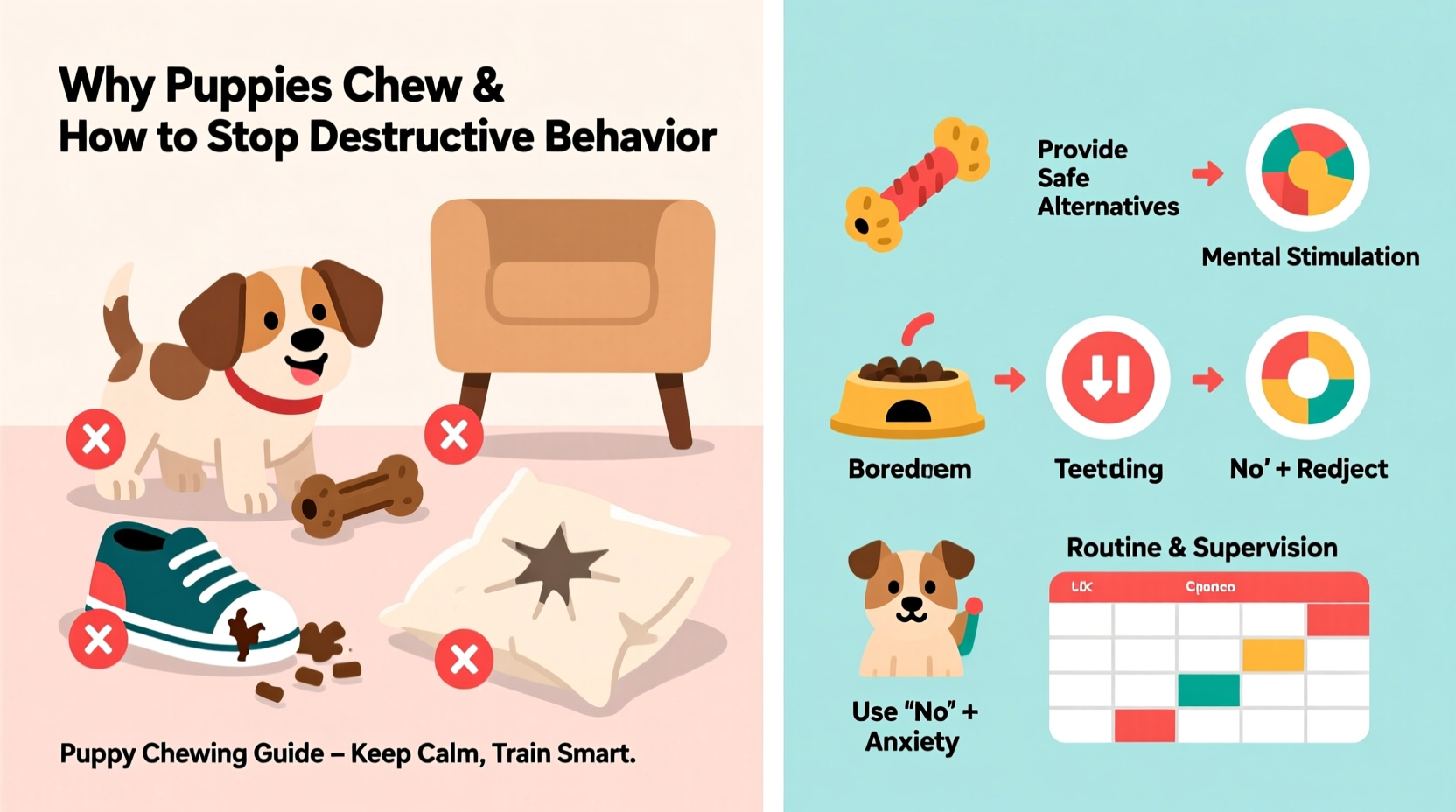
Chewing isn't just a habit—it's a developmental necessity for puppies. From three weeks to six months of age, puppies go through a teething phase where their baby teeth fall out and permanent teeth emerge. This process causes discomfort, swelling, and an intense urge to chew. Just as human babies gnaw on teething rings, puppies seek relief by biting on anything within reach.
Beyond physical discomfort, chewing satisfies a puppy’s need to explore. Their sense of smell and touch through their mouths helps them understand textures, shapes, and scents. A sock, remote control, or shoe carries your scent, making it especially appealing. Additionally, chewing releases endorphins—natural brain chemicals that reduce stress and promote calmness. For anxious or overstimulated puppies, chewing becomes a coping mechanism.
“Puppies don’t chew out of spite. They chew because it feels good, relieves pain, or reduces anxiety. Our job is to guide them toward acceptable outlets.” — Dr. Karen Becker, DVM and Animal Health Advocate
Common Triggers of Destructive Chewing
Not all chewing is equal. Destructive chewing—targeting furniture, shoes, walls, or electronics—often stems from unmet needs. Identifying the underlying cause is crucial to addressing the behavior effectively.
- Teething pain: Puppies aged 3–6 months are most prone to excessive chewing due to emerging molars and canines.
- Boredom: Under-stimulated puppies resort to chewing as a form of entertainment.
- Separation anxiety: Dogs left alone may chew near exits or personal items as a stress response.
- Lack of training: Without clear boundaries, puppies assume all objects are fair game.
- Dietary deficiency: Rarely, pica (eating non-food items) can signal nutritional gaps or medical issues.
Step-by-Step Guide to Stopping Destructive Chewing
Stopping destructive chewing requires more than punishment—it demands proactive management and positive reinforcement. Follow this timeline to reshape your puppy’s habits:
- Week 1: Puppy-proof your home. Remove tempting items like shoes, cords, and trash bins. Use bitter-tasting sprays on baseboards or furniture legs.
- Week 2: Introduce appropriate chew toys. Offer a variety—rubber, rope, soft plush—and rotate them weekly to maintain interest.
- Week 3: Supervise and redirect. When you catch your puppy chewing something inappropriate, calmly say “Leave it,” offer a toy, and praise when they switch.
- Week 4: Build crate independence. Gradually increase time in a safe space with toys so your puppy learns to self-soothe without chewing destructively.
- Ongoing: Reinforce consistently. Reward desired behavior daily and avoid mixed signals—never let chewing on one shoe be okay while others are off-limits.
Choosing the Right Chew Toys: A Comparison Table
Not all chew toys are created equal. Match the toy to your puppy’s size, breed, and chewing intensity to ensure safety and satisfaction.
| Toys | Best For | Benefits | Caution |
|---|---|---|---|
| Rubber Kongs | All breeds, aggressive chewers | Dishwasher-safe, can be stuffed with treats | Avoid if small enough to swallow whole |
| Frozen Rope Toys | Teething puppies | Cools gums, promotes healthy jaw development | Inspect for fraying; discard if loose fibers appear |
| Soft Plush Toys | Young, gentle chewers | Comforting, mimics littermates | Not durable; supervise use to prevent ingestion |
| Nylon Bones | Moderate to heavy chewers | Long-lasting, dental benefits | Too hard for young puppies—can damage developing teeth |
| Edible Chews (e.g., bully sticks) | Short-term distraction | Satisfies natural urge to gnaw | Monitor closely; high-calorie and potential choking risk |
Real Example: How One Owner Transformed Her Puppy’s Behavior
Sarah adopted a 14-week-old Labrador mix named Milo. Within days, he destroyed a throw pillow, chewed a corner of her hardwood floor, and shredded a pair of sandals. Frustrated but determined, Sarah consulted a trainer who helped her implement a structured plan.
She began by confining Milo to a gated living area with only approved toys. She introduced a frozen Kong filled with yogurt and banana, which kept him occupied for 20 minutes—a breakthrough moment. Each time Milo started chewing the couch leg, she redirected him to a rope toy and praised him enthusiastically when he complied.
Over four weeks, Sarah increased his daily walks and added short training sessions using treat-dispensing puzzles. She also started crating him during work hours with a safe chew bone. By 5 months old, Milo no longer targeted household items. His chewing shifted entirely to appropriate toys, and his confidence grew alongside his obedience.
Sarah’s success wasn’t magic—it was consistency, environmental management, and understanding her puppy’s needs.
Do’s and Don’ts of Managing Puppy Chewing
Avoid common pitfalls by following these guidelines. Small changes in your approach can lead to lasting behavioral improvements.
| Do’s | Don’ts |
|---|---|
| Provide multiple chew options tailored to your puppy’s size and energy level. | Use physical punishment or yelling—this increases fear and anxiety. |
| Supervise closely during free-roam periods. | Leave your puppy unsupervised until trained—prevention is key. |
| Use taste deterrents on off-limit surfaces. | Give old shoes or socks as toys—even if “just for now.” |
| Exercise your puppy daily to burn excess energy. | Ignore signs of separation anxiety or obsessive chewing. |
| Reinforce good choices with treats and affection. | Assume the behavior will “grow out” without intervention. |
“Management is 70% of puppy training. If you’re constantly catching your dog doing wrong, change the environment—not just the dog.” — Victoria Stilwell, Dog Trainer and TV Host
Essential Checklist to Stop Destructive Chewing
Use this actionable checklist to create a chew-appropriate home and foster healthy habits:
- ✅ Remove or secure tempting items (cords, shoes, plants).
- ✅ Stock at least 5 different types of chew toys.
- ✅ Apply pet-safe bitter spray to furniture edges and baseboards.
- ✅ Crate train your puppy for safe downtime.
- ✅ Schedule 3–5 short play/training sessions per day.
- ✅ Take your puppy for daily walks or yard play to expend energy.
- ✅ Supervise during indoor freedom; use baby gates if needed.
- ✅ Redirect immediately when inappropriate chewing starts.
- ✅ Praise and reward when your puppy chooses a toy.
- ✅ Visit your vet to rule out medical causes if chewing is obsessive.
FAQ: Common Questions About Puppy Chewing
At what age do puppies stop chewing everything?
Most puppies significantly reduce destructive chewing by 6–8 months as teething ends and maturity increases. However, some large breeds may continue chewing up to 12–18 months. With consistent training, even persistent chewers can learn proper habits.
Is it okay to let my puppy chew on bones?
Raw, meaty bones (like beef knuckles or lamb ribs) can be safe under supervision, but avoid cooked bones—they splinter easily and can cause internal injury. Always consult your vet before introducing bones, especially for young puppies.
What if my puppy only chews when I’m gone?
This is often a sign of separation anxiety. Begin with very short absences and gradually build duration. Leave behind a food-stuffed toy (like a Kong) to create a positive association with being alone. If the behavior persists, consider working with a certified dog behaviorist.
Conclusion: Building a Chew-Smart Puppy
Chewing is not a flaw—it’s a fundamental part of puppy development. The goal isn’t to eliminate chewing, but to channel it appropriately. By understanding your puppy’s instincts, managing their environment, and reinforcing good choices, you lay the foundation for a respectful, well-adjusted companion.
Every chewed shoe or gnawed table leg is a signal, not a rebellion. Respond with empathy and structure, and you’ll not only save your belongings—you’ll deepen your bond. Start today: pick up loose items, stock up on safe toys, and commit to redirection over reprimand. Your future self—and your furniture—will thank you.




 浙公网安备
33010002000092号
浙公网安备
33010002000092号 浙B2-20120091-4
Comments
No comments yet. Why don't you start the discussion?