
Rabbit bites can be surprising—especially when they come from an animal often seen as gentle and docile. While most rabbits aren’t aggressive by nature, biting is a form of communication for them. Understanding the reasons behind this behavior is key to building a trusting, harmonious relationship. Whether it’s a quick nip or a more forceful bite, each instance carries meaning. By learning to interpret these signals, you can respond appropriately and reduce unwanted behaviors over time.
Understanding Rabbit Communication
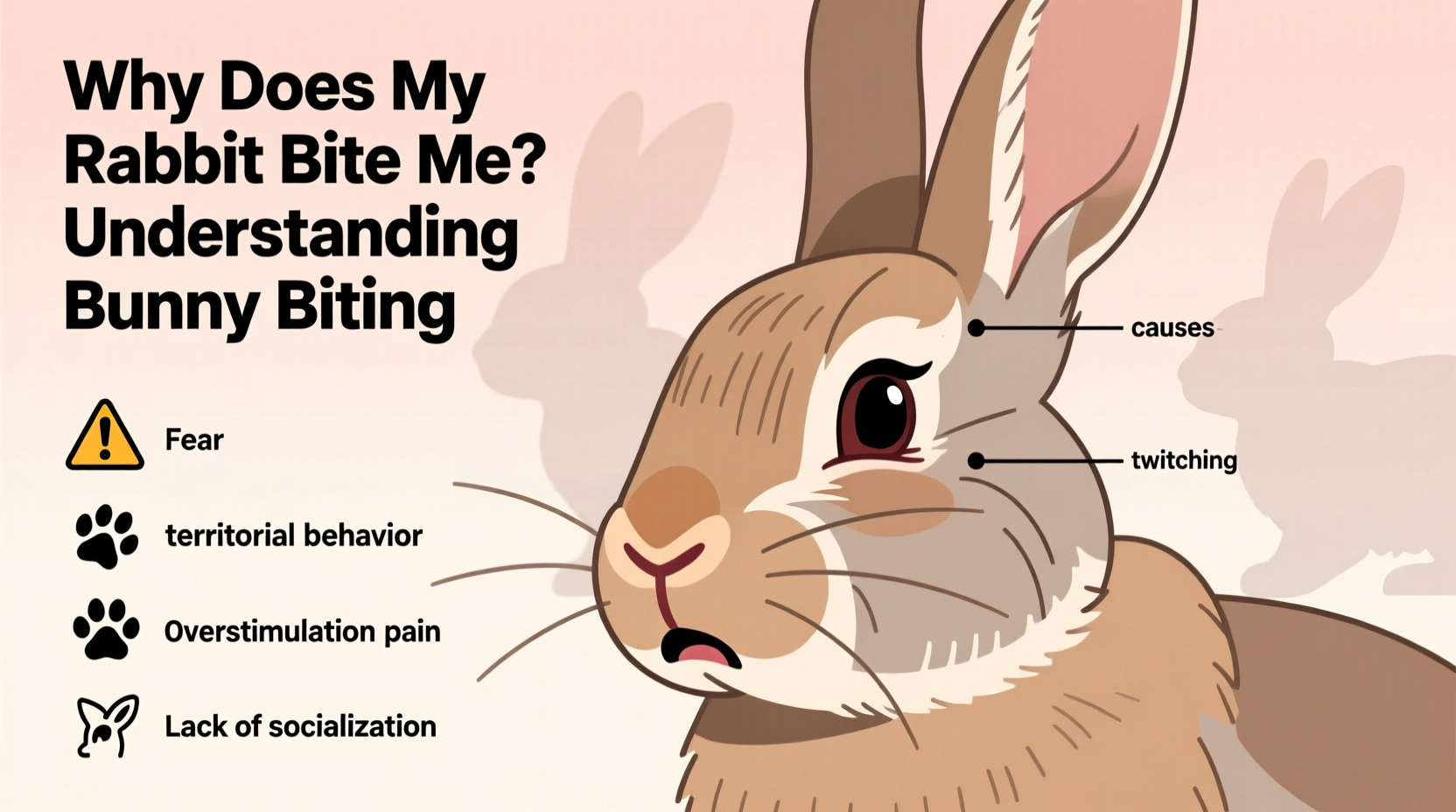
Rabbits don’t use words, but they are highly expressive through body language, vocalizations, and physical actions like nudging, thumping, and yes—biting. Biting is rarely about malice; instead, it’s a way for rabbits to express discomfort, set boundaries, or get attention. Unlike dogs or cats, rabbits evolved as prey animals, which shapes how they interact with their environment and humans. They rely heavily on subtle cues, and when those are missed, they may escalate to more noticeable behaviors like biting.
In the wild, rabbits use small nips to establish social hierarchy within a group or to redirect a fellow rabbit’s behavior. When your pet rabbit nips at you, it might be trying to communicate something urgent—such as fear, overstimulation, or even affection in a clumsy way.
“Rabbits are masters of nonverbal communication. A bite isn’t defiance—it’s data. The sooner we decode it, the better our bond becomes.” — Dr. Lena Torres, Veterinary Ethologist
Common Reasons Why Rabbits Bite
Biting doesn’t happen randomly. Most incidents stem from one of several identifiable causes:
- Fear or stress: A rabbit that feels cornered, startled, or threatened may bite defensively. This is especially common in rabbits with limited socialization.
- Protecting territory: Unspayed or unneutered rabbits often become territorial. They may bite to guard their cage, food, or favorite resting spot.
- Overstimulation: Petting for too long, especially in sensitive areas like the lower back or tail, can irritate a rabbit. What starts as a calm moment can end in a warning nip.
- Attention-seeking: Some rabbits learn that a light bite gets a reaction—whether it’s you moving, speaking, or stopping an activity. This can reinforce the behavior.
- Misdirected affection: Gentle nibbling is part of rabbit grooming behavior. Your rabbit may be trying to “groom” you, not hurt you.
- Pain or illness: A sudden change in behavior, including aggression, can signal underlying health issues such as arthritis, dental problems, or urinary tract infections.
Do’s and Don’ts When Responding to Biting
How you react to a bite influences whether the behavior continues. Use the following guide to respond effectively:
| Do | Don’t |
|---|---|
| Stay calm and gently place the rabbit down if overstimulated | Yell, hit, or grab the rabbit aggressively |
| Redirect with toys or treats for positive engagement | Punish or isolate the rabbit after a bite |
| Spay or neuter your rabbit to reduce hormonal aggression | Assume the rabbit is “mean” or untrainable |
| Learn and respect your rabbit’s petting preferences | Force interaction when the rabbit shows avoidance signs |
| Consult a vet if biting starts suddenly or worsens | Ignore potential medical causes |
Step-by-Step Guide to Reducing Biting Behavior
Changing biting habits takes patience and consistency. Follow this timeline to foster trust and minimize unwanted nips:
- Week 1: Observe and Record
Track when and where bites occur. Note triggers such as handling duration, location, or presence of other pets. - Week 2: Adjust Handling Techniques
Approach slowly, avoid looming over the rabbit, and let them initiate contact. Limit petting sessions to 5–10 minutes. - Week 3: Introduce Positive Reinforcement
Offer a treat when your rabbit approaches without biting. Reward calm behavior during interactions. - Week 4: Desensitize Sensitive Areas
If your rabbit dislikes being touched in certain spots, gently touch near (not on) the area, then reward. Gradually close the gap over time. - Ongoing: Spay/Neuter and Vet Check
Schedule a vet visit to rule out pain and discuss spaying/neutering, which often reduces territorial and hormonal biting.
Real-Life Example: Bella the Territorial Bunny
Sarah adopted Bella, a two-year-old female rabbit, from a local shelter. At first, Bella seemed sweet, but she began lunging and biting whenever Sarah reached into her enclosure. Concerned, Sarah consulted a rabbit-savvy veterinarian. After evaluation, the vet suggested Bella was displaying territorial aggression—a common issue in unspayed females.
Sarah had Bella spayed and worked with a behaviorist to modify her approach. Instead of reaching into the cage, she started hand-feeding treats at the entrance and gradually increased positive interactions outside the enclosure. Within six weeks, Bella stopped biting and even began hopping to Sarah for cuddles. The transformation wasn’t magic—it was consistent, informed care.
Prevention Checklist: Stop Biting Before It Starts
Use this checklist daily to create a bite-free environment:
- ✅ Spay or neuter your rabbit by 4–6 months of age
- ✅ Approach calmly and avoid sudden movements
- ✅ Learn your rabbit’s favorite and least favorite petting zones
- ✅ Provide plenty of mental stimulation (toys, tunnels, safe chew items)
- ✅ Avoid picking up your rabbit unless necessary—interact at ground level
- ✅ Watch for signs of fear: thumping, freezing, growling, or teeth grinding
- ✅ Schedule annual vet checkups to rule out pain-related aggression
Frequently Asked Questions
Is rabbit biting dangerous?
Most rabbit bites are superficial and cause minor scratches. However, deep bites can break skin and carry bacteria like *Pasteurella*, so clean any wound thoroughly and seek medical advice if infection occurs. Rabbits rarely bite hard unless extremely frightened or in pain.
Why does my rabbit gently nibble me?
Gentle nibbling is often a sign of affection or grooming behavior. Your rabbit may be mimicking how they interact with other rabbits. If the nibbling turns into harder bites, it could mean they’ve had enough attention—stop petting and give them space.
Can I train my rabbit not to bite?
Yes. With patience and positive reinforcement, most rabbits can learn to communicate without biting. Focus on understanding their needs, avoiding triggers, and rewarding calm behavior. Consistency is key—never reinforce biting with attention, even if it’s negative.
Conclusion: Building Trust One Step at a Time
Biting is not a life sentence for your rabbit’s behavior. It’s a signal—one that, when understood, opens the door to deeper connection and mutual respect. Rabbits thrive in environments where their natural instincts are honored and their communication is taken seriously. By responding with empathy, adjusting your interactions, and seeking professional guidance when needed, you can transform biting episodes into opportunities for growth.




 浙公网安备
33010002000092号
浙公网安备
33010002000092号 浙B2-20120091-4
Comments
No comments yet. Why don't you start the discussion?