
Rabbit owners often experience moments of surprise when their quiet pet suddenly lifts a hind leg and forcefully pounds the ground. This abrupt, rhythmic thumping is not random—it’s a deeply rooted form of communication. Known as \"thumping,\" this behavior is one of the most expressive signals rabbits use to convey fear, alertness, or discomfort. Understanding what prompts this action is essential for building trust, ensuring safety, and fostering a healthy human-rabbit relationship.
Unlike barking dogs or meowing cats, rabbits are silent creatures by nature. They evolved to avoid vocalizations in the wild to evade predators. Instead, they rely on body language—posture, ear positioning, and foot thumping—to express themselves. The thump, in particular, serves as an alarm system. When a rabbit senses danger, it delivers a sharp, percussive signal that can be heard throughout a household or even across fields in natural settings.
The Evolutionary Roots of Thumping
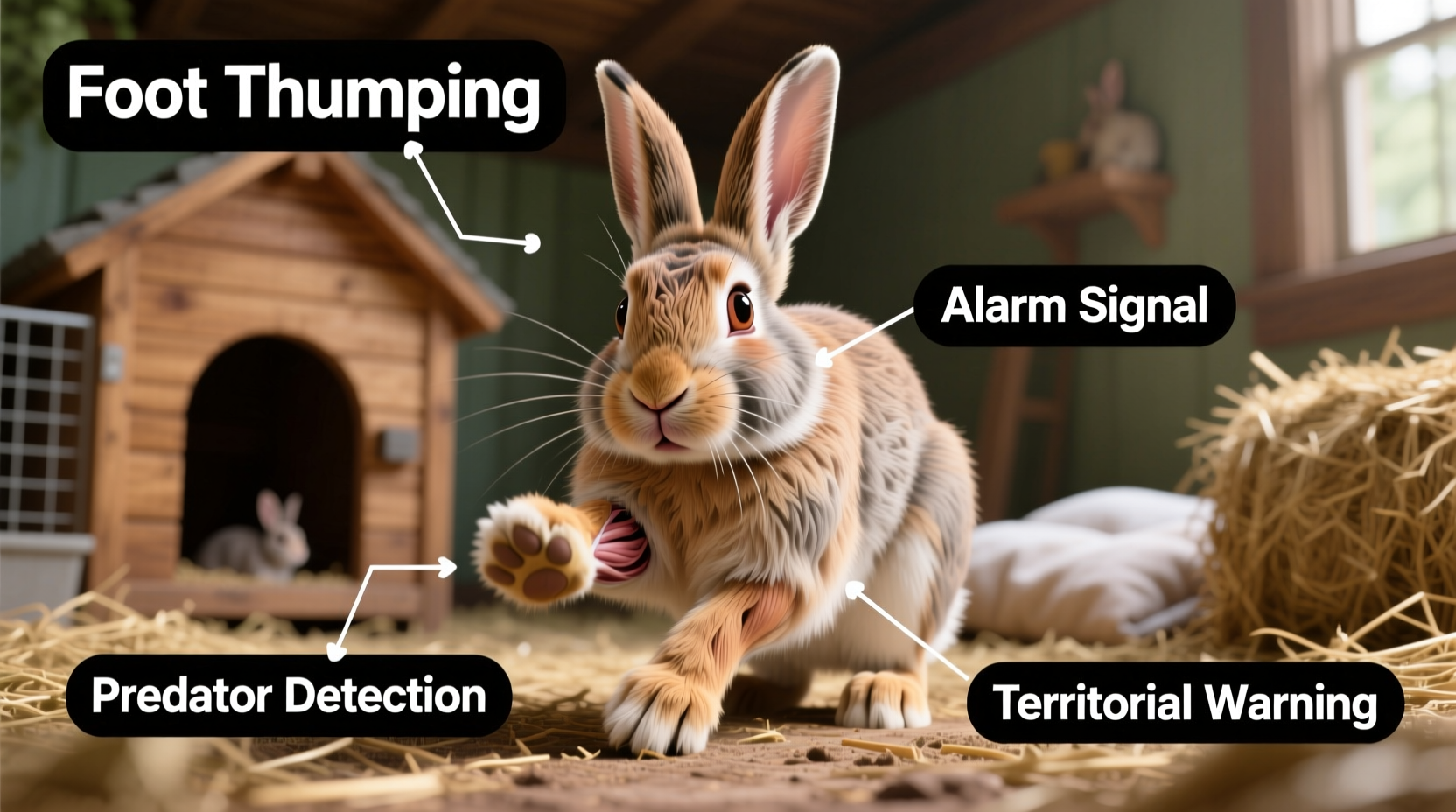
In the wild, rabbits live in complex social groups called warrens. Survival depends on vigilance and swift communication. A single thump from one rabbit can trigger a chain reaction, sending others diving into burrows or freezing in place. This non-vocal warning system allows them to alert companions without drawing attention through sound.
Studies show that thumping is linked to the rabbit's sympathetic nervous system—the same network responsible for the fight-or-flight response. When startled or sensing potential threats, adrenaline surges through the body, prompting rapid muscle contractions in the hind legs. The result is a loud, resonant thud against the ground.
“Thumping is an evolutionary adaptation that maximizes survival in prey species. It’s not just noise—it’s a finely tuned alarm broadcast.” — Dr. Lila Hartman, Animal Behavior Researcher, University of Edinburgh
Domesticated rabbits retain this instinct despite generations of selective breeding. Even in safe, indoor environments, they respond to perceived threats with the same intensity as their wild counterparts. Recognizing this helps owners interpret behavior more accurately and avoid dismissing thumps as mere quirks.
Common Triggers That Cause Foot Thumping
While thumping is universal among rabbits, the stimuli that provoke it vary widely depending on environment, personality, and past experiences. Some causes are obvious; others are subtle and easily overlooked.
- Loud noises: Sudden sounds like slamming doors, vacuum cleaners, or thunder can startle rabbits.
- Unfamiliar scents: Perfumes, cleaning products, or new pets may trigger suspicion.
- Unexpected movements: Fast gestures, shadows, or people approaching too quickly can seem threatening.
- Pain or discomfort: Arthritis, digestive issues, or injuries may lead to defensive thumping.
- Changes in routine: Relocating cages, altering feeding times, or introducing new furniture disrupts security.
- Social tension: Conflicts with other rabbits or feeling isolated can induce stress-related thumping.
Environmental Sensitivity in Indoor Rabbits
Indoor rabbits are exposed to a constant stream of stimuli—televisions, music, children playing, and household appliances. While humans adapt to these inputs, rabbits remain hyper-aware due to their prey instincts. A low-frequency hum from a refrigerator or flickering LED light might go unnoticed by people but can unsettle a sensitive rabbit.
One case involved a Holland Lop named Daisy who began thumping every evening at 7 PM. Her owner initially assumed she wanted food. After careful observation, it was discovered that a neighbor operated a leaf blower at that time. Though muffled through walls, the vibration traveled through the floorboards. Once the schedule was identified, the owner played calming music during that window, significantly reducing the thumping episodes.
Interpreting the Meaning Behind the Thump
Not all thumps carry the same message. The frequency, intensity, and context provide clues about the underlying emotion.
| Type of Thump | Interpretation | Recommended Response |
|---|---|---|
| Single, sharp thump | Initial alert—something caught attention | Scan surroundings; check for disturbances |
| Repeated thumping | Sustained fear or agitation | Provide cover; reduce stimuli |
| Thumping while fleeing | Active threat perception | Allow escape route; do not corner |
| Thumping during handling | Discomfort or resistance | Set down gently; reassess approach |
| No thumping despite stress signs | Learned suppression or illness | Monitor closely; consult vet |
A rabbit that thumps once and resumes normal activity likely reacted to a momentary stimulus. However, persistent thumping—especially when accompanied by flattened ears, wide eyes, or rapid breathing—indicates ongoing distress. In such cases, intervention is necessary to restore a sense of safety.
Differentiating Thumping from Other Behaviors
It’s important not to confuse thumping with similar actions:
- Soft foot tapping: May indicate curiosity or mild irritation, not alarm.
- Shaking or shivering: Often related to temperature or pain, not communication.
- Kicking during play: Hind-leg kicks while running (binkying) are joyful, not fearful.
Misreading these signals can lead to unnecessary changes in care routines or overlooking real problems. Accurate interpretation ensures appropriate responses.
How to Respond When Your Rabbit Thumps
Your reaction shapes how secure your rabbit feels. Reacting with panic or overhandling can reinforce fear. Instead, follow a calm, structured approach.
- Pause and observe: Don’t rush toward the rabbit. Take five seconds to assess the environment.
- Remove or neutralize the trigger: Turn off loud devices, close curtains, or block drafts.
- Speak softly: Use a low, soothing tone to signal safety. Avoid high-pitched voices.
- Offer shelter: Ensure access to a hide box or enclosed space where the rabbit can retreat.
- Avoid physical restraint: Forcing contact increases anxiety. Let the rabbit initiate interaction.
- Wait for recovery signs: Normal grooming, relaxed posture, or resumed eating indicate de-escalation.
Over time, consistent positive reinforcement helps reframe associations. If thunderstorms cause thumping, gradually introduce recorded storm sounds at low volume while offering treats. This process, known as desensitization, reduces reactive behaviors.
When Thumping Signals Health Concerns
While most thumping is behavioral, it can occasionally point to medical issues. Painful conditions such as spinal arthritis, urinary tract infections, or gastrointestinal stasis may cause rabbits to thump defensively when touched or moved.
Look for accompanying symptoms:
- Reduced mobility or reluctance to jump
- Teeth grinding (a sign of pain)
- Decreased appetite or small fecal pellets
- Hunched posture or shallow breathing
If thumping becomes frequent without clear environmental triggers, a veterinary evaluation is warranted. A rabbit in chronic pain may thump out of frustration or hypersensitivity, mistaking gentle touches for threats.
“Sudden changes in behavior, including increased thumping, should prompt a health screening. Pain expression in rabbits is subtle but critical to catch early.” — Dr. Marcus Tran, Exotic Veterinarian, Pacific Small Animal Clinic
Preventing Unnecessary Thumping: A Proactive Checklist
Creating a low-stress environment minimizes alarm responses. Use this checklist to evaluate your rabbit’s living conditions:
- ✅ Provide at least one covered hideout in the enclosure
- ✅ Position the cage away from high-traffic areas and loud appliances
- ✅ Maintain consistent daily routines for feeding and interaction
- ✅ Use dimmable or warm-toned lighting to avoid harsh glare
- ✅ Introduce new people or pets gradually and under supervision
- ✅ Clean the enclosure using unscented, rabbit-safe products
- ✅ Allow free-roam time in a secure, predictable space
- ✅ Monitor interactions between multiple rabbits for signs of dominance or fear
Enrichment also plays a role. Boredom or lack of stimulation can heighten reactivity. Rotate toys, scatter feed dry hay, and offer cardboard tunnels to encourage exploration and mental engagement.
Frequently Asked Questions
Is foot thumping always a sign of fear?
Most commonly, yes—but not exclusively. While fear is the primary driver, some rabbits thump out of frustration (e.g., when denied access to a favorite area) or as a territorial display. Context determines meaning.
Do all rabbit breeds thump equally?
Thumping occurs across all breeds, but frequency varies. Nervous or high-strung individuals—such as some dwarf breeds—may thump more readily than laid-back giants like Flemish Hares. Temperament and early socialization influence responsiveness.
Can I train my rabbit to stop thumping?
You cannot eliminate thumping entirely—it’s a natural behavior—but you can reduce unnecessary episodes by minimizing stressors and building confidence. Never punish a rabbit for thumping; doing so damages trust and increases anxiety.
Conclusion: Building Trust Through Understanding
Rabbit thumping is far more than a curious habit—it’s a vital line of communication rooted in survival. By learning to decode the triggers and meanings behind each thump, owners gain deeper insight into their pet’s emotional world. This awareness transforms interactions from guesswork into meaningful connection.
A rabbit that feels heard and protected will thump less over time, not because the instinct fades, but because it no longer feels the need to sound the alarm. Your response matters: calm observation, environmental adjustments, and patient reassurance lay the foundation for lasting trust.




 浙公网安备
33010002000092号
浙公网安备
33010002000092号 浙B2-20120091-4
Comments
No comments yet. Why don't you start the discussion?