
A clean refrigerator should smell neutral—crisp, cool, and fresh. Yet many homeowners scrub every shelf, discard expired items, and still catch a whiff of something sour, musty, or vaguely rotten when they open the door. This lingering odor isn’t just unpleasant; it can affect food taste, compromise hygiene, and signal deeper maintenance issues. The truth is, surface cleaning alone rarely solves persistent fridge smells. Hidden microbial colonies, compromised seals, clogged drains, and even external airflow problems can keep odors circulating long after a deep clean. Understanding these root causes transforms routine maintenance from guesswork into targeted action.
Hidden Sources of Refrigerator Odors
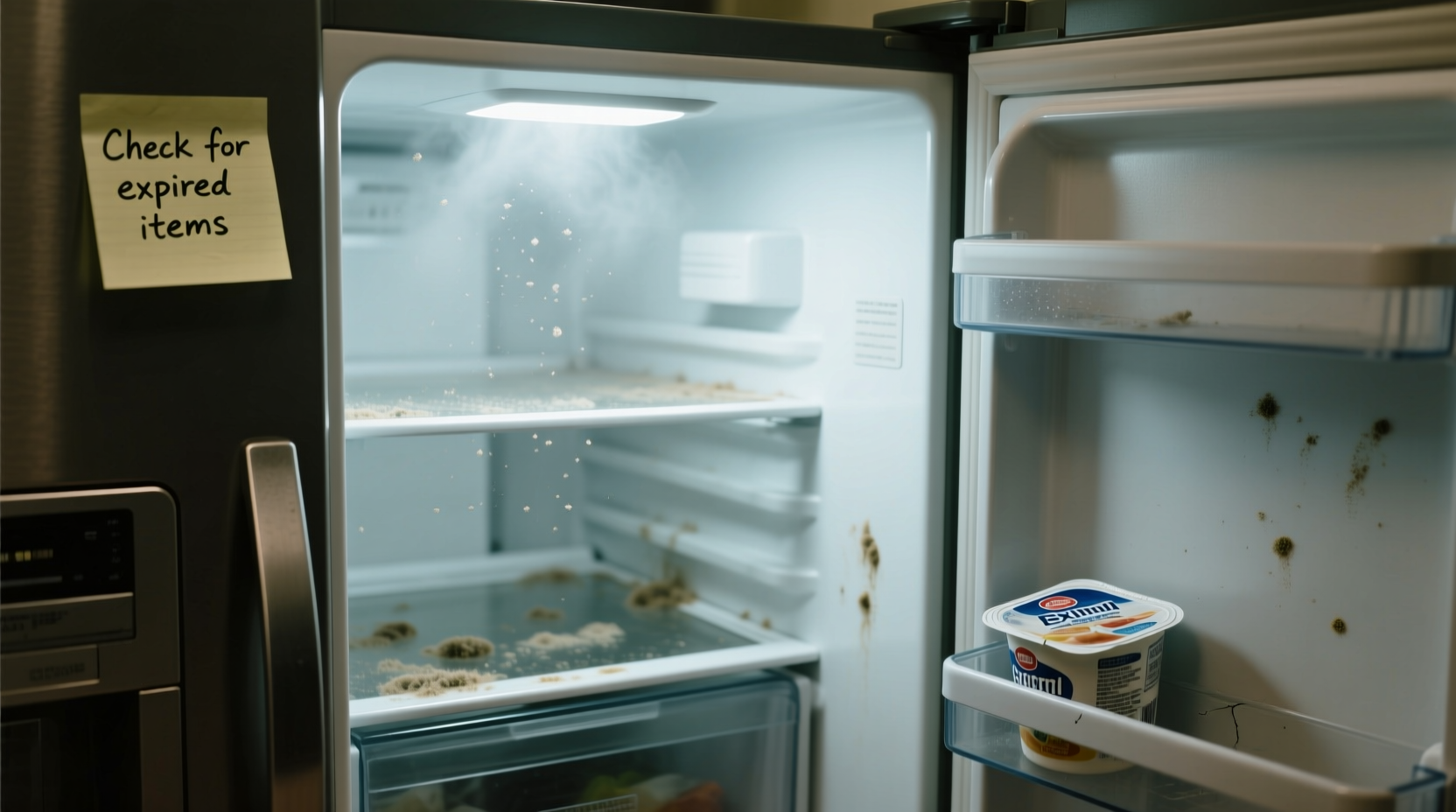
Most people assume spoiled food is the only culprit behind fridge odors. While expired dairy or forgotten leftovers are common triggers, they’re often not the reason smells return after cleaning. Microorganisms like bacteria and mold thrive in dark, damp areas that are easy to overlook during standard wipe-downs. These organisms produce volatile organic compounds (VOCs) as metabolic byproducts—gases responsible for the offensive smells.
One frequently missed zone is the drip pan, located beneath the refrigerator near the condenser coils. As the defrost system melts ice buildup, water collects here and can stagnate, especially if the pan is cracked or improperly seated. Over weeks or months, this stagnant water becomes a breeding ground for odor-causing bacteria. Similarly, the rubber door gasket—the seal around the fridge and freezer doors—tends to accumulate grime, moisture, and food residue. Its grooved texture traps particles, making it difficult to clean thoroughly without removal or specialized tools.
Another overlooked component is the interior drainage system. Many refrigerators have a small drain hole at the back of the fridge compartment that channels defrost water to the drip pan. If blocked by ice, mold, or debris, water pools inside the fridge, fostering microbial growth. Even after visible cleanup, this trapped moisture continues generating odors.
How Odors Linger Beyond Surface Cleaning
Cleaning with soapy water removes visible dirt but doesn’t always eliminate odor-causing microbes embedded in porous materials. Plastic shelves, crisper drawers, and liners may absorb spills over time, especially acidic liquids like juice or wine. These absorbed residues slowly release odors, particularly in cold, humid environments where evaporation is slow.
Baking soda is commonly placed in fridges to neutralize smells, but its effectiveness diminishes after 30 days. A box left unchanged for months offers little protection. Moreover, baking soda absorbs odors rather than kills the source organisms, meaning it masks the problem temporarily while contamination persists.
Odor molecules can also cling to air filters in modern refrigerators. Units with built-in air purification systems use carbon-based filters designed to trap VOCs. When saturated, these filters stop working and may even emit stale smells themselves. Not all users realize their fridge has such a filter, let alone know it requires replacement every six months.
“Surface sanitation doesn’t equate to microbial elimination. True deodorization requires targeting reservoirs—places where moisture and organic matter coexist unseen.” — Dr. Lena Torres, Microbial Hygiene Researcher, Institute of Home Appliance Safety
Step-by-Step Guide to Eliminate Persistent Fridge Smells
To permanently resolve recurring odors, follow this systematic approach. It goes beyond wiping down shelves and targets both visible and hidden contamination zones.
- Empty the refrigerator completely. Remove all food, including condiments and spices. Place perishables in a cooler with ice packs.
- Remove shelves, drawers, and liners. Soak them in a solution of one gallon warm water, one tablespoon dish soap, and ½ cup white vinegar for 20 minutes. Scrub gently with a non-abrasive sponge, rinse, and air dry.
- Clean the interior walls and ceiling. Mix equal parts water and distilled white vinegar in a spray bottle. Spray all surfaces—including corners and seams—and wipe with microfiber cloth. Avoid bleach unless specified by the manufacturer, as it can degrade plastic components.
- Inspect and clean the door gaskets. Pull back the rubber seal gently and check for mold or slime. Clean with vinegar solution using an old toothbrush to reach crevices. Dry thoroughly before closing.
- Clear the drain hole. Locate the small opening at the rear base of the fridge compartment. Flush with warm water mixed with a teaspoon of baking soda. Use a turkey baster to apply gentle pressure if needed.
- Access and clean the drip pan. Unplug the fridge and slide it away from the wall. Remove the front grill (if applicable) and locate the pan underneath. Slide it out, empty any standing water, scrub with soapy water, and replace.
- Replace the air filter. Consult your user manual to find the filter location—often behind the grille or inside the ceiling panel. Install a new one according to model specifications.
- Deodorize naturally. After reassembly, place an open box of activated charcoal or freshly ground coffee in the center of the fridge for 24–48 hours. These materials adsorb odors more effectively than baking soda.
- Monitor for recurrence. If smells return within a week, suspect a deeper issue such as a failing evaporator coil, insulation leak, or internal wiring fault producing a “burnt” odor.
Common Mistakes That Keep Odors Alive
Even diligent cleaners make errors that undermine their efforts. One widespread mistake is using scented cleaners or disinfectants with strong perfumes. These don’t eliminate microbes—they merely mask odors and may leave chemical residues that taint food. Another is neglecting the freezer compartment. Freezers aren’t immune to smells; frozen spills can sublimate and recondense, spreading odor molecules across compartments via shared airflow.
Storing food without proper sealing invites cross-contamination. A loosely capped jar of kimchi or unwrapped fish can permeate the entire fridge. Similarly, leaving produce in original grocery bags traps moisture and accelerates spoilage. Using breathable storage containers or perforated bins helps regulate humidity and reduce decay.
| Mistake | Why It’s Problematic | Correct Approach |
|---|---|---|
| Using bleach on plastic parts | Can cause cracking and chemical off-gassing | Use vinegar-water solution or manufacturer-approved cleaner |
| Ignoring the drip pan | Stagnant water breeds bacteria and mildew | Inspect and clean twice a year |
| Leaving old baking soda | Saturated absorbers lose efficacy | Replace every 30 days or use activated charcoal |
| Not drying gaskets after cleaning | Moisture promotes mold regrowth | Wipe thoroughly with dry cloth; ensure full air drying |
| Overloading the fridge | Blocks airflow, creating cold spots and uneven cooling | Leave space between items for circulation |
Mini Case Study: The Persistent Musty Fridge
Sarah from Portland noticed a musty smell returning two weeks after cleaning her five-year-old side-by-side refrigerator. She replaced the baking soda, discarded expired yogurt, and wiped shelves with lemon-scented wipes—but the odor persisted. Frustrated, she called an appliance technician who discovered two issues: a cracked drip pan allowing water to seep into the insulation layer, and a clogged drain hole backing up into the vegetable drawer. The technician cleaned the drain with a flexible brush, replaced the pan, and advised Sarah to run a monthly maintenance cycle using vinegar flushes. Within 48 hours, the smell vanished and hasn’t returned in eight months. Her experience underscores how structural flaws—not poor habits—can sustain odors despite rigorous cleaning.
Checklist: Complete Fridge Deodorizing Protocol
- ☐ Remove all food and unplug the unit
- ☐ Take out shelves, drawers, and liners for soaking
- ☐ Wipe interior with vinegar-water solution
- ☐ Scrub door gaskets with soft brush and vinegar
- ☐ Unclog and flush the drain hole
- ☐ Extract and clean the drip pan
- ☐ Replace air filter (if equipped)
- ☐ Deodorize with activated charcoal for 24–48 hours
- ☐ Reassemble and restock with properly sealed food
- ☐ Set reminder to repeat in 3–6 months
Frequently Asked Questions
Why does my fridge smell like rotten eggs after cleaning?
This sulfur-like odor typically indicates bacterial contamination in the drainage system or drip pan. Pseudomonas and other anaerobic bacteria produce hydrogen sulfide gas in stagnant water. It’s not usually dangerous in small amounts but signals poor hygiene. Perform a full clean focusing on the drain and pan, and consider flushing with a diluted hydrogen peroxide solution (1 part peroxide to 4 parts water) for stronger disinfection.
Can a bad refrigerator compressor cause strange smells?
Yes. A failing compressor or overheating electrical components may emit a “hot,” metallic, or acrid odor—sometimes described as burning plastic. This is different from food-related smells and could indicate a fire hazard. If you detect this scent, turn off the fridge immediately, unplug it, and contact a certified technician. Do not attempt to repair electrical systems yourself.
Is it safe to use essential oils to deodorize the fridge?
While popular in DIY circles, essential oils are not recommended for direct application inside refrigerators. They can leave oily residues on plastic and rubber parts, degrade materials over time, and contaminate food through vapor transfer. Instead, opt for natural, non-oily absorbers like activated charcoal, coffee grounds, or oats placed in an open container.
Preventing Future Odors: Long-Term Strategies
Prevention begins with daily habits. Store strong-smelling foods—such as onions, garlic, seafood, and fermented products—in airtight glass or BPA-free plastic containers. Designate one drawer for high-odor items to limit cross-exposure. Rotate groceries using the “first in, first out” method: place newer items behind older ones to prevent items from being forgotten at the back.
Weekly maintenance keeps problems at bay. Wipe up spills immediately. Check expiration dates every few days. Leave the door open for 15 minutes after deep cleaning to ensure all surfaces are completely dry before plugging back in. For households with frequent cooking or high humidity, consider placing a small desiccant pack (like those found in supplement bottles) in a mesh bag inside the fridge to help absorb excess moisture.
Finally, review your refrigerator’s ventilation. Units installed too close to walls or cabinets may restrict airflow, causing condensation buildup and temperature fluctuations. Maintain at least two inches of clearance around the sides and back. If your kitchen runs hot or humid, ensure the fridge isn’t absorbing ambient heat from ovens, dishwashers, or sunlight through nearby windows.
Conclusion
A lingering fridge odor after cleaning is not normal—and it’s not inevitable. With the right knowledge, you can move beyond surface fixes and address the real culprits: microbial reservoirs, mechanical flaws, and unnoticed maintenance gaps. Regular, thorough care protects your food, your health, and your appliance’s lifespan. Don’t accept strange smells as part of refrigerator ownership. Apply these steps, stay vigilant about hidden components, and transform your fridge into a truly fresh, hygienic space.




 浙公网安备
33010002000092号
浙公网安备
33010002000092号 浙B2-20120091-4
Comments
No comments yet. Why don't you start the discussion?