
Rice is a staple in kitchens around the world—versatile, affordable, and comforting. Yet, many home cooks struggle with one persistent issue: sticky rice. Whether you're making a simple side dish or preparing a base for stir-fry, ending up with a gluey, clumped mess can be frustrating. The good news? Sticky rice isn’t inevitable. Most of the time, it’s not the rice itself but how it's handled that causes the problem. By understanding the science behind starch and water absorption, and correcting a few common missteps, you can consistently achieve light, separate, and perfectly cooked grains.
The Science Behind Sticky Rice
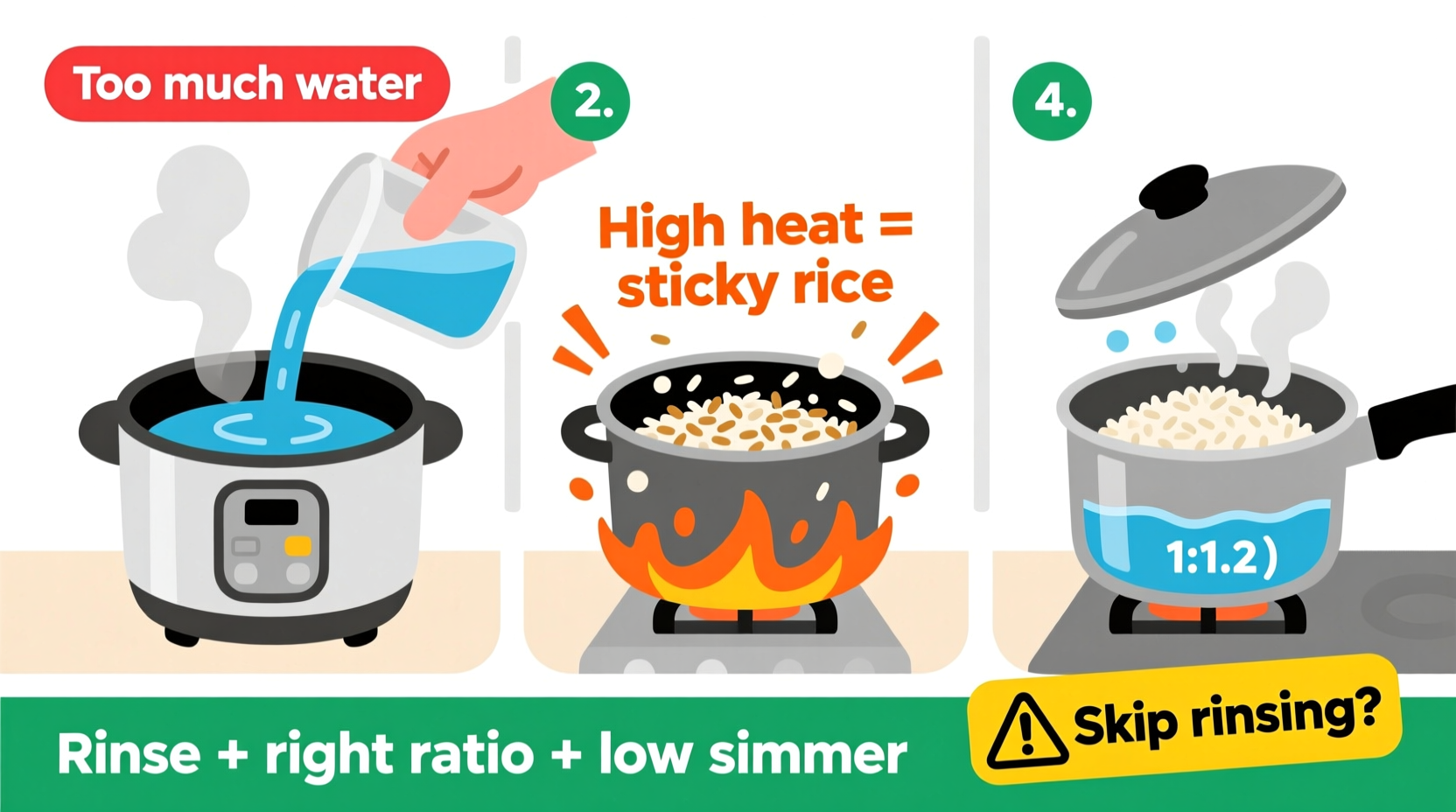
Rice becomes sticky due to the release of starch, primarily amylose and amylopectin, during cooking. When rice is milled, especially white rice, the outer layers are removed, exposing the starchy endosperm. During soaking and boiling, these starches leach into the surrounding water. If not managed properly, they gelatinize and create a sticky texture.
The type of rice plays a significant role. For example:
- Short-grain rice (like sushi rice) naturally has higher amylopectin, making it stickier by design.
- Long-grain rice (such as basmati or jasmine) contains more amylose, which helps grains stay separate when cooked correctly.
So while some dishes require sticky rice, most everyday meals call for fluffy, non-clumping results. If your long-grain rice consistently turns out gummy, it's likely due to technique—not the ingredient.
Common Cooking Errors That Cause Sticky Rice
1. Skipping the Rinse
One of the most frequent mistakes is failing to rinse rice before cooking. Unrinsed rice carries residual starch from processing, which dissolves in hot water and creates a sticky, porridge-like texture. A quick rinse under cold water until the water runs clear can make a dramatic difference.
2. Incorrect Water-to-Rice Ratio
Too much water leads to overhydration, causing grains to burst and release more starch. Conversely, too little water results in undercooked, hard rice. The ideal ratio varies slightly by rice type, but a general rule is 2:1 (water to rice) for long-grain white rice.
3. Stirring While Cooking
It might seem helpful to stir rice as it simmers, but agitation breaks the grains and releases starch, increasing stickiness. Once the rice is in the pot, leave it undisturbed until fully cooked.
4. Removing the Lid Too Early
Lifting the lid during cooking releases steam, disrupting the even absorption of moisture. This can lead to unevenly cooked rice and encourage clumping. Resist the urge to peek!
5. Not Letting Rice Rest After Cooking
After the heat is turned off, rice needs to rest with the lid on for at least 10 minutes. This allows residual steam to finish cooking the grains evenly and helps them firm up, making them easier to fluff without breaking.
“Many people treat rice like pasta—boil and drain—but rice is a grain that absorbs water. It needs controlled hydration, not constant stirring.” — Chef Maria Tanaka, Culinary Instructor
Step-by-Step Guide to Perfect, Non-Sticky Rice
Follow this reliable method to cook fluffy, separate grains every time, whether using a pot, rice cooker, or instant pot.
- Measure accurately: Use a measuring cup designed for rice or standard U.S. cups. Don’t eyeball it.
- Rinse thoroughly: Place rice in a fine-mesh strainer and rinse under cold running water, gently swishing with your fingers until the water runs clear (about 30 seconds).
- Use the right ratio: For long-grain white rice, use 2 cups of water for every 1 cup of rice. Adjust slightly for brown rice (add ¼–½ cup more water).
- Add rice to boiling water (optional): For extra separation, bring water to a boil, add salt and rinsed rice, then reduce to a simmer. Cover immediately.
- Cook undisturbed: Simmer on low heat for 15–18 minutes (white rice) or 30–40 minutes (brown). Do not stir or lift the lid.
- Rest off the heat: Turn off the burner, keep the lid on, and let sit for 10 minutes. This allows steam to redistribute and grains to firm up.
- Fluff with a fork: Gently loosen the rice with a fork to separate grains. Avoid spoons or spatulas that may crush them.
Do’s and Don’ts: Quick Reference Table
| Action | Do | Don't |
|---|---|---|
| Rinsing | Rinse until water runs clear | Skip rinsing to save time |
| Water Ratio | Use 2:1 for white long-grain rice | Guess the amount of water |
| Stirring | Never stir while cooking | Stir to prevent sticking |
| Lid Management | Keep lid on during cooking and resting | Peek frequently to check progress |
| Finishing | Let rice rest 10 minutes, then fluff | Serve immediately after cooking |
Real Example: From Sticky Disaster to Flawless Results
Consider Sarah, a busy professional who relied on microwaveable rice packets until she decided to cook from scratch. Her first few attempts yielded dense, clumpy rice that stuck to the pot and each other. Frustrated, she almost gave up—until she learned about rinsing.
She started measuring her water precisely and rinsing her jasmine rice until the runoff was clear. She stopped lifting the lid mid-cook and allowed the rice to rest. The transformation was immediate: her next batch came out light, fragrant, and with distinct grains. Now, she confidently prepares rice weekly, using it for grain bowls, stir-fries, and meal prep. Her only regret? Not learning these basics sooner.
Checklist for Consistently Fluffy Rice
Print or bookmark this checklist to ensure success every time:
- ✅ Measure rice with a proper cup
- ✅ Rinse rice until water runs clear
- ✅ Use correct water-to-rice ratio (2:1 for white long-grain)
- ✅ Add a pinch of salt (optional for flavor)
- ✅ Bring to boil, then simmer covered on low heat
- ✅ Do not stir or lift the lid during cooking
- ✅ Remove from heat and let stand, covered, for 10 minutes
- ✅ Fluff gently with a fork before serving
Frequently Asked Questions
Why is my rice sticky even after rinsing?
Rinsing removes surface starch, but sticky results can still occur if you’re using short-grain rice (naturally high in amylopectin), adding too much water, or stirring during cooking. Double-check your rice variety and technique. Also, ensure you're not skipping the resting phase, which helps grains firm up and separate.
Can I fix sticky rice after it’s cooked?
If your rice is overly wet and clumped, spread it thinly on a baking sheet and cover with a clean towel to absorb excess moisture. Let it sit for 10–15 minutes. You can also reheat gently in a skillet with a tiny bit of oil to help separate grains. However, prevention is far more effective than correction.
Is sticky rice always a mistake?
No—some cuisines rely on sticky rice intentionally. Sushi, Korean bibimbap, and Thai mango sticky rice all depend on glutinous or short-grain varieties that are meant to be cohesive. The key is knowing what texture you want and choosing the right rice and method accordingly.
Mastering the Basics for Long-Term Success
Perfect rice isn’t about fancy equipment or secret ingredients—it’s about consistency and attention to detail. Once you internalize the core principles—rinsing, measuring, avoiding disturbance, and resting—you’ll find that fluffy, non-sticky rice becomes second nature.
Different rice types may require slight adjustments. Brown rice, for instance, needs more water and longer cooking time. Basmati benefits from soaking. Arborio, used in risotto, is intentionally stirred to release starch for creaminess. But for everyday fluffy rice, the standard method outlined here applies across most long-grain white varieties.
Over time, you’ll develop a feel for the process. You’ll know when the rice is done by sound—the gentle hiss fading as steam reduces—and recognize the right texture after fluffing. Confidence in rice cooking often spills over into other areas of the kitchen, reinforcing the idea that mastery begins with fundamentals.
“The way you cook rice reflects your approach to cooking overall: patience, precision, and respect for ingredients.” — James Lin, Food Scientist and Author
Conclusion: Take Control of Your Rice Game
Sticky rice doesn’t have to be your culinary fate. With a few simple corrections to your routine, you can transform a common frustration into a point of pride. Start tonight: measure your water, rinse your grains, resist the urge to peek, and let it rest. The result will be rice that’s not just edible, but excellent—light, tender, and ready to elevate any meal.




 浙公网安备
33010002000092号
浙公网安备
33010002000092号 浙B2-20120091-4
Comments
No comments yet. Why don't you start the discussion?