
Rice is a staple in kitchens around the world, and the rice cooker has become an essential appliance for its convenience and consistency. But nothing disrupts that ease quite like opening the lid only to find a mess of foamy starch and boiled-over grains coating the inside of your kitchen. If your rice cooker consistently overflows, you're not alone—and more importantly, it’s fixable. This issue isn’t random or inevitable; it stems from specific causes rooted in physics, ingredient choices, and technique. Understanding these factors allows you to implement a reliable, foolproof solution that ensures clean, consistent results every time.
The Science Behind Rice Cooker Overflow
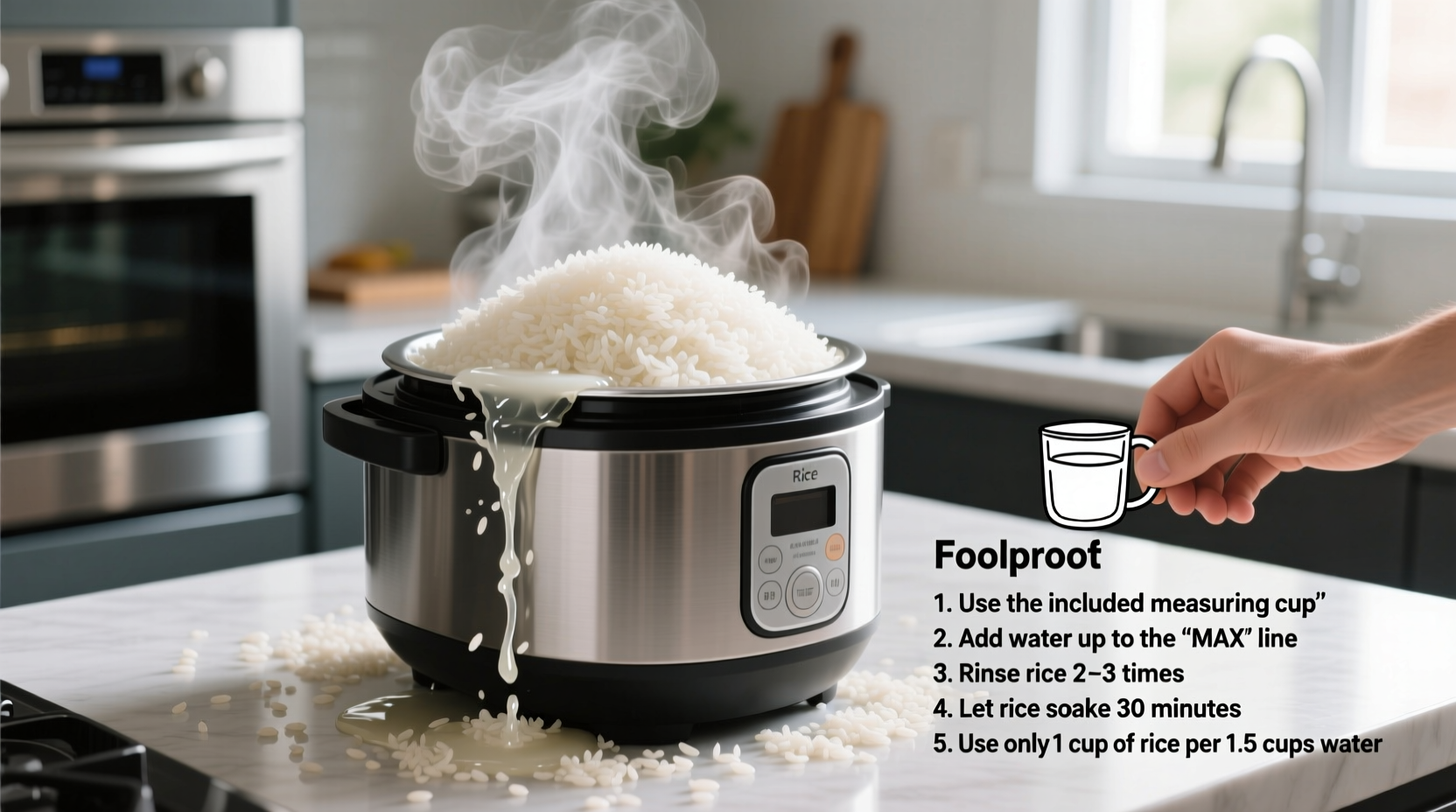
Overflow doesn't happen because your rice cooker is defective—it happens because of how rice behaves when heated with water. When rice absorbs water and heats up, the starches within the grains begin to gelatinize. As the temperature rises, water turns to steam, creating pressure. The starch released into the cooking water forms a viscous foam that traps air and expands rapidly. This foam can rise quickly and escape through the vent, leading to the familiar sticky mess on your countertop.
This process is especially pronounced with certain types of rice. Short-grain varieties like sushi rice or Arborio contain higher levels of amylopectin, a branched starch molecule that gels easily and produces more foam. Long-grain rices such as basmati have less amylopectin and are less likely to foam, but they can still cause overflow if not properly prepared.
Additionally, modern rice cookers are designed with vents to release excess steam during cooking. While necessary for safety and proper function, these vents also provide an exit route for expanding foam when starch levels are high.
Common Causes of Rice Cooker Overflow
Before applying a solution, it’s crucial to identify what’s contributing to the problem. Several common practices inadvertently set the stage for overflow:
- Not rinsing the rice: Most packaged rice retains a fine dust of loose starch from milling. Skipping the rinse leaves this starch in the pot, increasing foam production.
- Using too much water: Excess water increases the volume of liquid available to turn into foam, amplifying expansion during boiling.
- Overfilling the inner pot: Even with correct water ratios, starting with too much rice reduces headspace, making overflow more likely.
- Cooking high-starch rice varieties: Sticky rice, short-grain, and glutinous rices naturally produce more foam due to their molecular structure.
- Old or dirty vent systems: Clogged steam vents restrict airflow, causing pressure buildup and erratic foam release.
Each of these factors plays a role, but the most impactful—and easiest to control—is whether or not the rice is rinsed before cooking.
Foolproof Method to Prevent Overflow
The single most effective way to prevent rice cooker overflow is a simple two-step process: rinse thoroughly, then use the correct water-to-rice ratio. Follow this method consistently, and overflow will become a thing of the past.
- Measure the rice: Use the measuring cup that came with your rice cooker (it's typically smaller than a standard cup—about ¾ of a U.S. cup). This ensures accuracy based on your appliance’s calibration.
- Rinse under cold water: Place the rice in a fine-mesh strainer or bowl. Rinse with cold running water, gently agitating the grains with your fingers. Continue until the water runs clear—usually 3 to 5 rinses. This removes excess surface starch.
- Drain well: Let the rice sit in the strainer for 10–15 seconds to remove excess moisture before transferring it to the inner pot.
- Add the correct amount of water: After rinsing, use the water level lines inside the pot. These are calibrated for rinsed rice. If your cooker lacks markings, follow a general guideline: 1:1 ratio for short-grain rice, 1:1.25 for medium-grain, and 1:1.5 for long-grain.
- Wipe the rim: Before closing the lid, wipe the inner pot’s rim with a dry cloth. Any residual water or starch near the seal can contribute to messy venting.
- Clean the vent regularly: Once a month, disassemble and clean the steam vent according to the manufacturer’s instructions. A clogged vent increases internal pressure and promotes overflow.
This method works because rinsing eliminates the primary culprit—free starch—while precise water measurement prevents unnecessary liquid expansion. Combined, they create ideal conditions for controlled steam release and minimal foam.
Real Example: From Messy to Flawless in One Meal
Sophia, a home cook in Seattle, had given up on her rice cooker after repeated failures. “Every time I made jasmine rice, I ended up wiping down the counter and the walls,” she said. “I thought maybe the machine was broken.” After learning about rinsing, she decided to try it. She measured one cup of jasmine rice, rinsed it under cold water until the runoff was clear, drained it, and added 1.5 cups of water—exactly to the '3' line on her pot. She wiped the rim, closed the lid, and started the cycle. Ten minutes in, she heard the usual hiss of steam—but no foam escaped. When the cycle finished, the rice was fluffy, evenly cooked, and the exterior of the cooker was spotless. “I couldn’t believe the difference one step made,” she said. “Now I rinse every time, even for quick meals.”
Do’s and Don’ts: Quick Reference Table
| Do | Don’t |
|---|---|
| Rinse rice until water runs clear – Removes excess starch that causes foaming. | Skip rinsing to save time – Leads to excessive foam and overflow. |
| Use the rice cooker’s measuring cup – Ensures accurate rice volume. | Use a standard measuring cup – Can lead to incorrect ratios. |
| Follow internal water lines – Designed for rinsed rice and optimal expansion. | Guess water amounts – Increases risk of boil-over. |
| Clean the steam vent monthly – Prevents pressure buildup and clogs. | Ignore the vent – Can cause uneven venting and mess. |
| Wipe the pot rim before cooking – Keeps the sealing area clean. | Leave wet starch near the lid – May burn or foam out. |
“Rinsing rice isn’t just about cleanliness—it’s a critical step in controlling texture and preventing overflow. The starch that clouds the rinse water is exactly what creates problematic foam during cooking.” — Dr. Lin Mei, Food Scientist and Grain Processing Specialist
Alternative Methods for Specific Rice Types
While rinsing works universally, some rice varieties require additional considerations:
- Glutinous (sticky) rice: Often used in Asian desserts and savory dishes, this rice is intentionally high in amylopectin. Rinse lightly—just 1–2 times—to preserve stickiness while minimizing overflow risk. Soak for 30 minutes before cooking to improve texture.
- Brown rice: Has a bran layer that holds more water. Rinse gently to avoid grain breakage. Use slightly more water (1:1.75 ratio) and allow extra cooking time. The risk of overflow is lower due to less free starch.
- Parboiled or converted rice: Pre-treated to reduce nutrient loss and firmness. These rices release less starch and rarely overflow, but rinsing still improves final texture.
- Pre-washed or “no-rinse” rice: Some brands are pre-rinsed and coated to reduce stickiness. Check packaging—if labeled “ready-to-cook” or “no need to rinse,” follow instructions carefully. However, if you’ve experienced overflow even with these, a quick rinse may still help.
Frequently Asked Questions
Can I prevent overflow without rinsing the rice?
You can reduce—but not eliminate—the risk by using less water or switching to low-starch rice. However, skipping rinsing means accepting a higher chance of overflow, especially with sticky or short-grain varieties. Rinsing remains the most reliable method.
Why does my rice cooker overflow only sometimes?
Inconsistent rinsing, varying rice batches, or changes in rice type (e.g., switching from basmati to sushi rice) can explain sporadic overflow. Also, if the vent hasn’t been cleaned in months, partial blockages may cause unpredictable behavior.
Is overflow harmful to the rice cooker?
Occasional overflow isn’t dangerous, but frequent starchy buildup can corrode sensors, clog vents, and shorten the appliance’s lifespan. Sticky residue near electrical components may also pose a fire hazard over time. Regular cleaning is essential.
Final Checklist: Never Overflow Again
- ✔️ Always rinse rice until water runs clear
- ✔️ Use the rice cooker’s measuring cup for accuracy
- ✔️ Add water according to the inner pot’s markings
- ✔️ Wipe the pot rim before closing the lid
- ✔️ Clean the steam vent and anti-clog filter monthly
- ✔️ Avoid overfilling beyond the maximum line
- ✔️ Store rice in a cool, dry place to prevent clumping and excess dust
Conclusion: Take Control of Your Cooking Results
Your rice cooker should simplify meal prep, not complicate it with cleanup. Overflow isn’t a flaw in the appliance—it’s a signal that a small adjustment is needed in your process. By understanding the role of starch and adopting the simple habit of rinsing, you gain complete control over the outcome. The method outlined here is proven, repeatable, and effective across rice types and cooker models. No special tools, no guesswork—just consistent, clean results. Start tonight: rinse your rice, follow the water lines, and enjoy perfectly cooked grains without the mess. Share your success with others who struggle with the same issue, and reclaim your kitchen from the sticky aftermath of boiled-over rice.




 浙公网安备
33010002000092号
浙公网安备
33010002000092号 浙B2-20120091-4
Comments
No comments yet. Why don't you start the discussion?