
It’s a familiar kitchen frustration: you measure the rice and water precisely, follow the recommended ratios, and still—your rice cooker erupts like a starchy volcano. Sticky foam spills over the sides, creating a sticky cleanup job and raising concerns about safety and performance. If this happens regularly, it's natural to wonder: is it the rice? The cooker? Or something more subtle at play?
The truth is, even with perfect water-to-rice ratios, multiple hidden factors can trigger overflow. Understanding these underlying causes goes beyond basic instructions and into the science of starch, heat dynamics, and appliance maintenance. Fixing the issue isn’t just about cleanliness—it’s about optimizing how your rice cooker functions.
Understanding the Science Behind Rice Cooker Overflow
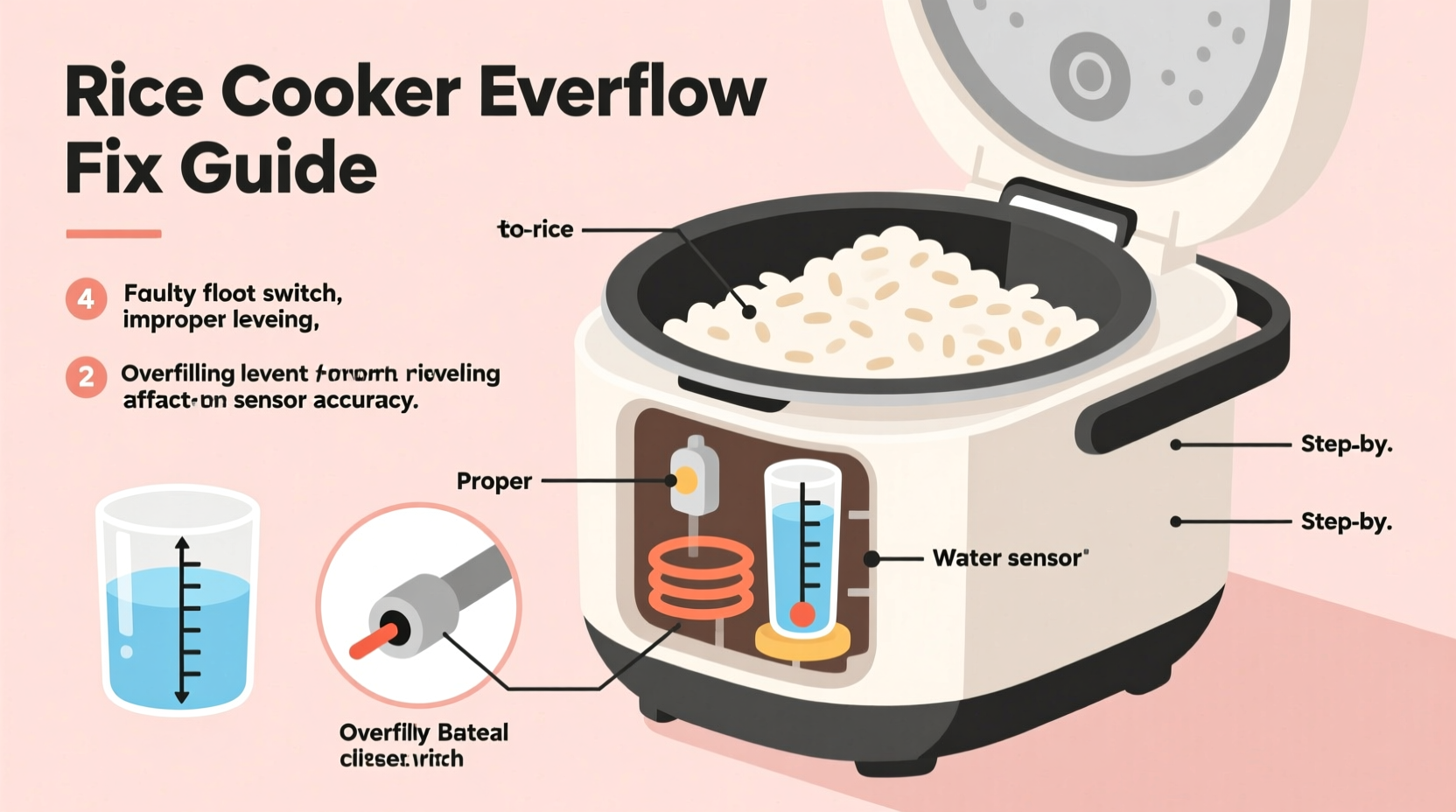
Rice cookers are designed to automate one of the most common cooking tasks, but they operate within physical limits. When rice cooks, two key processes occur: hydration and gelatinization. As the grains absorb water, their starch molecules swell and burst under heat, releasing amylose and amylopectin—components that make rice sticky and cohesive. This released starch mixes with boiling water, forming a foamy layer on the surface.
In normal conditions, this foam is contained. But when too much foam builds up rapidly, it can escape through the vent, especially if the pressure release system is obstructed or overwhelmed. Unlike a pot on the stove where you might reduce heat manually, rice cookers maintain high initial heat until the temperature drops—indicating most water has been absorbed. If foam blocks sensors or vents prematurely, the machine may not transition properly to “keep warm” mode, leading to continued boiling and overflow.
“Overflow isn’t always about quantity—it’s often about viscosity. High-starch rice varieties produce more foam, and without proper ventilation, even small amounts can cause major spills.” — Dr. Lin Mei, Food Scientist specializing in grain-based systems
Common Causes of Overflow (Even With Correct Water Ratios)
Many users assume that precise measurements eliminate risk. However, several non-measurement-related issues contribute significantly:
- Excessive starch on un-rinsed rice: Most white rice sold today is enriched and coated with nutrients, which also increases surface starch. Failing to rinse allows this excess starch to dissolve during cooking, amplifying foam production.
- Overfilling the inner pot: Even with accurate ratios, filling the pot beyond the manufacturer’s recommended max line reduces headspace needed for expansion and steam movement.
- Clogged anti-clog vent or lid gasket: Steam must escape safely. If the vent hole or silicone seal around the lid is blocked by old residue, pressure builds and forces foam outward.
- Using high-starch rice varieties: Short-grain, sushi, or glutinous rice naturally release more starch than long-grain types like basmati or jasmine, increasing foam potential.
- Older or low-end models: Some budget rice cookers lack advanced microprocessors or multi-stage boiling control, causing prolonged high-heat phases that encourage bubbling.
Step-by-Step Guide to Prevent Overflow
Follow this actionable process to diagnose and resolve recurring overflow issues:
- Rinse your rice thoroughly before cooking. Place measured rice in a bowl, cover with cold water, swirl gently, then drain. Repeat 3–4 times until the water runs mostly clear. This removes surface starch and dust.
- Measure water accurately—but adjust for rice type. Use the cup provided with your cooker. General rule: 1:1.25 for jasmine, 1:1.5 for short-grain, 1:1.75 for brown rice. Avoid estimating.
- Check the max fill line on the inner pot. Never exceed the highest marked line, especially when cooking larger batches. For best results, cook no more than ¾ full.
- Clean the vent and sealing components weekly. Remove the lid’s silicone gasket and wash it with mild soap. Use a toothpick or soft brush to clear debris from the central steam vent.
- Wipe down the heating plate and inner pot exterior. Residue buildup can interfere with thermal contact, leading to uneven heating and erratic boiling behavior.
- Let the cooker rest after cooking. Wait 10–15 minutes after the cycle ends before opening the lid. This allows residual steam to dissipate gradually and reduces sudden pressure changes.
Do’s and Don’ts: Maintaining Your Rice Cooker
| Do | Don’t |
|---|---|
| Rinse rice until water runs clear | Use abrasive scrubbers on nonstick pots |
| Clean the steam vent monthly | |
| Use manufacturer-approved accessories | Fill above the MAX line regardless of recipe |
| Store with the lid slightly ajar | Ignore persistent beeping or error codes |
| Inspect gaskets for mold or warping annually | Submerge the main unit in water |
Real Example: A Case of Chronic Overflow
Sarah, a home cook in Portland, reported consistent overflow with her 3-year-old rice cooker—even when using the same brand and amount of jasmine rice. She followed package instructions exactly: 1 cup rice to 1.5 cups water. Yet each time, a thick foam leaked onto the counter, requiring disassembly and cleaning.
After inspecting her process, the culprit was identified: she wasn’t rinsing the rice. The store-brand jasmine had a fine powder coating (common in pre-fortified rice), which contributed to excessive foaming. Additionally, the rubber gasket on her lid had developed small cracks and trapped residue, partially blocking the steam path.
She began rinsing her rice twice before loading, cleaned the gasket with vinegar solution, and replaced the seal after noticing brittleness. Within one use, the overflow stopped completely. Her rice also came out fluffier and less clumped—a side benefit of reduced surface starch.
When Equipment Design Plays a Role
Not all rice cookers are created equal. Entry-level models often use simpler heating elements and lack fuzzy logic programming that adjusts temperature dynamically. These units tend to boil aggressively throughout the initial phase, increasing bubble formation.
Higher-end models incorporate features such as:
- Multi-stage heating (boil → simmer → steam → keep warm)
- Pressurized lids (like in induction-heating or \"IH\" models)
- Anti-foam coatings inside the lid
- Dual vents or condensation trays
If you frequently cook sticky rice or large batches, upgrading to a model with better vapor management may be worth the investment. Look for terms like “microcomputer-controlled,” “induction heating,” or “multi-menu settings” when shopping.
“Modern rice cookers don’t just boil—they orchestrate. Temperature modulation prevents violent boiling, reducing both energy use and mess.” — Kenji Takahashi, Appliance Engineer and Home Kitchen Consultant
Frequently Asked Questions
Can I stop overflow by adding oil to the water?
Yes, a few drops of neutral oil (like canola or grapeseed) can reduce surface tension and suppress foam. However, this should be a last resort. Oil can degrade nonstick coatings over time and affect the texture of certain rice dishes, particularly those meant to be dry or fluffy.
Does altitude affect rice cooker performance?
Absolutely. At higher elevations, water boils at lower temperatures, which means the cooker takes longer to reach the phase change that triggers the thermostat. This prolongs the boiling period, increasing the chance of overflow. Adjust by reducing water slightly (by 1–2 tablespoons per cup) or choosing a model with altitude compensation.
Is overflow dangerous or harmful to the appliance?
Occasional minor spillover is generally safe, but frequent overflow introduces moisture into electrical components and can corrode contacts or damage sensors. Over time, this leads to inconsistent cooking, failure to switch modes, or complete malfunction. Regular cleaning and prevention are essential for longevity.
Essential Maintenance Checklist
To ensure your rice cooker operates efficiently and safely, perform these checks regularly:
- ✅ Rinse rice before every use
- ✅ Wipe inner pot and heating plate after each cook
- ✅ Clean steam vent and cap monthly
- ✅ Inspect lid gasket for cracks or odor every 3 months
- ✅ Replace worn seals or damaged parts promptly
- ✅ Never immerse base unit in water
- ✅ Follow max fill guidelines strictly
Conclusion: Take Control of Your Cooking Experience
An overflowing rice cooker isn't inevitable, even with perfectly measured ingredients. The root causes often lie in overlooked details: un-rinsed grains, neglected maintenance, incompatible rice types, or aging equipment. By applying targeted solutions—rinsing rice, cleaning vents, respecting capacity limits—you regain control over one of your most-used kitchen appliances.
Fixing the problem doesn’t require technical expertise, only consistency and attention. Once resolved, you’ll enjoy cleaner counters, better-cooked rice, and peace of mind knowing your device will function reliably for years. Start with a thorough cleaning today, refine your prep routine, and experience what a well-tuned rice cooker should feel like.




 浙公网安备
33010002000092号
浙公网安备
33010002000092号 浙B2-20120091-4
Comments
No comments yet. Why don't you start the discussion?