
A musty odor in your bedroom or living space can be more than just unpleasant—it’s often a sign of underlying issues that persist despite regular cleaning. You’ve vacuumed, dusted, opened the windows, and even used air fresheners, yet the stale, earthy smell lingers. This isn’t normal wear-and-tear; it’s a red flag. Mustiness typically points to moisture accumulation and microbial growth, most commonly mold or mildew. While surface cleaning removes visible dirt, it doesn’t always address the root cause hiding beneath floors, behind walls, or inside HVAC systems. Understanding these hidden culprits is essential not only for eliminating odors but also for protecting your health and preserving your home’s structural integrity.
The Science Behind Musty Smells
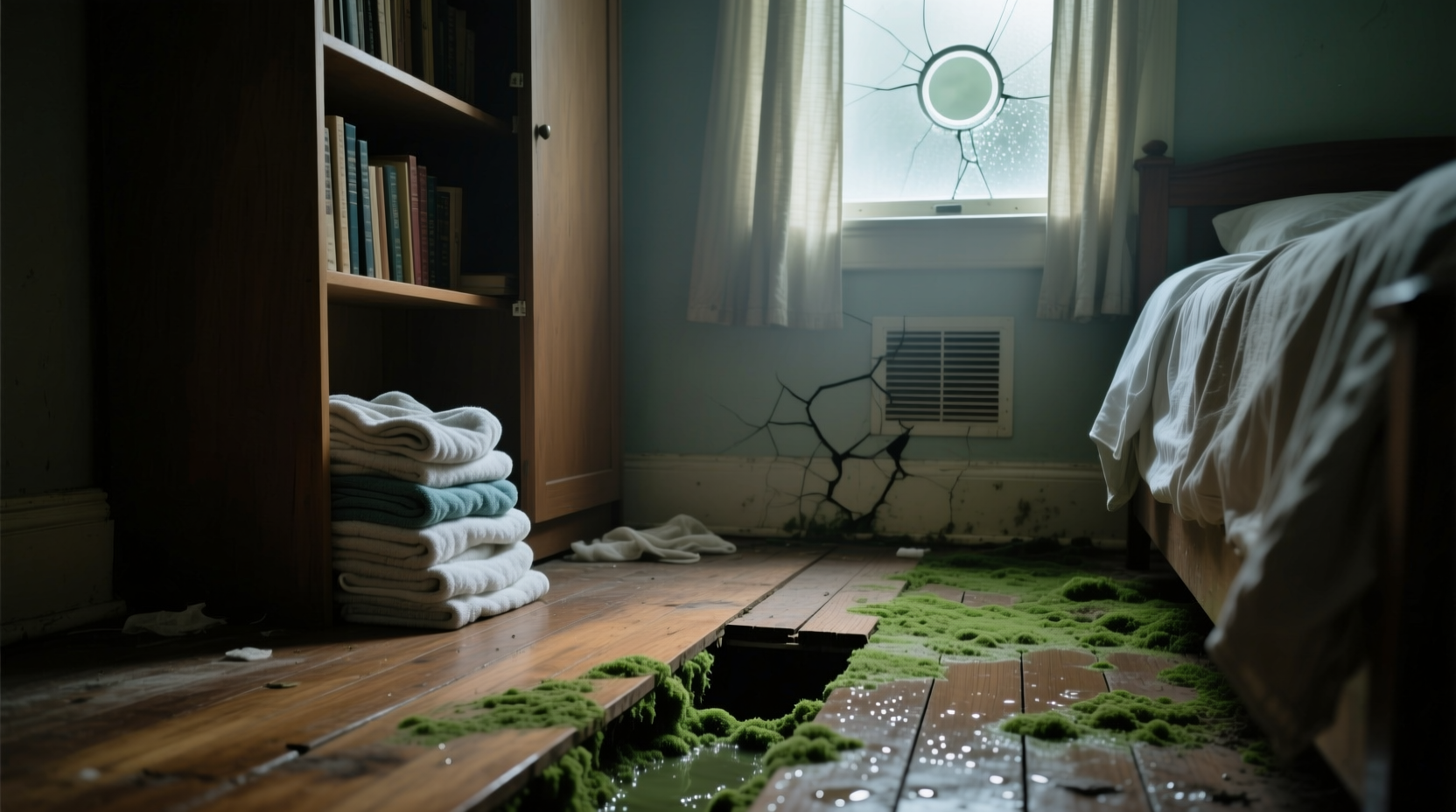
Musty odors are primarily caused by microbial volatile organic compounds (mVOCs) released by mold and mildew as they grow and digest organic material. These compounds have distinct earthy or damp scents, often compared to wet cardboard or old books. Unlike temporary smells from cooking or pets, musty odors indicate biological activity—usually fungal growth thriving in dark, humid environments with little airflow.
Mold spores are microscopic and omnipresent in indoor and outdoor air. They become problematic when they land on moist surfaces such as drywall, wood, carpet padding, or insulation. Once established, mold colonies can spread rapidly within 24–48 hours under favorable conditions: relative humidity above 60%, temperatures between 60°F and 80°F, and a food source (like cellulose in drywall paper).
“Many people think if they don’t see mold, there’s no problem. But odor is often the first warning sign—sometimes the only one before visible damage occurs.” — Dr. Lena Patel, Indoor Air Quality Specialist
Cleaning surfaces may temporarily mask the smell, but unless moisture is controlled and the mold colony eradicated at its source, the odor will return. In some cases, the mold may be growing where you can’t see it, making diagnosis difficult without a systematic inspection.
Common Hidden Sources of Musty Odors
Even meticulous cleaning won’t resolve a musty smell if the source lies beyond reach. Below are five frequently overlooked areas where mold and moisture accumulate:
- Under flooring: Carpet padding, hardwood subfloors, or laminate underlayment can trap moisture from spills, leaks, or high humidity. If not dried properly, these materials become breeding grounds for mold.
- Behind walls: Leaks from plumbing, roof infiltration, or condensation within wall cavities create ideal conditions for hidden mold. Wallpaper or paneling can further insulate and conceal the issue.
- In HVAC systems: Dirty air ducts, clogged filters, or standing water in drip pans allow mold to grow and circulate throughout the home via forced air.
- Inside furniture: Upholstered furniture, especially against exterior walls, can absorb ambient moisture. Cushion foam and wooden frames degrade over time when exposed to dampness.
- Basement or crawl space vapor drive: Moisture rising from soil below can migrate upward into living spaces through foundation cracks or unsealed floors, carrying mold spores and humidity with it.
Step-by-Step Guide to Locating the Source
Eliminating a persistent musty smell requires a methodical approach. Follow this timeline to identify and address hidden causes:
- Day 1: Conduct a sensory sweep
Walk through the room at different times of day. Note when the smell intensifies (e.g., after showering, during rain, or at night). Check near vents, corners, closets, and exterior walls. - Day 2: Inspect for moisture indicators
Look for peeling paint, bubbling wallpaper, warped floorboards, or condensation on windows. These are signs of excess humidity or water intrusion. - Day 3: Test humidity levels
Use a digital hygrometer to measure relative humidity. Readings consistently above 60% suggest inadequate ventilation or dehumidification needs. - Day 4: Examine HVAC components
Replace the air filter and visually inspect accessible ductwork. If the filter is dark or musty, schedule professional duct cleaning. - Day 5: Lift flooring samples (if applicable)
Peel back a corner of carpet or remove a floorboard in a discreet area. Check for staining, spongy texture, or black specks underneath. - Day 6: Investigate adjacent spaces
Check basements, attics, or crawl spaces connected to the affected room. Mold in these zones often migrates upward. - Day 7: Call a professional if needed
If no obvious source is found, consider hiring an industrial hygienist to perform air quality testing or thermal imaging for concealed moisture.
Do’s and Don’ts When Dealing With Musty Rooms
| Action | Do | Don’t |
|---|---|---|
| Addressing moisture | Fix leaks promptly, use exhaust fans, run a dehumidifier | Ignore condensation or delay repairs |
| Cleaning mold | Use diluted vinegar or hydrogen peroxide on non-porous surfaces | Apply bleach to porous materials like drywall or carpet |
| Ventilation | Open windows regularly, install bathroom fans, use ceiling fans | Seal rooms completely without airflow |
| Furniture placement | Leave 2–3 inches between furniture and walls for airflow | Push beds or dressers flush against exterior walls |
| Air purification | Use HEPA air purifiers with activated carbon filters | Rely solely on aerosol sprays or plug-in fragrances |
Real Example: The Case of the Persistent Closet Smell
Sarah, a homeowner in Portland, Oregon, noticed a recurring musty odor in her guest bedroom closet despite weekly cleaning. She replaced the shelf liner, washed all clothes, and placed charcoal bags inside—but the smell returned within days. Frustrated, she called a building inspector who used a moisture meter and discovered elevated readings behind the drywall near the roofline. Further investigation revealed a small gap in the flashing above the window, allowing rainwater to seep into the wall cavity during storms. Over months, this created a perfect environment for mold growth inside the wall, undetectable from the surface.
After repairing the roof flashing, cutting a small access panel to treat the mold with antimicrobial solution, and sealing the drywall, the odor disappeared permanently. Sarah now monitors indoor humidity and schedules annual exterior inspections, especially before rainy seasons.
Prevention Checklist: Stop Mustiness Before It Starts
Once the immediate issue is resolved, adopt these habits to prevent recurrence:
- ✅ Maintain indoor humidity between 30% and 50%
- ✅ Clean or replace HVAC filters every 1–3 months
- ✅ Run bathroom and kitchen exhaust fans during and 20 minutes after showers/cooking
- ✅ Avoid drying clothes indoors without proper ventilation
- ✅ Elevate furniture slightly off the floor to allow air circulation
- ✅ Inspect basements and attics quarterly for leaks or dampness
- ✅ Use mold-resistant paint in high-moisture areas
- ✅ Store unused items in breathable containers, not plastic bins
When to Call a Professional
While minor mold spots on tile grout or window seals can be handled safely with DIY methods, larger infestations require expert intervention. The Environmental Protection Agency (EPA) recommends consulting a professional if:
- Mold covers more than 10 square feet
- It’s growing on HVAC systems or inside walls
- There’s been a history of flooding or chronic leaks
- Occupants experience unexplained allergies, coughing, or respiratory irritation
Certified mold remediation specialists use containment barriers, HEPA vacuums, antimicrobial treatments, and post-cleanup verification testing to ensure complete removal. Attempting to remove extensive mold without proper protection can release spores into the air and worsen indoor air quality.
FAQ: Common Questions About Musty Room Smells
Can a dirty air filter cause a musty smell?
Yes. A clogged HVAC filter traps dust, moisture, and organic debris, creating a breeding ground for mold. As air passes through, spores and mVOCs are distributed throughout the home. Replacing filters monthly during high-use seasons helps prevent this.
Is a musty smell dangerous to health?
Prolonged exposure to mold and its byproducts can trigger allergic reactions, asthma attacks, sinus congestion, and eye or throat irritation. Sensitive individuals, including children and those with compromised immune systems, are at higher risk. Eliminating the source reduces health risks significantly.
Why does my room smell musty only at night?
This often occurs due to temperature drops increasing relative humidity, causing moisture to condense on cooler surfaces. Poor nighttime ventilation exacerbates the issue. Running a fan or dehumidifier in the evening can help stabilize conditions.
Final Steps Toward a Fresh, Healthy Space
A musty smell after cleaning isn’t a failure of effort—it’s a signal that something deeper needs attention. By understanding how moisture and mold interact in your environment, you gain the power to eliminate odors at their source rather than masking them. Prevention is far more effective than reaction. Simple changes like monitoring humidity, improving airflow, and maintaining your home’s envelope can keep your rooms smelling clean and feeling healthy year-round.




 浙公网安备
33010002000092号
浙公网安备
33010002000092号 浙B2-20120091-4
Comments
No comments yet. Why don't you start the discussion?