
It’s a common but frustrating experience: you’ve just washed your hair, expecting a fresh, clean feeling—only to be met with an insistent itch minutes later. An itchy scalp post-wash isn’t just annoying; it can disrupt your day, affect your confidence, and even lead to more serious issues if left unaddressed. While occasional itching may not be cause for concern, persistent or worsening symptoms often point to underlying factors ranging from product misuse to skin conditions. Understanding the root causes is the first step toward lasting relief.
The scalp is a dynamic environment, home to oil glands, hair follicles, and a delicate microbiome. When this balance is disturbed—by harsh ingredients, improper techniques, or medical conditions—itching becomes a warning sign. The good news? Most causes are treatable with simple adjustments to routine, product selection, or lifestyle habits. This guide breaks down the most common reasons your scalp itches after washing, backed by dermatological insights, and offers practical solutions you can start today.
Common Causes of Post-Wash Scalp Itching
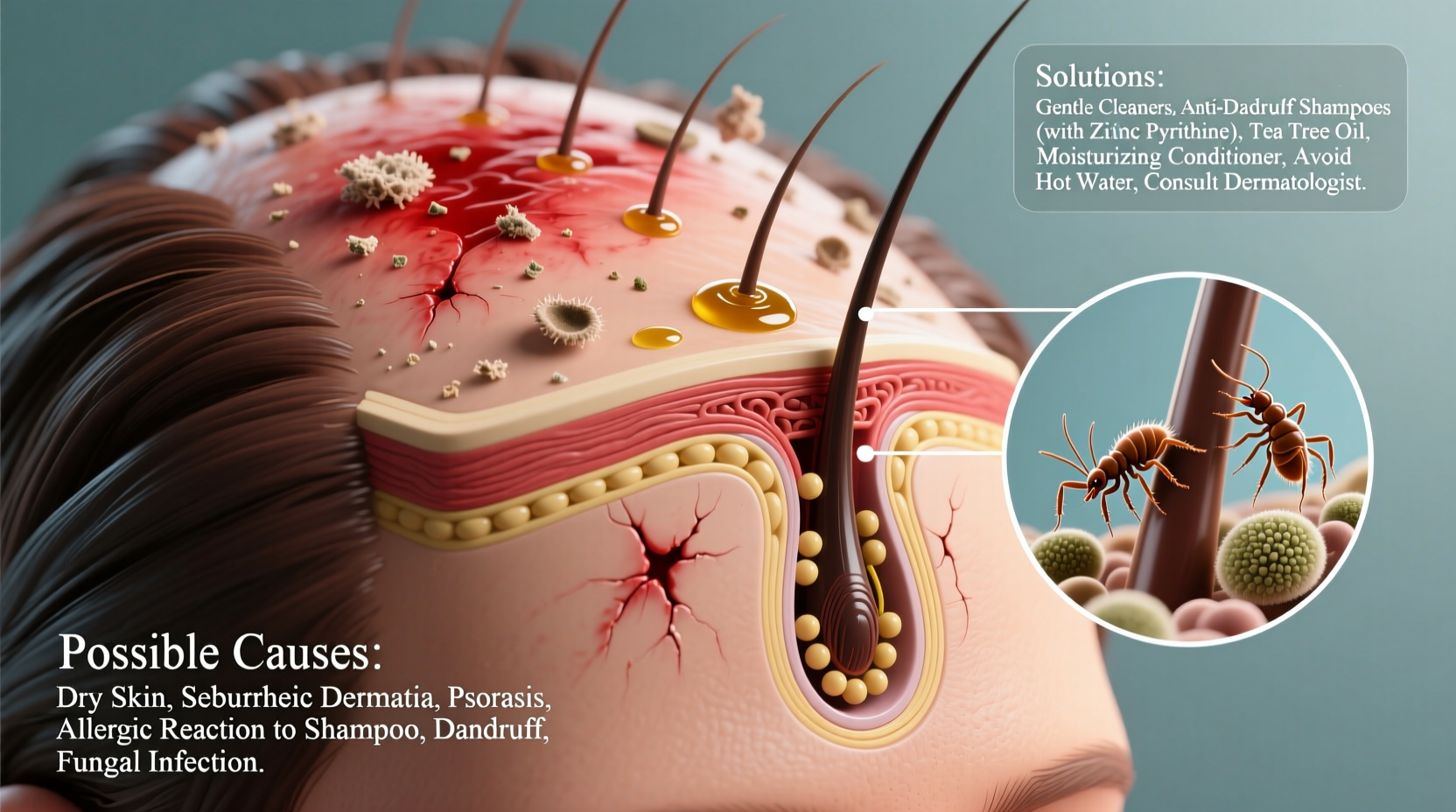
An itchy scalp after shampooing rarely stems from a single factor. More often, it's the result of a combination of triggers that irritate the skin or disrupt its natural barrier. Identifying which ones apply to you is crucial for targeted treatment.
Dryness from Harsh Shampoos
Many conventional shampoos contain sulfates like sodium lauryl sulfate (SLS), which create a rich lather but strip away natural oils. Over-cleansing dries out the scalp, leading to tightness, flaking, and itching—especially in people with sensitive or already dry skin. Even those with oily scalps can suffer from paradoxical dryness when their sebum is excessively removed.
Residual Product Buildup
When conditioners, styling products, or shampoos aren’t rinsed thoroughly, residue accumulates on the scalp. This buildup blocks hair follicles, traps bacteria, and creates an environment conducive to irritation. People who use heavy serums, gels, or leave-in treatments are particularly prone to this issue.
Allergic Reactions or Sensitivities
Contact dermatitis—a reaction to specific ingredients in haircare products—can manifest as redness, swelling, and intense itching. Common culprits include fragrances, preservatives (like methylisothiazolinone), and certain essential oils. These reactions may develop gradually, meaning a product you’ve used for months could suddenly become problematic.
Scalp Conditions
Underlying dermatological issues such as seborrheic dermatitis, psoriasis, or fungal infections like tinea capitis can flare up during or after washing. For example, water can temporarily open pores and increase sensitivity, making existing inflammation more noticeable immediately after cleansing.
Water Quality
Hard water, high in minerals like calcium and magnesium, interferes with soap lathering and leaves behind a film on the scalp. This residue can dull hair, reduce shampoo efficacy, and contribute to irritation. Chlorine in tap water may also strip moisture and trigger itching, especially in individuals with eczema-prone skin.
How to Diagnose the Root Cause
Pinpointing what’s causing your post-wash itch requires observation and elimination. Start by evaluating your current routine and symptoms:
- Timing: Does the itch begin immediately after rinsing or several hours later?
- Associated symptoms: Look for flaking (dandruff), red patches, greasy scales, or hair loss.
- Product history: Have you recently switched shampoos, conditioners, or introduced new styling products?
- Washing frequency: Are you washing too often or not enough?
A symptom journal can help track patterns. Note each wash, the products used, water temperature, and any subsequent itching. After two weeks, review the log for correlations. For instance, if itching consistently follows the use of a scented conditioner, fragrance sensitivity may be the culprit.
“Patients often overlook the role of product layering. Using multiple products increases the risk of ingredient interactions and buildup.” — Dr. Lena Patel, Board-Certified Dermatologist
Effective Solutions and Preventive Measures
Once potential triggers are identified, targeted interventions can restore scalp comfort. Below are evidence-based strategies tailored to common causes.
Switch to a Gentle, Sulfate-Free Shampoo
Opt for formulas labeled “for sensitive scalp” or “dermatologist-tested.” Ingredients like cocamidopropyl betaine provide mild cleansing without stripping oils. Avoid products with alcohol denat, synthetic fragrances, and parabens if you’re prone to irritation.
Rinse Thoroughly and Use Lukewarm Water
Spend at least 30 seconds rinsing your scalp after applying shampoo and conditioner. Hot water exacerbates dryness and inflammation; lukewarm is ideal for preserving natural oils while ensuring cleanliness.
Incorporate a Weekly Scalp Exfoliation
Gentle exfoliation removes dead skin cells and product residue. Use a soft-bristled brush or a chemical exfoliant containing salicylic acid (1–2%) once per week. Over-exfoliating can worsen irritation, so limit use to once weekly unless directed otherwise by a professional.
Use a Clarifying Shampoo Monthly
To combat buildup, use a clarifying shampoo every 3–4 weeks. These formulations dissolve oils, silicones, and environmental pollutants. Follow with a moisturizing conditioner to prevent over-drying.
Consider a Medicated Treatment
If dandruff or seborrheic dermatitis is suspected, medicated shampoos with active ingredients like ketoconazole, pyrithione zinc, or selenium sulfide can be highly effective. Use as directed—typically twice weekly for two weeks, then weekly for maintenance.
| Condition | Recommended Ingredient | Frequency |
|---|---|---|
| Dandruff / Seborrheic Dermatitis | Pyrithione Zinc | 2–3 times/week |
| Fungal Infection | Ketoconazole | Twice/week for 2–4 weeks |
| Psoriasis | Salicylic Acid + Coal Tar | As directed by dermatologist |
| General Itch & Dryness | Ceramides, Oat Extract | Daily or as needed |
Step-by-Step Guide to Soothing an Itchy Scalp
Follow this six-step protocol to address and prevent post-wash itching:
- Pause all new products: Stop using any recently introduced shampoos, conditioners, or treatments for one week to rule out allergic reactions.
- Wash with a gentle cleanser: Use a fragrance-free, sulfate-free shampoo. Massage gently with fingertips—not nails—to avoid micro-tears.
- Rinse for a full minute: Ensure no product residue remains, especially near the hairline and nape.
- Apply a soothing rinse: After shampooing, use a diluted apple cider vinegar solution (1 part vinegar to 3 parts water) to restore pH balance and reduce itch.
- Moisturize the scalp: Apply a lightweight, non-comedogenic oil like squalane or aloe vera gel to damp scalp to lock in hydration.
- Wait 48 hours before retesting: If symptoms subside, reintroduce one product at a time every three days to identify triggers.
Real-Life Example: Sarah’s Scalp Relief Journey
Sarah, a 34-year-old teacher from Portland, experienced worsening scalp itching every time she washed her hair. She assumed it was dandruff and tried multiple anti-dandruff shampoos, but the condition worsened. Redness spread across her temples, and flaking became visible on dark clothing.
After visiting a dermatologist, she learned she had developed contact dermatitis from a popular brand of volumizing shampoo containing methylchloroisothiazolinone—a common preservative known to cause sensitization. Her doctor advised discontinuing all products with added fragrances and preservatives, and prescribed a short course of topical corticosteroid lotion.
Within three weeks of switching to a hypoallergenic, fragrance-free routine and using a weekly salicylic acid treatment, Sarah’s symptoms resolved. She now reads labels carefully and performs patch tests before adopting new products. “I didn’t realize how much damage a ‘great lather’ could do,” she said. “Now I prioritize gentleness over foam.”
Prevention Checklist
Use this checklist to maintain a healthy, itch-free scalp:
- ✅ Read ingredient labels and avoid known irritants
- ✅ Wash hair in lukewarm—not hot—water
- ✅ Rinse thoroughly for at least 30 seconds
- ✅ Limit shampooing to 2–4 times per week based on hair type
- ✅ Use a clarifying shampoo monthly
- ✅ Store hair products away from humidity to prevent bacterial growth
- ✅ Replace old brushes and combs regularly to avoid microbial buildup
Frequently Asked Questions
Can drinking more water help with an itchy scalp?
Yes, internal hydration supports overall skin health, including the scalp. While drinking water won’t cure conditions like dandruff, chronic dehydration can exacerbate dryness and flaking. Aim for 6–8 glasses daily, especially if you have a naturally dry scalp or live in a dry climate.
Is it normal for my scalp to itch the first few times using a new shampoo?
Mild adjustment is possible when switching from sulfates to gentler cleansers, as your scalp rebalances oil production. However, persistent or severe itching is not normal and may indicate an adverse reaction. Discontinue use if irritation lasts beyond five washes.
Can stress make my scalp itch after washing?
Indirectly, yes. Stress alters hormone levels and immune function, potentially worsening inflammatory skin conditions like psoriasis or eczema. These may become more symptomatic during or after washing due to increased blood flow and sensory awareness.
Final Thoughts and Next Steps
An itchy scalp after washing doesn’t have to be a regular occurrence. With careful attention to product ingredients, washing technique, and underlying health, most cases can be resolved without medical intervention. Start by simplifying your routine, eliminating potential irritants, and adopting scalp-friendly practices like thorough rinsing and weekly exfoliation.
If symptoms persist despite these changes, consult a dermatologist. Chronic itching could signal a diagnosable condition requiring prescription treatment. Remember, your scalp is living skin—treat it with the same care you’d give to your face.




 浙公网安备
33010002000092号
浙公网安备
33010002000092号 浙B2-20120091-4
Comments
No comments yet. Why don't you start the discussion?