
Waking up with greasy roots just a day after washing can be frustrating, especially when you're trying to maintain clean, voluminous hair. You’re not alone—many people struggle with an oily scalp that seems to rebel against even the most careful routines. The truth is, oiliness isn’t always about poor hygiene or overwashing. It’s often tied to biological factors, product choices, and daily habits that either support or disrupt your scalp’s natural equilibrium. Understanding the root causes and adjusting your shampooing practices can make a significant difference in how your scalp feels—and how long your hair stays fresh.
The Science Behind Scalp Oil Production
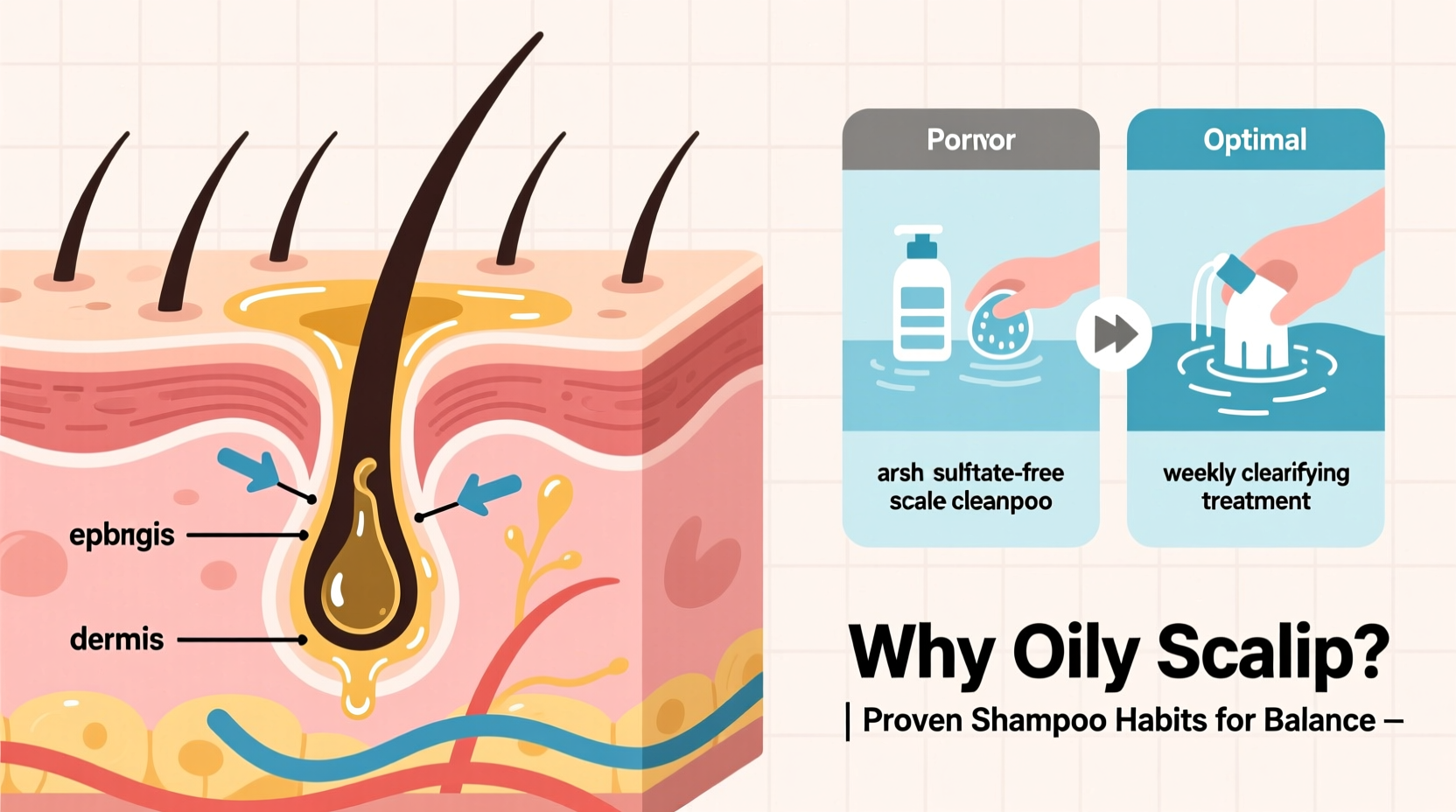
Your scalp produces sebum, an oily substance made by sebaceous glands located around each hair follicle. Sebum plays a crucial role in protecting the scalp and keeping hair moisturized. However, when production becomes excessive, it leads to that unwelcome slickness and flatness within hours of washing.
Several factors influence sebum output:
- Hormones: Androgens, particularly dihydrotestosterone (DHT), stimulate sebum production. Fluctuations during puberty, menstruation, pregnancy, or stress can increase oiliness.
- Genetics: Some people naturally have more active sebaceous glands due to hereditary traits.
- Diet: High-glycemic foods and dairy may contribute to increased sebum in sensitive individuals.
- Climate: Heat and humidity can accelerate oil production, making summer months especially challenging.
- Overwashing: Paradoxically, washing too frequently can strip the scalp, prompting it to produce more oil to compensate.
“Many patients come in thinking they need to wash daily because their hair looks oily—but often, they’re creating a cycle of overproduction through aggressive cleansing.” — Dr. Lena Torres, Board-Certified Dermatologist
Common Shampoo Habits That Worsen Oily Scalps
It’s easy to assume that using stronger shampoos or washing more often will fix oiliness. But certain habits can actually make the problem worse by disrupting your scalp’s pH balance or irritating its surface.
Here are common mistakes to watch for:
- Using heavy conditioners on the scalp: Conditioners are meant for mid-lengths to ends. Applying them directly to the roots adds unnecessary weight and residue.
- Not rinsing thoroughly: Leftover product buildup traps oil and dead skin cells, clogging follicles and increasing greasiness.
- Hot water overuse: Excessively hot water strips natural oils, triggering rebound sebum production.
- Aggressive scrubbing: Scrubbing with nails or excessive force irritates the scalp and stimulates oil glands.
- Skipping scalp exfoliation: Dead skin and product residue accumulate, creating a breeding ground for oil and odor.
Effective Shampoo Habits to Reduce Oiliness
Managing an oily scalp isn't about eliminating oil—it's about regulating it. The goal is to cleanse effectively without disruption. These evidence-based habits promote balance and prolong freshness between washes.
1. Choose the Right Shampoo Formula
Look for clarifying or balancing shampoos containing ingredients like:
- Salicylic acid: Gently exfoliates and clears pores.
- Tea tree oil: Has antimicrobial properties that reduce scalp buildup.
- Niacinamide: Helps regulate sebum production.
- Zinc pyrithione: Controls microbial growth linked to oiliness.
Avoid formulas with silicones, heavy oils, or excessive fragrance, which can coat the scalp and trap sebum.
2. Wash Strategically, Not Necessarily Daily
For many, every other day is sufficient. This allows the scalp to stabilize its oil production. If daily washing feels necessary, consider alternating between a gentle cleanser and a clarifying formula.
3. Focus Lather on the Scalp Only
Apply shampoo directly to the scalp and massage gently with fingertips—not nails—for 60 seconds. Let the suds cleanse the lengths as you rinse. This prevents drying out the ends while targeting the source of oil.
4. Rinse with Lukewarm to Cool Water
Cool water helps seal the hair cuticle and reduces inflammation. It also minimizes post-wash irritation that could signal glands to produce more oil.
5. Incorporate Scalp Exfoliation Weekly
Use a physical scrub or chemical exfoliant once a week to remove dead skin and unclog follicles. Over-exfoliating can cause irritation, so limit this to once every 7–10 days.
| Habit | Benefit | How Often? |
|---|---|---|
| Use a clarifying shampoo | Removes buildup without over-drying | 1–2 times per week |
| Rinse with cool water | Calms scalp, reduces irritation | Every wash |
| Scalp exfoliation | Prevents clogged follicles | Once weekly |
| Condition only from ears down | Avoids adding moisture to oily roots | Every wash |
| Wash every other day | Allows natural oil regulation | Adjust based on response |
Mini Case Study: From Greasy Roots to Three-Day Freshness
Sarah, a 29-year-old graphic designer, washed her hair daily with a strong clarifying shampoo because she hated the oily look by noon. After two years, her hair felt dry at the ends but still greasy at the roots by morning. She consulted a trichologist who advised her to stop daily washing and switch to a gentler, pH-balanced shampoo with niacinamide.
She began washing every 48 hours, massaging only the scalp, and rinsing with cooler water. Within three weeks, her scalp adjusted. By week six, she could go nearly 72 hours without visible oil. Her hair had more volume, and she no longer experienced post-wash frizz. The key? Breaking the cycle of over-cleansing that kept signaling her glands to overproduce.
Step-by-Step Guide to Resetting Your Scalp Routine
If your current regimen isn’t working, follow this 14-day plan to recalibrate your scalp’s oil balance:
- Day 1–3: Assess and Replace
Purge heavy, silicone-laden products. Replace your shampoo with a lightweight, sulfate-free option designed for oily scalps. - Day 4–6: Adjust Washing Frequency
Reduce washing from daily to every other day. Use dry shampoo at the roots if needed to absorb excess oil. - Day 7: First Exfoliation
Apply a scalp scrub or liquid exfoliant. Massage gently for 2 minutes, then rinse thoroughly before shampooing. - Day 8–10: Observe and Adapt
Take note of when oil appears. Is it faster in the mornings? After workouts? This helps identify triggers. - Day 11–14: Refine Technique
Focus on proper lathering, cooling rinse, and avoiding conditioner on the scalp. Consider using a microfiber towel instead of cotton to reduce friction and oil stimulation.
By the end of two weeks, many users report improved texture, less shine, and better longevity between washes.
Frequently Asked Questions
Can drinking more water reduce scalp oiliness?
While hydration supports overall skin health, drinking water alone won’t directly reduce sebum. However, dehydration can trigger imbalances, so maintaining proper fluid intake is part of a holistic approach.
Is dry shampoo making my scalp oilier?
Poorly used, yes. Dry shampoo absorbs oil temporarily, but if left in too long or applied excessively, it mixes with sebum and creates buildup. Use it sparingly and always wash it out within 24–48 hours.
Should I avoid oils completely if I have an oily scalp?
Not necessarily. Lightweight, non-comedogenic oils like squalane or jojoba can actually help regulate sebum by signaling the scalp that it doesn’t need to overproduce. Apply only to ends or use in scalp treatments no more than once a week.
Checklist: Healthy Shampoo Habits for Oily Scalps
- ☑ Use a shampoo formulated for oily or balanced scalps
- ☑ Wash every other day (or less) unless sweating heavily
- ☑ Massage scalp with fingertips, not nails
- ☑ Rinse with lukewarm or cool water
- ☑ Apply conditioner only from ears down
- ☑ Exfoliate scalp once a week
- ☑ Avoid heavy silicones and oils near the roots
- ☑ Limit heat styling tools that stimulate oil glands
- ☑ Change pillowcases 2–3 times per week to reduce bacteria transfer
- ☑ Monitor diet and stress levels as contributing factors
“The scalp is skin. Treat it like facial skin—gentle cleansing, regular exfoliation, and targeted treatments yield the best results.” — Dr. Amara Lin, Trichology Specialist
Conclusion: Take Control of Your Scalp Health
An oily scalp after just one day doesn’t mean you’re doing everything wrong—it might mean your routine needs refinement. By understanding the biology behind sebum production and replacing counterproductive habits with science-backed strategies, you can achieve longer-lasting freshness and healthier hair. It takes patience and consistency, but the payoff is worth it: confidence in your appearance, reduced styling time, and a scalp that functions in harmony rather than overdrive.




 浙公网安备
33010002000092号
浙公网安备
33010002000092号 浙B2-20120091-4
Comments
No comments yet. Why don't you start the discussion?