
A tight, uncomfortable scalp after washing is more common than many realize. While a clean feeling is expected, persistent tightness—often accompanied by dryness, flaking, or itching—can signal underlying issues with your hair care routine, scalp health, or even environmental factors. This sensation may be temporary for some, but for others, it becomes a recurring discomfort that affects confidence and daily comfort.
Understanding the root cause is essential to finding long-term relief. The scalp is an extension of facial skin, rich in sebaceous glands and sensitive to chemical exposure, water quality, and hygiene habits. When disrupted, it reacts—sometimes subtly, sometimes dramatically. This article breaks down the most frequent reasons your scalp feels tight post-wash, backed by dermatological insight, and offers actionable solutions.
Dryness and Stripped Natural Oils
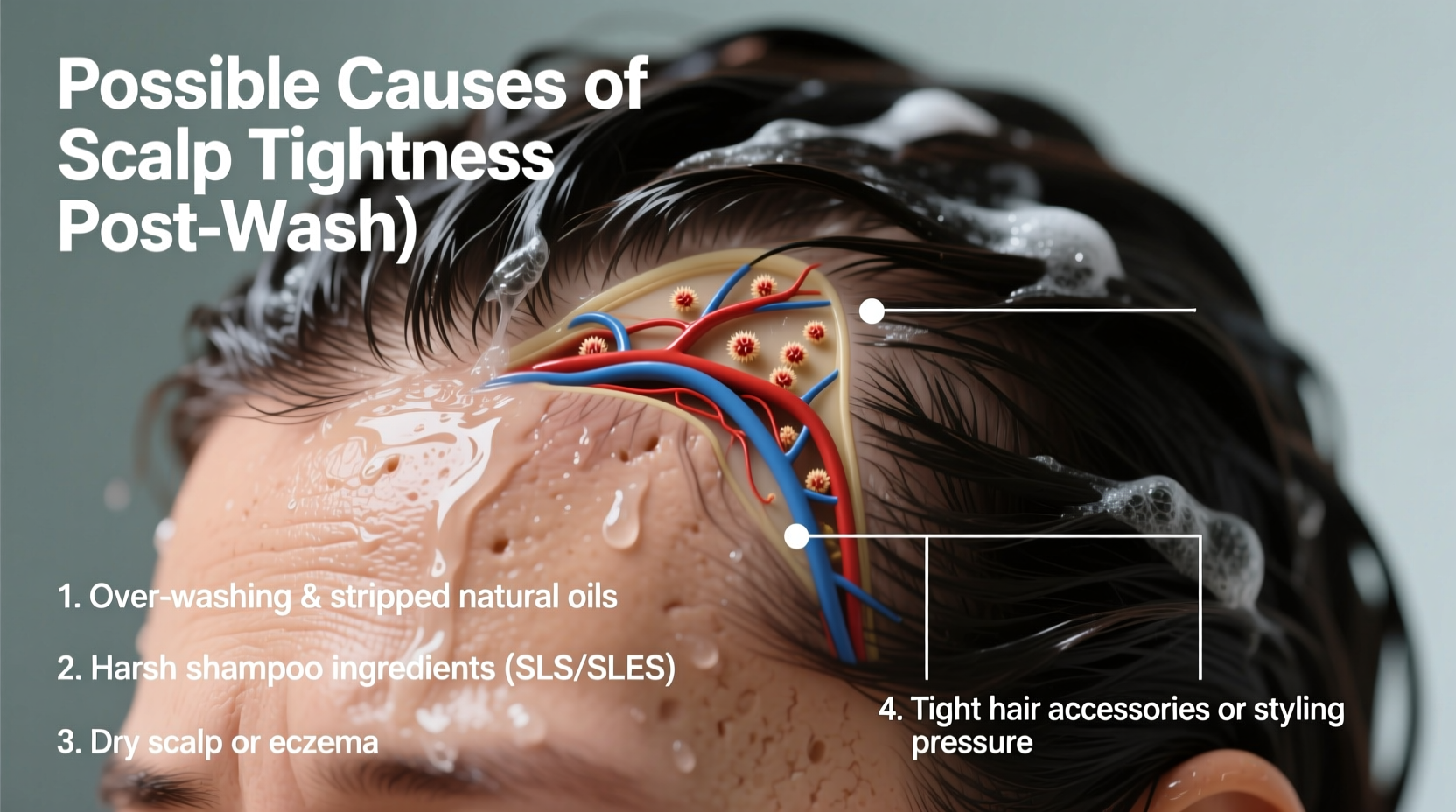
The most common reason for post-wash scalp tightness is excessive dryness caused by harsh cleansing agents. Many shampoos contain sulfates—such as sodium lauryl sulfate (SLS)—which are effective at removing oil and buildup but can also strip away the scalp’s natural sebum. Sebum acts as a protective barrier, locking in moisture and defending against irritants. When over-cleaned, the scalp loses this protection, leading to dehydration and a taut, uncomfortable sensation.
This effect is often worse in individuals with naturally dry scalps or those living in low-humidity environments. Cold weather, indoor heating, and frequent shampooing compound the issue by accelerating moisture loss.
Over-washing exacerbates the problem. Washing more than every other day—even with gentle products—can disrupt the scalp’s ability to rebalance its oil production. In response to being stripped too often, some scalps paradoxically produce more oil, creating a cycle of over-cleansing and irritation.
Product Buildup and Residue Accumulation
Ironically, while cleansing aims to remove buildup, certain hair products can leave behind residue that clogs pores and irritates the scalp. Conditioners, styling creams, gels, and dry shampoos often contain silicones, polymers, and waxes that aren’t fully water-soluble. Over time, these accumulate on the scalp, forming a film that prevents proper moisture exchange and leads to inflammation.
When you wash your hair, surfactants may partially dissolve this layer, but not completely. As the residue dries, it can create a pulling or tightening sensation—especially when the scalp begins to dry out post-rinse. This is particularly common among people who use heavy styling products or don’t rinse thoroughly.
“Residue buildup can mimic symptoms of dandruff or eczema. A clarifying shampoo every 2–3 weeks helps reset the scalp environment.” — Dr. Lena Torres, Board-Certified Dermatologist
How to Identify Product Buildup
- Scalp feels sticky or greasy shortly after washing
- Hair lacks volume despite being freshly washed
- Itching or flaking without visible dandruff
- Tightness increases after using styling products
Sensitive Skin Reactions and Allergies
Not all scalp reactions are due to dryness or buildup. Some individuals experience tightness as part of an allergic or irritant contact dermatitis triggered by ingredients in their hair care products. Common culprits include:
- Fragrances (synthetic and essential oils)
- Preservatives like methylisothiazolinone or formaldehyde releasers
- Alcohol-based ingredients
- Propylene glycol
These substances can inflame the scalp’s outer layer, leading to redness, swelling, and a stretched or tight feeling. Reactions may develop gradually, making them difficult to trace back to a specific product.
If you’ve recently switched shampoos, conditioners, or treatments, consider whether the tightness began within days of starting the new product. Patch testing behind the ear or on the inner forearm can help identify allergens before applying anything directly to the scalp.
Underlying Scalp Conditions
Chronic tightness may point to medical conditions affecting the scalp. These require professional diagnosis but are worth recognizing early:
Seborrheic Dermatitis
A common inflammatory condition causing flaky, greasy scales and redness. It affects areas rich in oil glands, including the scalp. Paradoxically, even oily scalps can feel tight due to inflammation disrupting the skin barrier.
Psoriasis
An autoimmune disorder that accelerates skin cell turnover, resulting in thick, silvery plaques. On the scalp, psoriasis can create a tight, bound-down sensation as patches expand and contract with movement.
Scalp Eczema (Atopic Dermatitis)
Often linked to overall skin sensitivity, eczema on the scalp leads to dryness, cracking, and intense tightness—especially after water exposure, which temporarily disrupts the compromised moisture barrier.
| Condition | Key Symptoms | Recommended Action |
|---|---|---|
| Seborrheic Dermatitis | Yellowish flakes, greasy patches, mild redness | Use medicated shampoos with ketoconazole or selenium sulfide |
| Psoriasis | Thick scales, bleeding when scratched, well-defined plaques | See a dermatologist; topical steroids or light therapy may be needed |
| Scalp Eczema | Dryness, itching, cracking, sensitivity to products | Switch to fragrance-free, hypoallergenic formulas; moisturize with squalane or ceramide serums |
Environmental and Lifestyle Factors
Even with perfect product choices, external influences can trigger scalp tightness. Consider these often-overlooked contributors:
Hard Water
Water high in minerals like calcium and magnesium interferes with shampoo lathering and leaves a chalky film on the scalp. This residue blocks pores and alters pH, leading to dryness and irritation. People in hard-water areas frequently report dull hair, increased frizz, and a persistently tight scalp after showers.
Hot Water
While a hot shower feels relaxing, excessively warm water strips natural oils faster than lukewarm water. It also dilates blood vessels, increasing inflammation and sensitivity. Over time, this weakens the scalp’s protective barrier.
Low Humidity and Indoor Heating
In winter months, heated indoor air reduces ambient moisture, drying out skin—including the scalp. Combined with wool hats or synthetic headwear, this creates friction and further dehydration.
Stress and Hormonal Changes
Chronic stress elevates cortisol levels, which can disrupt sebum production and increase inflammation. Hormonal shifts during menstruation, pregnancy, or menopause may also alter scalp behavior, leading to unexpected tightness or sensitivity.
“The scalp is neurologically dense and highly responsive to stress. Patients often notice flare-ups during high-pressure periods.” — Dr. Alan Reeves, Trichology Specialist
Mini Case Study: Recovering from Chronic Scalp Tightness
Sarah, a 34-year-old graphic designer from Chicago, experienced worsening scalp tightness every winter. Despite using expensive hydrating shampoos, her scalp felt raw and constricted within hours of washing. She avoided hats due to discomfort and noticed increased shedding.
After consulting a dermatologist, she learned her home had extremely hard water. Her favorite volumizing shampoo contained sulfates and silicone, which reacted poorly with mineral deposits. Additionally, she was washing her hair daily with very hot water—a habit formed during stressful workweeks.
Her treatment plan included installing a shower filter, switching to a sulfate-free, silicone-free shampoo, and reducing wash frequency to twice weekly with cooler water. Within four weeks, her symptoms improved significantly. A monthly clarifying wash helped prevent future buildup.
Sarah’s case illustrates how multiple factors—environmental, behavioral, and product-related—can converge to create persistent discomfort. Addressing each element was key to resolution.
Step-by-Step Guide to Soothing a Tight Scalp
If you're experiencing post-wash tightness, follow this practical sequence to identify and resolve the cause:
- Evaluate your shampoo. Check the ingredient list for sulfates, alcohol, and fragrance. If present, switch to a gentler, sulfate-free formula designed for sensitive scalps.
- Assess your washing frequency. Try extending time between washes. Use dry shampoo (sparingly) to extend freshness without stripping oils.
- Rinse thoroughly. Spend at least 30 seconds rinsing after conditioning, focusing on the scalp, not just the hair ends.
- Install a water filter. If you suspect hard water, use a showerhead filter designed to reduce mineral content.
- Use lukewarm water. Avoid hot showers, especially in winter. Finish with a cool rinse to seal cuticles and soothe irritation.
- Apply a scalp serum. After washing, apply a lightweight, non-comedogenic oil or hydrating serum (e.g., squalane, hyaluronic acid, or jojoba oil) to damp scalp.
- Clarify monthly. Use a chelating or clarifying shampoo once every 3–4 weeks to remove mineral and product buildup.
- Consult a professional. If symptoms persist beyond 4–6 weeks, see a dermatologist to rule out medical conditions.
Checklist: Is Your Routine Causing Scalp Tightness?
Answer the following to assess your risk factors:
- ☐ Do you wash your hair more than once every other day?
- ☐ Does your shampoo contain sulfates or strong fragrances?
- ☐ Do you use styling products that coat the scalp?
- ☐ Is your water hard (do you see white residue on faucets)?
- ☐ Do you typically use hot water for showers?
- ☐ Have you recently changed hair products?
- ☐ Do you experience flaking, redness, or itching alongside tightness?
- ☐ Does the tightness last more than a few hours after washing?
If you answered “yes” to three or more, your routine likely contributes to scalp discomfort. Begin adjusting one factor at a time to pinpoint the cause.
FAQ
Can conditioner cause scalp tightness?
Yes, especially if applied directly to the scalp or not rinsed properly. Heavy conditioners containing silicones or butters can clog follicles and create a binding sensation as they dry. Always apply conditioner from mid-length to ends unless formulated specifically for scalp hydration.
Is scalp tightness a sign of hair loss?
Not directly. However, chronic inflammation or untreated conditions like psoriasis or seborrheic dermatitis can contribute to hair thinning over time. Persistent tightness should be addressed to maintain a healthy follicular environment.
How long should tightness last after washing?
A slight clean-tight feeling may last 15–30 minutes. If tightness persists beyond an hour or worsens throughout the day, it indicates dehydration, irritation, or an underlying issue needing attention.
Conclusion
A tight scalp after washing isn’t something you need to accept as normal. Whether caused by aggressive ingredients, environmental stressors, or undiagnosed conditions, the discomfort is a signal—not a sentence. By reassessing your products, habits, and environment, you can restore balance and comfort to your scalp.
Start with small changes: swap in a gentler shampoo, lower the water temperature, and pay closer attention to rinsing. Track your progress over a few weeks. If simple adjustments don’t bring relief, seek expert evaluation. Healthy hair begins with a healthy scalp—and that starts with listening to what your skin is telling you.




 浙公网安备
33010002000092号
浙公网安备
33010002000092号 浙B2-20120091-4
Comments
No comments yet. Why don't you start the discussion?