
If you find yourself washing your hair every other day—or even daily—just to keep the greasy look at bay, you're not alone. A rapidly oiling scalp is one of the most common hair concerns, affecting people across all hair types and textures. While sebum is essential for moisturizing the scalp and protecting hair, overproduction can lead to limp strands, clogged follicles, and even dandruff or irritation. The key isn’t to eliminate oil completely but to achieve a healthy balance. Understanding the root causes and adopting natural, sustainable strategies can make a lasting difference.
The Science Behind Scalp Oil Production
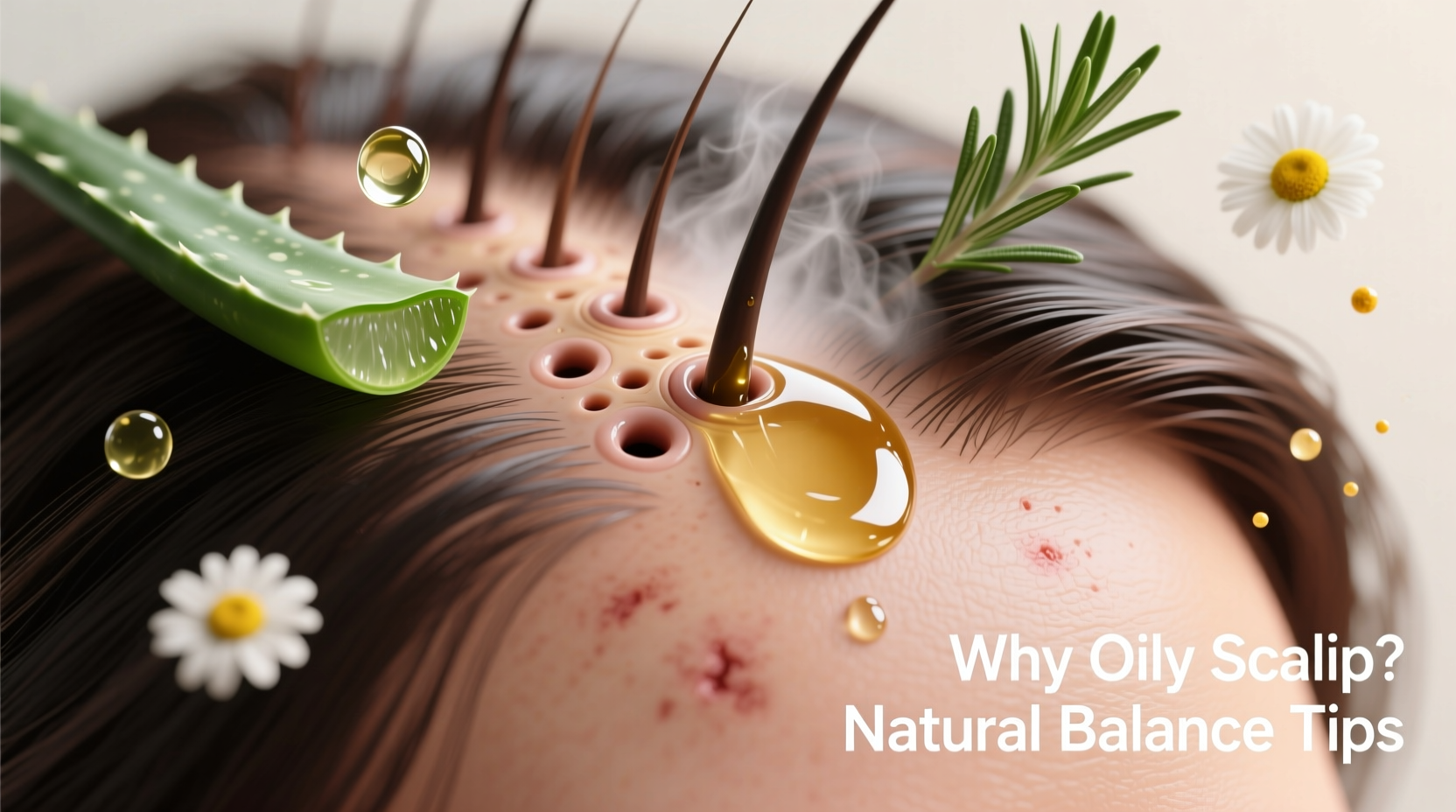
Sebum, the natural oil produced by sebaceous glands in your scalp, plays a vital role in maintaining skin barrier integrity and preventing moisture loss. These glands are concentrated around hair follicles and are influenced by hormones, particularly androgens like testosterone. When these hormones are active, they signal the glands to produce more sebum. For some individuals, this process is naturally more active due to genetics, leading to a predisposition for oily scalps.
However, overactive sebum isn't always genetic. Lifestyle factors such as stress, diet, and improper hair care can trigger or worsen oiliness. For example, chronic stress increases cortisol levels, which in turn can stimulate sebaceous glands. Similarly, diets high in refined sugars and unhealthy fats may contribute to hormonal fluctuations that promote oil production.
Another lesser-known factor is scalp microbiome imbalance. Just like your gut, your scalp hosts a community of bacteria and fungi. When this ecosystem is disrupted—by harsh shampoos, excessive heat styling, or environmental pollutants—it can lead to inflammation and increased sebum secretion as the scalp tries to protect itself.
Common Causes of Fast-Oiling Scalps
Understanding what triggers excess oil helps in choosing the right solutions. Here are the most frequent contributors:
- Overwashing with harsh shampoos: Stripping the scalp of its natural oils signals the body to produce more sebum to compensate—a cycle known as rebound oiliness.
- Hormonal changes: Puberty, menstrual cycles, pregnancy, and conditions like PCOS can all influence sebum levels.
- Poor diet: High-glycemic foods (like white bread, sugary snacks) and dairy have been linked to increased sebum production in some studies.
- Using heavy hair products: Oils, silicones, and waxes in conditioners or styling creams can build up on the scalp, weighing hair down and stimulating oil glands.
- Infrequent brushing: Not distributing natural oils evenly can leave roots overloaded while ends remain dry.
- Environmental factors: Humidity, pollution, and sweat from exercise can all contribute to a greasy feel.
“Many patients come in complaining of oily hair, only to discover they’re over-cleansing or using products incompatible with their scalp type.” — Dr. Lena Patel, Dermatologist & Hair Health Specialist
Natural Ways to Balance Scalp Oil Production
Instead of relying on sulfates and synthetic ingredients that strip and irritate, consider gentler, plant-based approaches that support long-term scalp health. The goal is regulation—not elimination—of oil.
1. Switch to a Mild, pH-Balanced Cleanser
Use a sulfate-free shampoo with a pH between 4.5 and 5.5 to maintain the scalp’s natural acidity. Look for ingredients like aloe vera, chamomile, or tea tree oil, which cleanse without over-drying. Washing every 2–3 days instead of daily allows the scalp to adjust its oil production naturally.
2. Try Co-Washing or Water-Only Rinsing Between Washes
Conditioner-only washing (co-washing) can refresh hair without stripping sebum. Alternatively, rinsing with cool water removes surface dirt and sweat while preserving natural oils. This reduces the scalp’s need to overcompensate.
3. Use Apple Cider Vinegar (ACV) Rinses Weekly
ACV helps restore scalp pH, remove buildup, and inhibit microbial overgrowth. Mix 1 part raw, unfiltered ACV with 3 parts water. After shampooing, pour through hair, massage into the scalp, and rinse after 3–5 minutes. Do this once a week for best results.
4. Apply Clay or Charcoal Masks
Bentonite or kaolin clay absorbs excess oil and detoxifies the scalp. Mix clay with water or apple cider vinegar into a paste, apply to the scalp, leave for 10–15 minutes, then rinse thoroughly. Use once every 7–10 days.
5. Incorporate Scalp Massages with Lightweight Oils
Contrary to myth, applying oil doesn’t increase greasiness when done correctly. Light oils like jojoba, grapeseed, or hemp seed mimic sebum and can actually signal the scalp to reduce oil production. Massage 1–2 teaspoons into the scalp 30 minutes before washing to loosen buildup and improve circulation.
| Oil Type | Benefits for Oily Scalp | How to Use |
|---|---|---|
| Jojoba Oil | Mimics sebum; regulates production | Massage into scalp pre-wash, 1–2x/week |
| Tea Tree Oil | Antibacterial, antifungal, reduces inflammation | Dilute 3–5 drops in carrier oil or shampoo |
| Hemp Seed Oil | Non-comedogenic; rich in omega-3s | Use as a light pre-wash treatment |
| Rosemary Oil | Stimulates circulation; may reduce DHT-related oiliness | Add 5 drops to shampoo or carrier oil |
Step-by-Step Natural Routine to Balance Your Scalp
Follow this weekly plan to gradually regulate oil production and improve scalp health without harsh chemicals:
- Day 1 – Gentle Cleansing: Wash with a sulfate-free, clarifying shampoo. Focus on the scalp, not the lengths. Rinse thoroughly with lukewarm water.
- Day 3 – Refresh with Water Rinse: Rinse hair with cool water to remove sweat and dust. Gently massage the scalp with fingertips.
- Day 5 – Pre-Wash Oil Treatment: Apply 1 tsp jojoba oil to the scalp. Leave for 30 minutes, then shampoo out.
- Day 7 – ACV or Clay Treatment: Alternate weekly—use ACV rinse one week, clay mask the next. Both help reset oil balance.
- Daily – Minimal Product Use: Avoid heavy conditioners on the scalp. Use lightweight serums only on ends if needed.
Mini Case Study: Sarah’s Journey to a Balanced Scalp
Sarah, a 28-year-old graphic designer, struggled with oily roots within 24 hours of washing her hair. She used a strong clarifying shampoo daily, believing it would “fix” the issue. Over time, her scalp became irritated and flaky, yet still oily at the roots. After consulting a trichologist, she learned she was trapped in a rebound oil cycle.
She switched to a sulfate-free shampoo, reduced washing to every other day, and began weekly ACV rinses. She also started scalp massages with diluted rosemary oil three times a week. Within four weeks, her hair stayed fresh for two full days. By week eight, she only needed to wash every three days, and her scalp felt less itchy and more balanced.
“I thought I had to fight the oil,” Sarah said. “But really, I just needed to stop aggravating my scalp and let it regulate itself.”
Checklist: Natural Habits to Reduce Scalp Oiliness
Use this checklist to build a sustainable routine:
- ✅ Wash hair every 2–3 days with a gentle shampoo
- ✅ Avoid silicone-heavy conditioners on the scalp
- ✅ Rinse with cool water between washes
- ✅ Use an ACV rinse once a week
- ✅ Apply jojoba or hemp seed oil pre-wash
- ✅ Exfoliate scalp monthly with a soft brush or scrub
- ✅ Eat a low-glycemic, anti-inflammatory diet (rich in greens, nuts, and omega-3s)
- ✅ Manage stress through meditation, sleep, or exercise
- ✅ Replace pillowcases weekly and use silk when possible
- ✅ Limit heat styling and tight hairstyles that trap sweat
Frequently Asked Questions
Can drinking more water help reduce oily scalp?
Yes. Proper hydration supports overall skin health and helps your body regulate oil production more efficiently. Dehydrated skin can signal the scalp to overproduce sebum as compensation.
Is it safe to use baking soda on my scalp?
Not regularly. Baking soda has a high pH (around 9), which disrupts the scalp’s natural acidity and can cause dryness, irritation, and long-term damage. Occasional use may be okay, but ACV rinses or clay masks are safer alternatives.
Will cutting out dairy reduce scalp oil?
For some, yes. Dairy—especially skim milk—contains hormones that may influence sebum production. Anecdotal evidence and some studies suggest a link between dairy consumption and increased oiliness or acne. Try eliminating dairy for 3–4 weeks to observe any changes.
Final Thoughts and Call to Action
An oily scalp doesn’t have to be a constant battle. With patience and the right natural practices, you can train your scalp to produce just the right amount of oil—keeping your hair fresh, healthy, and vibrant between washes. The solution isn’t aggression, but balance: supporting your scalp’s natural ecosystem rather than disrupting it.
Start small. Pick one change—like switching to a gentler shampoo or trying a weekly ACV rinse—and commit to it for three weeks. Track how your hair feels and looks. Gradually layer in other habits. Over time, you’ll notice fewer greasy days, less irritation, and stronger, shinier hair.




 浙公网安备
33010002000092号
浙公网安备
33010002000092号 浙B2-20120091-4
Comments
No comments yet. Why don't you start the discussion?