
Coloring your hair can be transformative—adding vibrancy, covering grays, or simply refreshing your look. But if you've ever experienced an itchy, burning, or irritated scalp afterward, you're not alone. This reaction isn't just uncomfortable; it can make you question whether the color was worth it. The good news is that most post-color itching is manageable and preventable. More importantly, you don’t have to sacrifice your vibrant hue to calm your scalp. Understanding the causes and knowing how to respond safely ensures you can enjoy beautiful color without discomfort.
What Causes Scalp Itching After Hair Coloring?
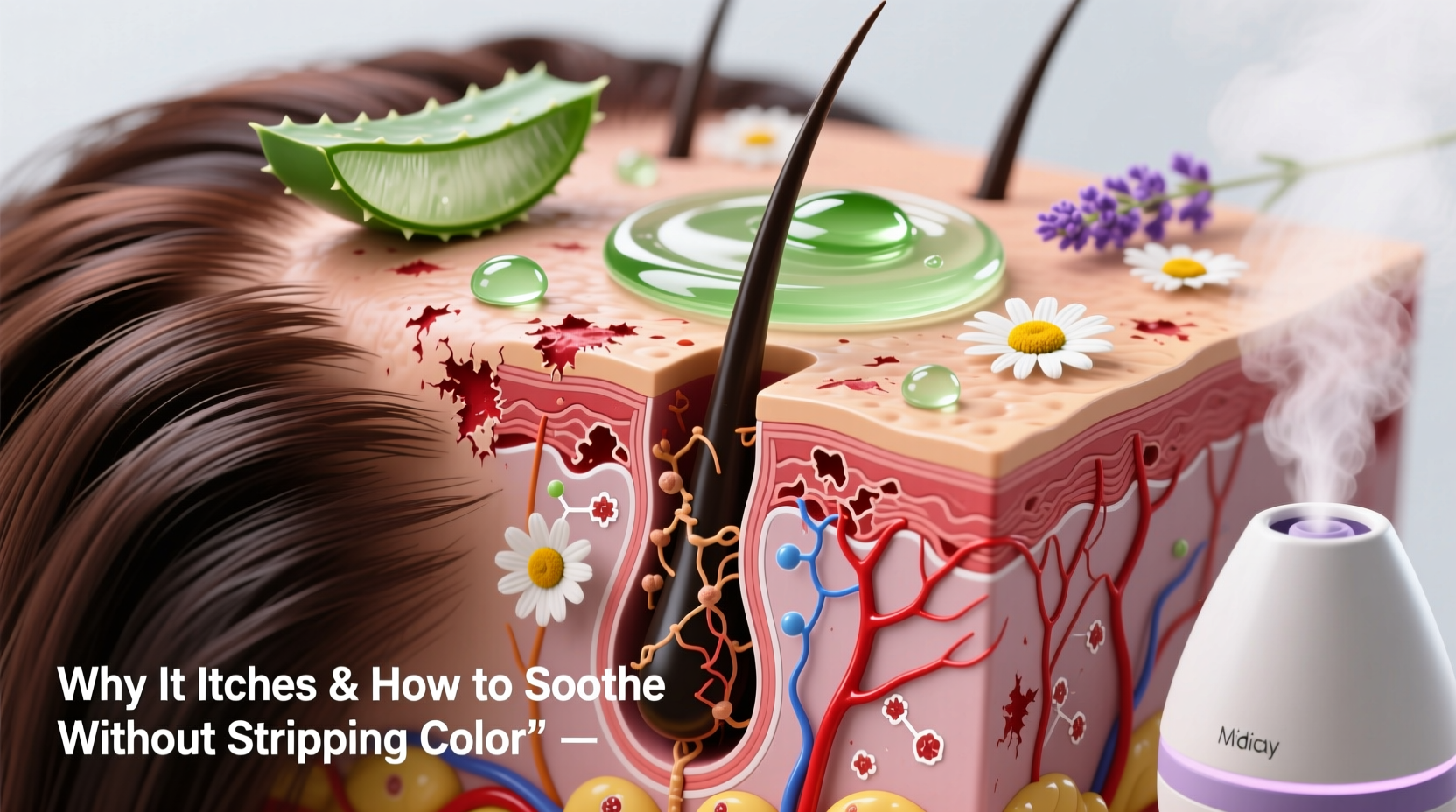
Itching after coloring typically stems from chemical interaction with the scalp’s sensitive skin. While hair itself is dead, the scalp is living tissue rich in nerve endings and blood vessels—making it highly reactive to harsh substances. Several factors contribute to this irritation:
- Ammonia and Alkaline Agents: Most permanent dyes use ammonia or similar alkalizing agents to open the hair cuticle and allow pigment penetration. These raise the scalp’s pH, disrupting its natural acid mantle and leading to dryness and irritation.
- P-Phenylenediamine (PPD): A common ingredient in permanent and semi-permanent dyes, PPD can cause allergic reactions ranging from mild itching to severe dermatitis. Sensitivity may develop over time, even if prior applications were fine.
- Hydrogen Peroxide: Used as a developer, peroxide strips natural pigment and oxidizes dye molecules. It can also damage scalp lipids, leaving skin vulnerable to inflammation.
- Direct Skin Contact: When dye sits directly on the scalp during application—especially near the hairline, part lines, or temples—it increases exposure and risk of irritation.
- Pre-existing Conditions: Those with eczema, psoriasis, or seborrheic dermatitis are more prone to flare-ups triggered by chemical exposure.
“Even mild ingredients can become irritants when applied to compromised skin. The scalp’s barrier function is delicate, and frequent chemical processing weakens it over time.” — Dr. Lena Reyes, Dermatologist & Trichology Consultant
How to Soothe an Itchy Scalp Without Fading Your Color
Once itching starts, the instinct might be to wash your hair aggressively or use strong anti-dandruff shampoos. However, these actions often strip color and worsen irritation. Instead, focus on gentle, targeted relief that respects both your scalp health and your color investment.
Use a Cold Compress for Immediate Relief
If your scalp feels hot, swollen, or intensely itchy right after coloring, apply a cold compress. Wrap ice in a clean cloth and gently press it to affected areas for 5–10 minutes. This reduces inflammation and numbs nerve endings temporarily.
Rinse with Cool Water and Diluted Apple Cider Vinegar
A diluted rinse helps restore the scalp’s pH and remove residual chemicals. Mix one tablespoon of raw, unfiltered apple cider vinegar with one cup of cool water. Pour slowly over the scalp, avoiding vigorous scrubbing. Rinse thoroughly with cool water. This method is especially useful after at-home coloring sessions where excess dye may remain.
Apply a Soothing Scalp Serum
Look for serums containing calming ingredients like:
- Aloe vera – Natural anti-inflammatory and moisturizer
- Chamomile extract – Soothes redness and irritation
- Panthenol (Provitamin B5) – Strengthens moisture barrier
- Allantoin – Promotes healing of minor skin abrasions
Safe Ingredients vs. Harsh Additives: What to Use and Avoid
Not all hair care ingredients are created equal—especially when your scalp is compromised. Choosing the right products post-color is critical to healing without sacrificing shade longevity.
| Safe for Sensitive, Colored Hair | Avoid If Scalp Is Itchy |
|---|---|
| Aloe vera gel | Alcohol-based toners |
| Oatmeal-based cleansers | Fragranced shampoos |
| Sulfate-free, low-pH shampoos | Sulfates (SLS/SLES) |
| Ceramide-rich conditioners | Silicones (dimethicone-heavy formulas) |
| Coconut oil (in moderation) | Peppermint or eucalyptus essential oils |
| Shea butter (non-comedogenic forms) | Salicylic acid (unless prescribed) |
Note: While coconut oil is moisturizing, it can clog pores for some people, potentially worsening folliculitis. Apply only to the mid-scalp or ends if you’re acne-prone.
Step-by-Step: Calming an Irritated Scalp in 72 Hours
Follow this timeline to reduce itching and support healing while preserving your color:
- Hour 0–6 (Right After Coloring): Rinse thoroughly with cool water. Do not shampoo unless instructed by the product. Pat dry gently—no rubbing.
- Hour 6–24: If itching begins, apply a cold compress. Avoid scratching. Sleep on a clean, soft pillowcase to minimize friction.
- Day 1: Wash with a sulfate-free, color-safe shampoo formulated for sensitive scalps. Look for “dermatologically tested” or “hypoallergenic” labels. Follow with a hydrating conditioner applied only to lengths.
- Day 2: Apply a pea-sized amount of aloe vera or oat-based serum to itchy zones. Do not massage deeply. Reapply as needed.
- Day 3: Assess improvement. If redness or bumps persist, switch to a colloidal oatmeal shampoo for two washes. Discontinue use of styling products containing alcohol or fragrance.
Real Example: Managing Post-Color Irritation Naturally
Maria, a 34-year-old graphic designer, started coloring her hair at home to cover roots between salon visits. After switching to a box dye with higher PPD content, she noticed intense itching within hours. Her scalp developed small bumps along her hairline. Concerned about both comfort and color loss, she stopped using her regular clarifying shampoo and switched to a routine based on gentle, pH-balanced products.
She began rinsing with diluted apple cider vinegar twice a week and applied pure aloe vera gel each evening. Within three days, the itching subsided. She also started applying a thin layer of petroleum jelly along her hairline before coloring to create a protective barrier. Over time, she switched to ammonia-free, plant-infused dyes and now experiences minimal irritation—even with monthly touch-ups.
Maria’s case illustrates how simple adjustments—not medical interventions—can resolve most post-color discomfort.
When to See a Professional
While most cases of post-color itching resolve within a few days, some symptoms indicate a need for medical attention:
- Persistent redness, swelling, or oozing
- Hives or spreading rash beyond the scalp
- Blisters or crusting
- Signs of infection (pus, warmth, fever)
If you suspect an allergy to PPD or other dye components, consult a dermatologist. They can perform a patch test to identify specific allergens and recommend safer alternatives. In severe cases, topical corticosteroids may be prescribed to reduce inflammation—always under supervision to avoid long-term side effects.
Alternative Coloring Options for Sensitive Scalps
If you’re prone to reactions, consider gentler coloring methods:
- Vegetable-Based Dyes: Henna, indigo, or cassia offer natural pigmentation but require careful sourcing to avoid adulterated products that still contain PPD.
- Ammonia-Free Dyes: Many brands now offer permanent color without ammonia, using monoethanolamine (MEA) instead. While less pungent, MEA can still irritate—patch test carefully.
- Highlights or Balayage (at salons): Techniques that minimize direct scalp contact reduce irritation risk. Foils or hand-painting keep dye off the skin.
- Temporary Rinses: Color-depositing conditioners or sprays last 1–3 washes and are ideal for touch-ups without chemical processing.
Prevention Checklist: Protect Your Scalp Before Coloring
Reduce your risk of itching before you even open the dye box:
- ✅ Perform a patch test 48 hours before every application
- ✅ Apply a thin barrier of petroleum jelly or mineral oil along the hairline, ears, and neck
- ✅ Choose ammonia-free, low-PPD formulas when possible
- ✅ Avoid coloring if you have cuts, sunburn, or active scalp conditions
- ✅ Use gloves and follow timing instructions precisely—overprocessing increases irritation
- ✅ Rinse thoroughly until water runs clear
- ✅ Wait at least 48 hours before washing your hair post-color
“Many patients come in with allergic reactions they didn’t see coming. The key is vigilance—even ‘natural’ doesn’t always mean non-irritating.” — Dr. Alan Zhou, Allergy & Dermatology Specialist
FAQ: Common Questions About Itchy Scalps After Coloring
Can I use dandruff shampoo if my scalp itches after coloring?
Only if recommended by a professional. Many anti-dandruff shampoos contain selenium sulfide, ketoconazole, or zinc pyrithione, which can be too harsh on freshly processed scalps. If you have flaking due to dryness (not fungal dandruff), a gentle moisturizing shampoo is safer. Consult a dermatologist before introducing medicated products.
Will scratching ruin my hair color?
Scratching won’t directly fade color, but it can damage the scalp’s surface, leading to inflammation that accelerates pigment breakdown. Broken skin also increases the risk of infection and prolonged healing, which may delay future coloring. Protect your scalp to protect your color longevity.
How long should itching last after hair dye?
Mild itching or tightness should subside within 24–48 hours. If irritation persists beyond three days, worsens, or spreads, treat it as a potential allergic reaction. Discontinue use of the product and seek medical advice.
Final Thoughts: Balance Color Beauty With Scalp Health
Your hair color shouldn’t come at the cost of comfort. An itchy scalp after coloring is a warning sign—not something to ignore or power through. By understanding the chemistry behind the irritation and adopting a proactive, gentle care routine, you can maintain vibrant color and a healthy scalp simultaneously. Prevention, proper product selection, and timely soothing strategies make all the difference.
Whether you color at home or visit a salon, treat your scalp with the same care you give your skin. Small changes—like patch testing, using protective barriers, and choosing milder formulas—can transform your experience from painful to pleasant. Healthy scalp, lasting color, and confidence go hand in hand.




 浙公网安备
33010002000092号
浙公网安备
33010002000092号 浙B2-20120091-4
Comments
No comments yet. Why don't you start the discussion?