
Itching after a fresh hair color is more common than many realize. Whether you visit a salon or dye your hair at home, that persistent scalp irritation can turn a confidence-boosting experience into an uncomfortable ordeal. While some mild tingling might be expected due to the chemical process, prolonged or intense itching is not normal—and often signals underlying sensitivity, irritation, or even allergic reactions. Understanding the root causes and knowing how to respond with safe, effective remedies can make all the difference in maintaining both scalp health and hair vibrancy.
What Causes Scalp Itching After Hair Coloring?
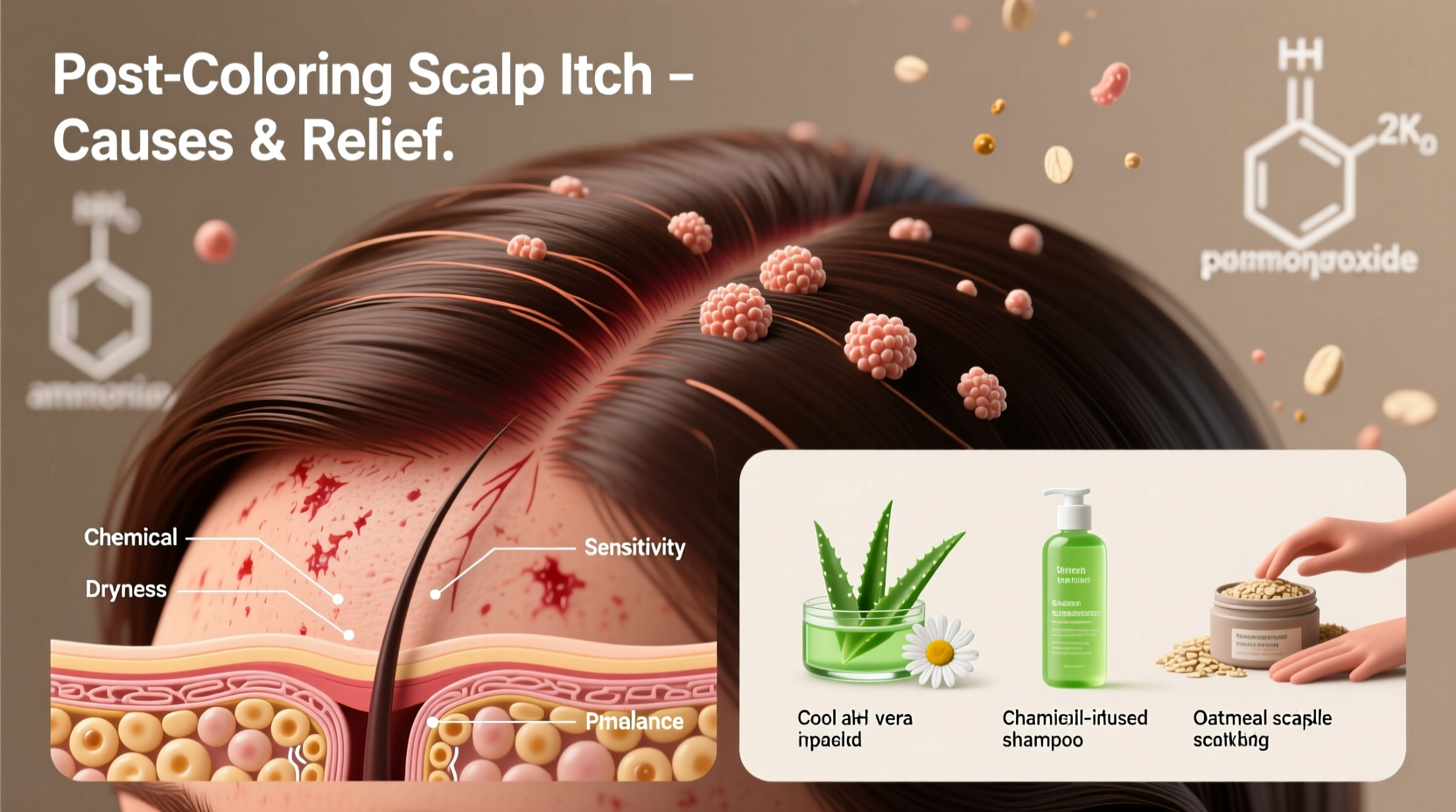
Hair dyes are formulated with powerful ingredients designed to penetrate the hair shaft and alter pigment. However, these same chemicals can interact negatively with the sensitive skin of the scalp. The most common culprits behind post-coloring itch include:
- Ammonia: Used to open the hair cuticle for better dye penetration, ammonia can dry out the scalp and trigger irritation.
- Paraphenylenediamine (PPD): A primary component in permanent dyes, PPD is a known allergen. Even small amounts can provoke contact dermatitis in sensitive individuals.
- Peroxide: Often used as a developer, hydrogen peroxide strips natural oils from the scalp, leading to dryness and flaking.
- pH Imbalance: Most hair dyes are alkaline, which disrupts the scalp’s natural acidic pH (around 5.5), weakening its protective barrier.
- Residual Dye Buildup: Incomplete rinsing leaves dye particles on the scalp, prolonging exposure and irritation.
In addition to chemical factors, mechanical stress during application—such as vigorous brushing or overlapping dye on previously processed areas—can inflame the skin. Some people also develop delayed reactions, where itching begins hours or even days after coloring, indicating a developing allergy rather than simple irritation.
When Is It More Than Just Irritation?
Not all itching is equal. Mild discomfort may resolve within a day or two, but certain symptoms suggest a more serious issue:
- Burning or stinging sensation that worsens over time
- Redness, swelling, or visible rash on the scalp, neck, or ears
- Blisters or oozing sores
- Swelling of the face or eyelids
- Hives or difficulty breathing (rare but dangerous)
If you experience any of these, stop using the product immediately and seek medical attention. Severe reactions to PPD, though uncommon, can escalate quickly. Dermatologists classify this as allergic contact dermatitis, which requires prompt treatment to prevent scarring or long-term sensitivity.
“Even patients with no prior history of allergies can develop reactions to hair dye ingredients like PPD. We recommend routine patch testing for anyone using permanent color.” — Dr. Lena Torres, Board-Certified Dermatologist
Effective Soothing Remedies for an Itchy Scalp
The key to relief lies in calming inflammation, restoring moisture, and protecting the scalp’s natural barrier. Below are proven remedies categorized by immediacy and severity of symptoms.
Natural Home Treatments
For mild to moderate itching, these accessible solutions can provide fast relief:
- Coconut Oil: Apply a thin layer to the scalp and leave for 20–30 minutes before shampooing. Its lauric acid content has anti-inflammatory properties and helps rehydrate dry skin.
- Aloe Vera Gel: Use pure gel directly from the plant or a fragrance-free store version. Aloe cools the skin and reduces redness thanks to its polysaccharides and glycoproteins.
- Oatmeal Rinse: Blend colloidal oatmeal into cool water and pour over the scalp after shampooing. Oats contain avenanthramides, compounds that reduce itching and inflammation.
- Cool Compress: Wrap ice in a clean cloth and apply to itchy areas for 5–10 minutes. This constricts blood vessels and numbs nerve endings temporarily.
- Diluted Apple Cider Vinegar: Mix one part vinegar with three parts water and rinse after shampooing. It helps rebalance scalp pH and remove residue.
Over-the-Counter Solutions
When home remedies aren’t enough, targeted products can offer stronger relief:
- Hydrocortisone Cream (1%): Apply a pea-sized amount to affected areas once or twice daily for up to seven days. Avoid prolonged use to prevent skin thinning.
- Antidandruff Shampoos with Pyrithione Zinc or Ketoconazole: These help reduce fungal activity and inflammation. Use every 2–3 days until symptoms improve.
- Fragrance-Free Moisturizing Scalp Serums: Look for formulas with ceramides, panthenol, or niacinamide to repair the skin barrier.
Prevention: How to Color Safely Without the Itch
Preemptive care is far more effective than treating irritation after it occurs. Consider the following strategies before your next coloring session:
| Action | Why It Helps | Frequency/Timing |
|---|---|---|
| Conduct a patch test | Detects allergic reactions to PPD or other ingredients early | 48 hours before each use, even with familiar brands |
| Apply petroleum jelly along the hairline | Creates a protective barrier against dye runoff | Immediately before dye application |
| Choose ammonia-free or plant-based dyes | Less irritating; gentler on sensitive scalps | For regular users or those with recurring issues |
| Rinse thoroughly with lukewarm water | Removes residual chemicals effectively | At least 5–7 minutes post-application |
| Use a sulfate-free, moisturizing shampoo | Preserves natural oils and prevents further dryness | After coloring and in subsequent washes |
Real Example: Sarah’s Reaction and Recovery
Sarah, a 34-year-old teacher, had colored her hair every six weeks for years without issue. After switching to a new box dye brand, she developed intense itching within hours. By the next morning, her scalp was red and flaky, with small bumps near her temples. She stopped using the product and began applying aloe vera gel twice daily. When the itching persisted, she consulted a dermatologist who diagnosed mild allergic contact dermatitis. Following a five-day course of hydrocortisone cream and switching to a PPD-free demi-permanent dye, Sarah resumed coloring—this time with strict patch testing. Her scalp remained irritation-free afterward.
This case highlights how even experienced users can develop sensitivities unexpectedly and underscores the importance of vigilance with new products.
Step-by-Step Guide to Soothe an Itchy Scalp Post-Coloring
If you're already experiencing discomfort, follow this timeline to calm your scalp efficiently:
- Immediately After Dyeing (Day 0): Rinse thoroughly with lukewarm water. Avoid hot water, which increases irritation. Gently pat dry—do not scrub.
- Within 6 Hours: Apply a thin layer of coconut oil or aloe vera to soothe initial dryness. Skip styling products that contain alcohol or fragrance.
- Day 1: If itching persists, use a colloidal oatmeal rinse. Monitor for signs of worsening redness or swelling.
- Day 2–3: Begin using a pyrithione zinc shampoo every other day. If needed, apply 1% hydrocortisone cream sparingly to inflamed areas.
- Day 4–7: Transition to a fragrance-free moisturizing scalp serum. Avoid re-dyeing during this period.
- Day 8+: Resume normal routine only if symptoms have fully resolved. Reassess your dye choice and consider switching to a gentler formula.
“The scalp is skin first, hair second. Treating it with the same care as facial skin—especially after chemical exposure—is essential.” — Dr. Marcus Lin, Trichologist
Frequently Asked Questions
Can I be allergic to hair dye even if I’ve used it before?
Yes. Allergies can develop at any time, even after years of safe use. The immune system can become sensitized upon repeated exposure, making later reactions possible or even more severe.
How long should scalp itching last after coloring?
Mild irritation should subside within 24–48 hours. If itching persists beyond three days, worsens, or spreads, it may indicate an allergic reaction or infection requiring professional evaluation.
Are natural or henna dyes completely safe?
Not necessarily. While many plant-based dyes are gentler, “black henna” often contains added PPD to enhance color and durability. Always check ingredient labels—even natural doesn’t always mean non-irritating.
Conclusion: Take Control of Your Scalp Health
An itchy scalp after coloring doesn’t have to be an accepted side effect. With growing awareness of ingredient sensitivities and better access to gentle alternatives, you can enjoy vibrant color without compromising comfort. Start by identifying whether your reaction is irritation or allergy, then apply targeted remedies to restore balance. Most importantly, never skip the patch test—your scalp’s well-being depends on proactive care.




 浙公网安备
33010002000092号
浙公网安备
33010002000092号 浙B2-20120091-4
Comments
No comments yet. Why don't you start the discussion?